20
Oct
Female training manikins introduced for CPR training in Yorkshire
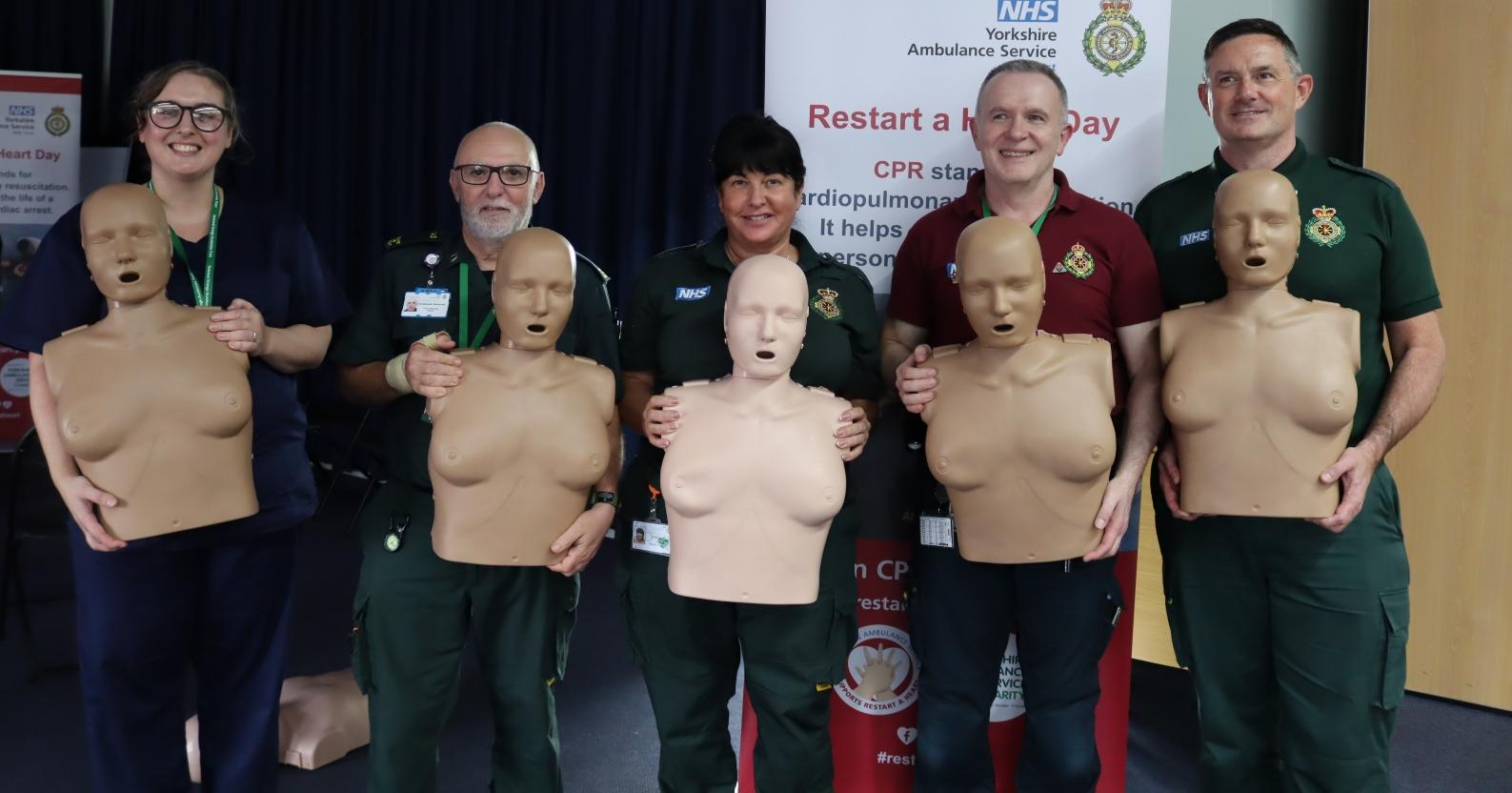
New female training manikins have been introduced with the hope of “closing the gender gap on cardiac arrest survival”.
Research by the first aid charity St John Ambulance showed a third of the British public are afraid to give CPR to a woman because they are worried about touching breasts.
The same survey found that 38% of Britons said they would feel uncomfortable using a defibrillator on a woman, as its pads need to be placed on bare skin in the chest area, requiring the removal of a woman’s bra.
Yorkshire Ambulance Service, in association with its charity, has introduced female manikins with breasts to its CPR training sessions in a bid to remove stigma and increase awareness, ensuring that women are just as likely to be given CPR as men.
'Acting fast'
The female manikins were used in last Friday’s Restart a Heart Day, when over 800 off-duty staff and volunteers from Yorkshire Ambulance Service visited more than 160 secondary schools across the region to train 35,000 students in CPR.
And now the manikins will be further utilised by the trust’s community engagement team and volunteers who deliver thousands of CPR training sessions to people of all ages across the region each year.
Over 30,000 people suffer a cardiac arrest out of hospital in the UK every year. The earlier a patient can receive CPR and a shock from a defibrillator, the greater their chance of survival – latest figures show that patients in Yorkshire are nearly twice as likely to survive if a bystander performs CPR.
Community engagement officer Sasha Bipin said:
In my work with a range of diverse groups, including some that are predominantly male, I am often asked whether performing CPR on a woman differs from performing CPR on a man. Participants frequently raise concerns about maintaining a casualty’s dignity when carrying out chest compressions or using a defibrillator, with some worried that they could get into trouble for assisting a female.
Similar questions have also been raised in groups made up mainly of women, particularly around whether CPR can be performed effectively on a female casualty. Having a female manikin helps to address these concerns, build confidence and ensure participants feel better prepared to provide lifesaving support to anyone who needs it.
Carey Taylor, head of YAS charity, added:
It’s a very sad fact that women are less likely to receive bystander CPR and defibrillation than men. By funding the provision of female manikins during training sessions, the YAS charity aims to change perceptions and give people the reassurance to know that acting fast is the right thing to do to save a life regardless of gender.
Currently in the UK, less than one (8.6%) in 10 people survive a cardiac arrest.
You can learn CPR by watching this video which is available on the Restart a Heart website under CPR training resources.
If you don't currently subscribe to the Stray Ferret, please consider doing so today. For just 14p a day, you can stay up to date with the issues that affect you.

0