Thank you for your interest in this story
To continue reading this article, subscribe to the Stray Ferret for as little as £1 a week
Already a subscriber? Log in here.
04
Jun
Nidderdale found to be one of the nation's adder hotspots
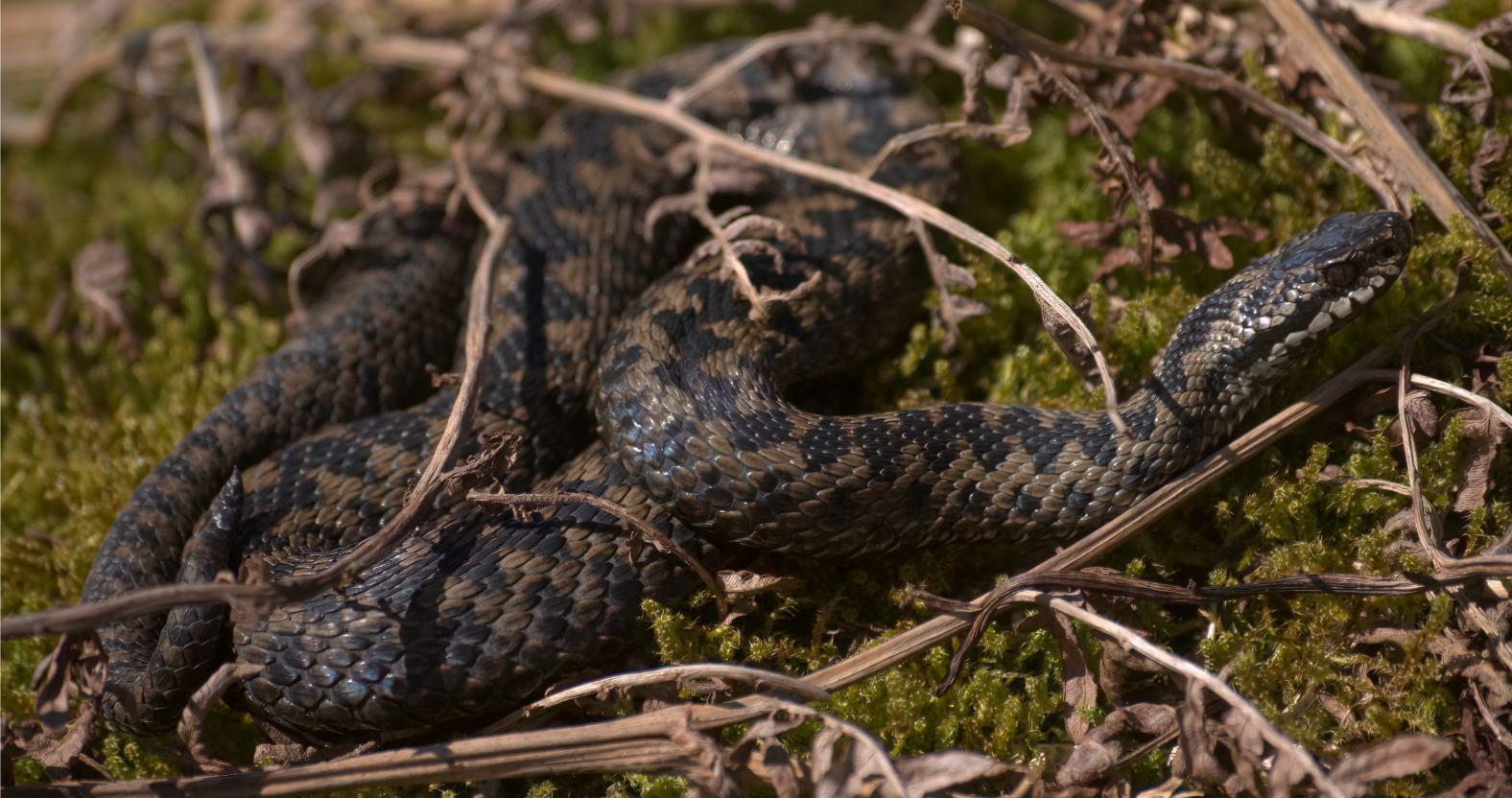
Nidderdale could be a nationally important stronghold for snakes, a landmark DNA study has found.
Researchers have found that adder populations in the dale are among the most genetically healthy and well-connected in England, a report commissioned by Natural England reveals.
The study, which used whole genome sequencing to analyse DNA from adders across four contrasting landscapes in England, found that adders in Nidderdale's upland moorland appear to form large, freely mixing populations across broad areas of continuous habitat.
This stands in stark contrast to findings from more fragmented lowland landscapes in Norfolk and Suffolk, where adder populations on separate fragments of habitat showed significantly reduced genetic diversity and higher levels of inbreeding.
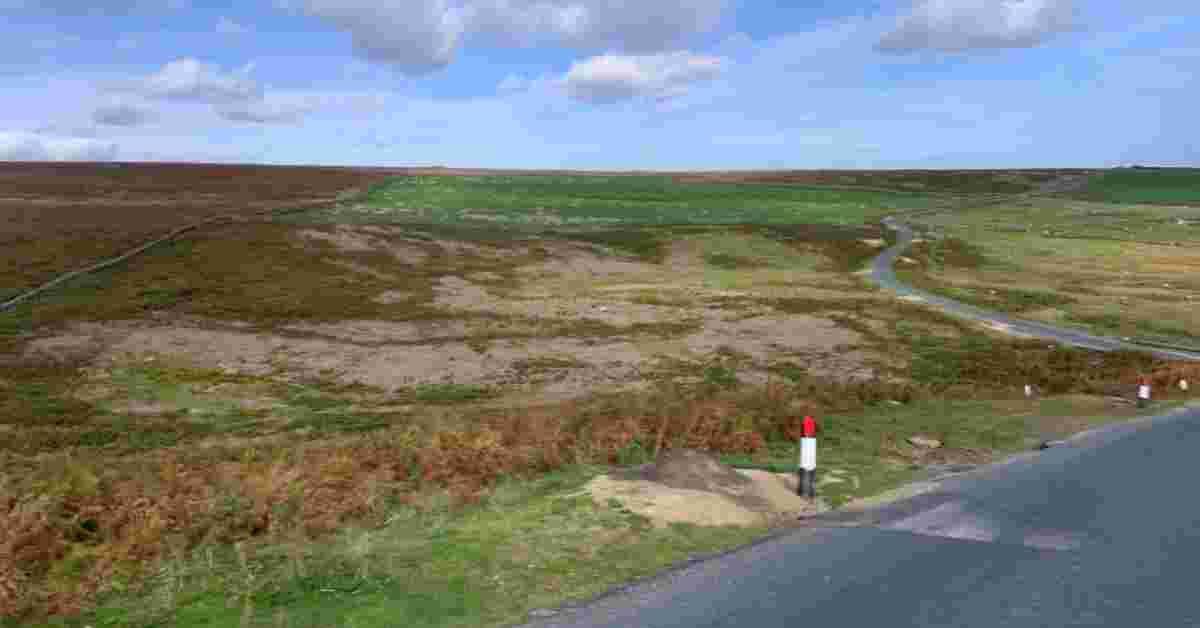
Nidderdale has vast expanses of moorland.
Adder populations across England have been declining for decades. Research published in the Herpetological Journal suggests many smaller and isolated populations are at risk of local extinction over the coming decades. Scientists now believe inbreeding – caused by fragmentation and poor connectivity between populations – may be an important contributing factor, because it can reduce resilience to disease and environmental change
The results from Nidderdale are expected to inform national conservation priorities for the species. The full Natural England commissioned report, drawing on analysis from Nidderdale, the North Pennines National Landscape, Norfolk and Suffolk, is due to be published in the summer.
Kelly Harmar, biodiversity project officer for Nidderdale National Landscape, said:
I’m fascinated by the new insights provided by the research.
The work has helped us better understand our landscape and we hope to use the research to help soften and remove barriers to species movement in Nidderdale.
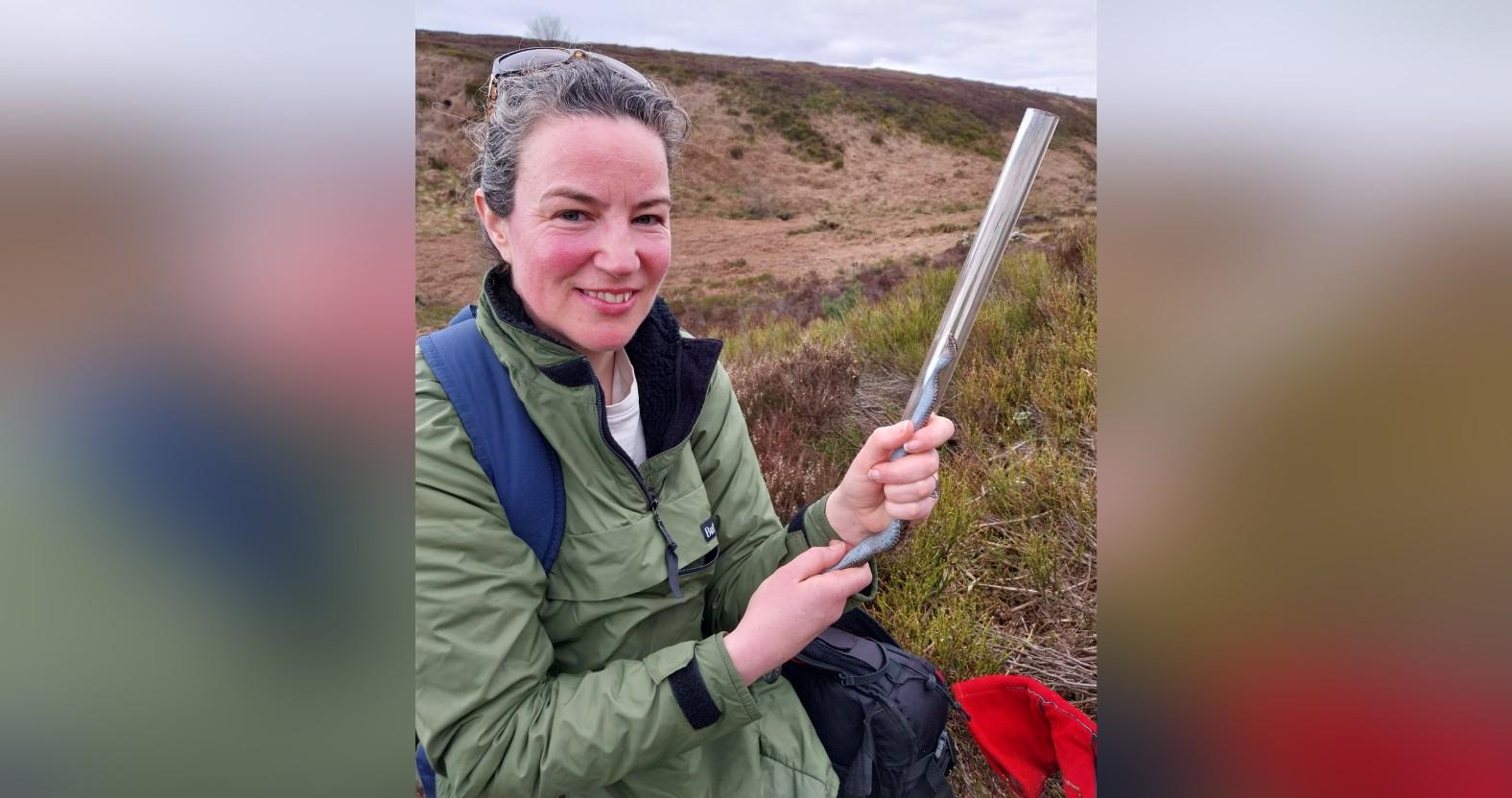
Kelly Harmar, biodiversity project officer for Nidderdale National Landscape, with an adder. Photo: Charlotte Butterfield.
Nidderdale National Landscape played a central role in the fieldwork, which took place in 2025 alongside Natural England staff, local volunteers and staff from Yorkshire Water. Teams used specialist welfare protocols and protective equipment to collect a small number of scales from adders for DNA analysis – a painless process after which each animal was released immediately on site.
The study also highlights that even in Nidderdale, genetic connectivity cannot be taken for granted. Distinct adder populations in one part of the landscape, cut off from larger areas of habitat by barriers such as a road, improved pasture, or a conifer forest show signs of reduced genetic diversity – despite appearing healthy in terms of the number of individuals present. The finding underlines how even modest barriers in a largely semi-natural landscape can fragment populations over relatively short timescales.
William Askew, genetic technology senior specialist for Natural England, said:
We are hopeful that this collaborative project demonstrates the power of landscape-scale whole-genome analyses, in identifying regions of stability and concern for the UK’s threatened species, such as the adder.
This work forms a foundation that we will build on, covering further regions. Those already analysed, such as Nidderdale, now have a baseline against which future monitoring can be referenced.
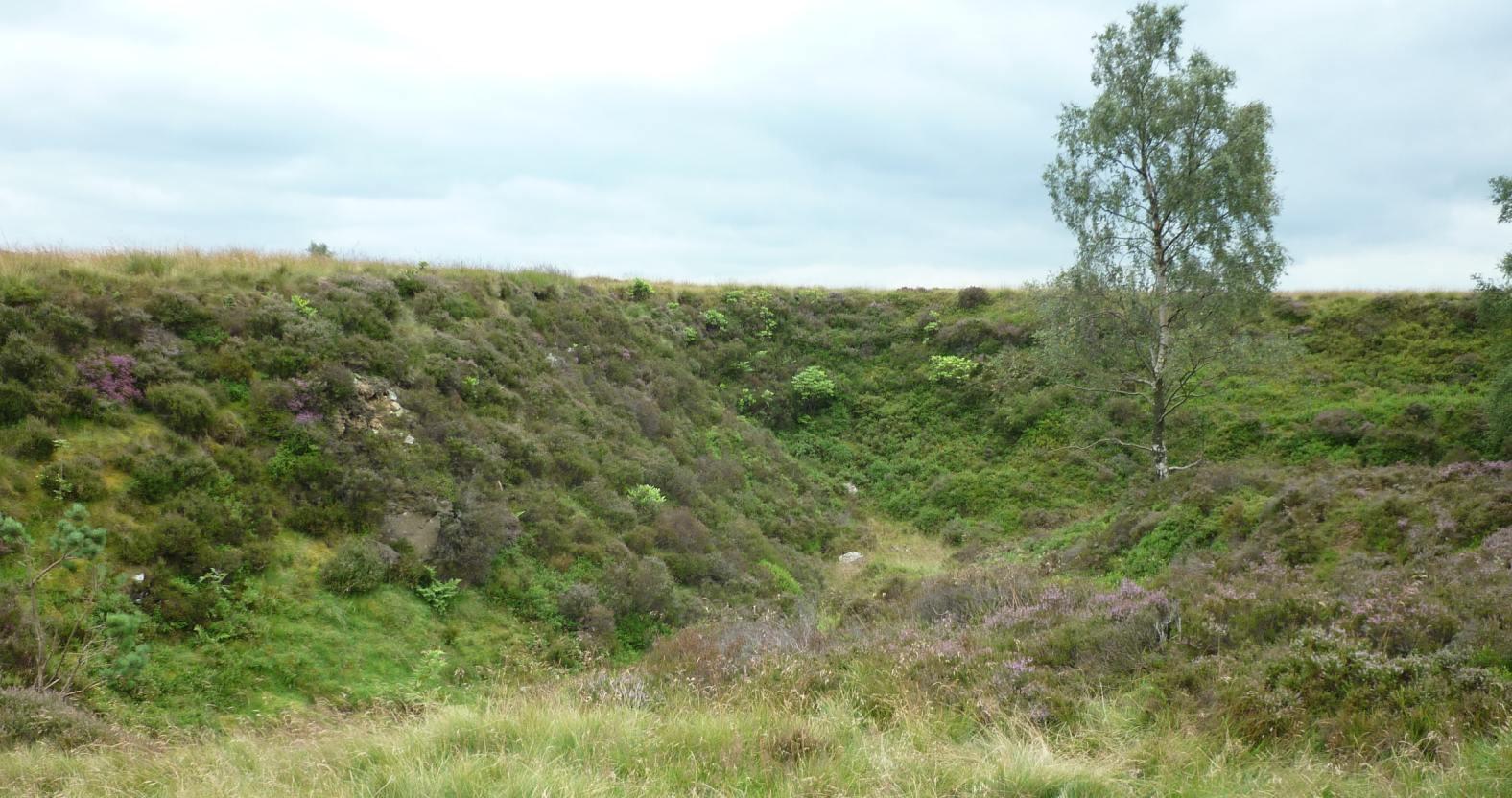
Typical adder habitat on moorland.
The adder (Vipera berus) is the UK's only native venomous snake and is legally protected under the Wildlife and Countryside Act 1981. Whole-genome sequencing – the technique used in this study – reads an organism's complete genetic code and can reveal signs of inbreeding and isolation that would be invisible to a visual survey alone.
Adders are considered an indicator of a healthy upland environment; their presence, or decline, reflects the stability of the broader habitats they depend on. The National Landscape team regards long-term species monitoring as a core part of its conservation work, alongside habitat management and its involvement in wider nature recovery projects.
Once Natural England's report has been published, Nidderdale National Landscape – formerly known as Nidderdale Area of Outstanding Natural Beauty – will share the results with the local community.
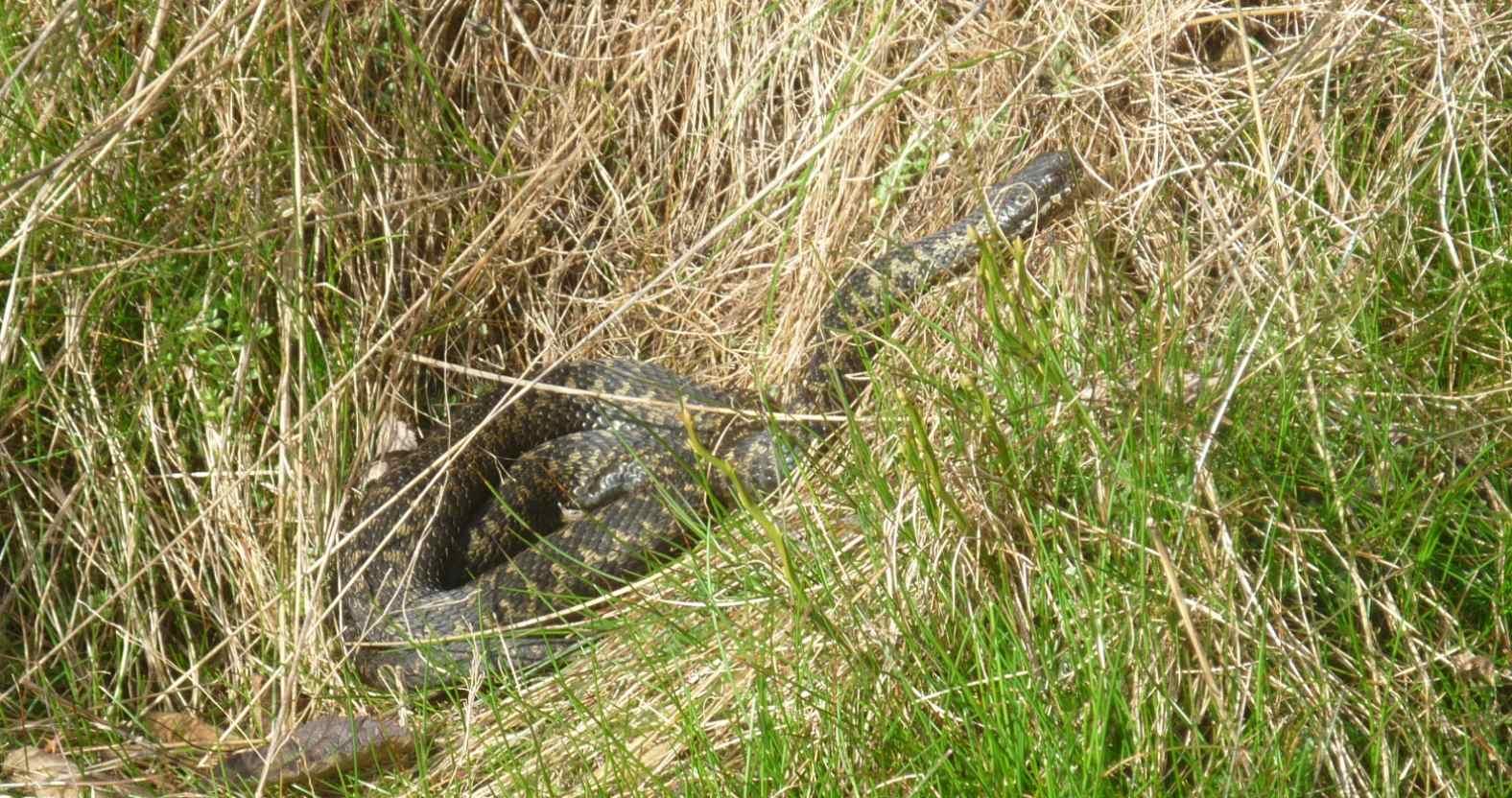
An adder in long grass.
Nidderdale National Landscape has monitored adder populations across the area for many years through its Adder Watch programme, which invites residents and visitors to submit sightings to help build a picture of where adders are present and how populations are faring.
Adder sightings in Nidderdale can be reported via the Adder Watch page on Natural England's website. For animal welfare and site security, precise survey locations are not published, and the Landscape does not encourage people to actively seek out adders or disturb them in any way.
This study is part of Natural England's Species Recovery Programme. It was commissioned by Natural England and conducted by Dr Axel Barlow and Professor Wolfgang Wüster at Bangor University and Dr Simon Maddock at Newcastle University. Natural England's project lead is Dr William Askew, Natural England's senior specialist in genetic technologies.

1