Subscribe to trusted local news
If you are accessing this story via Facebook but you are a subscriber then you will be unable to access the story. Facebook wants you to stay and read in the app and your login details are not shared with Facebook. If you experience problems with accessing the news but have subscribed, please contact subscriptions@thestrayferret.co.uk. In a time of both misinformation and too much information, quality journalism is more crucial than ever. By subscribing, you can help us get the story right.
- Subscription costs less than £1 a week with an annual plan.
Already a subscriber? Log in here.
11
Jun
North Yorkshire local plan: What does the new timeline mean and why does it matter?
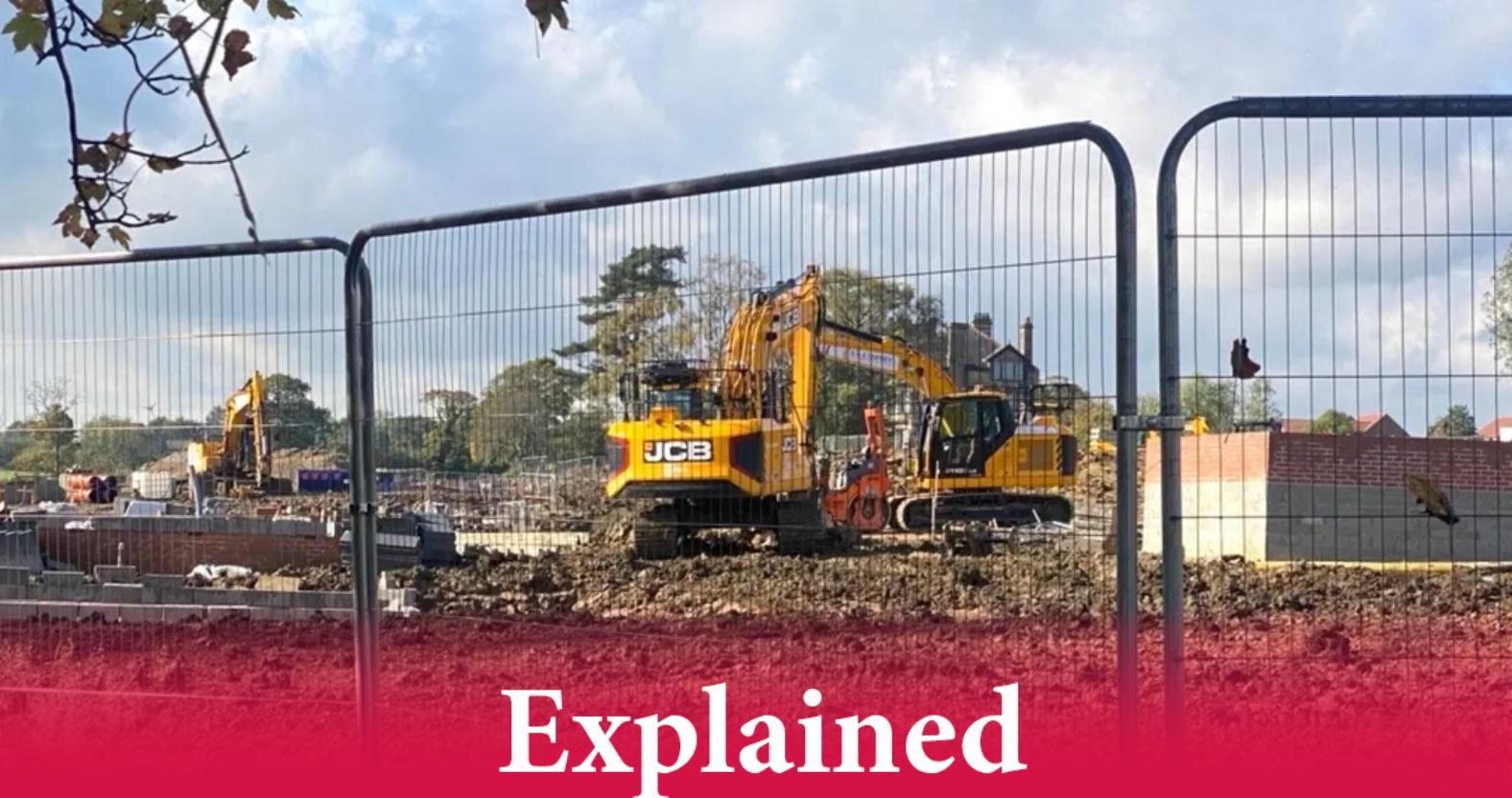
In 1,236 days time, North Yorkshire will have a new housing blueprint which will earmark land for new homes over the next 20 years.
At least that is the hope of North Yorkshire Council, which this week warned that its local plan is unlikely to be adopted until October 2029.
The adoption of the plan will be a crucial milestone for the future of the county at a time of heightened housing demand and freshly imposed government housing targets.
The council published the new timeline for the plan on Monday (June 8).
In this explainer, we look at what the new roadmap for the plan tells us.
What is the Local Plan?
The North Yorkshire Local Plan is a legal document which will set out where new houses and commercial developments can be built in the region until 2045.
It will also include policies to protect the county’s natural and built environment.
It is being drawn up by North Yorkshire Council and will supersede the local plan created by Harrogate Borough Council, which was abolished in April 2023.
The plan comes as the Labour government increased North Yorkshire’s housing targets to 4,156 a year — it had previously been 1,361 — which has increased pressure on the council to identify land for new homes.
What is the timeline?
The council was supposed to adopt a local plan within five years of its creation on April 1, 2023.
But instead of that deadline of April 2028 it is now working to an adoption date of October 26, 2029.
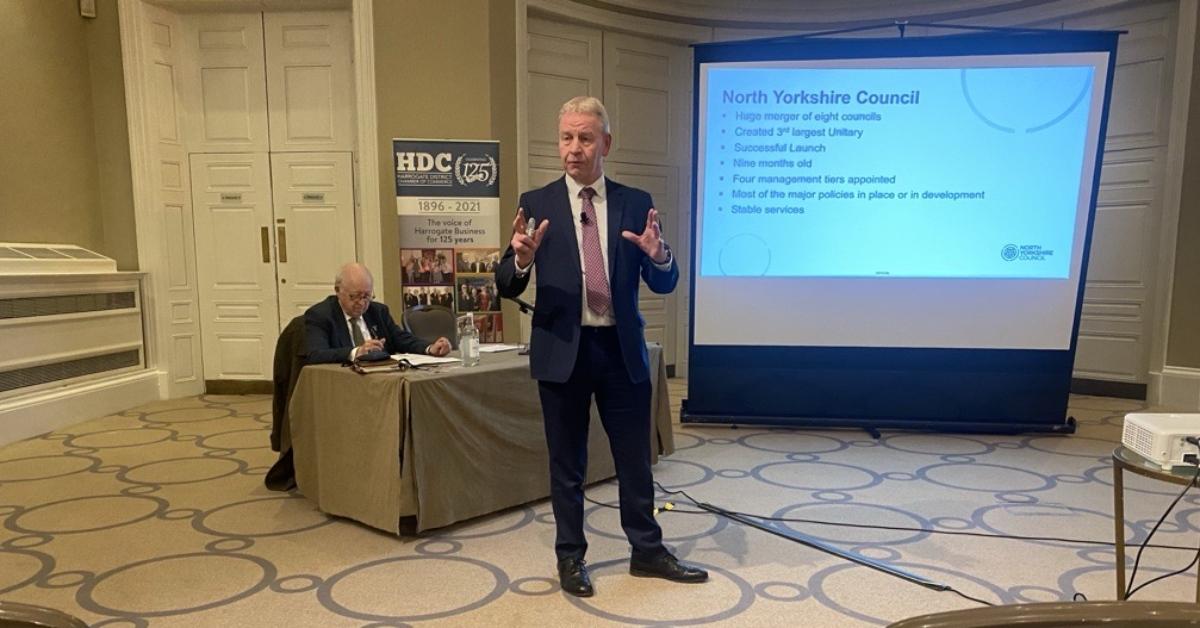
Richard Flinton speaking at a Harrogate district chamber briefing two years ago.
The council blames government changes to the planning system for the delay, including hiking its housing targets.
Richard Flinton, chief executive of North Yorkshire Council, previously warned there was a chance the authority will have to go through a number of years without a local plan, which could make it difficult to "resist speculative applications”.
Meanwhile, a report due before the council’s executive on Tuesday (June 16) describes the new timeline as “challenging”.
What does the new timeline mean?
Besides setting milestones for the new housing plan, the timeline also gives an indication of what to expect at each stage.
According to the timeline, there will be at least three consultation stages where people can have their say on the draft plan.
The council already held a first consultation into the plan last May and has opened a call for sites. This is expected to be built into the new timetable for the blueprint.
Prior to its adoption, the plan must go through another round of consultation, be published in a “pre-submission” format and be submitted to a government planning inspector where it will be examined.

The local plan timeframe
It would then need to go to a full council meeting for councillors to vote to formally adopt the housing document.
Should all go to schedule, the plan would be adopted in October 2029.
However, the council has already admitted that there is a risk of further “slippage”.
Why could it be delayed?
Drawing up a local plan is a long, arduous process which can takes years to complete and there are multiple reasons why it could be delayed further.
In a report due before senior councillors next week, council officers list 12 risks to the process which could mean the plan is pushed back further.
They include the length of the decision making process, reporting timescales, level of consultation response and the resources available to the coucnil's plan-making team.
Another key risk is the May 2027 elections, which may see a change in the political make-up of the council.
The report says:
The timing of the elections brings political uncertainty. Officers are working closely with democratic and legal services to ensure member training for any new members following the elections is prioritised.
The new timeline sets in stone the council’s goals to adopt a plan which will pave the way for new homes over the next 20 years.
But, it is possible that this timetable may yet change again.

1