Subscribe to trusted local news
If you are accessing this story via Facebook but you are a subscriber then you will be unable to access the story. Facebook wants you to stay and read in the app and your login details are not shared with Facebook. If you experience problems with accessing the news but have subscribed, please contact subscriptions@thestrayferret.co.uk. In a time of both misinformation and too much information, quality journalism is more crucial than ever. By subscribing, you can help us get the story right.
- Subscription costs less than £1 a week with an annual plan.
Already a subscriber? Log in here.
02
Apr
Exclusive: Harrogate's army college to be expanded — despite residents' gunshot concerns
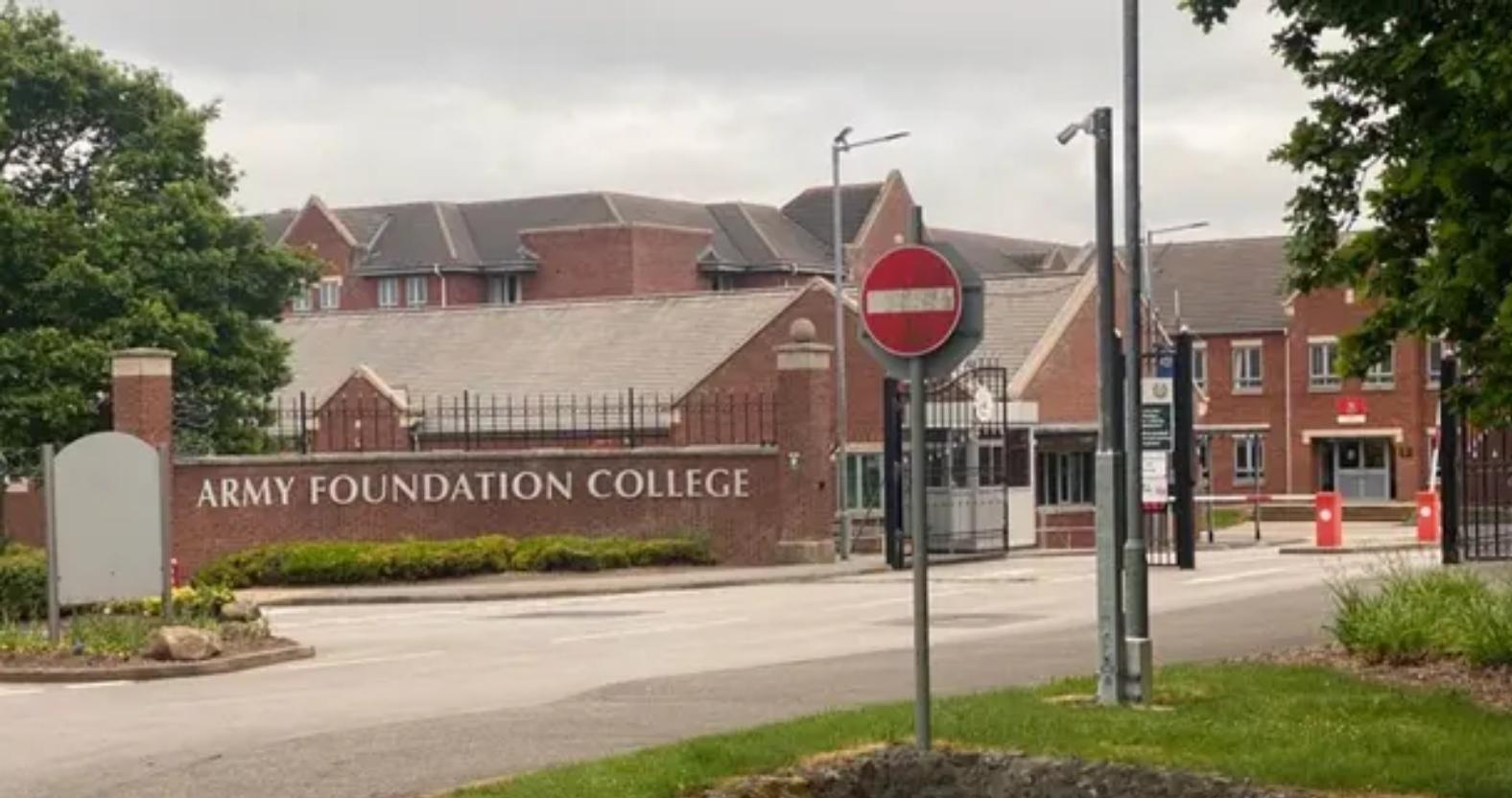
North Yorkshire Council has approved plans to expand the Army Foundation College in Harrogate — despite concerns over guns being fired just 30 metres from homes.
The college provides the only basic training for junior soldiers in the British Army.
The Ministry of Defence applied for planning permission last year to convert a 35-hectare field on Oaker Bank in Killinghall into a training area for recruits.
According to planning documents, the field next to the college will be used for training exercises, including "fieldcraft, physical training, sports and skills, and blank-firing exercises".
The MoD said the plans would improve and expand the college's facilities and reduce the need to travel to off-site training locations.
They say:
“This will have considerable benefits from a sustainability perspective, reducing travel and associated pollution."
The MoD says all training exercises will be “undertaken within the natural landscape” on the field and no new buildings will be required.
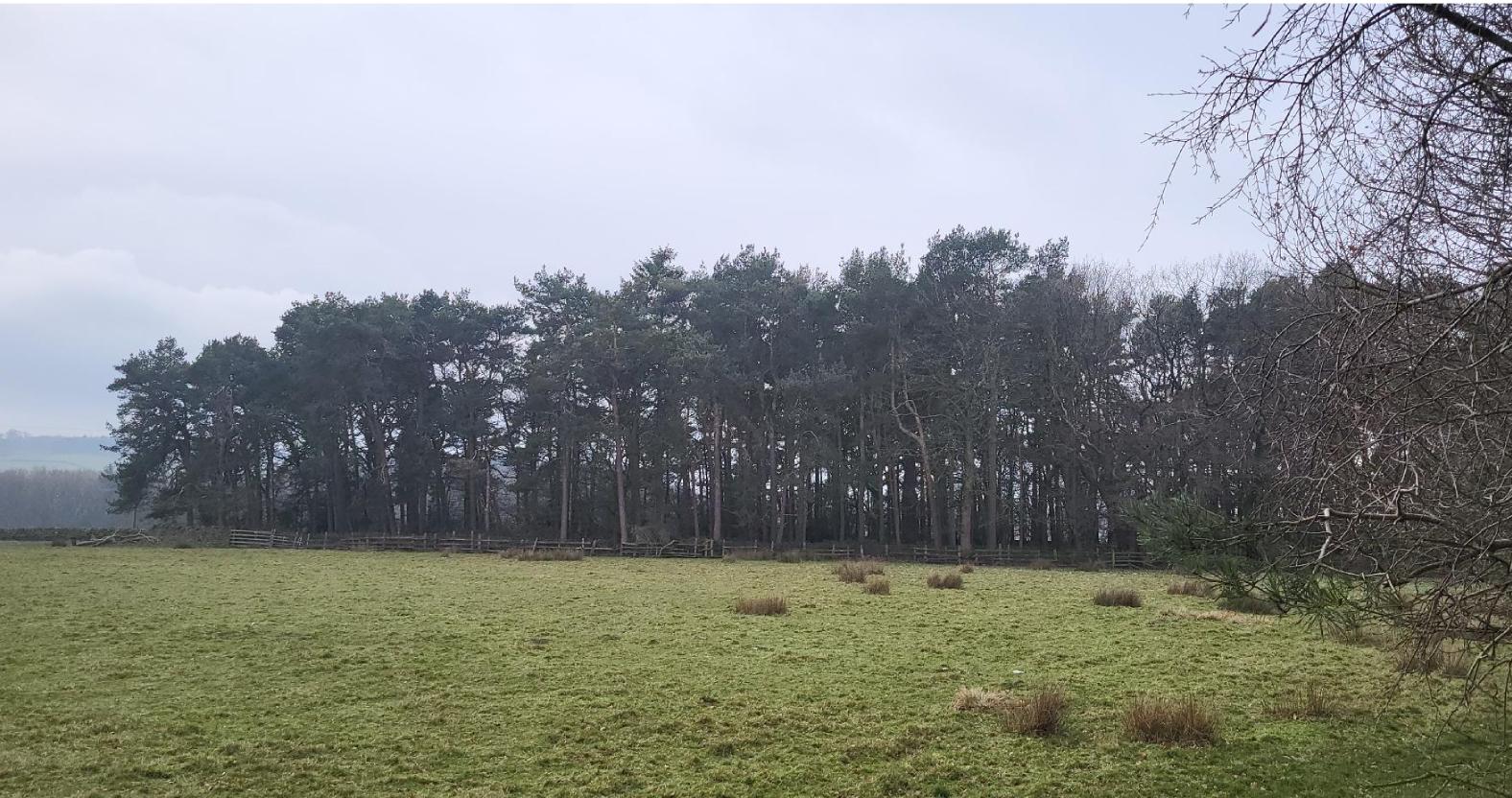
This field will form part of the new 35-hectare training facility.
Noise concerns
North Yorkshire Council has given the proposal the go-ahead, but it wasn’t welcomed by everyone.
Killinghall Parish Council said although it recognised the importance of adequate training facilities for recruits, councillors “fail to see any material consideration given to the wellbeing of existing neighbours”.
The parish council said the nearest homes on Oak Avenue would be just 30 metres from the site and raised concerns over both the location of where blanks would be fired and the noise impact.
The council’s environmental health department supported fieldcraft training and fitness sessions at the site, but said the noise of blanks being fired would lead to “unacceptable impacts”.
Thirty-five residents also objected to the plans, citing concerns over noise, the impact on agriculture and livestock, potential harm caused to wildlife and ecology and potential impacts on the landscape.
The MoD submitted a noise impact assessment, as well as additional information on noise mitigation in response to concerns.
It says the college already undertakes live blank-firing exercises on-site – within 1km of residential properties – and says such sessions at the expanded site would be limited to term-times only.
Blank-firing training will be restricted to between 8.30am and 5pm, Monday to Friday, in summer. It would reduce further to between 8.30am and 4pm in winter.
No firing sessions would take place on weekends or public holidays, and the MoD says blank-firing would be short and infrequent.
Planning documents add:
The AFC troops are used to training in sensitive areas and as such are mindful of health and safety impacts to nearby residents.
There is already a safety protocol imposed when operating with blank-firing weapons, which stipulates a safety distance for civilians of 30m. As such, a 30m buffer zone away from the boundary of the site for safety purposes will be imposed for any blank-firing activities [below].
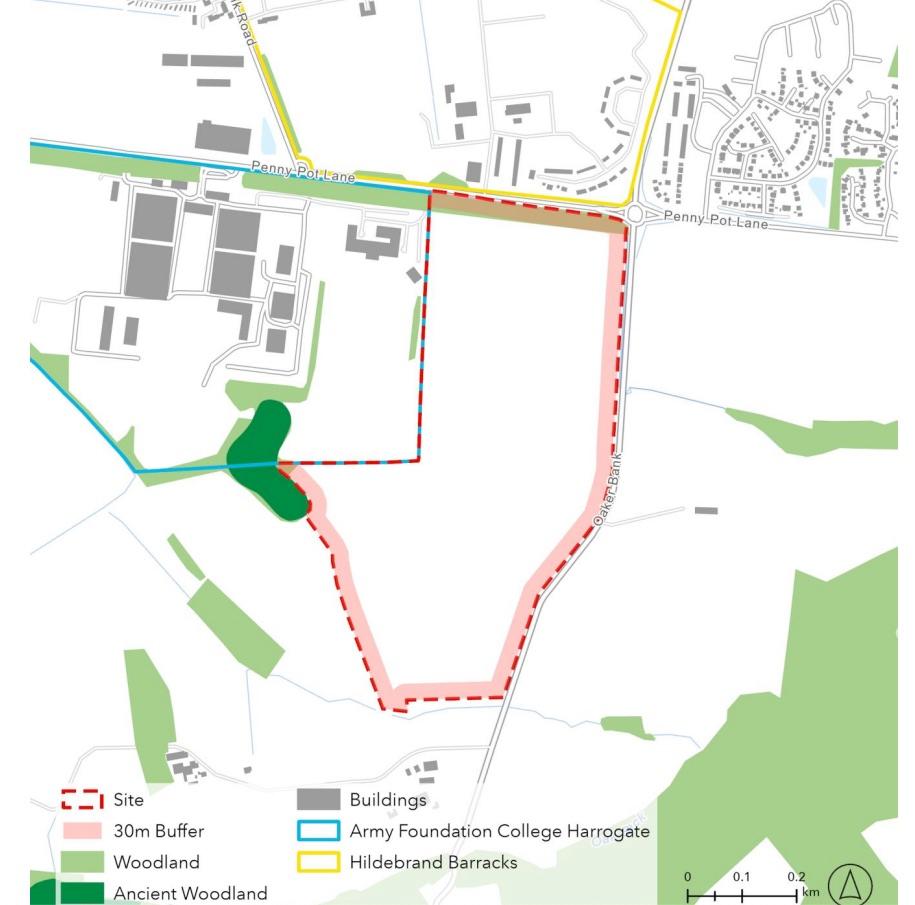
A site plan of the new training area.
Acoustic barriers
However, the council report says the MoD argued “no physical noise mitigation measures could be feasibly implemented as these military skills must be taught in natural, outdoor terrain”.
Any physical acoustic barriers would have a detrimental visual impact on the existing landscape, the report adds.
Approving the application, the council said the expanded facilities are essential to the recruits’ training objectives and “to meet strategic defence objectives”.
It adds the AFC provides “15-20% of the inflow into the British Army annually”, and the plans would have “significant national security benefits”.
The council believes the plans will reduce traffic and subsequent fuel emissions, create economic benefits and have a “neutral impact” on the surrounding landscape.
It notes the blank-firing exercises would have a “detrimental impact” on neighbouring properties, but adds the MoD has agreed to conditions limiting the times in which the sessions would take place.
The plans were approved subject to conditions.
MoD response
The Stray Ferret contacted the MoD, which has been dogged by allegations of abuse and bullying in recent years, for more details on the plans, including how much the project will cost and what exactly will take place at the expanded site.
The MoD told the Stray Ferret it has purchased land abutting the college to conduct “low-level training activities”.
It also said:
Training will include confidence building exercises, basic soldiering and tactical skills such as blank-firing exercises. Timings of this will be strictly restricted to consider disturbance to residents.
The MoD did not disclose the amount spent on purchasing the land, but said it has “no plans to build or spend extra money” on it.
Securing the land means junior soldiers no longer need to travel off-site for exercises, the MoD said, which will save time and money, and reduce the army’s carbon footprint.
 Supportive and inclusive or a culture of violence: What's the real story behind Harrogate Army Foundation College?Ex-Harrogate Army Foundation College recruit – and friend of Jaysley Beck – believes nothing will changeRape and sexual assault reported at Harrogate's Army Foundation CollegeNew sexual misconduct figures at Harrogate Army Foundation College revealed
0