Subscribe to trusted local news
In a time of both misinformation and too much information, quality journalism is more crucial than ever. By subscribing, you can help us get the story right.
- Subscription costs less than £1 a week with an annual plan.
Already a subscriber? Log in here.
04
Jan
North Yorks Police: Sex crime charge rates ‘could and should be better’
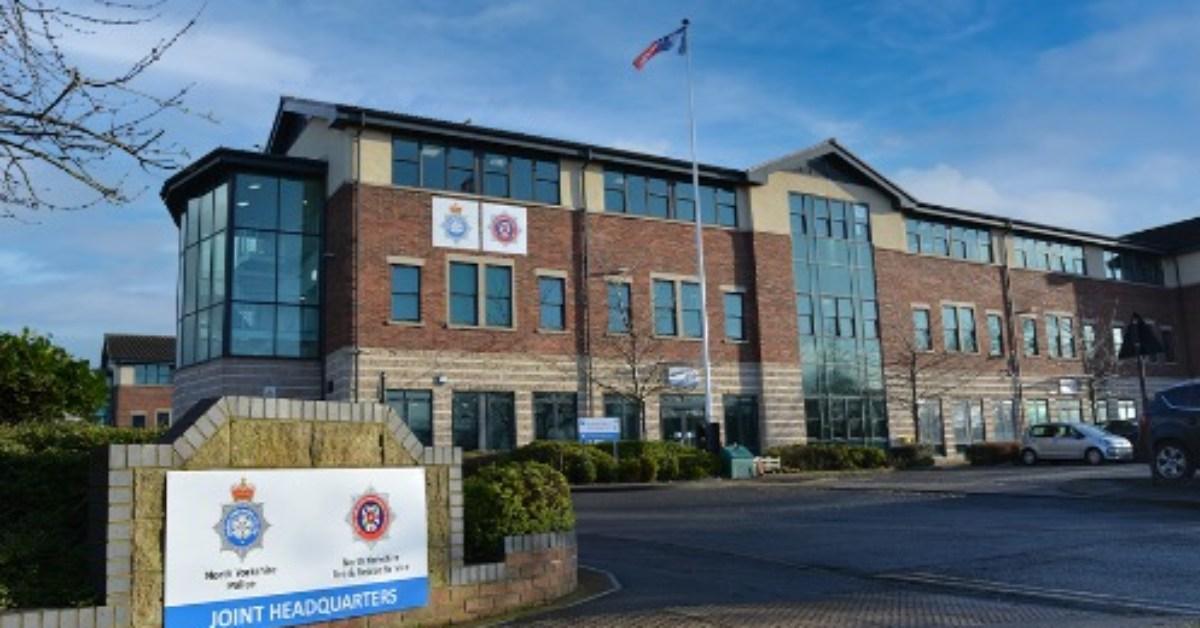
North Yorkshire Police has said charge rates for local sex crimes could be better – despite being among the highest in the country.
The news comes after the Stray Ferret submitted a freedom of information request to the force seeking the number of sex crimes reported between January 1, 2023, and November 25, 2025.
We asked police to break the figures down by location across the Harrogate district - Harrogate, Knaresborough, Ripon, Boroughbridge, Pateley Bridge and Masham – and by the nature of the alleged offences, as well as how many allegations led to an arrest and a charge.
According to the data, of the 859 sex crimes reported across the Harrogate district since January 1, 2023, just 61 led to a charge – around 7%.
In Harrogate, which saw the highest number of reported sex crimes, just 7% resulted in a charge.
Of the 112 allegations made in Ripon, 10% led to a charge. Of the 39 reports in Masham and Pateley Bridge combined, none resulted in a charge.
You can find a breakdown of the number and nature of reports made to the force, as well as the number of arrests and charges made, below.


North Yorkshire Police told the Stray Ferret that although charge rates appear low, “care should be taken when interpreting” the figures as many cases are still active.
A spokesperson for the force said:
Sexual offences are among the most serious crimes we investigate. They have a profound effect on victims and can be complex investigations which have to be approached thoroughly but also compassionately.
While these statistics illustrate the quantity of reports we receive, care should be taken when interpreting them.
The arrest/charge rates will all appear lower than they really are because a significant number of the reports in the timescale requested in this FOI will currently be under investigation. Rape and serious sexual offence cases can have long investigation times due to the nature of the investigation and the need to build robust cases.
They added in some instances, individual offenders can commit multiple offences, which means the figures will show more reports than offenders.
“That means, again, it’s not possible to calculate arrest/charge rates from this data”, the spokesperson said.
They told the Stray Ferret:
It’s also really important to understand that some people report a crime to us then choose to use victim support services even if a prosecution can’t be pursued, for example in cases where the suspect is no longer alive.
While North Yorkshire Police’s charge rate for rape last year was around twice the national average, all this will be little consolation to anyone who’s been the victim of a sexual offence. They can be truly devastating crimes. We know the outcome rates should and could be better and applies across the country.
‘Levels of sexual violence are still far too high’
The Stray Ferret put the figures to Jo Coles, York and North Yorkshire’s Labour deputy mayor for policing, fire and crime.
Ms Coles said more work was required to tackle sexual abuse and violence.
She said the “prevalence of reported incidents of violence against women and girls” was closely monitored to ensure services are “effectively targeted” and victims can access the right support.
Ms Coles added:
This work is already underway, and we’ve recently highlighted the progress being made during the 16 days of activism to tackle violence against women and girls.
We have opened our brand new Sexual Assault Referral Centre at Acer House (in Upper Poppleton), in September we introduced our ‘Start Safe Stay Safe’ app to make it easier for people to record street harassment when it happens, as well as launching a new online service directory showing all the support services available locally.
We are determined to ensure we play our part to the full and will continue to work closely with all local partners to deliver the changes we need.
The Stray Ferret also put the figures to IDAS, a charity that supports people in the north of England who have been affected by sexual violence and domestic abuse.
Carmel Offord, engagement manager at IDAS, said the data is “only the tip of the iceberg, as many people never report what happened to them”.
Ms Offord added:
Those who do report often withdraw because of long delays and repeated postponements, which prolong trauma and undermine confidence in the process. This reflects a criminal justice system that is slow, adversarial, and still fails too often to hold perpetrators to account.
The system must do better and survivors must know they will be supported, she told the Stray Ferret.

0