02
Jan
Reader’s Letter: Harrogate looks busy — so why are pubs and bars closing?
This story is free to read. For access to all our content, please subscribe. We rely on subscriptions to keep providing news that matters. Click here to get started.
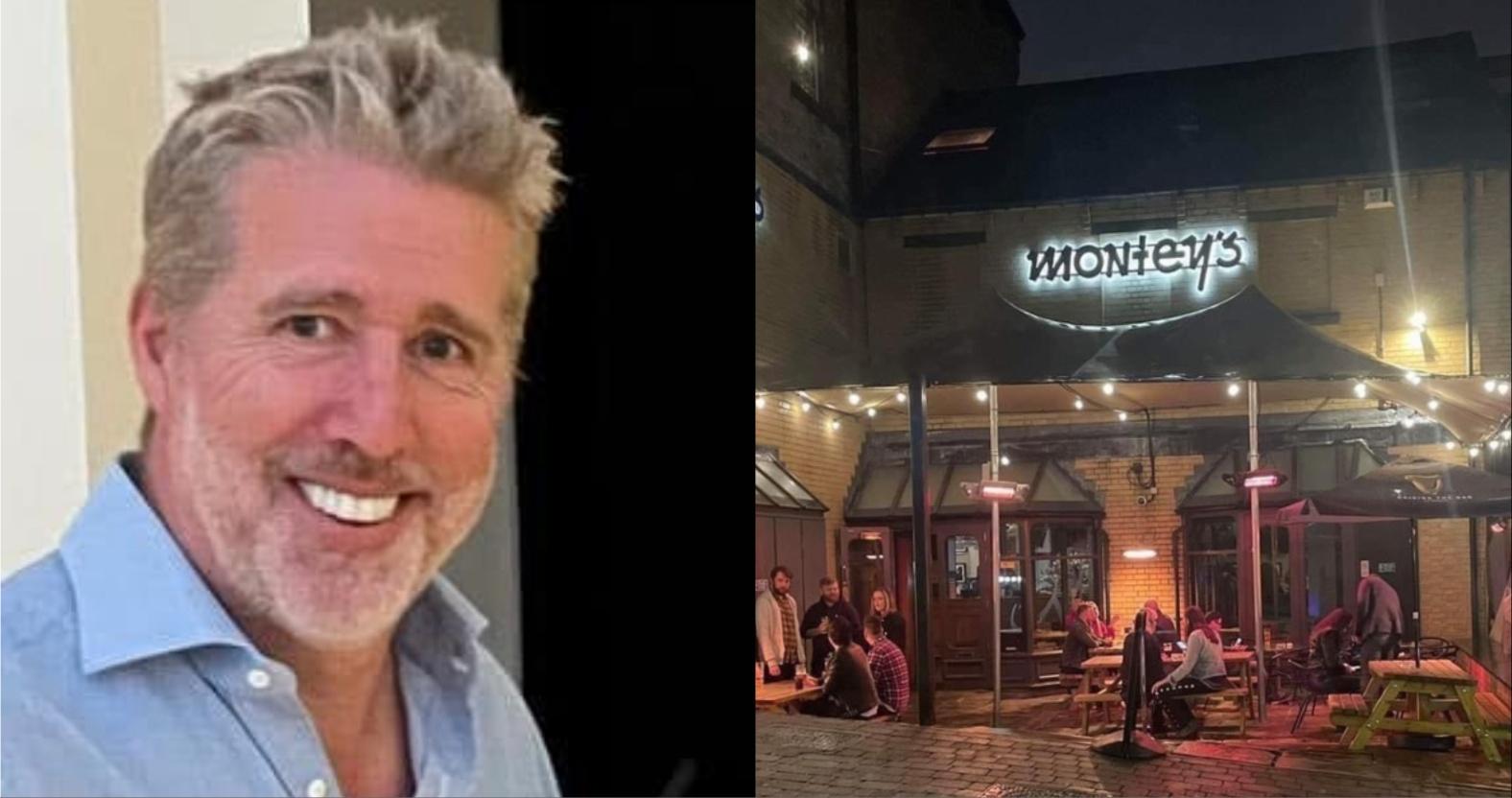
This letter was sent by Jay Smith, owner of Montey’s in Harrogate. The independent bar has been a permanent fixture on The Ginnel for almost 30 years. Mr Smith wanted to shed some light on why local bars might close, despite looking busy.
Walking through Harrogate on a Saturday night, it still looks like a town that enjoys going out. Bars are busy, restaurants are full and there’s a real buzz in the air.
Which is why when a pub or bar announces it’s closing, people are often genuinely shocked. Comment sections fill up quickly and explanations follow just as fast.
“The rent must have doubled.”
“It was always packed — how can it be struggling?”
“Someone’s mismanaged it.”
The truth is less dramatic, but far more important to understand — especially if we care about the kind of town Harrogate becomes.
Busy doesn’t mean profitable
This is the first misconception to tackle.
Most pubs and bars operate on margins of around 6–8% in a good year. That’s not after a quiet period — that’s when things are going well.
That means for every £100 taken across the bar, £92–£94 is already gone before the owner sees a penny.
Staff, suppliers, utilities, insurance, maintenance and taxes — all fixed, all unavoidable, all rising.
A busy night doesn’t change that, it just delays the reality.
The rent myth — and why it misses the point
Contrary to popular belief, venues don’t usually close because a landlord suddenly doubles the rent. Commercial leases just don’t work that way.
Rent is often one of the more predictable costs, especially for long-standing businesses. When pubs and bars close, it’s rarely because one bill exploded overnight. It’s because multiple pressures creep up together, slowly eroding a margin that was never large to begin with.
Harrogate is doing something right — that matters
Here’s the part that often gets missed.
Harrogate punches above its weight when it comes to independent hospitality. We have owner-run pubs, bars and restaurants that care deeply about what they do — about service, atmosphere and the experience they give people.
That doesn’t happen by accident.
Independents spend money locally, employ local people, reinvest in buildings, teams and training, and create places that feel like Harrogate.
When you spend money in an independent venue, most of it stays in the town.
That isn’t always the case with large national chains, where profits, purchasing and decision-making are centralised elsewhere. There’s nothing wrong with chains existing — but a town made up entirely of them quickly loses its personality.
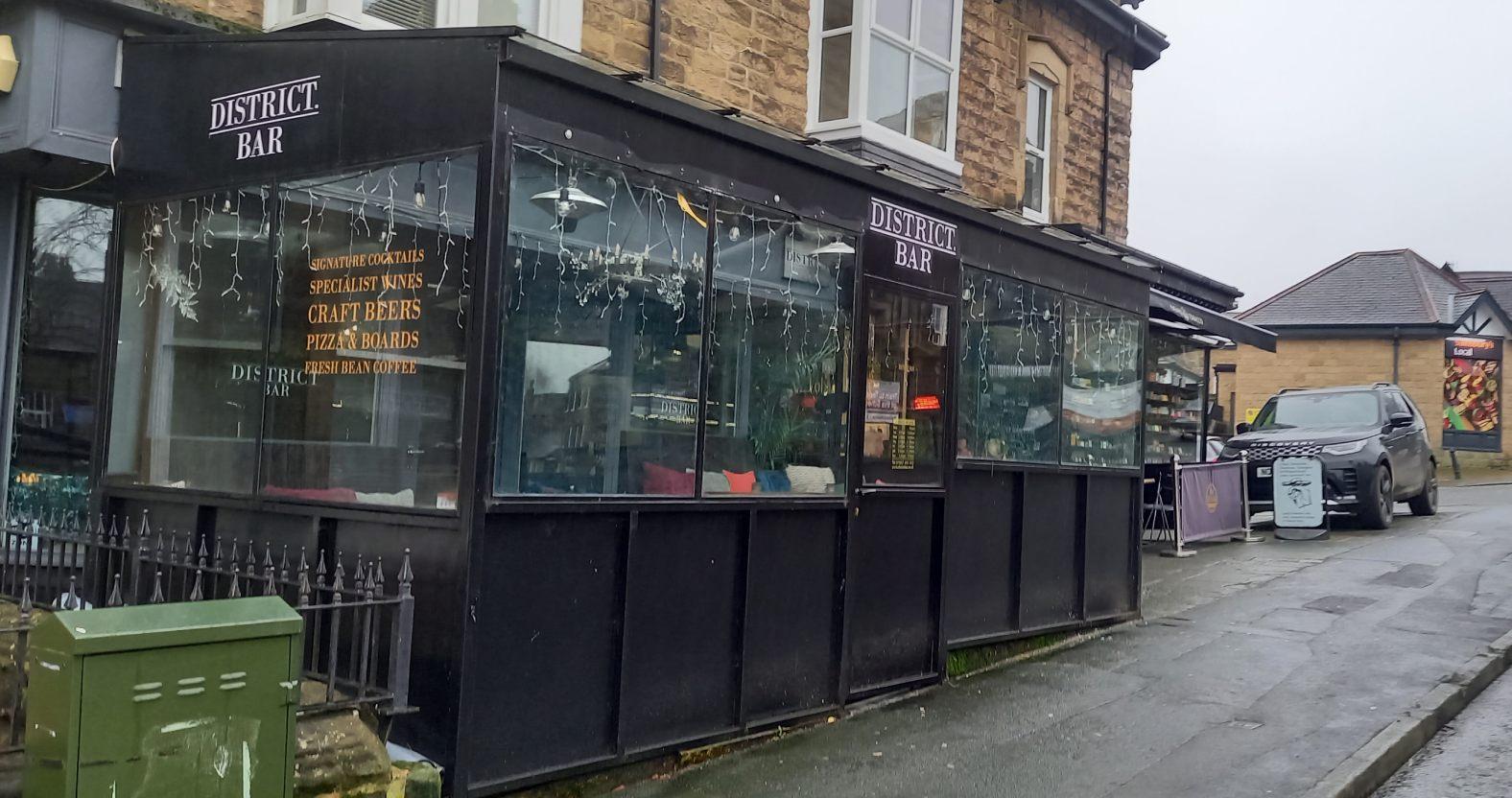
The owner of District Bar on Cold Bath Road recently appealed for support from the community to stay open.
The costs people never see
Pubs and bars are people businesses. That’s the joy of them — and the challenge.
Staff costs typically sit at 30–40% of turnover. When wages rise, as they should, those increases ripple through every role. Every rise also increases employer National Insurance and pension contributions.
Then there are business rates — a tax based not on profit, but on a theoretical value nobody seems able to defend.
In many cases, business rates are now higher than the rent paid to occupy the building. They’re payable whether a venue is profitable or not, and they don’t fund local services in the way council tax does — they go straight to central government. This is why the system has been repeatedly criticised by UK Hospitality.
Why opening hours are shrinking
When margins are this tight, businesses adapt quietly.
They don’t shout about it. They just open fewer days, close earlier midweek and trim back where they can.
From the outside, it can look like a choice. In reality, it’s survival through restraint.
What this means for Harrogate’s future
Harrogate doesn’t risk losing hospitality altogether, it risks losing variety.
The places that go first are not the ones doing everything wrong. They’re often the ones doing things properly — investing in people, standards and atmosphere.
And once those independents are gone, they don’t get replaced easily.
I’ve been in this industry for almost 30 years and Montey’s is proud to still be part of Harrogate.
This isn’t a warning or a plea, it’s context.
If we want to understand why pubs and bars are closing, why hours are shrinking, and why the mix on the high street is changing, we need to move past easy explanations and look at how this industry actually works.
Harrogate deserves a hospitality scene with character, choice and quality, and that depends on understanding the pressures behind the scenes, not just what’s visible on a busy Saturday night.
Next time you reach for your phone to order a takeaway, maybe pop into town to collect it and have a drink in an indie while you wait. Your local pub, bar or takeaway will be delighted to see you, and that food order won’t cost the restaurant 30% in fees to the owner of the delivery app.

0