Subscribe to trusted local news
If you are accessing this story via Facebook but you are a subscriber then you will be unable to access the story. Facebook wants you to stay and read in the app and your login details are not shared with Facebook. If you experience problems with accessing the news but have subscribed, please contact subscriptions@thestrayferret.co.uk. In a time of both misinformation and too much information, quality journalism is more crucial than ever. By subscribing, you can help us get the story right.
- Subscription costs less than £1 a week with an annual plan.
Already a subscriber? Log in here.
15
Apr
Why we all may soon have to pay to use toilets in the Harrogate district
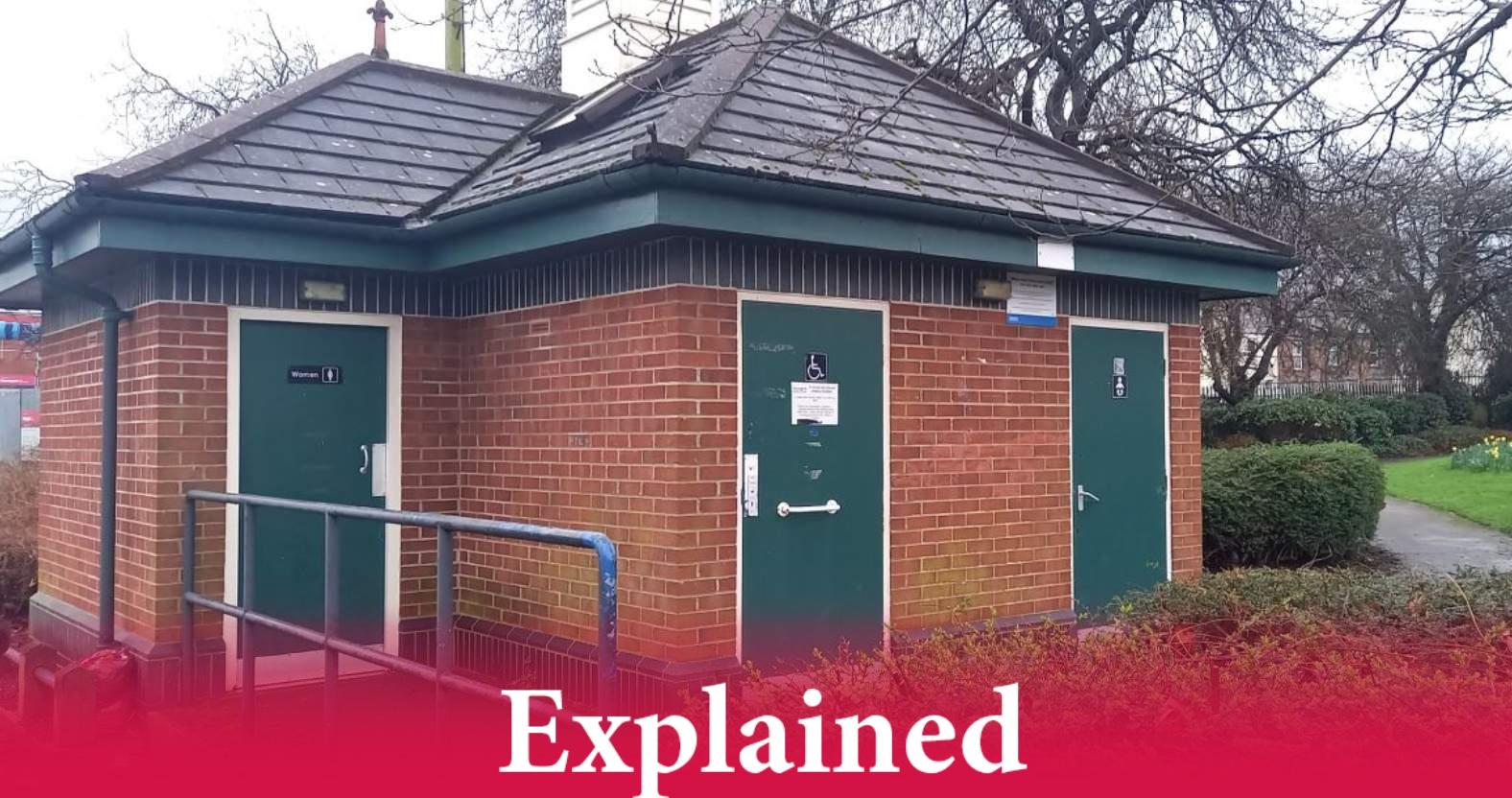
On Monday morning, a press release issued by North Yorkshire Council revealed that we all may soon have to pay to use public toilets.
The new policy, which will be discussed at a council executive meeting next week, will suggest charging people 40p to 50p to use facilities in the Harrogate district and elsewhere.
The move comes as the Conservative-run authority set up a cross-party public conveniences working group last year to find ways to operate and develop public toilets across the county.
But why is it proposing to charge for the use of facilities? In our Q/A below, we breakdown how the council has arrived at this proposal.
What is the situation with public toilets?
North Yorkshire has the largest network of public toilets in the UK. Of the 93 toilets, 65 are free to use.
It inherited most of the toilets after it took over from district councils, including Harrogate Borough Council, in April 2023.
Councils are not legally obliged to provide toilets and they are expensive to run. North Yorkshire Council expects to lose £260,000 providing the service in 2025/26.
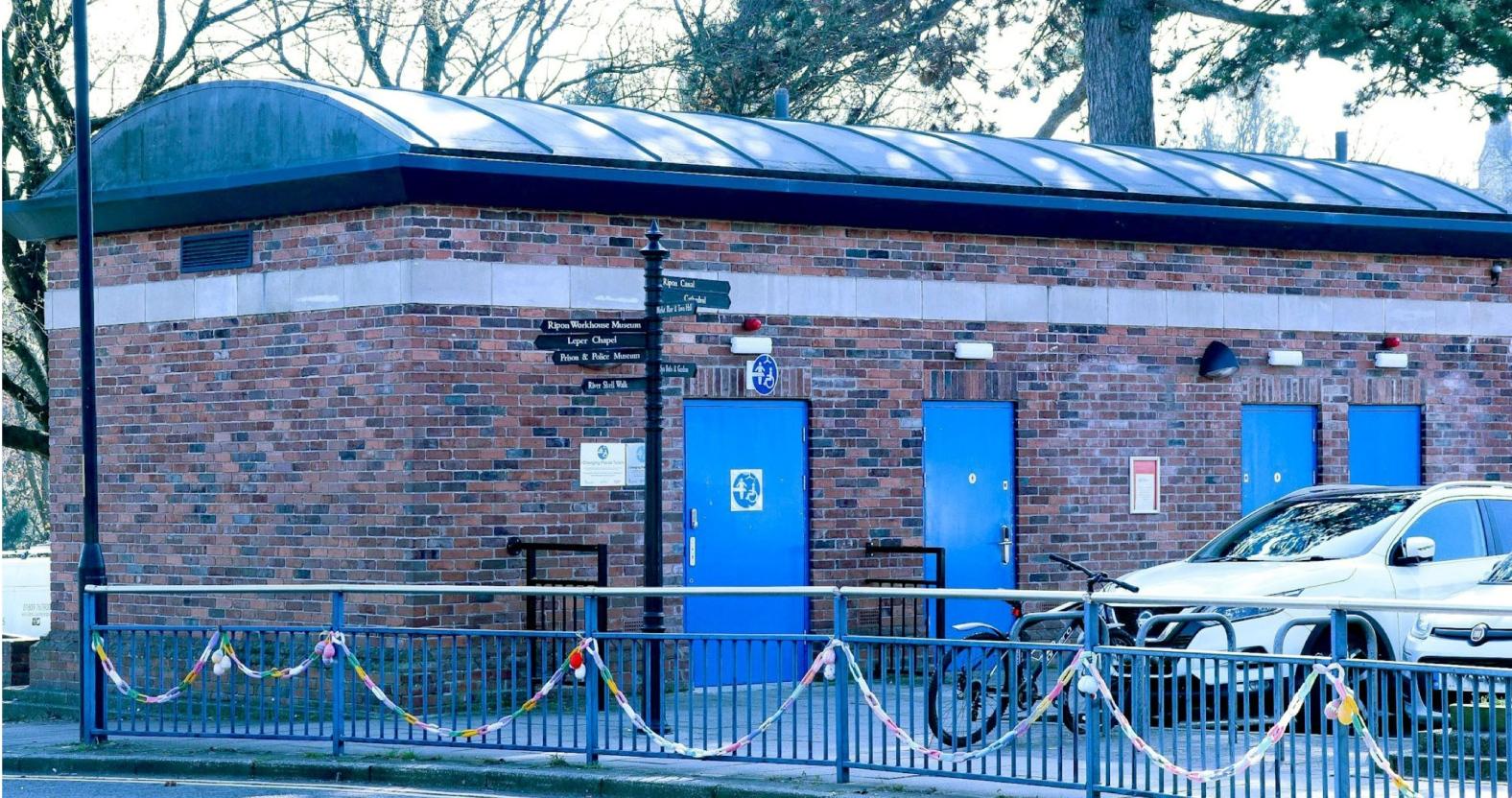
The public loos in Ripon.
As a result, it has sought to find a new way to approach operating and improving the facilities in the coming years.
What does it propose to do?
The headline proposal this week is that the council intends to charge 40p to 50p for the use of toilets.
This will mean that those that are currently free to use will soon become charged-for facilities.
However, in its report, the council pointed out where it cannot implement charging infrastructure for toilets it will install “physical or digital honesty boxes”.
But that is not the only proposal.
Some of the council’s public conveniences are in poor condition, have low usage or are already near other loos.
As a result, it plans to close some of these toilets. However, this will be done in consultation with town and parish councils who may wish to take over the operation of such facilities.
The council added that any capital receipts from the rationalisation of such assets would be “ring-fenced and reinvested into improving the remaining network”.
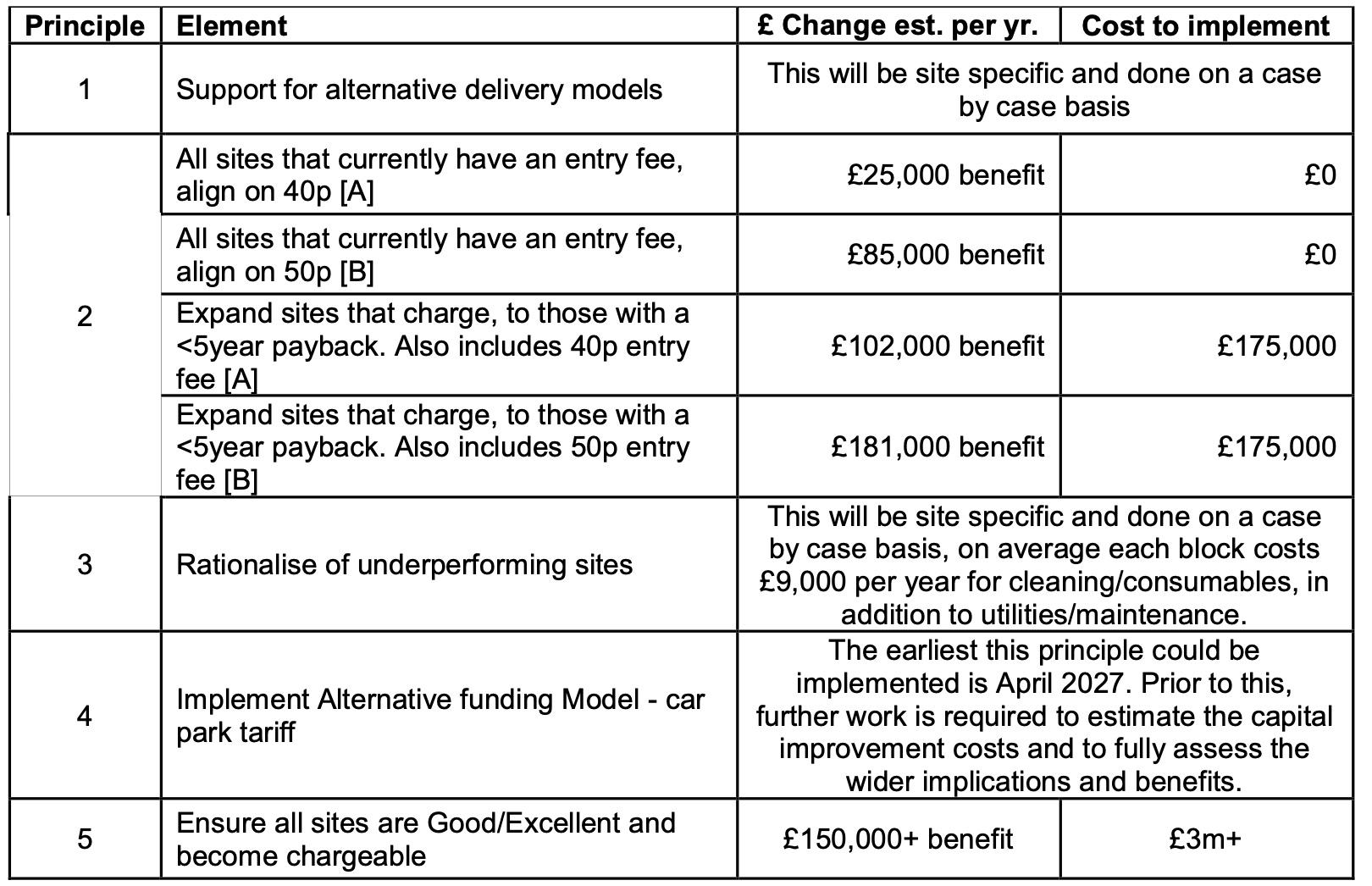
The five principles for operating public toilets and the cost benefit. Picture: NYC.
The policy is part of a set of five principles drawn up by the council on how it intends to approach operating public toilets.
These include:
- Setting a consistent entry fee of either 40p or 50p per user across the county where appropriate.
- Identifying opportunities for financial support and seeking external funding to enhance and sustain the service.
- Exploring alternative funding streams, including honesty boxes, app-based donations, advertising, sponsorship, and community partnerships.
- Committing funds to upgrade and modernise sites by 2030.
- Continue and expand Changing Places provision for people with profound disabilities, with help from external funding.
So why do we have to pay?
The council’s policy of charging for public toilets is to offer a “consistent entry fee policy”.
In its report, the authority points out that charging for public conveniences is common in other local authority areas, such as Durham and York.
But, the main reason for charging is to ensure that the service is financially viable.
The council report says:
To ensure the network operates on a sound and sustainable financial basis, a standard entry fee will be introduced at all sites, where it is practical and effective.
What happens now?
The council’s executive will meet to discuss and vote on the policy on Tuesday, April 21.
Should they be approved, the council will also spend £177,000 to expand the range of sites that levy a charge and to trial donation points.

0