Subscribe to trusted local news
If you are accessing this story via Facebook but you are a subscriber then you will be unable to access the story. Facebook wants you to stay and read in the app and your login details are not shared with Facebook. If you experience problems with accessing the news but have subscribed, please contact subscriptions@thestrayferret.co.uk. In a time of both misinformation and too much information, quality journalism is more crucial than ever. By subscribing, you can help us get the story right.
- Subscription costs less than £1 a week with an annual plan.
Already a subscriber? Log in here.
26
Feb
North Yorkshire Council under fire for 'shameful' approach to food waste recycling
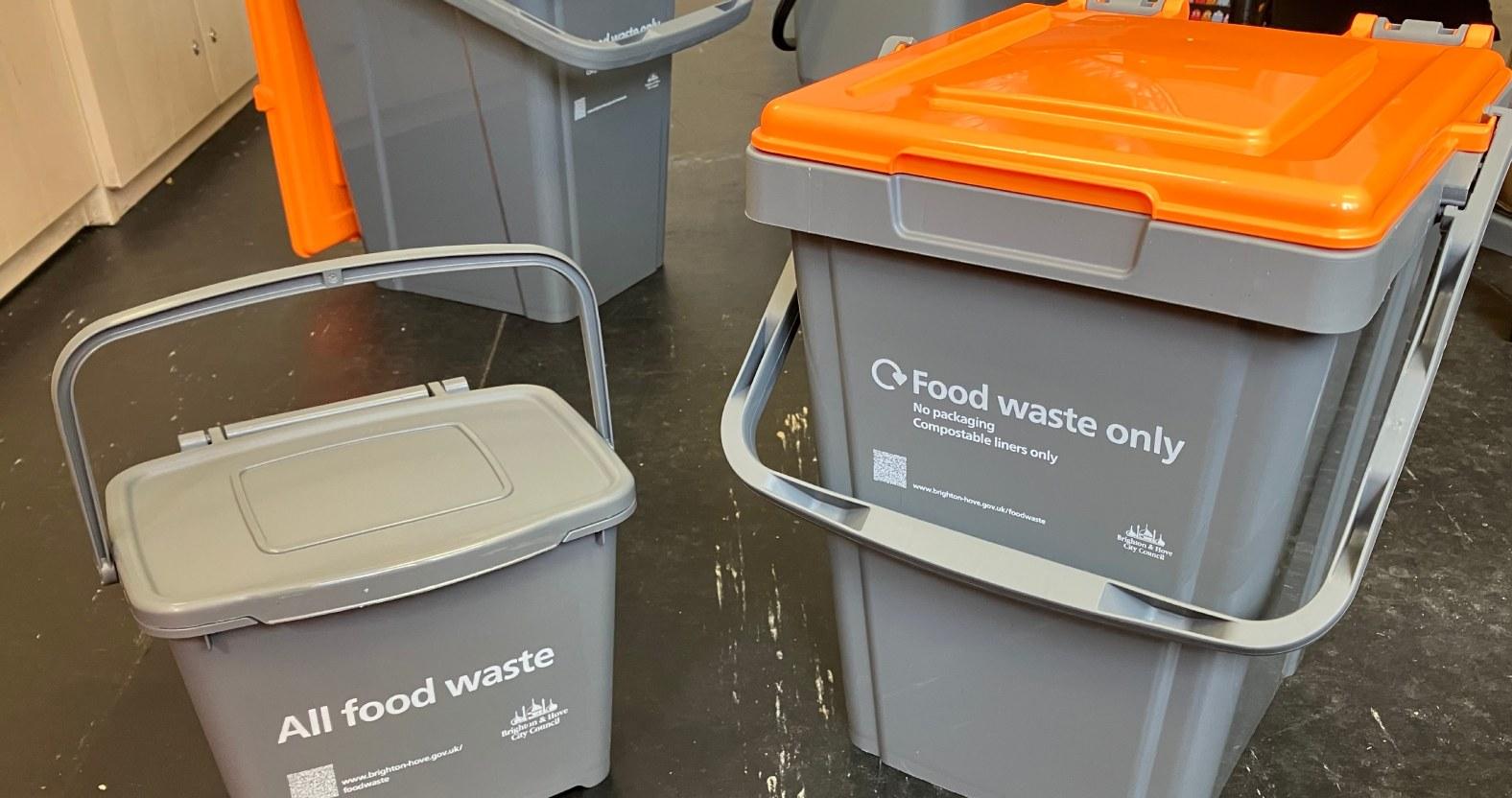
North Yorkshire is among the quarter of councils across England that will miss the upcoming deadline for weekly food waste collections, in what a Green Party councillor has slammed as a “shameful, self-sabotaging and expensive” failure.
The Department for Environment, Food & Rural Affairs (Defra) has said “every household in England” should receive weekly food waste collections from March 31, 2026 as part of new legislation.
However, a BBC investigation this week revealed more than 70 councils — including North Yorkshire — will be unable to meet this timeline.
Delays have been attributed to high demand for specialist collection vehicles and funding challenges, despite more than £340 million in grants from Defra.
North Yorkshire Council has been granted a transitional arrangement by the government, giving the county until February 1, 2043 to fully implement weekly food waste collections.
This deferral is due to the council's ongoing contract with Allerton Waste Recovery Park until 2043.
No food-waste collections
AWRP already treats organic waste, including food waste, through anaerobic digestion.
This process captures biogas and uses it to generate renewable electricity, ensuring food waste is managed sustainably and contributes to low-carbon energy generation.
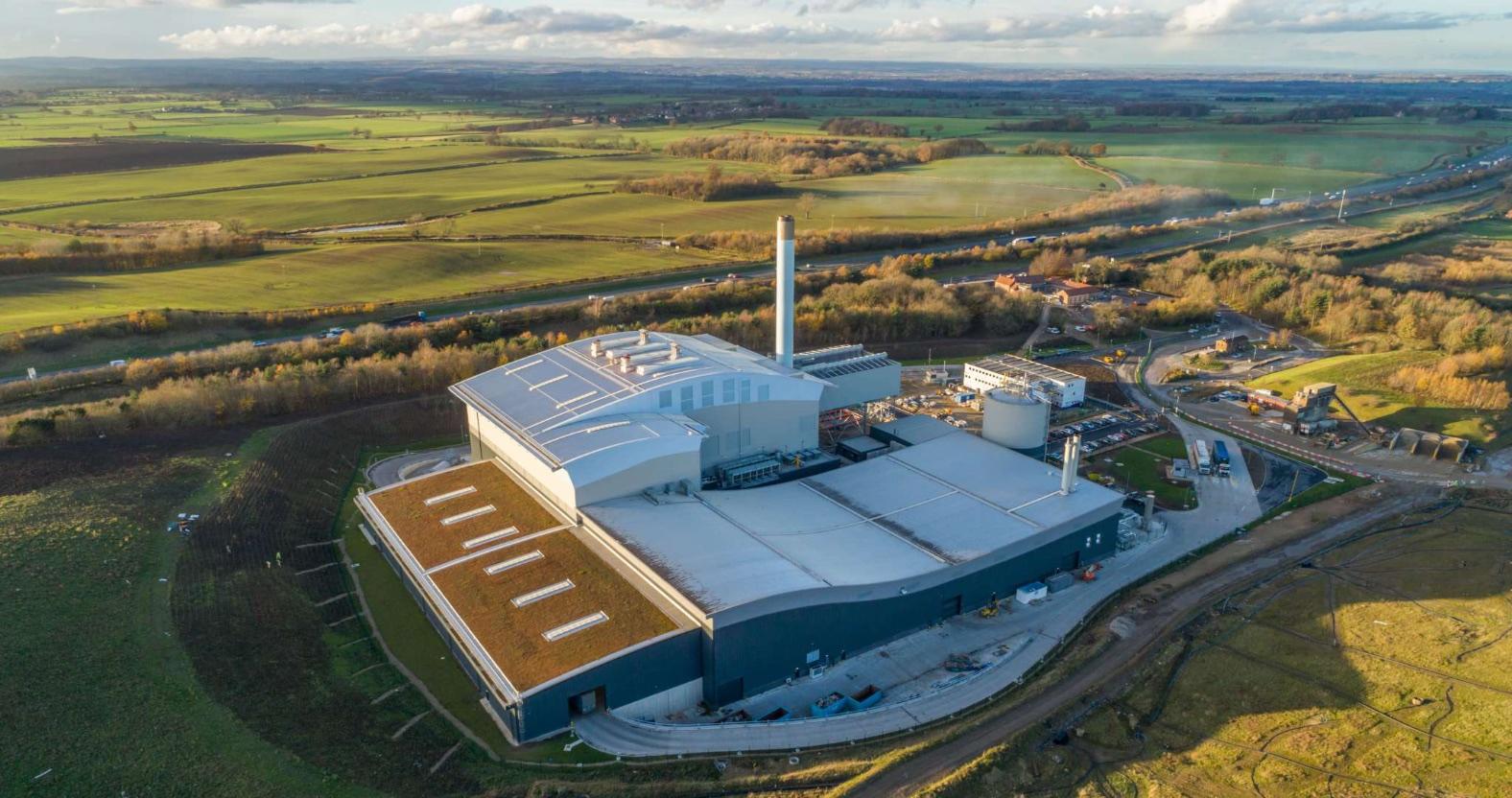
The Allerton Park incinerator. Picture: North Yorkshire Council.
The transitional arrangement means households in North Yorkshire will not receive separate weekly food waste collections for the foreseeable future unless policy or contractual arrangements change.
North Yorkshire Council said it is not alone in taking this approach, as about 30 other councils in England have been granted similar transitional arrangements.
While this extends the deadline for food waste, councils across England are still required to maintain weekly dry recycling collections.
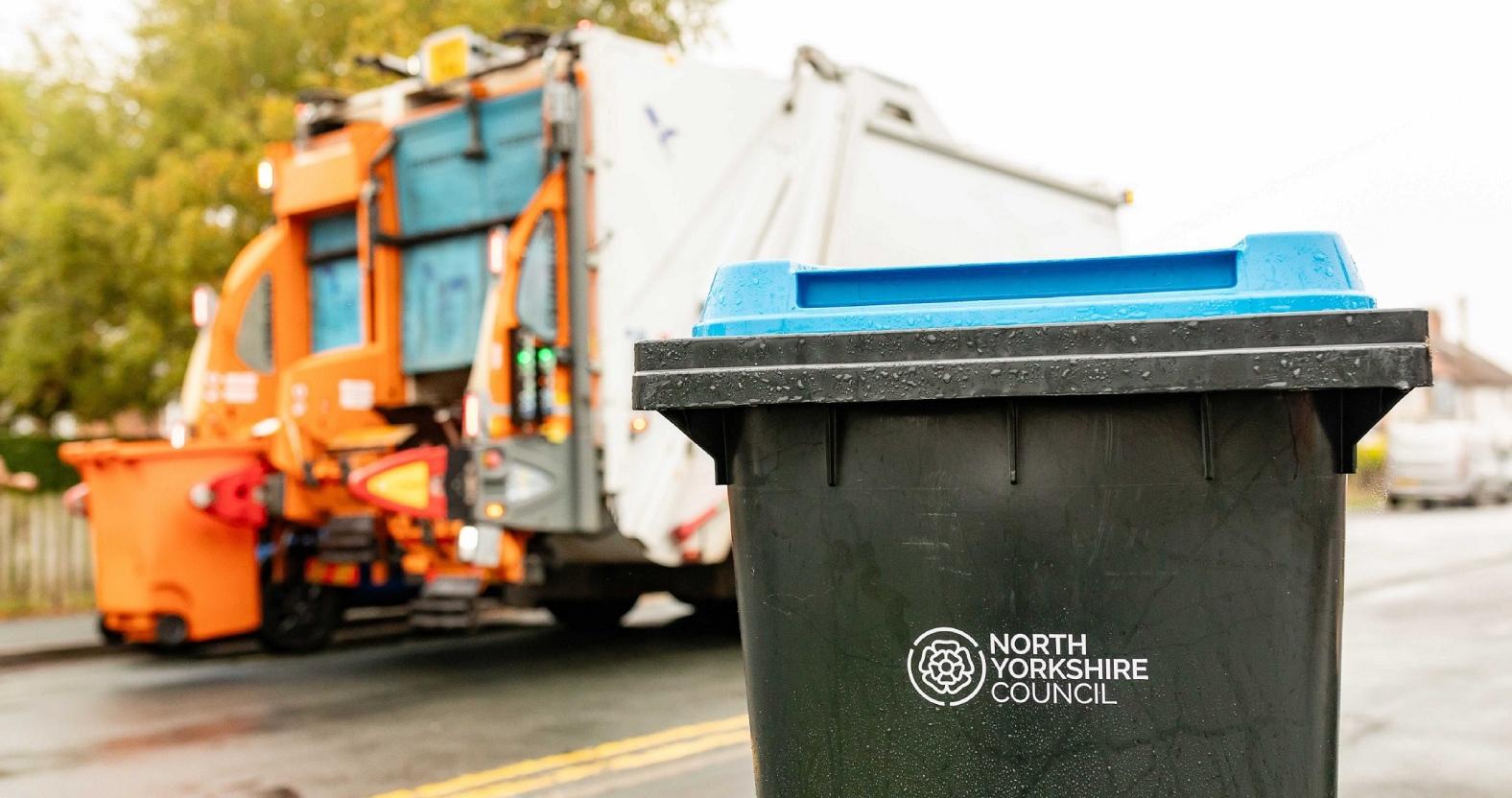
Weekly dry recycling collections will continue
'Self-sabotaging'
However, the decision has drawn criticism from opposition councillors.
Councillor Arnold Warneken, who represents Ouseburn and speaking on behalf of the North Yorkshire Green Party, said:
The council’s approach to waste is shameful, self-sabotaging and expensive.
The Green Party has been warning for some time that North Yorkshire Council, along with City of York, will in 2043 be the last councils in the country to deliver food waste collections. This is because their joint incinerator contract has prevented them from adapting to new policy. This means sadly there is no scope to improve household food waste collections. The council should invest in initiatives like North Yorkshire Rotters to help the public to waste less food, and compost more at home.
At present, North Yorkshire Council does not have its own waste strategy and is operating on the old waste strategy for York and North Yorkshire written in 2006. A new working group has been announced but so far there has been nothing shared.
'Food waste collections would incur costs'
Responding to the criticism, Cllr Richard Foster, the council's Conservative executive member for managing our environment, said:
As we develop the draft waste strategy, our aim is to strike the right balance between delivering an efficient, reliable service for residents and ensuring value for money for the council. This means looking beyond recycling rates alone and considering how waste services are delivered in a genuinely environmentally responsible way.
In densely populated urban areas, weekly food waste collections can be efficient and effective. However, we must be honest about the challenges of providing the same service across our many rural communities, where sending refuse vehicles to every household on a weekly basis can significantly increase costs and environmental impact. Simply adopting measures that sound green does not automatically make them so.
While the current waste contract does not prohibit food waste collections, introducing them would incur substantial contractual and service delivery costs. With estimated costs of around £6 million per year, committing to food waste collections would have required significant savings from other services.
Therefore, that’s not a decision that could be taken lightly. Especially with Allerton Waste Recovery Park already treating organic waste, including food waste, through anaerobic digestion and generating renewable electricity.
Our approach remains focused on delivering a sustainable, affordable waste service that works for both residents and the council, while being transparent about the financial and environmental trade-offs involved.
North Yorkshire has until February 1, 2043 to implement weekly food waste recycling collections in accordance with the government's Simpler Recycling initiative.

1