Subscribe to trusted local news
If you are accessing this story via Facebook but you are a subscriber then you will be unable to access the story. Facebook wants you to stay and read in the app and your login details are not shared with Facebook. If you experience problems with accessing the news but have subscribed, please contact subscriptions@thestrayferret.co.uk. In a time of both misinformation and too much information, quality journalism is more crucial than ever. By subscribing, you can help us get the story right.
- Subscription costs less than £1 a week with an annual plan.
Already a subscriber? Log in here.
16
May
Water quality improvements at Knaresborough Lido are slow — but things are happening
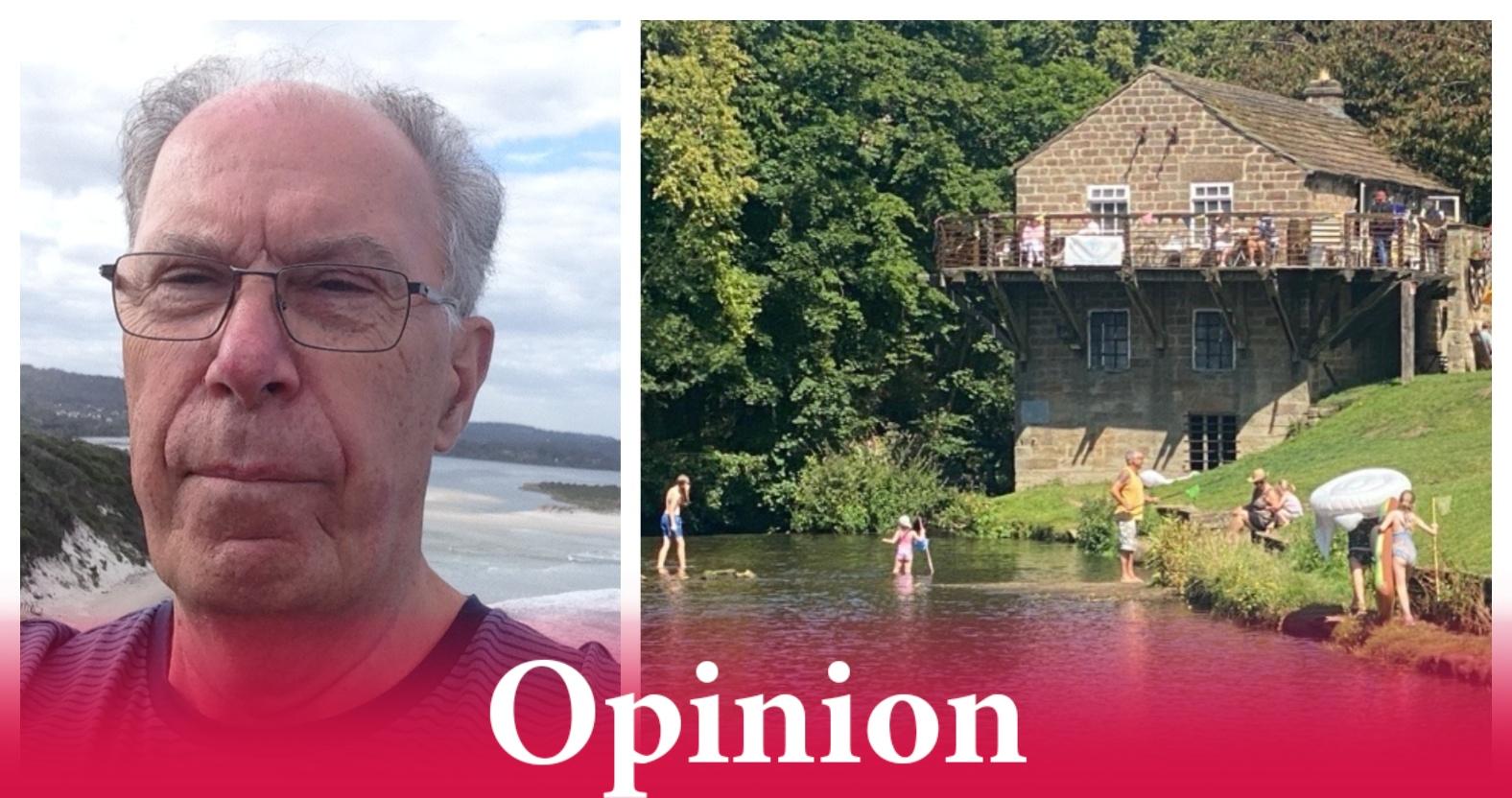
The Environment Agency designated bathing water status to Knaresborough Lido on the River Nidd two years ago. The move was heralded as the start of water quality improvements, but visitors are still advised not to swim. What is happening? Dr David Clayden, chairman of Nidd Action Group, which coordinates efforts to improve the Nidd, explains.
It still isn’t safe to swim at Knaresborough Lido. There are signs advising people not to do so. Nevertheless, a lot of hardy swimmers use the Lido for their leisure and pleasure.
They do, however, rightly take a lot of precautions, such as wearing wetsuits and gloves, keeping their heads out of the water and washing their hands after swimming and before eating or drinking.
The weekly water sampling that takes place during the bathing season, which began following bathing water designation, doesn’t help people decide whether to swim on the day of their visit.
The best guidance at the moment, apart from ‘don’t swim’, is to avoid the river after recent rainfall or when it looks particularly full. Pollution levels tend to be higher then.
This may sound gloomy, two years on from bathing water status, but the designation has been good for the lido.
It was achieved in 2024 following a community campaign, supported by many individuals and groups such as Nidd Action Group. So what has changed?
Designation gets the attention of government agencies and water companies so that more thought and investment is put into making locations safer to swim in.
Since 2024, the River Nidd has had more monitoring than ever before from the Environment Agency and Yorkshire Water, giving a better understanding of where the high E.coli bacteria concentrations that cause illness are coming from, and what can be done about it.
Early results were presented at the Nidd Action Group public meeting at Knaresborough on March 18. You can read more here.
Looking upstream for answers
This week, 13 new locations in England were designated bathing water status, making a total of 462. Locally, the latest batch of locations included Richmond on the River Swale in North Yorkshire, which is good news.
Although bathing water status is granted at specific locations, the bottom line is we need to improve the health of entire rivers for significant improvements to occur.
Locally, the focus has been on Knaresborough Lido because that’s where testing has been taking place and it attracts many locals and tourists.
But the upper reaches of the Nidd in North Yorkshire are also a gem of an area that attracts lots of tourists, and to understand the health of the river at the lido we need to look upstream to find out where pollution comes from and what can be done to address it. And in due course we do expect to see a healthier river for the wildlife that we all love to see because of the work that is taking place.
The findings from river monitoring are being used in Yorkshire Water’s business plan for 2025 to 2030, which is agreed with the government. The plan includes measures that will improve river health, for example the local sewerage network and sewage treatment works are being upgraded.
You can help
But we must keep our foot on the pedal to maintain momentum and ensure the work on the ground is carried out.
This takes time and cooperation and needs to involve the whole community — even the water companies who are often blamed for what has taken place.
Citizens need to use their local knowledge and work with Yorkshire Water and organisations such as the Environment Agency to ensure changes are implemented and there is real progress.
We citizens aren’t totally off the hook. We might like to blame Yorkshire Water, the Environment Agency and farmers for the state of our rivers but we too have a part to play, for instance by reporting pollution when we see it and ensuring our actions don’t add to it.
So there is good news – but we are not there yet! Let’s continue to enjoy the Nidd as it is today by celebrating its marvellous presence, wither quietly by ourselves or in great numbers, for instance at the Great Knaresborough Bed Race on June 13.
0