Thank you for your interest in this story
To continue reading this article, subscribe to the Stray Ferret for as little as £1 a week
Already a subscriber? Log in here.
07
Nov
River Nidd campaigner questions whether new regional water councils will improve river quality
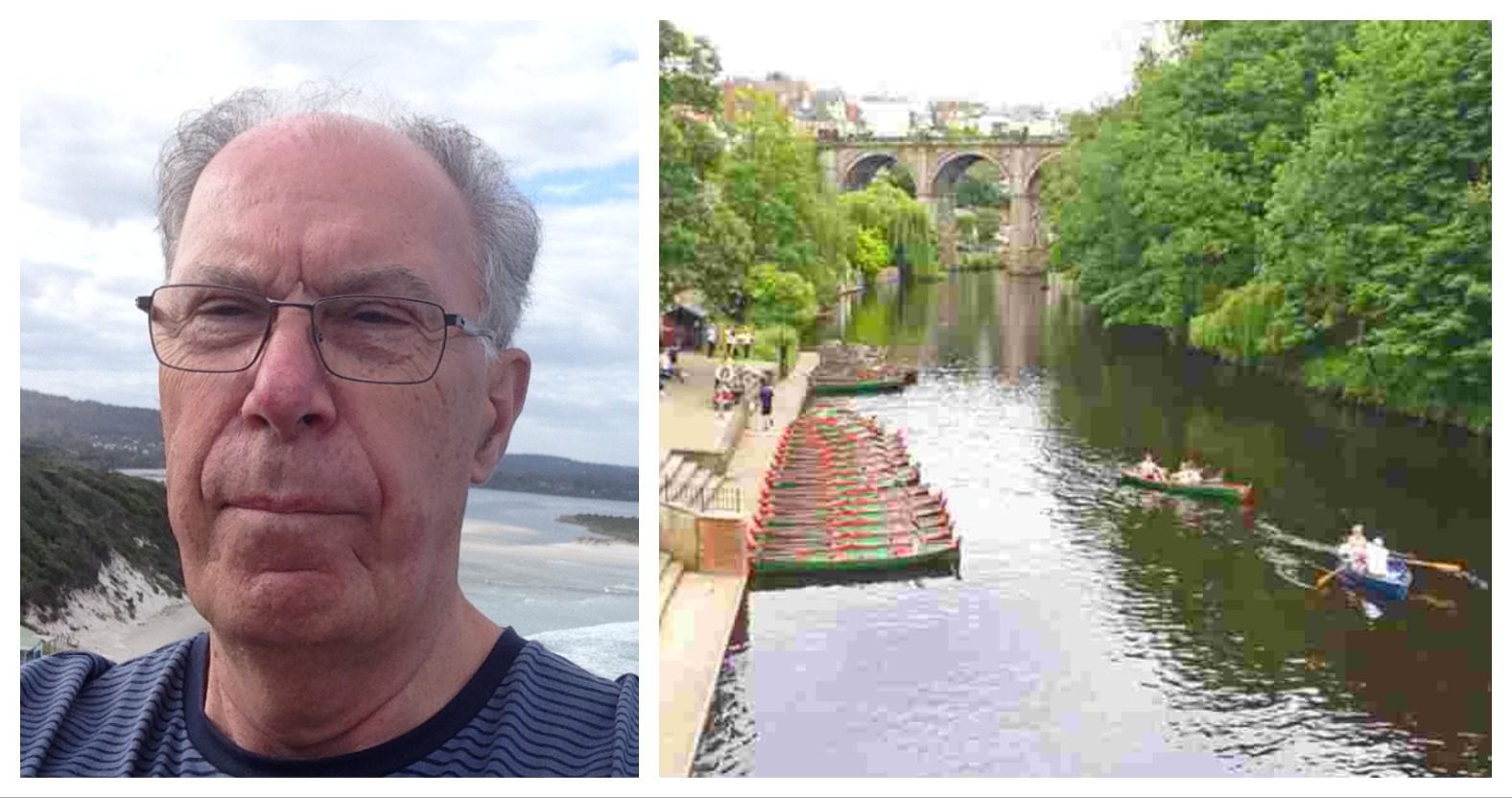
The man leading efforts to clean up the River Nidd has questioned whether the government's plans for eight new regional water councils will make a meaningful difference to water quality.
The government announced on Thursday (November 5) that it would establish eight councils across England, including one covering Humber and Yorkshire, which would take in the Harrogate district.
The councils will bring together representatives including mayors, local authority leaders, farmers, businesses and water customers, with the aim of devolving decisions about water management from Westminster to regional level.
Prime Minister Andy Burnham said the move would give communities “a real say over what they need from their water company, whether that is cleaning up polluted rivers, building new reservoirs or protecting homes from floods”.
However, David Clayden, chair of Nidd Action Group, welcomed the prospect of greater local involvement but questioned whether the proposals would address the underlying problems affecting rivers.
He argued that rivers were in such a poor state because the government had “delegated all the responsibility to monolithic profit-making companies”, which were “not marking their homework adequately”.
Mr Clayden said water assets should be publicly owned and rivers managed through comprehensive plans that take account of wider challenges, including drought, climate change and water quality.
He added:
The government needs to be bold and face up to the massive financial power of the water companies and make them do their part of the work necessary — on our behalf.
'Failed experiment of privatisation'
The announcement has also attracted criticism from environmental campaigners in Ilkley.
Ilkley Clean River group described the proposed councils as “tinkering” with what it called “the failed experiment of privatisation”.
The group's chair, Professor Becky Malby, questioned whether the new arrangements would have any real influence over water companies.
She said:
Private water will continue to chase and hide money, its primary purpose being to get money out to private equity; whilst these new regional water authorities chase after them in just the same way regulators have to date — always being 10 steps behind, and making no difference at all to their performance. Even worse it has the potential of pitching regulators against mayors.
The government, however, believes existing regional partnerships demonstrate the potential benefits of making water management decisions closer to the communities affected.
It pointed to Greater Manchester's integrated water management plan and Water Resources East in East Anglia as examples of what can be achieved through regional collaboration.
Local leaders have been invited to submit proposals outlining how the new councils should operate by the end of 2026.
Each council will then be responsible for developing a regional water plan.

0