Subscribe to trusted local news
If you are accessing this story via Facebook but you are a subscriber then you will be unable to access the story. Facebook wants you to stay and read in the app and your login details are not shared with Facebook. If you experience problems with accessing the news but have subscribed, please contact subscriptions@thestrayferret.co.uk. In a time of both misinformation and too much information, quality journalism is more crucial than ever. By subscribing, you can help us get the story right.
- Subscription costs less than £1 a week with an annual plan.
Already a subscriber? Log in here.
01
Feb
Why does Allerton Park waste plant keep missing its recycling target?
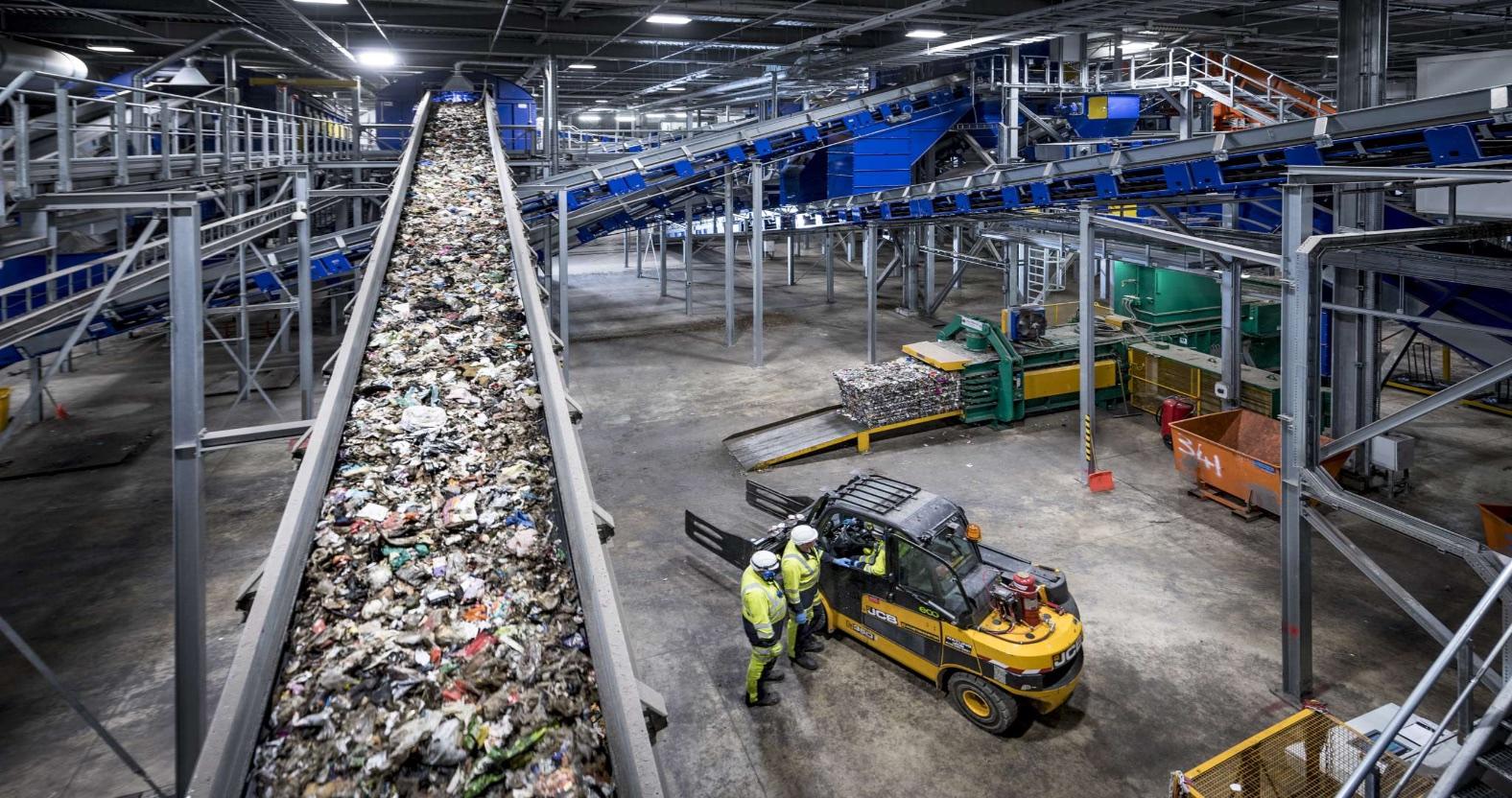
Since 2018, the waste recovery park off the A1(M) near Knaresborough has shifted hundreds of thousands tonnes of waste away from landfill.
The facility at Allerton Park, which is run by Thalia Waste Management on behalf of North Yorkshire Council and City of York Council, cost £1.2 billion to built and can divert 320,000 tonnes of waste a year.
However, year after year it has failed to hit the recycling target that is stipulated in its contract.
So, how does a plant which has cost more than a billion pounds to build fail to to meet such a requirement?
Recycling waste
Each year, the plant is set a contractual target of sending 5% of the waste it receives to recycling. It does this by organising waste at the site when it arrives.
The recovery park has three main components: a mechanical treatment plant, an anaerobic digestion plant and an incinerator that creates energy from waste.
Once waste arrives, it is put through the mechanical treatment plant and sorted into different types of waste such as recycling, general waste and organic waste.
Metals and plastics are set aside to be taken away as recycling, while organic waste, such as food, is put through the anaerobic digester to generate renewable electricity.
However, despite this, the plant has never met its 5% target for recycling, or come anywhere near. It managed just over 2% for the first time in 2022.
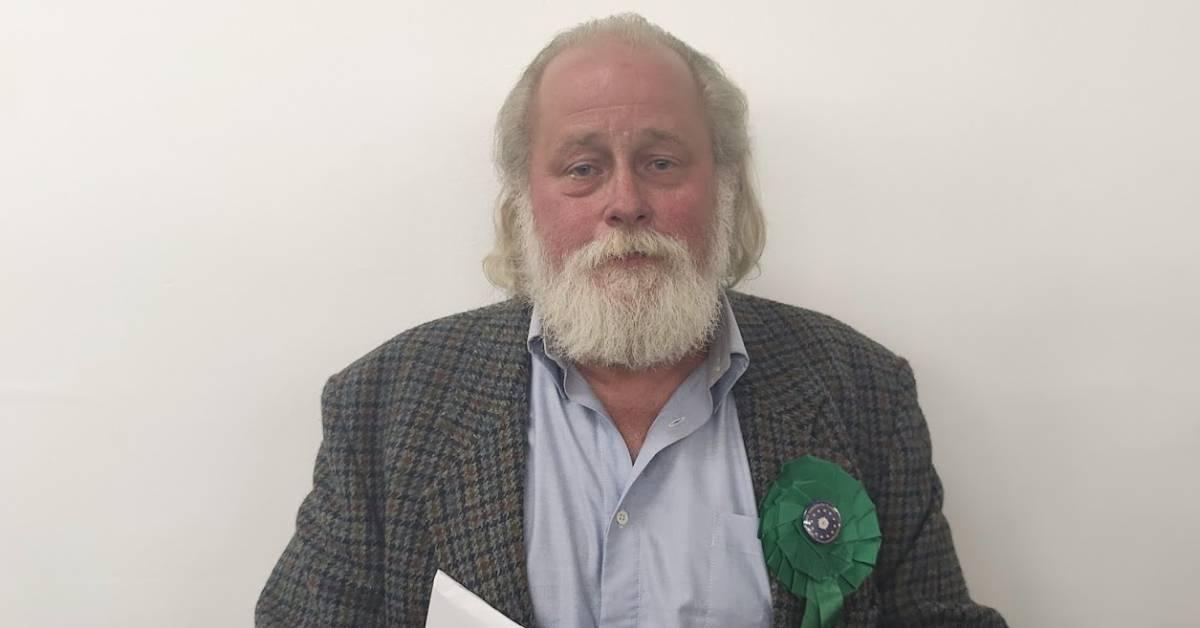
Cllr Arnold Warneken.
For criticis of the plant, this demonstrates the facility does not operate effectively.
Cllr Arnold Warneken, a Green Party councillor who represents Ouseburn division on North Yorkshire Council, said the site acts more as an incinerator than waste recovery park.
He said:
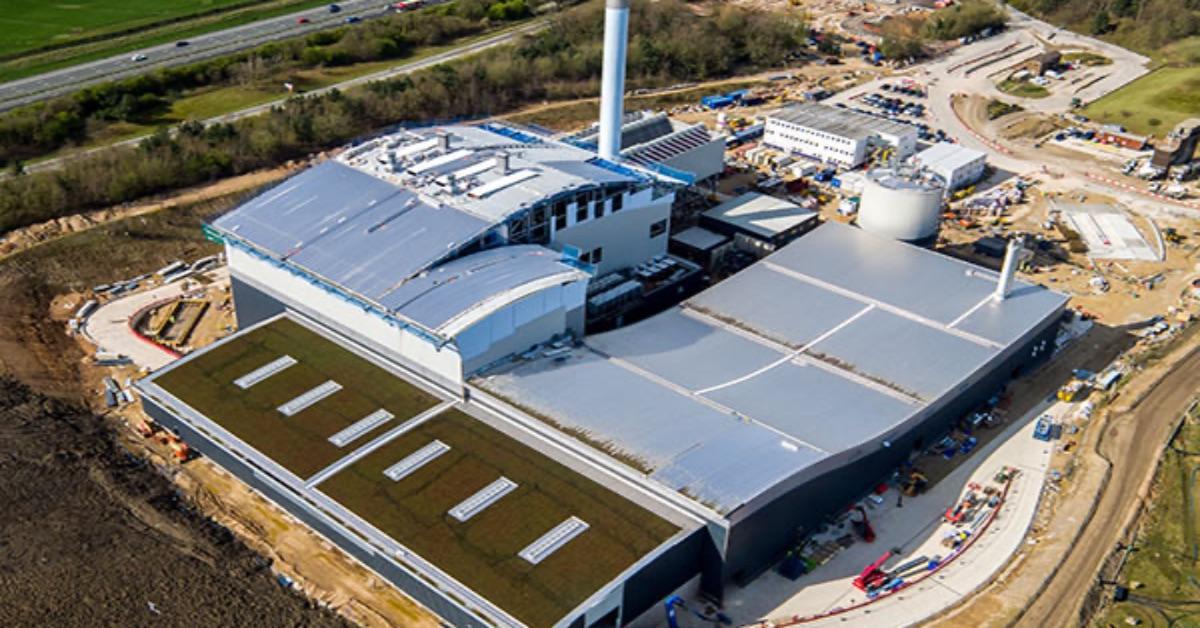
Allerton Waste Recovery Park, near Knaresborough
It’s difficult to describe this as a waste recovery plant when it recovers less than 1.75% of the waste stream. The fact that the plant has never come close to its 5% recycling target suggests the council was sold the idea of a ‘waste recovery’ facility, when in reality this is an incinerator.
The public were led to expect meaningful recycling, but the reality is that the technology and the way waste is handled simply don’t support that outcome.
Missed targets
Last year, the council said the plant’s failure to meet recycling targets was partly down to a difficulty in selling the recycled material to processors.
Michael Leah, the council’s assistant director for environment, also said that if the site’s mechanical treatment plant is not available then recycled material “can’t be extracted from incoming waste”.
Many of the reasons for the recent missed target were similar — a “challenging” recycling market and a breakdown in its mechanical treatment shredders earlier in the year.
The council said:
Recycling performance was 1.75% against a contractual target of 5% which was a slight reduction when compared to the prior year’s outturn. The main reason for this were issues with the energy from waste availability and breakdown of one of the mechanical treatment shredders in December 2024.
This was replaced in early March 2025. Recycling markets remained challenging throughout the year with some operators being impacted by higher energy costs.
The council has also claimed that better recycling rates among households has contributed towards the failure to meet the target.
But, the failure to meet the target still comes with consequences for Thalia Waste Management.
The council says it has the power to deduct payments to the contractor as part of its contract, known as performance deductions.
In 2022, the Stray Ferret reported that North Yorkshire Council and City of York Council levied £653,000 in performance deductions for the first three years of its operations for missed targets.
For now, the council says investment has been made to improve the facility to improve its performance — whether that translates to better recycling results next year is another question.

1