24
Mar
World leading innovation, from Harvey George furniture makers in Harrogate
Sponsored
The challenge of buying bespoke
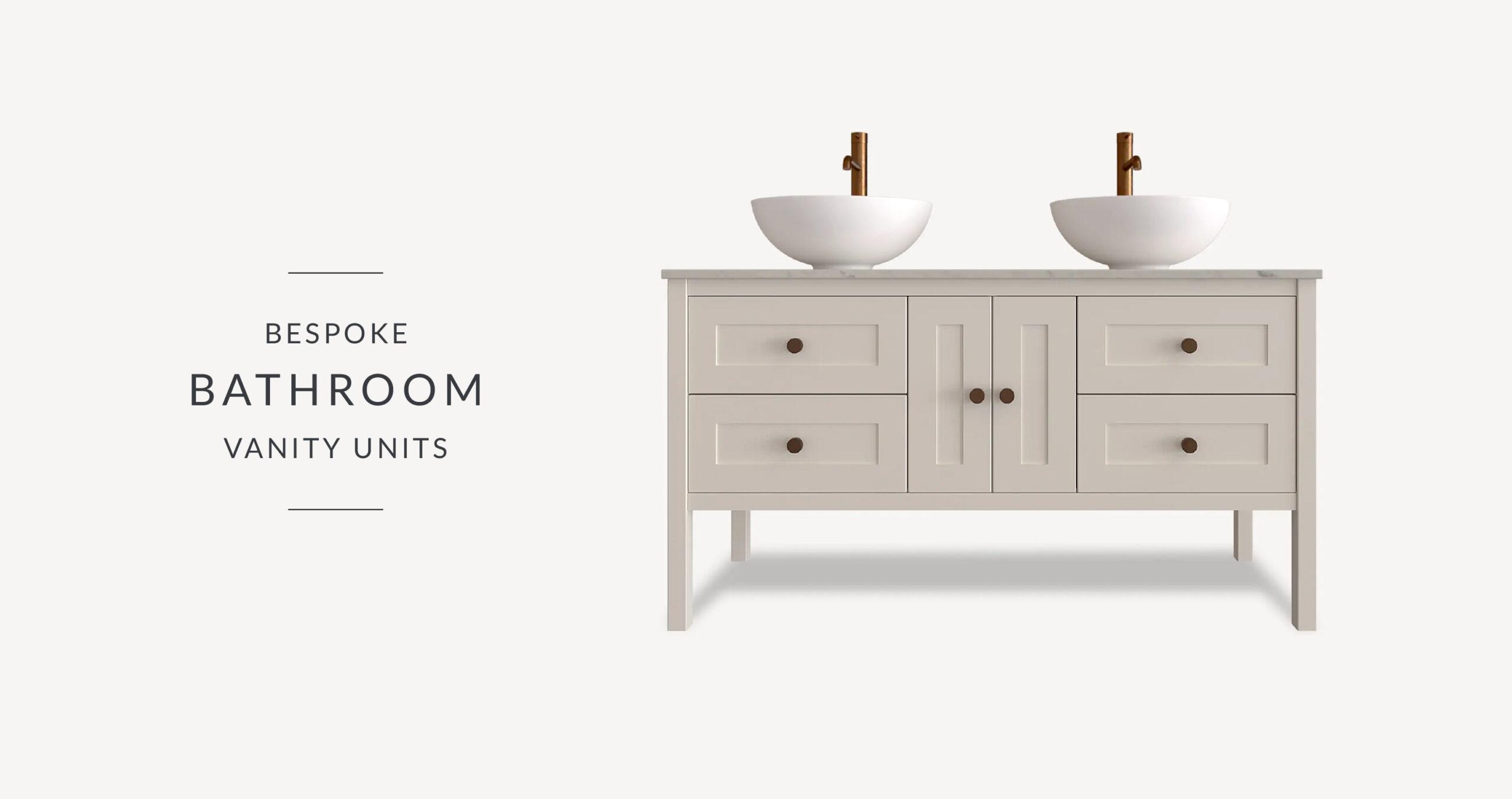
Bespoke bathroom furniture offers something that off-the-shelf solutions simply cannot — complete freedom. Homeowners are no longer restricted by standard sizes or limited finishes. Instead, they can create a vanity unit that fits their space perfectly, both practically and aesthetically. From cabinet width and depth to colour, basin style and handle finishes, every detail can be tailored to suit individual needs and preferences.
However, with that freedom comes a level of complexity. Unlike ready-made products that can be seen in full before purchase, bespoke pieces exist only as an idea during the ordering process. Customers are asked to make multiple design decisions without always having a clear picture of how those choices will come together in reality.
The problem of visualisation
One of the biggest challenges in bespoke furniture is visualisation. Choosing individual elements is one thing, but understanding how they interact as a complete design is another. Customers often find it difficult to judge proportions, balance and scale, particularly when working with measurements rather than physical objects.
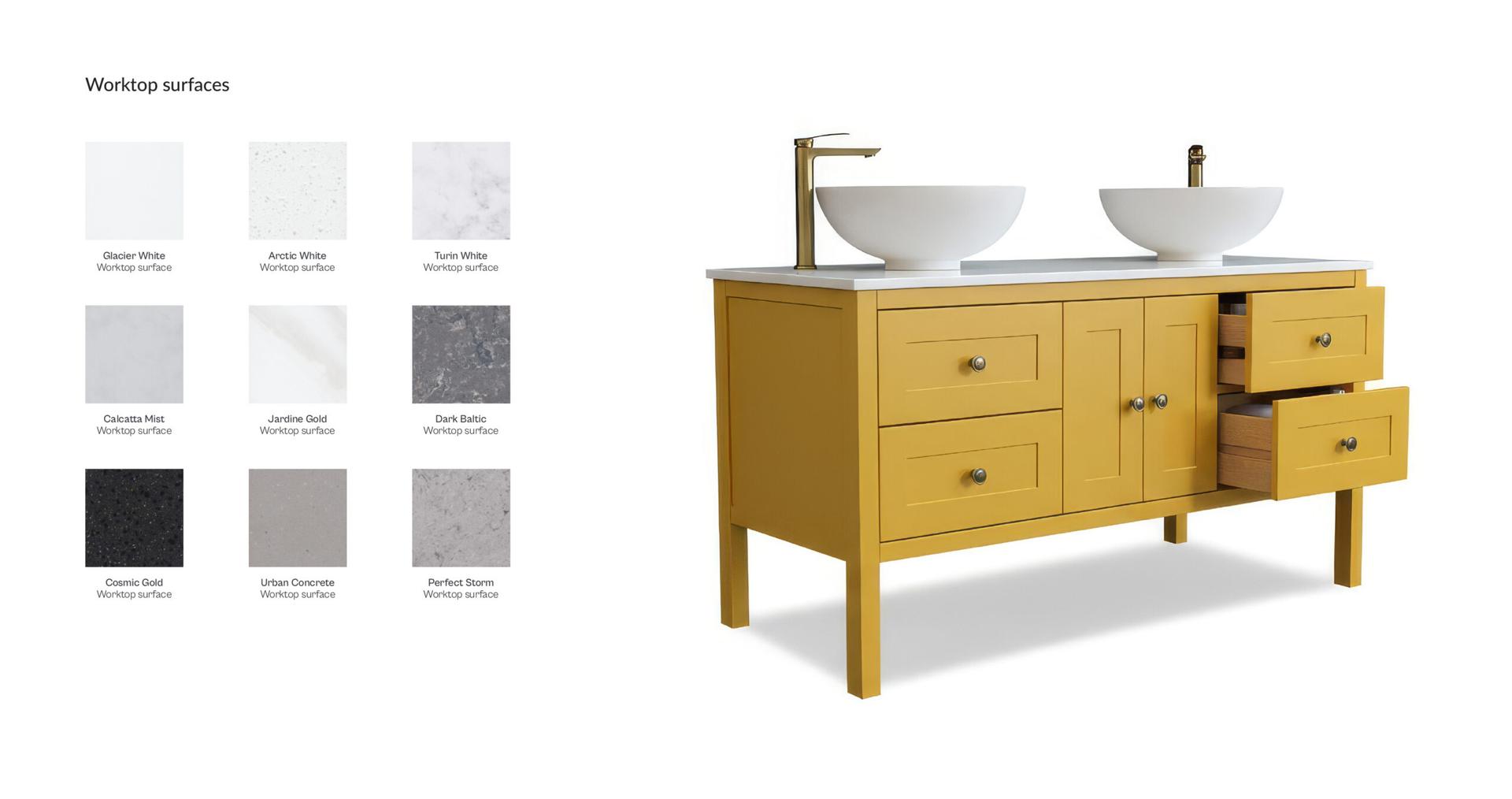
Colour combinations can also be tricky. A finish that looks appealing on a small sample may feel very different when applied across an entire cabinet. Similarly, the relationship between basin size, cabinet width and handle placement can be hard to imagine without seeing everything together. This uncertainty can make the process feel daunting, even for those who are confident in their design preferences.
Traditional approaches to bespoke design
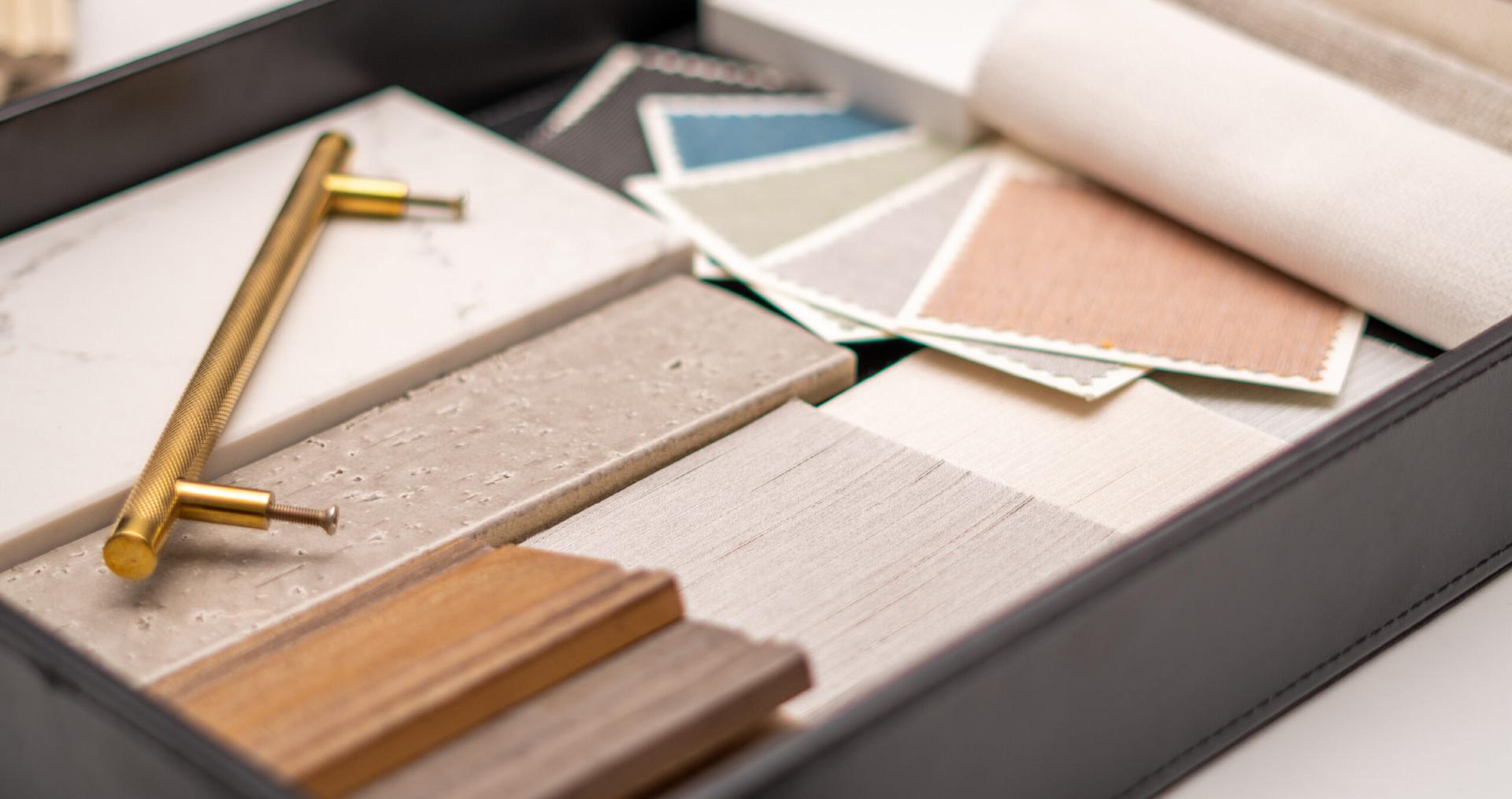
Historically, bespoke furniture relied heavily on a combination of showroom visits, printed brochures and physical samples. Customers would browse photographs, compare finishes in person and work closely with designers to refine their ideas. While this approach provided valuable guidance, it still required a degree of interpretation.
Even with expert advice, there was often an element of guesswork involved. Customers had to mentally piece together different components and trust that the final product would match their expectations. Although experienced designers could help bridge the gap, the process was not always straightforward, particularly for those who preferred a more independent, self-led approach.
Bespoke furniture has always involved a leap of faith for customers. Our goal was to remove that uncertainty by letting people see exactly what they’re creating, while building the technology behind the scenes that turns that design directly into something we can manufacture.
Introducing 3D design technology
To address these challenges, Harvey George developed its 3D Product Builder, an interactive tool designed to bring clarity to the bespoke process. Instead of relying solely on imagination, customers can now design their vanity unit online and see it take shape instantly in three dimensions.
The tool provides a dynamic environment where ideas can be explored freely. Users are no longer limited to static images or fixed examples. Instead, they can experiment with different configurations and gain immediate visual feedback, making the design process more intuitive and engaging.

Real-time customisation
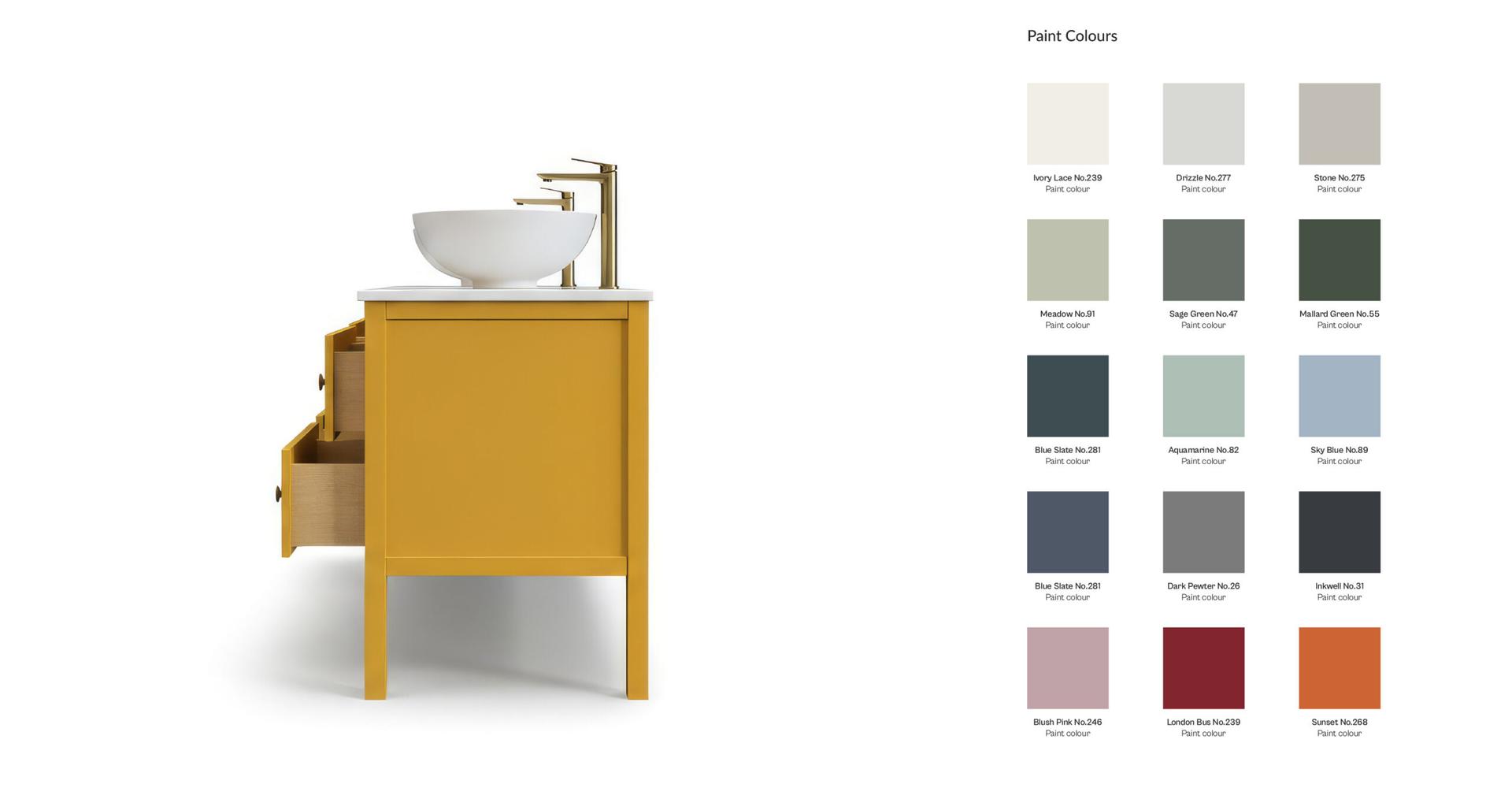
As customers adjust elements such as cabinet size, colour, basin type, tap position or handles, the 3D model updates in real time. This instant response allows users to see exactly how each decision affects the overall design.
Importantly, the system is built using real product dimensions rather than approximate visuals. This means the cabinet scales accurately as changes are made, and all components adjust proportionally. The result is a representation that closely reflects the final product, giving customers greater confidence in their choices.
This level of interaction transforms the experience from abstract decision-making into something far more tangible. Instead of imagining the outcome, customers can see it evolve step by step.
Technical Director Carl Stamford said:
Designing bespoke furniture should feel exciting, not uncertain. The 3D builder lets customers see their vanity unit take shape in real time, so they can make confident design decisions before anything enters production.
From Design to Production
The benefits of the 3D builder extend beyond visualisation. Once a customer finalises their design, the configuration generates a detailed set of specifications that can be used directly in production.
These specifications feed into Harvey George’s internal systems, including planning, job sheets and order records. Because the data is captured digitally at the start, it flows seamlessly between departments without the need for manual re-entry. This not only saves time but also reduces the likelihood of errors or miscommunication.
By linking the design stage directly to manufacturing, the process becomes more efficient and more reliable from start to finish.

Improved efficiency and lead times
Connecting design and production systems has allowed Harvey George to significantly streamline its workflow. As a result, lead times for bespoke vanity units have been reduced from around twelve weeks to approximately six, with faster options available for certain configurations.
This improvement is not achieved by cutting corners or compromising on quality. Each piece is still made to order with the same level of craftsmanship. Instead, the time savings come from eliminating inefficiencies — particularly those associated with manual processes and repeated data handling.
For customers, this means receiving a fully customised product in a much shorter timeframe, without sacrificing the attention to detail that bespoke furniture is known for.
What makes the system powerful is that it’s not just a visual tool. The design a customer creates online becomes the same specification our manufacturing team works from, connecting the design process directly to production.
A new approach to bespoke manufacturing
What appears on the surface as a simple online design tool is, in reality, part of a much larger and more sophisticated system. Behind the scenes, production software, order management, quality control and delivery tracking are all connected to the same configuration data created by the customer.
This integration represents a shift in how bespoke furniture is designed and made. Rather than treating design and manufacturing as separate stages, they are now part of a single, connected process. The customer’s input flows directly through to the workshop, ensuring consistency at every step.
In essence, the Harvey George 3D Product Builder makes bespoke furniture easier to understand, easier to visualise and easier to order. By combining advanced technology with traditional craftsmanship, it offers a more transparent and user-friendly way to create truly personalised bathroom furniture.
Find out more
Harvey George is based at The Inspiration Centre, Unit 3 Hookstone Park, Harrogate HG2 7DB. To find out more call 01423 810 070 or visit the website.
0