Subscribe to trusted local news
If you are accessing this story via Facebook but you are a subscriber then you will be unable to access the story. Facebook wants you to stay and read in the app and your login details are not shared with Facebook. If you experience problems with accessing the news but have subscribed, please contact subscriptions@thestrayferret.co.uk. In a time of both misinformation and too much information, quality journalism is more crucial than ever. By subscribing, you can help us get the story right.
- Subscription costs less than £1 a week with an annual plan.
Already a subscriber? Log in here.
05
Sept
Review: Brighton '84 at Harrogate Theatre
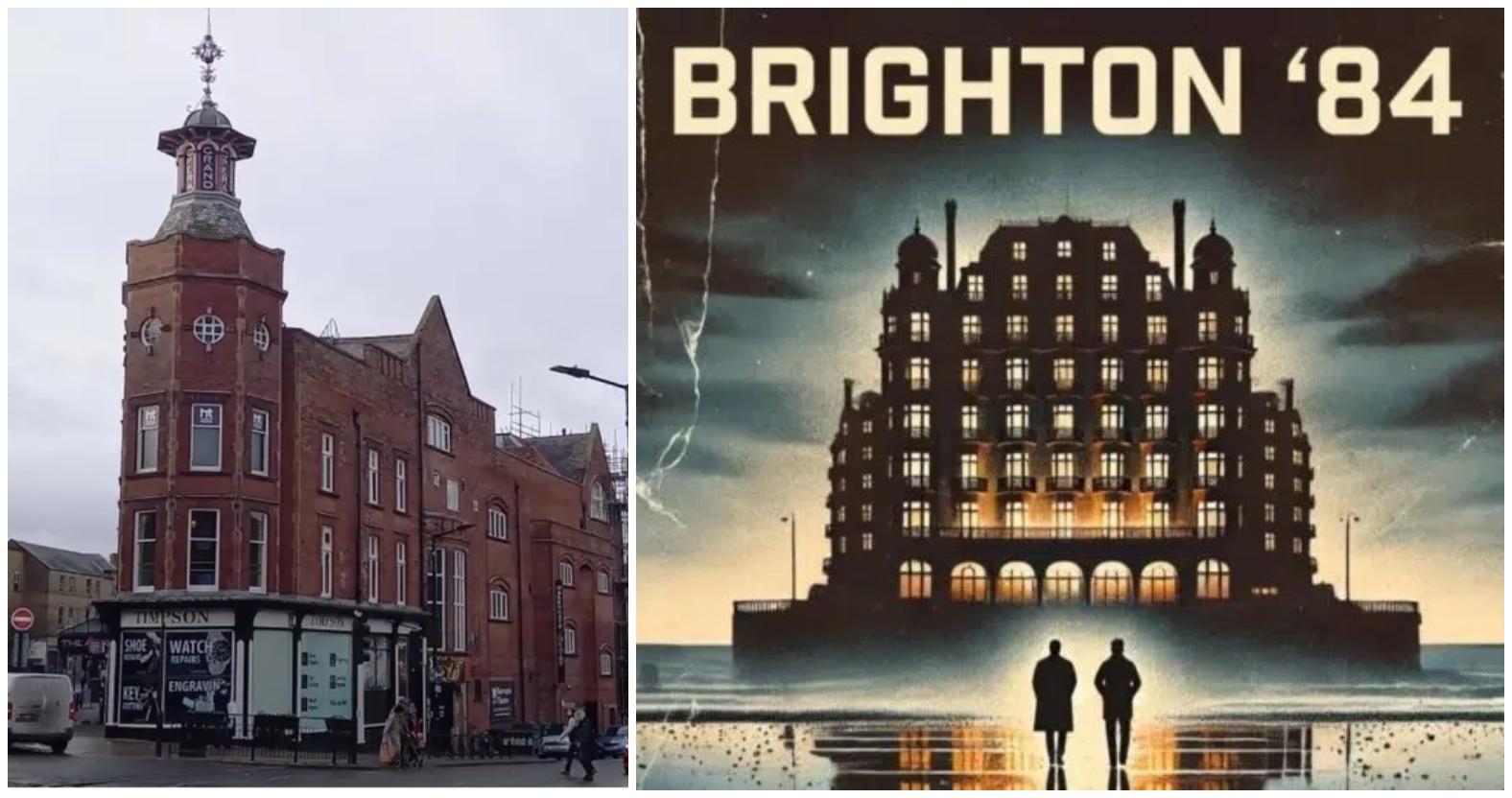
In 1984, Margaret Thatcher was five years into her premiership and grappling with a changing Britain.
At the same time, the Troubles was at its height and the Irish Republican Army set about attempting to assassinate Mrs Thatcher while she slept at the Grand Hotel in Brighton prior to her keynote speech at the Conservative party conference.
It is here that Yorkshire playwright Philip Stokes’ new play, Brighton '84, is set as two strangers enter room 102 of the hotel on the night of the bomb.
But, while the IRA bombing plays a central part in the play, much of the focus is on the dynamics between the two characters: Barry and Johnny.
Barry, an admirer of Mrs Thatcher, is very much built in her image. A self-starter, get-up-and-work type individual, who works as a salesman.
Johnny, a staunch critic of the Iron lady, is a drug addict and bisexual. He is marginalised by the Conservative government and, in his own words, does what he can to get by.
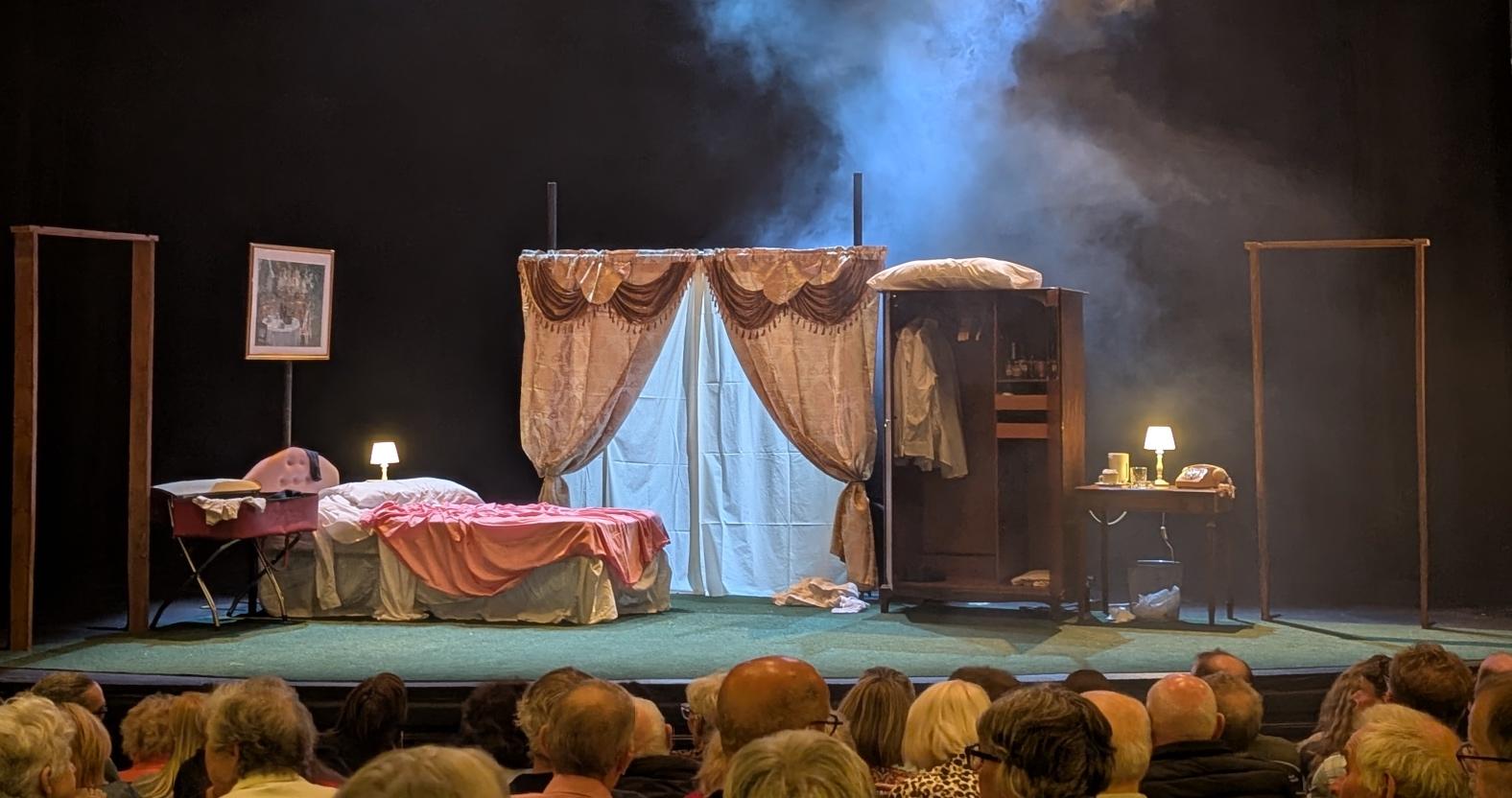
The set of Brighton '84 at Harrogate Theatre.
The play is a distillation of what it was to live in Thatcherite Britain as the two characters wrestle with how opposite they are.
Barry owns a shop in Morley in Leeds and is narcissistic and motivated by self-interest — arguably a virtue in Britain at the time.
On the other hand, London-born Johnny is down on his luck, feels persecuted under Mrs Thatcher and is looking to make money in anyway he can — to the extent that he tries to sell Barry baking soda by passing it off as drugs.
With sharp wit, irony and jokes filled with references of the time, Stokes manages to reflect how different the pair are in a light-hearted manner.
But, the characters also share their personal trials and tribulations, such as Barry's loss of his son and Johnny's difficult upbringing at a boarding school, where his father forced him to go to "toughen him up”, which help to point to the human side of Thatcher’s Britain.
Filled with references from the decade, such as Boy George, Dennis Thatcher and the AIDs crisis, the play is engaging and strikes a fine balance between humour, drama and moments of poignancy.
On the face of it, Stokes' work may seem like it will delve into the politics of Mrs Thatcher and wrestle with the arguments from those who loved her and those who very much did not.
In fact, the play is an attempt to bring the winners and losers from the time together.
While there are plenty of references for political anoraks — such as the high unemployment and Thatcher’s right-to-buy policy — the production is more of a reflection of how, in the end, we are not so different after all.
Brighton '84 will hold its last perfomance at Harrogate Theatre tonight at 7.30pm.

1