Subscribe to trusted local news
If you are accessing this story via Facebook but you are a subscriber then you will be unable to access the story. Facebook wants you to stay and read in the app and your login details are not shared with Facebook. If you experience problems with accessing the news but have subscribed, please contact subscriptions@thestrayferret.co.uk. In a time of both misinformation and too much information, quality journalism is more crucial than ever. By subscribing, you can help us get the story right.
- Subscription costs less than £1 a week with an annual plan.
Already a subscriber? Log in here.
28
Apr
Charging to pee: How will it work and do the sums add up?
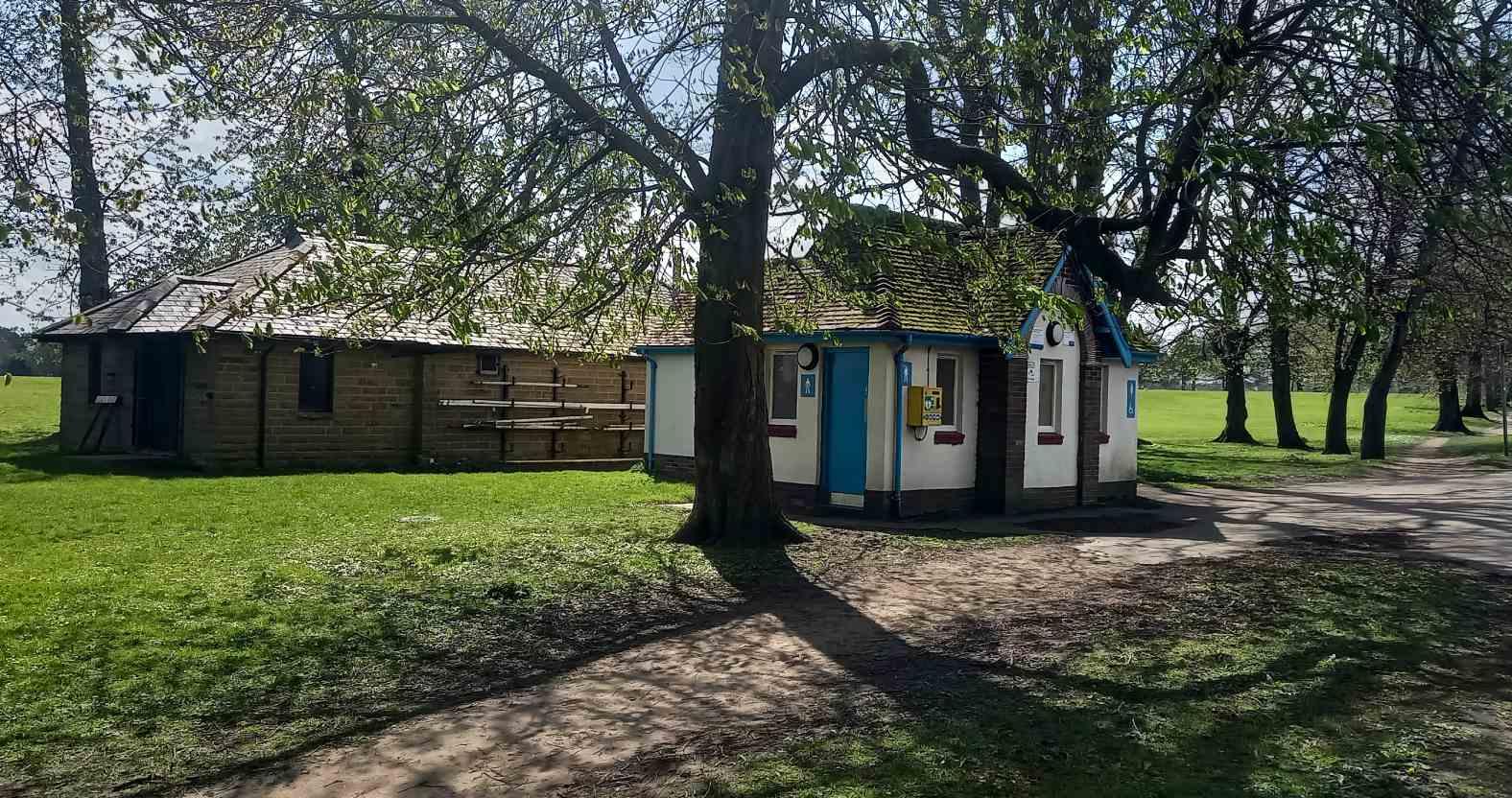
North Yorkshire Council’s move to charge 40p to use public toilets in the county has led to criticism.
The Conservative-run council agreed to adopt an entry fee last week due to the cost of maintaining the facilities.
The move has since been described by one Harrogate Town councillor as “illegal and immoral” and a “tax on bladders”.
So, what is the case for the council and do the numbers add up?
The Stray Ferret has taken a deep dive into the authority’s own cost and benefit analysis to look at what the figures say.
How many toilets are there?
Public toilets are a non-statutory service, which means councils do not have to provide them.
North Yorkshire has the largest network of public toilets in the UK. Of the 93 facilities, 65 are free to use.
It inherited most of them after it took over from district councils, including Harrogate Borough Council, in April 2023.
Some, mainly ones on the coast, already have an entry fee.
Last week’s decision means the charge will be extended to the remaining free toilets.
How much is it costing the council?
The council’s main reason for extending the 40p charge is that they cost too much to operate and maintain.
According to the report before senior councillors last Tuesday, the authority expects to lose £260,000 providing the service in 2025/26.
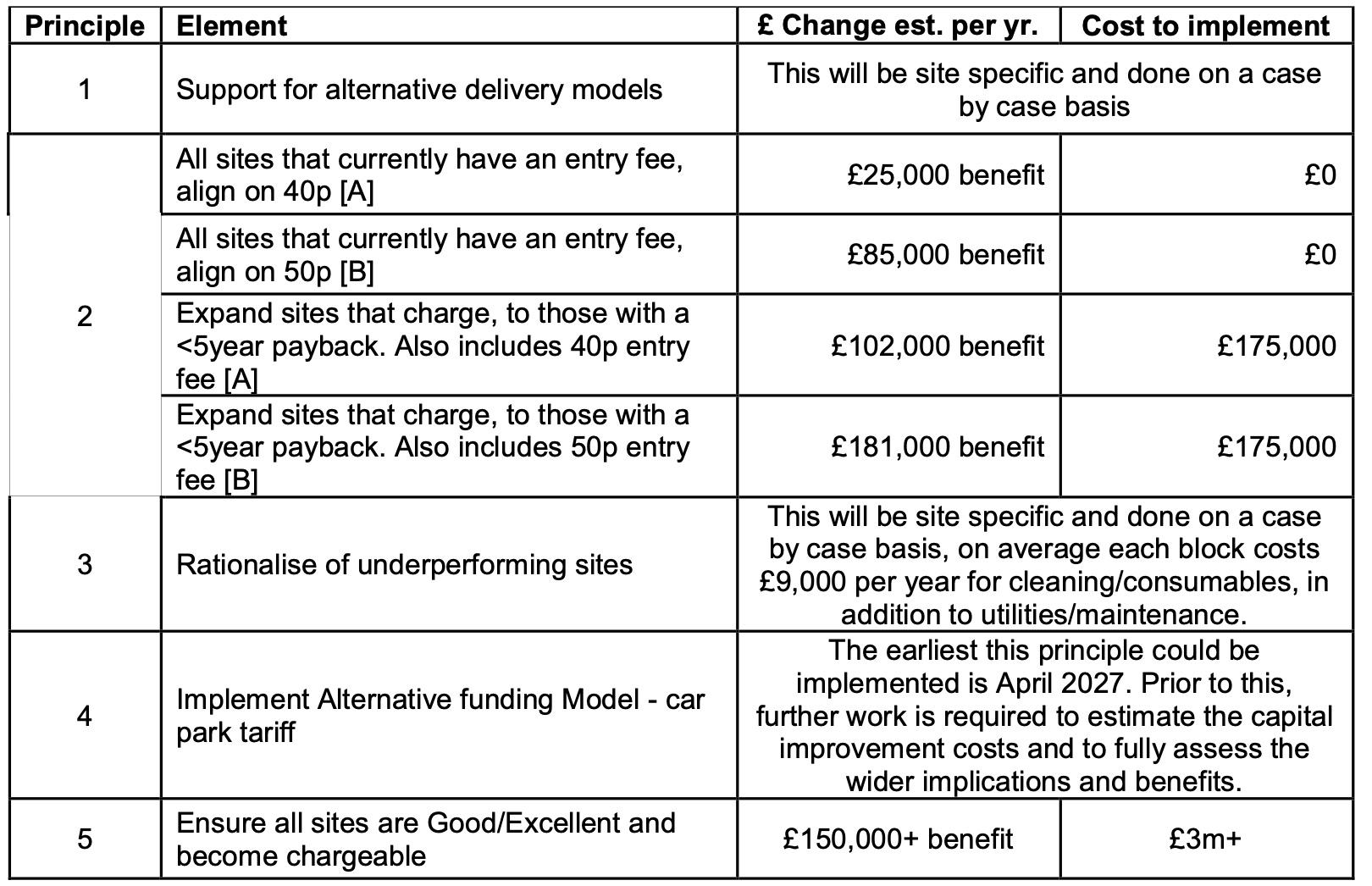
The five principles for operating public toilets and the cost benefit. Picture: NYC.
It also estimates that on average, each toilet block costs around £9,000 a year in cleaning and consumables.
This overspend is part of the reason why the council set up a cross-party working group to look at a way to develop the service and make it sustainable.
How much will the 40p charge make?
Currently, the council has an income target of £220,000 a year for the toilets that it charges for.
The move to extend the entry fee to other conveniences is expected to raise an additional £102,000 per year, according to the council report.
Alongside other measures in the council’s strategy, such as rationalising some sites and a plan to modernise the toilet sites by 2030, authority officials expect the move to resolve its overspend.
The report said:
The service is currently facing a recurring budget shortfall, which will persist without a change in strategic direction and a capital investment. If all principles are implemented in full, the current overspend is expected to be resolved.
Some of the public conveniences are in a poor condition, have low usage or are already near other loos.
As a result, the council plans to close some. However, this will be done in consultation with town and parish councils, which may wish to take over the operation of such facilities.
There is no figure on how much the council expects to make rationalising its facilities. However, the council report said it would be “site specific and done on a case by case basis”.
How much will it cost to implement?
The council has agreed a £177,000 investment to extend charging an entry fee.
The sum, which would be funded from the council’s strategic capacity reserve, includes £175,000 to set aside for implementing the 40p charge to those conveniences which are currently free.
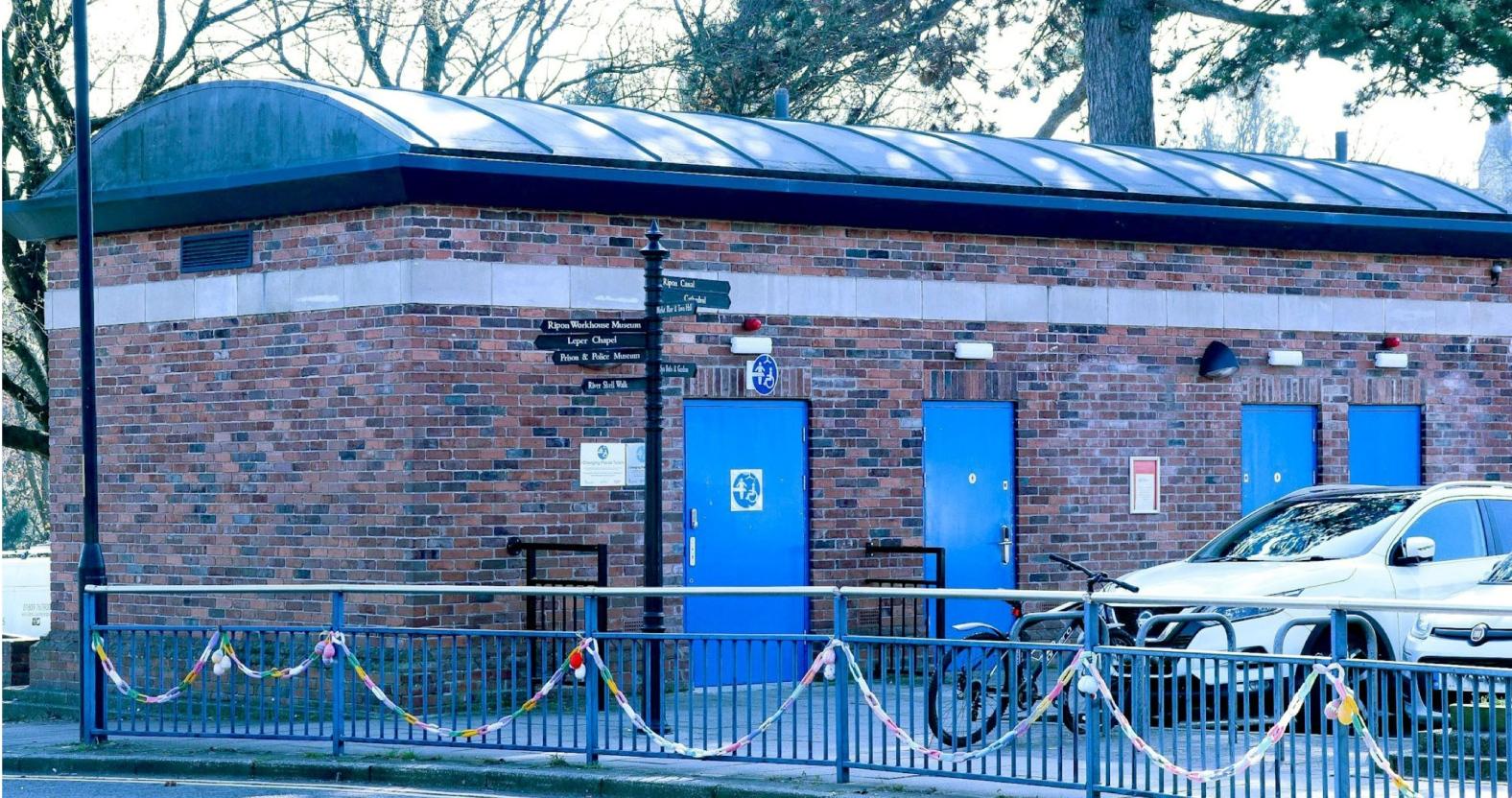
The public loos in Ripon.
There would also be £2,000 to trial digital or physical honesty boxes at a “small number of sites” where implementing pay-on-entry technology would be “cost prohibitive”.
The council also estimates a capital investment of around £3 million to bring all its facilities up to modern standard. However, that capital programme has yet to be drawn up.
The report said:
The capital investment required to bring the entire network, as it is today, up to a ‘Good’ or ‘Excellent’ standard is estimated to exceed £3 million and will continue to grow as other sites deteriorate and detailed condition surveys are completed.
Work will continue to identify and secure any external funding, however there is likely still to be a significant ask on the North Yorkshire Council capital programme.
What happens now?
Senior councillors on the Tory-run council believe the current operation cannot continue as it is.
Cllr Richard Foster, executive member for managing our environment on the council, said it was not possible to provide the service for free and claimed “there is not a free pee”.
The council’s executive backed the move to charge 40p, along with other improvements, on Tuesday.
Now, it’s in the council’s hands to implement the move and ensure it saves money as intended.

3