Subscribe to trusted local news
If you are accessing this story via Facebook but you are a subscriber then you will be unable to access the story. Facebook wants you to stay and read in the app and your login details are not shared with Facebook. If you experience problems with accessing the news but have subscribed, please contact subscriptions@thestrayferret.co.uk. In a time of both misinformation and too much information, quality journalism is more crucial than ever. By subscribing, you can help us get the story right.
- Subscription costs less than £1 a week with an annual plan.
Already a subscriber? Log in here.
04
Apr
Explained: How does Allerton Park handle hazardous waste?
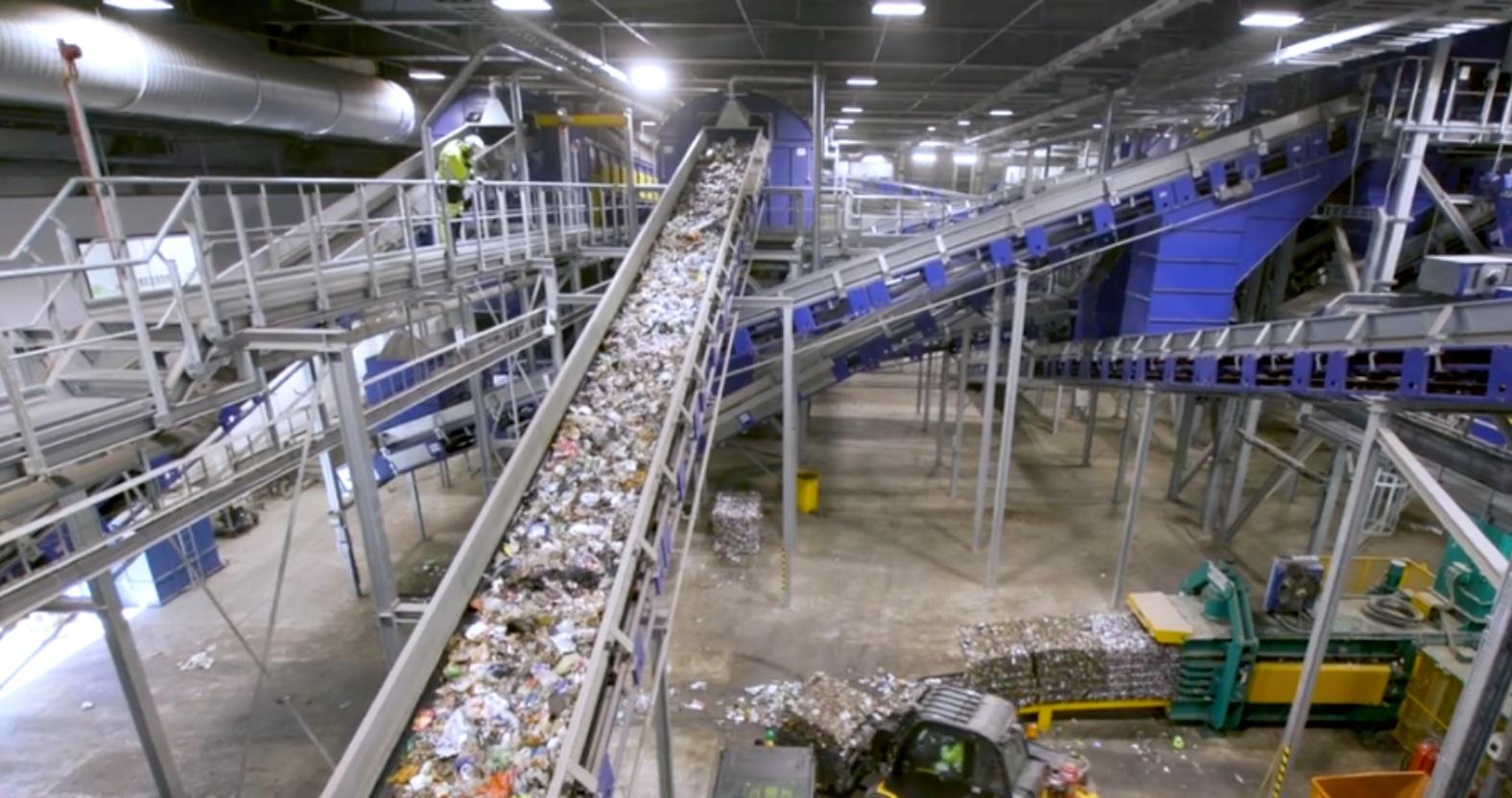
Ever since it was first constructed eight years ago, the Allerton Park Waste Recovery plant has been met with criticism over harmful waste and its affect on the environment.
Campaigners against the site have often pointed to environmental concerns, including “toxins”, as a means of opposing the plant.
North Yorkshire Council and its plant operator, Thalia Waste Management, argue that the plant helps to divert most waste away from landfill and create energy — but it does create byproducts from the waste it processes.
One product of the energy from waste process is fly ash, which is classified as a hazardous waste.
So how does the plant deal with fly-ash and where does it go? The Stray Ferret has taken a closer look.
What is fly-ash?
According to North Yorkshire Council, the waste plant at Allerton Park off the A1(M) near Knaresborough can take 320,000 tonnes of waste a year.
At the site are three main components: the mechanical treatment plant, an anaerobic digestion plant and energy from waste plant.
During the energy from waste process, incinerator bottom ash is created. According to the council, the material is made mostly of a mix of ceramics, slag and glass.
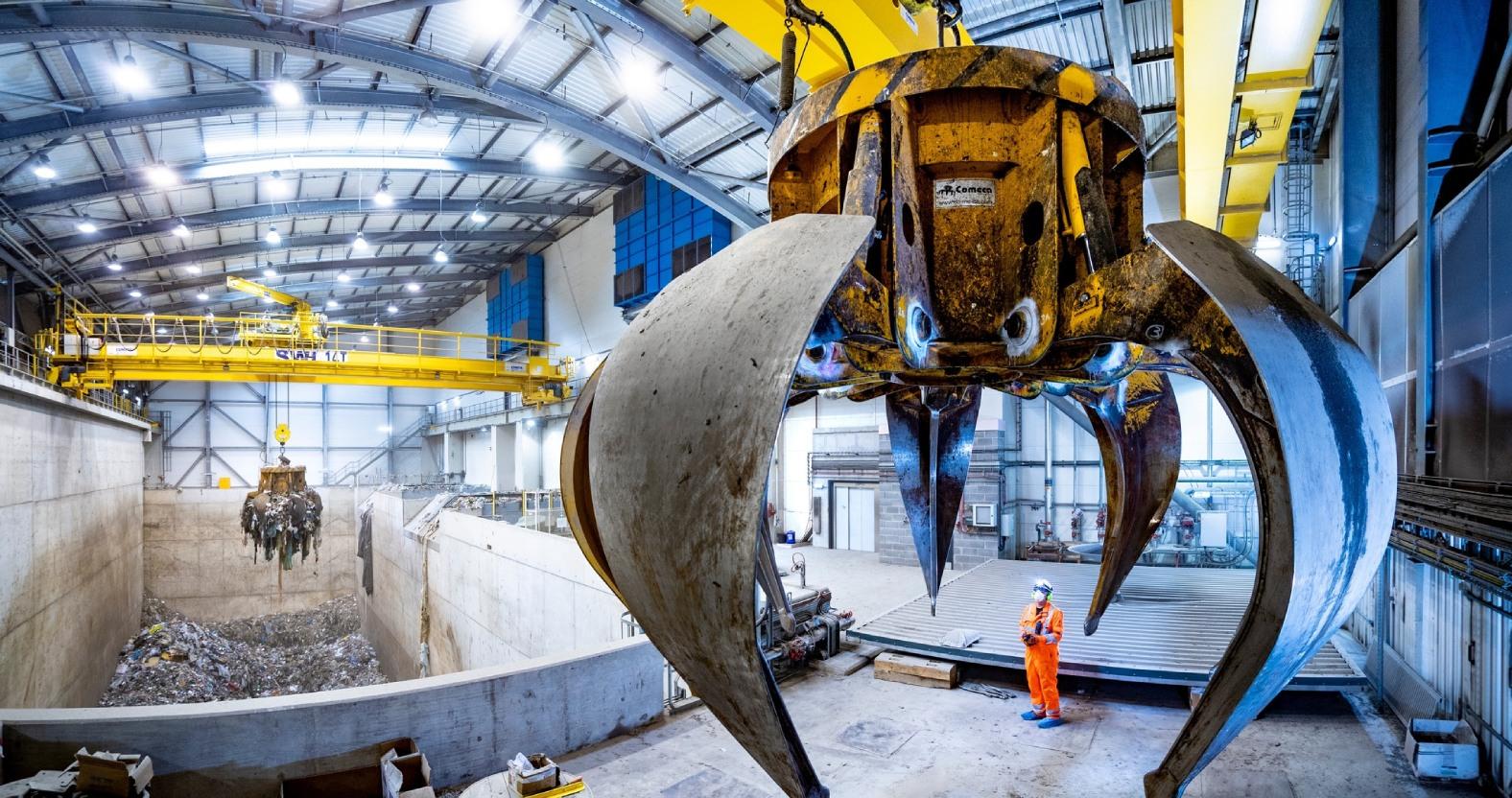
Allerton Park waste plant.
However, air pollution control residues - often referred to as fly ash - is made up of lime, activated carbon and dust from the flue gases which are removed at the final stage of the energy for waste process.
How much of it is produced?
According to the council, the amount of ash equates to approximately 4% of the total volume of waste processed.
The treatment and disposal of fly ash is carried out by a third-party contractor called Augean and regulated by the Environment Agency.
A spokesperson for North Yorkshire Council added:
The levels of ash correlate directly to the waste input and varies from month to month. On average, the amount of ash equates to about four per cent of the total volume of waste processed.
Where does it go?
The dust from fly-ash is classed as hazardous waste. As a result, it must be transported by sealed container.
Augean provides the service which transports the material.
The ash is then taken to the company’s Port Clarence landfill site in Teeside.
A spokesperson for North Yorkshire Council told the Stray Ferret that the waste is closely monitored and regulated by multiple agencies.
They said:
The ash is transported by specialised tankers operated by an experienced haulier. The treatment and disposal of fly ash by a third-party contractor is subject to regulation by the Environment Agency and local authorities. In addition, as a responsible operator, Thalia conducts regular site visits to ensure compliance.

1