Subscribe to trusted local news
If you are accessing this story via Facebook but you are a subscriber then you will be unable to access the story. Facebook wants you to stay and read in the app and your login details are not shared with Facebook. If you experience problems with accessing the news but have subscribed, please contact subscriptions@thestrayferret.co.uk. In a time of both misinformation and too much information, quality journalism is more crucial than ever. By subscribing, you can help us get the story right.
- Subscription costs less than £1 a week with an annual plan.
Already a subscriber? Log in here.
28
Sept
River Nidd: What have we learned after three years of water quality tests?
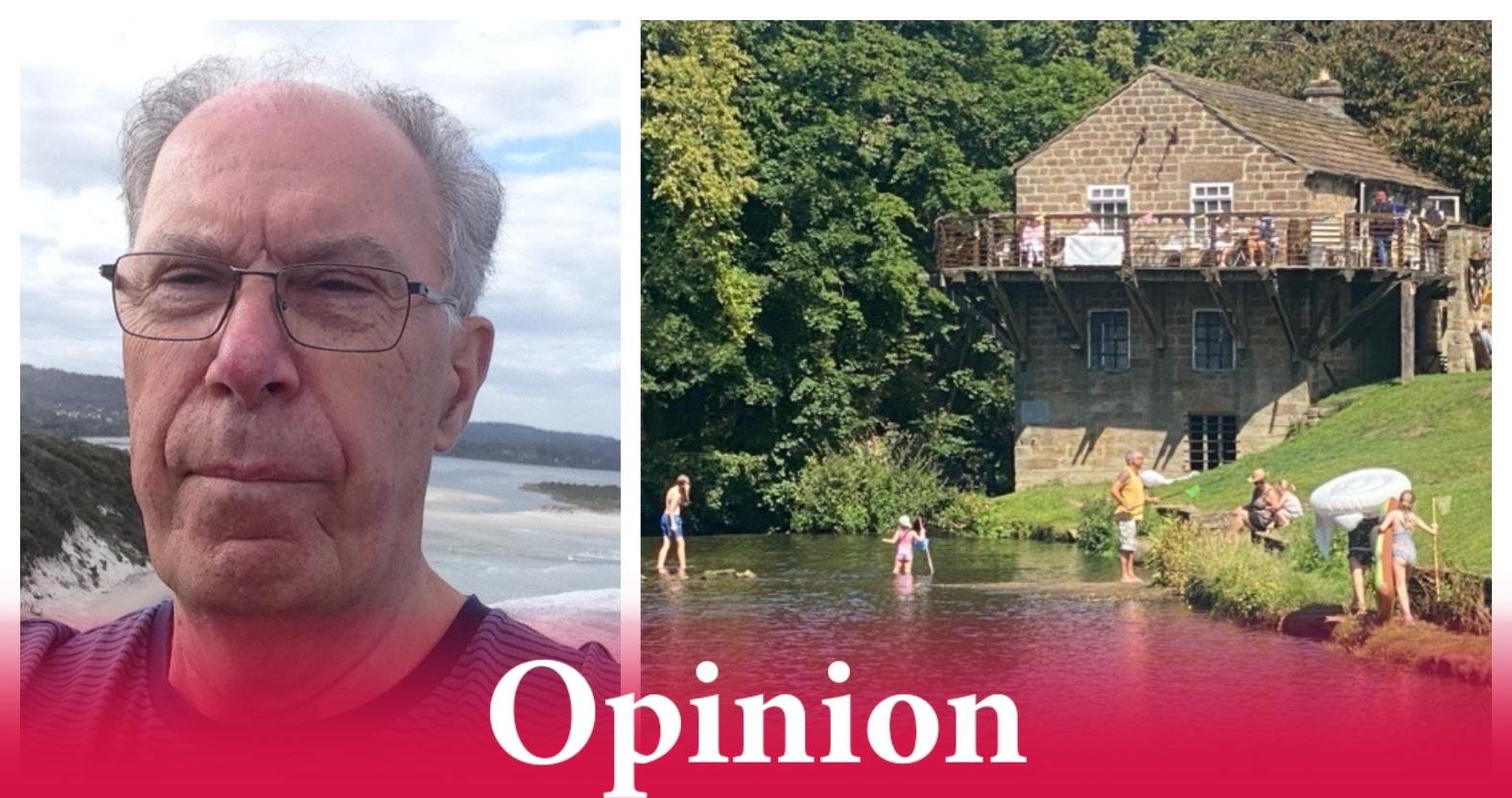
Dr David Clayden is chair of Nidd Action Group, which coordinates efforts to improve water quality in the River Nidd.
The summer bathing season in England's rivers officially ends on Wednesday (September 30), and with it another year's water quality testing.
The results of sampling in the River Nidd are already on the Environment Agency's website for all to see, and I can't help feeling a little disappointed.
Over the three years of data collected since Knaresborough Lido was given bathing water status, the readings for the two most common 'nasties' that make people ill – intestinal enterococci and Escherichia coli (better known as E.coli) – have barely changed.
In other words, the water in the Nidd appears to be just as polluted as it was in 2024.
Yorkshire Water does have a major investment programme to tackle the problem between 2025 and 2030, but progress is slow and will take some time to come into effect.
Yet we shouldn't be dispirited.
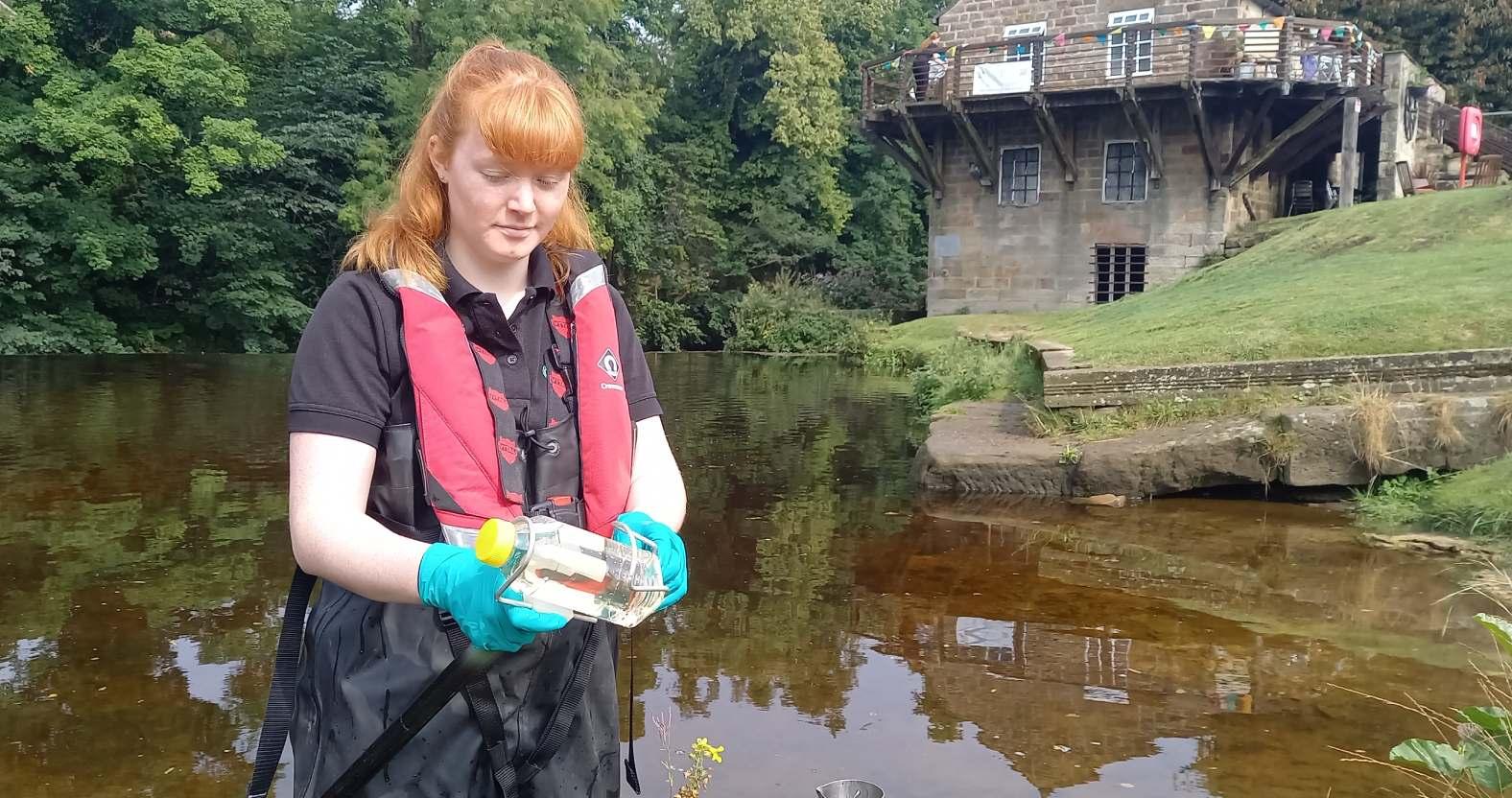
Steph Ricketts, environmental monitoring officer with the Environment Agency, holding a water sample collected at Knaresborough Lido during the summer.
The River Wharfe at Ilkley was the first freshwater site in the country to be given bathing water status in 2021, and its data also looks very similar after five years.
But the most recent sampling of water there, which was carried out this month, has local citizen scientists quite excited, as the data show extremely low E.coli levels, which they attribute to the completion of major sewage treatment improvements and the moving of outfall pipes to below the Cromwheel bathing site. A load of money spent over a number of years, trying out reedbeds as well as massively increased storage tanks.
It's encouraging, although I do have concerns that the work carried out at Ilkley may just move some of the problems further downstream. That's why we need to look at the whole river, not just where most people swim.
Not just about sewage
As unimpressive as the Nidd's water quality data is so far, we are learning far more about the nature of the problem at Knaresborough.
Not only are we drawing lessons from Yorkshire Water's and the Environment Agency's experiences in Ilkley, but we are also gathering far more information on the Nidd itself.
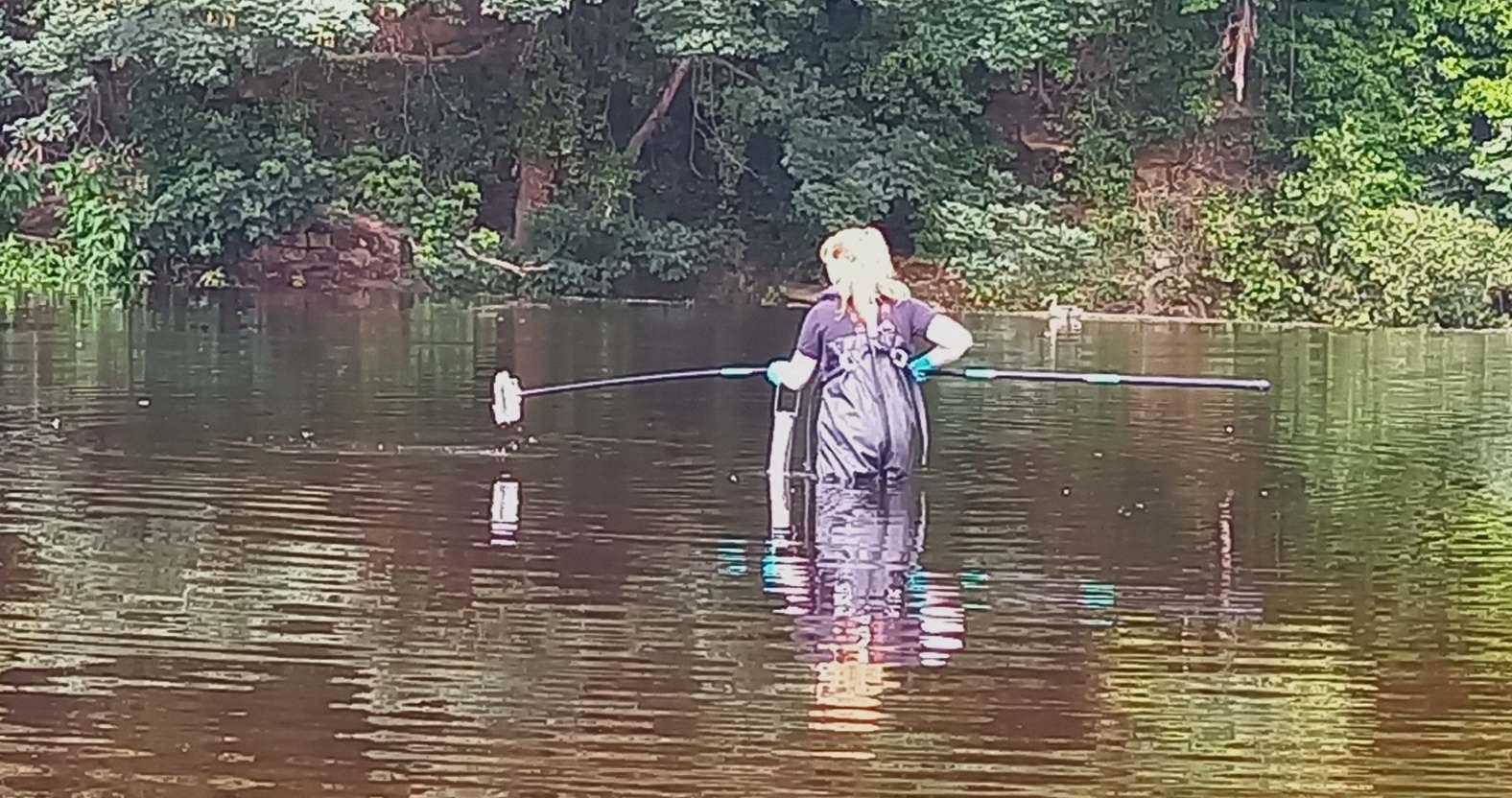
The Environment Agency's Steph Ricketts has been sampling the water at Knaresborough Lido through the summer.
The Environment Agency is just finalising a report following its extension of water quality monitoring in 2025 as far upstream as Pateley Bridge.
The research seems to show that spells of heavy rain are associated with high bacteria concentrations at the Lido and further upstream – in the Nidd Gorge and beyond – showing that pollution at the Lido comes from the broader Nidd catchment, and not just from local sources such as sewage outfalls.
Another finding is that the E.coli bacteria at the Lido were predominantly of human origin, but supplemented by bacteria from ruminants (sheep and cows), particularly during rainy weather.
Insights such as these are vital in helping us understand the nature of the problem, and will be useful in guiding any attempts to tackle, and ultimately eradicate, the sources of pollution.
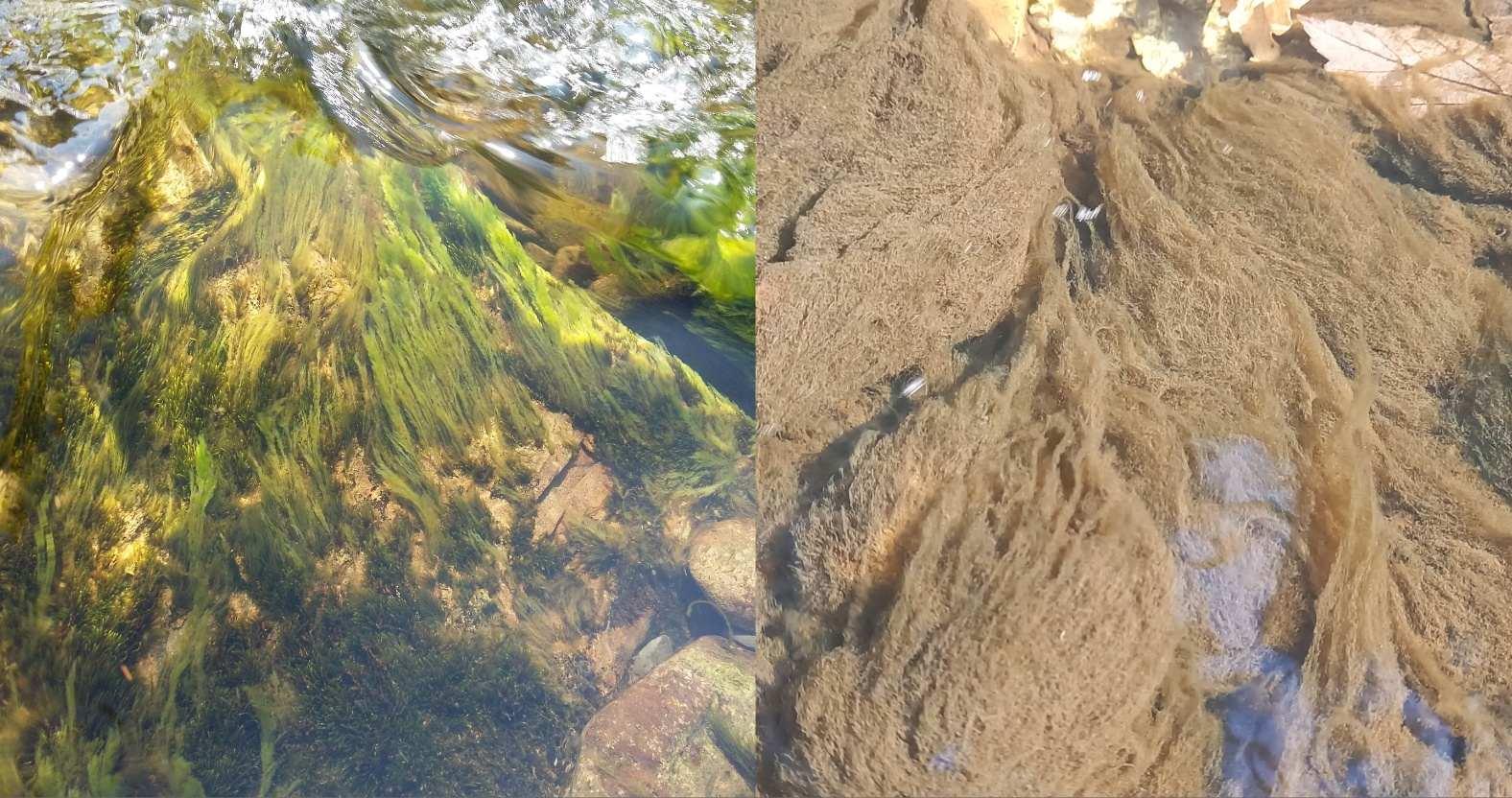
Left: healthy willow weed growing in a Yorkshire river Right: the same species killed off by pollution in Oak Beck, a tributary of the Nidd.
Citizen scientists
Of course, our local rivers represent just one branch of a country-wide network of waterways, many of which are facing similar problems, so there are regional and national dimensions to improving our rivers.
There are a number of multi-stakeholder groups working together on specific projects to expand our knowledge. Regionally, the AQuA (Action for Quality Aquatic Environments) project, led by the University of York, was launched in 2024 to monitor and tackle the “toxic cocktail of chemicals” in the region's rivers and lakes.
In August, nine Yorkshire citizen science groups – including NAG for the Nidd – carried out the project's first water sampling, and will take three-monthly repeat samplings at the same locations for two years.
The AQuA project, which includes Environment Agency and Yorkshire Water, promises to provide comprehensive data of relevance to how freshwater sites in Yorkshire and beyond can be made cleaner and safer.
Nationally, the Sewage Campaign Network (SCN) – of which Nidd Action Group is also a member – has proposed many changes to the current Water Bill going through Parliament, which includes better regional (catchment) management and greater public involvement.
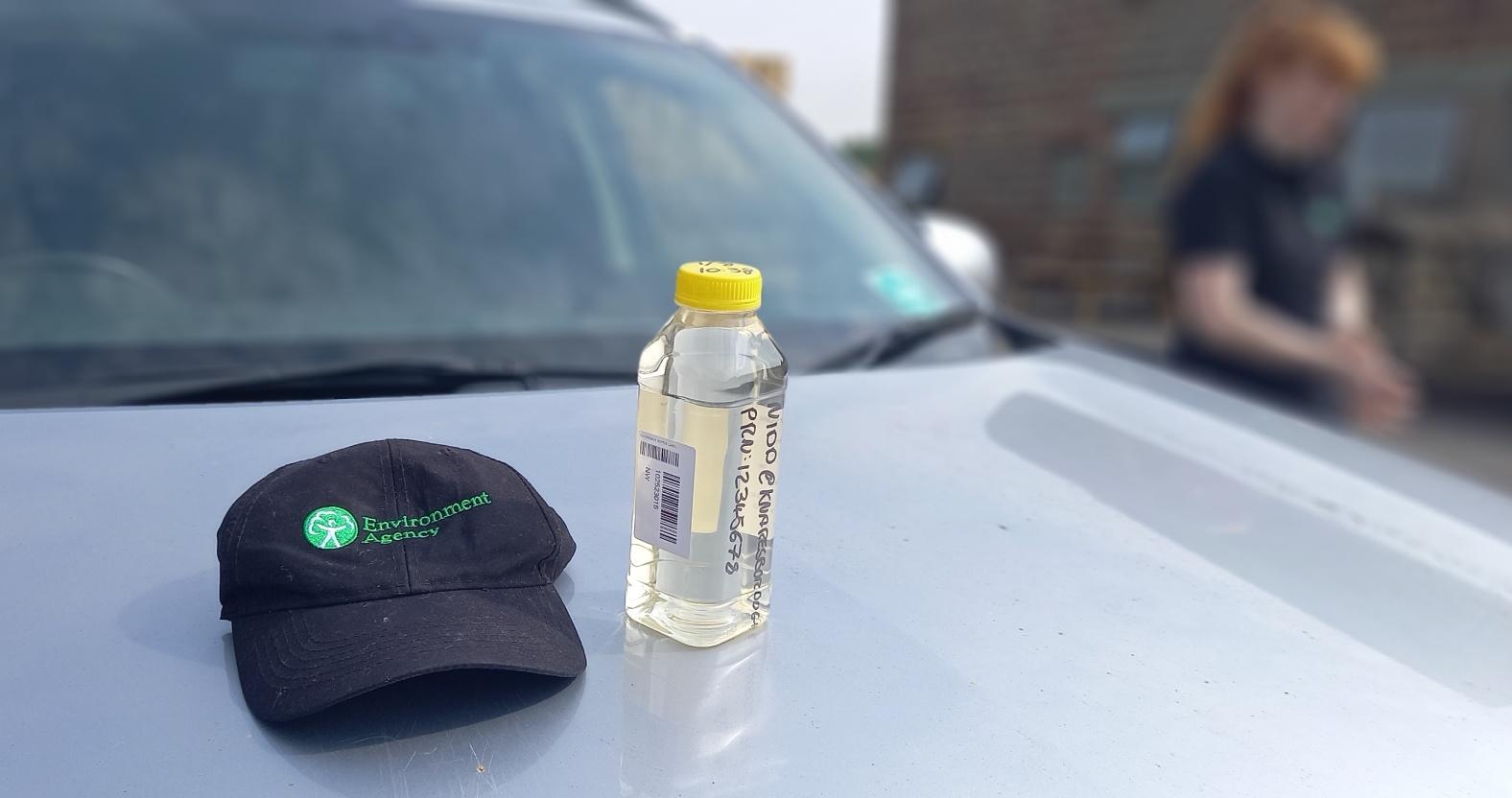
A water sample taken at Knaresborough Lido.
These efforts are led by specialists in their field, but many of the 'troops on the ground' who actually take the samples are citizen scientists – people like you and me, who care about our environment.
That fact alone highlights one of the truths at the heart of the matter: the state of our rivers is in large part up to us.
If we want a cleaner Nidd, it's not just the government, water companies and farmers who need to change their ways. Our own behaviours must change to cope with this new world.
For example, we should be storing rainwater in water butts for garden uses, and it's crucial that we all take care not to inadvertently dump pollutants from our domestic and commercial activities directly into the Nidd and its tributaries. The run-off when you wash your car goes into the gutter, down the drain, and straight into the nearest river – so be careful what products you use.
I am encouraged that we have learnt and are still learning about how pollution affects the Nidd and its users – humans, animals and plants. We need to work together to address the river's problems.

0