Thank you for your interest in this story
To continue reading this article, subscribe to the Stray Ferret for as little as £1 a week
Already a subscriber? Log in here.
26
Jun
10-year plan to help protect 27-acre Ripon beauty spot from new housing
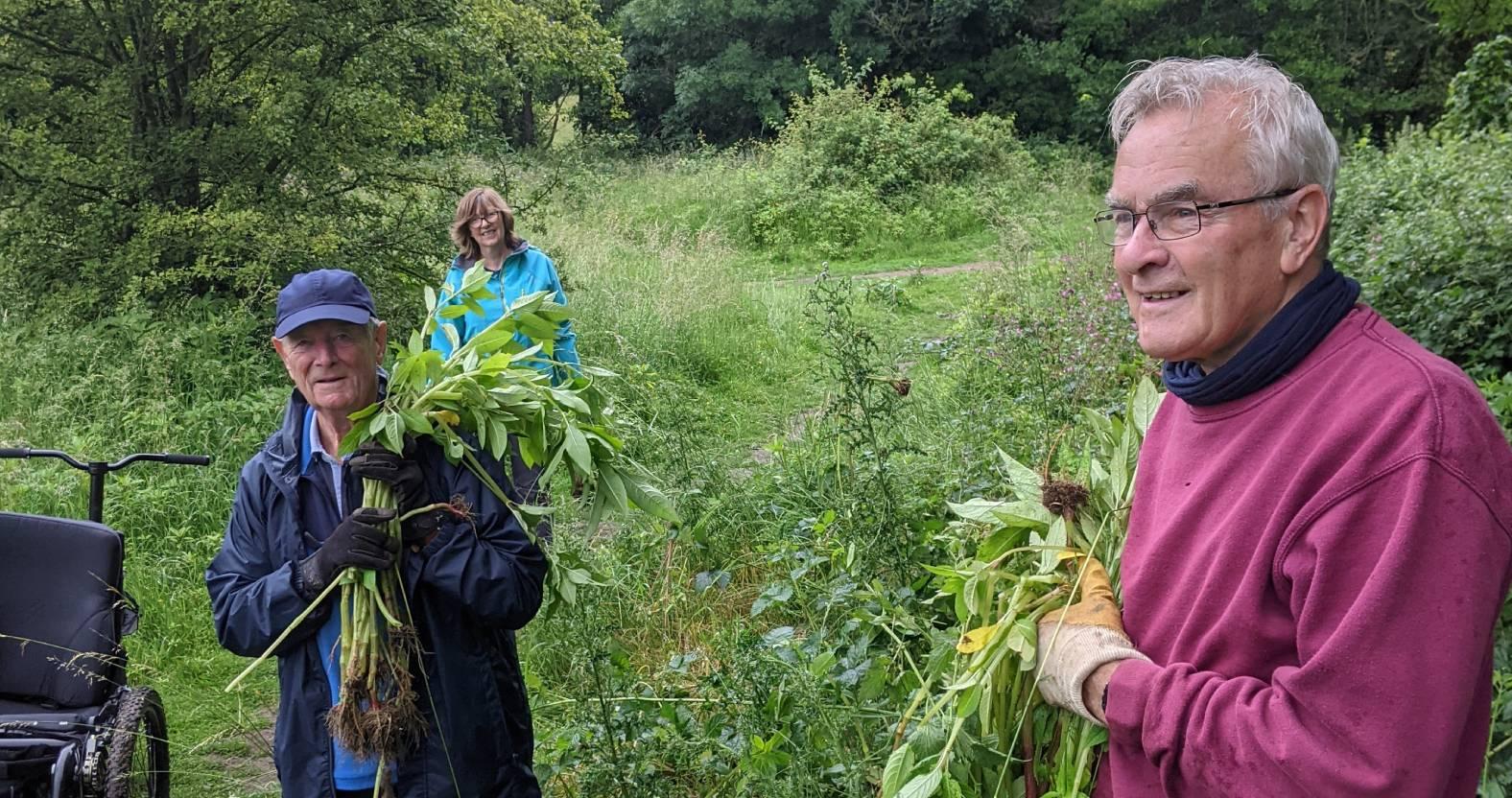
Protecting Hell Wath from the impact of a new 390-home development will be one of the main challenges at the beauty spot in the decade ahead, according to the charity that helps to maintain the site.
Hell Wath is a 27-acre nature reserve and public green space south of Ripon. It links the city with the Unesco World Heritage Site of Fountains Abbey and Studley Royal.
The Friends of Hell Wath published a new 10-year management plan this month that outlines the key challenges to improving the site, which will guide its work over the next decade.
The plan describes the nature reserve as “the most important area of Hell Wath” but adds “it has not been effectively managed”.
It adds:
A key objective of this 2026 management plan is to revitalise the local nature reserve; restoring it into an area recognised by visitors as an important wildlife habitat, to be enjoyed in a responsible manner.
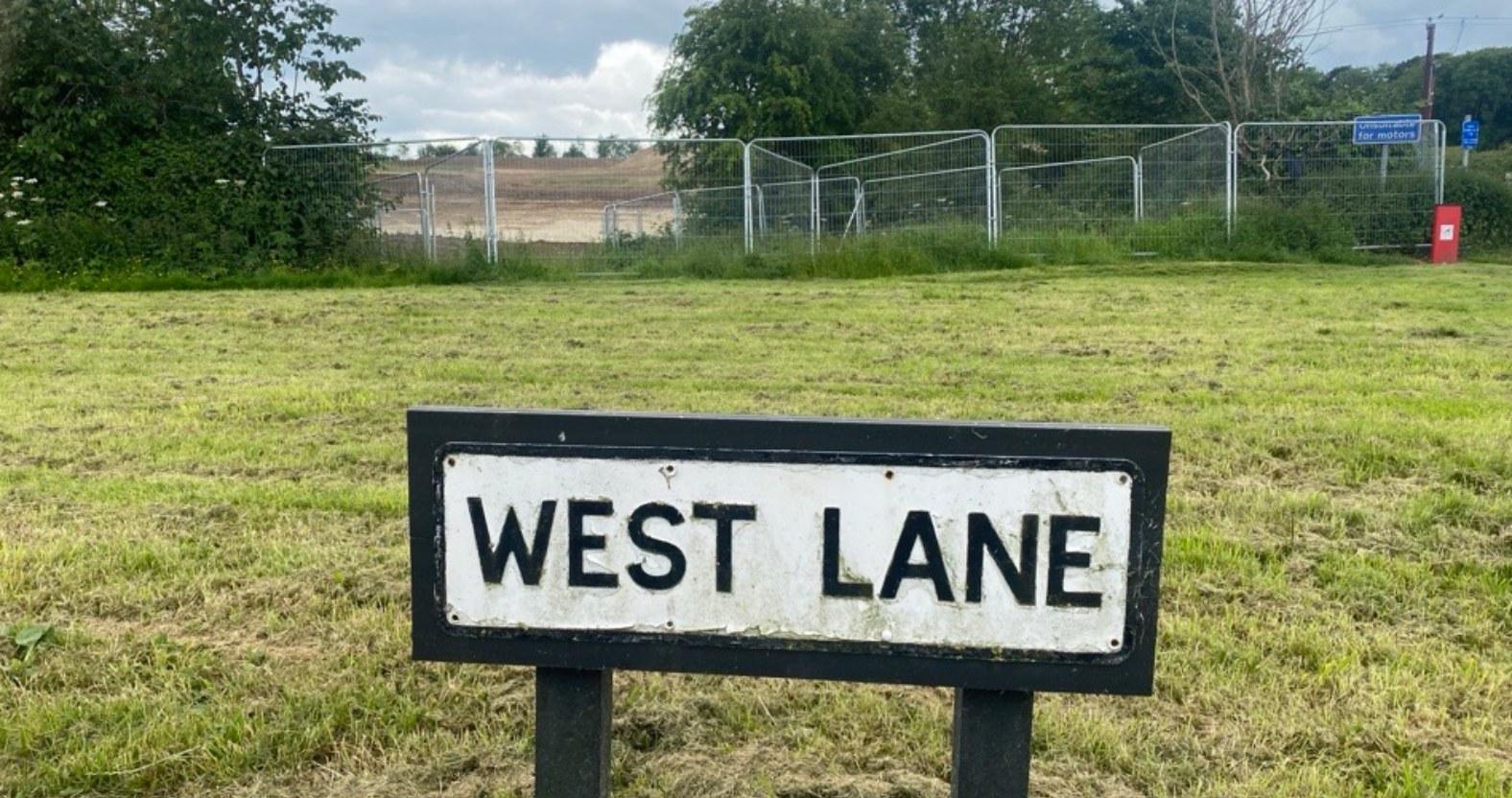
West Lane Ripon
The nature reserve is next to Taylor Wimpey’s 390-home Fountains Walk development at West Lane, where homes are being advertised for prices ranging from £255,000 to £610,000.
Carol Leo, treasurer of the Friends of Hell Wath, said
Hell Wath is coming under increasing pressure from the new West Lane development so we will have to work hard to maintain our focus on preserving and enhancing the local nature reserve as a priority and maintaining the recreational areas as best we can.
It will be great for these residents to have such a lovely green space on their doorstep for dog walking and leisure. More visitors has the potential to create more erosion of the footpaths, the creation of more desire lines across the grasslands and through the woodlands causing damage to existing wildlife habitats.
This is one reason the Friends of Hell Wath want to focus on the designated local nature reserve and to make this an area people respect and want to protect.
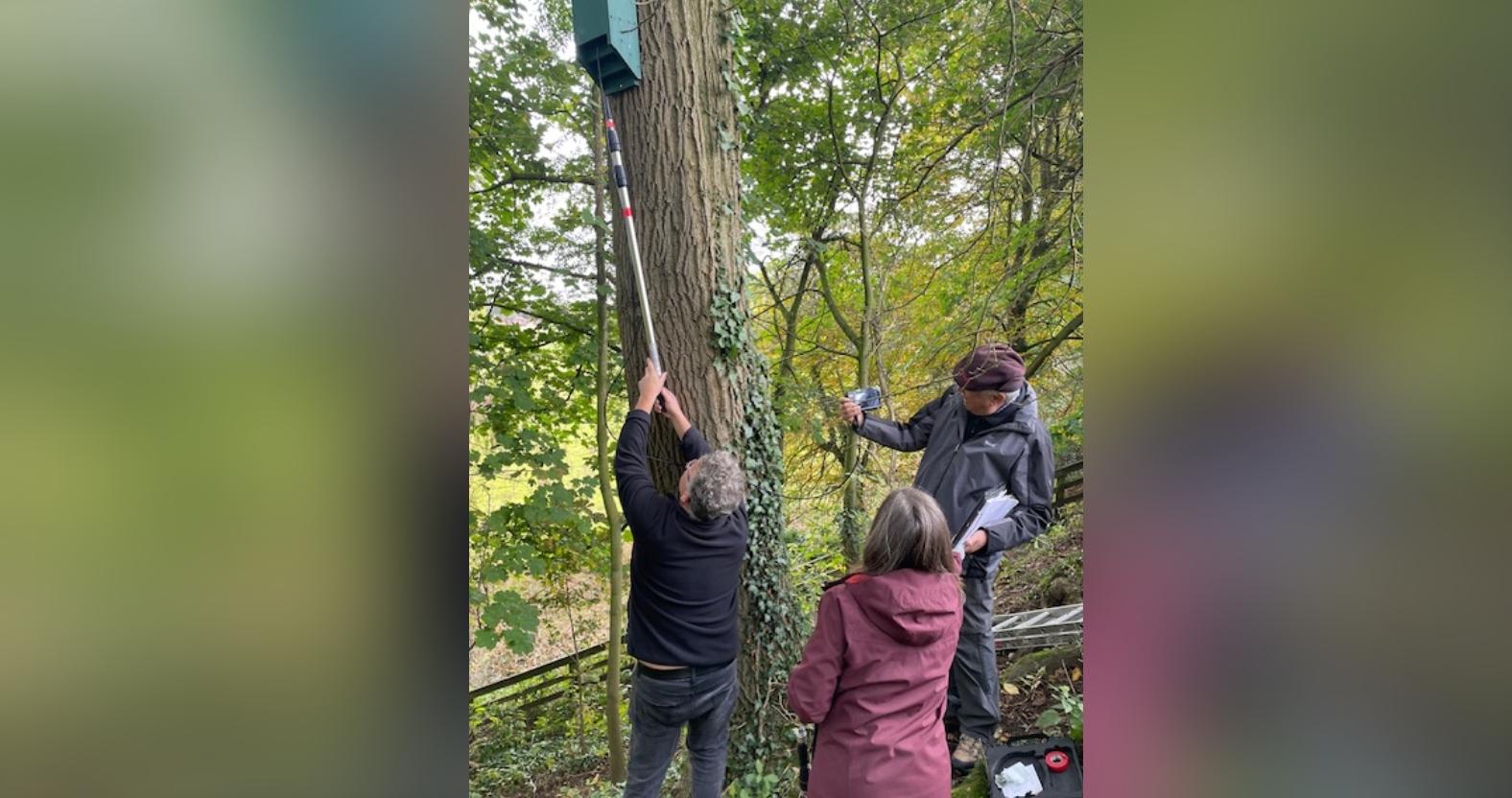
Inspecting bat boxes. Pic: Friends of Hell Wath
The management plan lists include educating visitors about being responsible, restoring habitats and protecting historic structures as key steps to improving the nature reserve over the next 10 years.
Army camp and racecourse
Hell Wath, which has housed an army camp and a racecourse, was part of a vast estate owned by the Vyner family, who were the last owners of Fountains Abbey and Studley Royal before they passed into public ownership in 1966.
Plans to open a sand and gravel quarry in the 1970s were dropped following local protests.
The current lease has been assigned by Tarmac to North Yorkshire Council, which is responsible for maintaining Hell Wath as an open recreational and amenity space to the residents of Ripon.
The Friends of Hell Wath was created in September 2017 to help the council maintain and enhance the site.
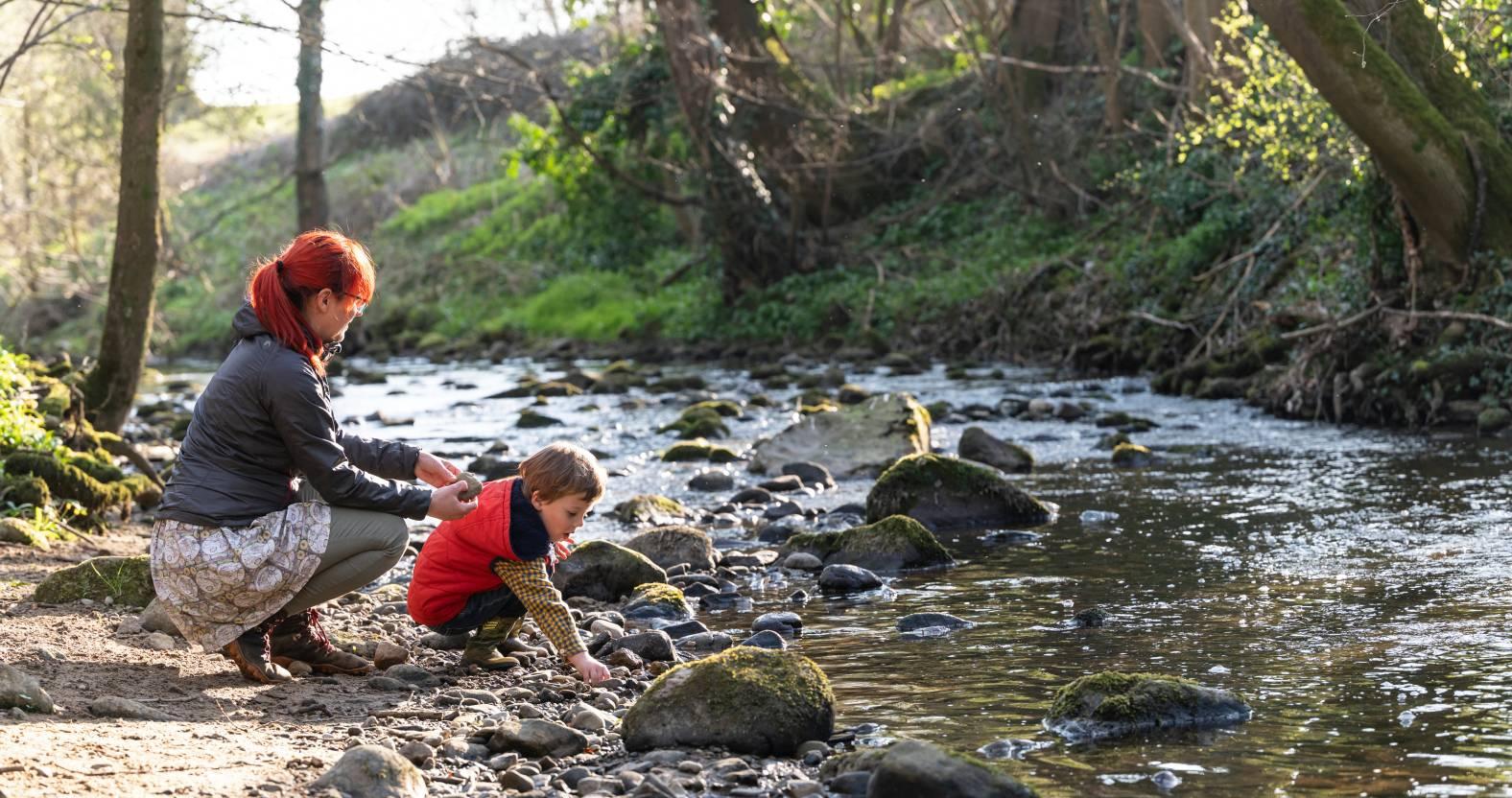
The Skell is a key focal point at Hell Wath Nature Reserve. Pic Paul Harris
Its volunteers played a key role in the £2.5 million Skell Valley project led by the National Trust and Nidderdale National Landscape to reduce the flood risk at Fountains Abbey and Studley Royal.
The name Hell Wath is derived from the Old Norse words for 'flat stone ford', which was used to cross the River Skell.

0