Thank you for your interest in this story
To continue reading this article, subscribe to the Stray Ferret for as little as £1 a week
Already a subscriber? Log in here.
27
Apr
Bathers defy Yorkshire Water to go swimming at Swinsty
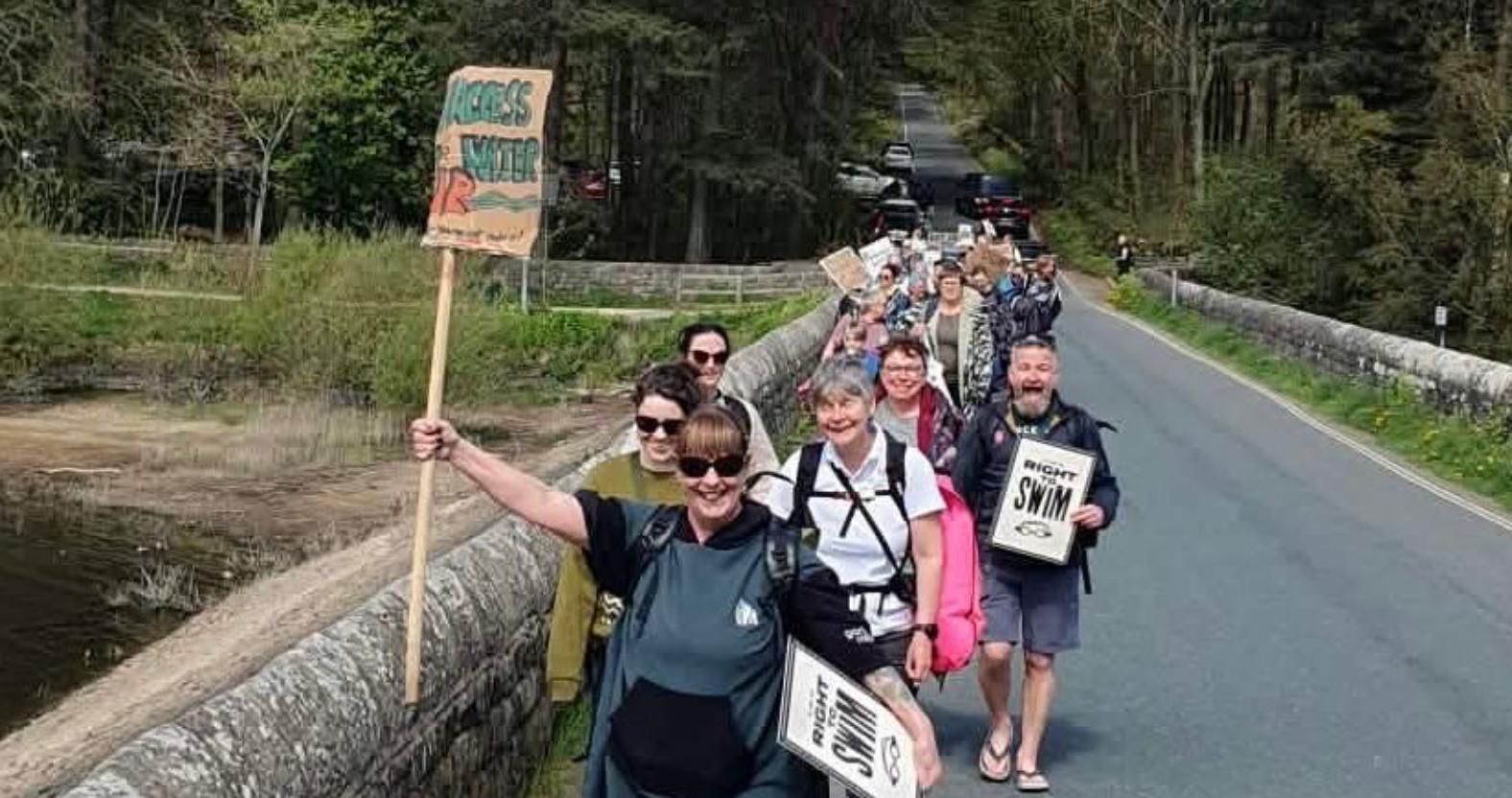
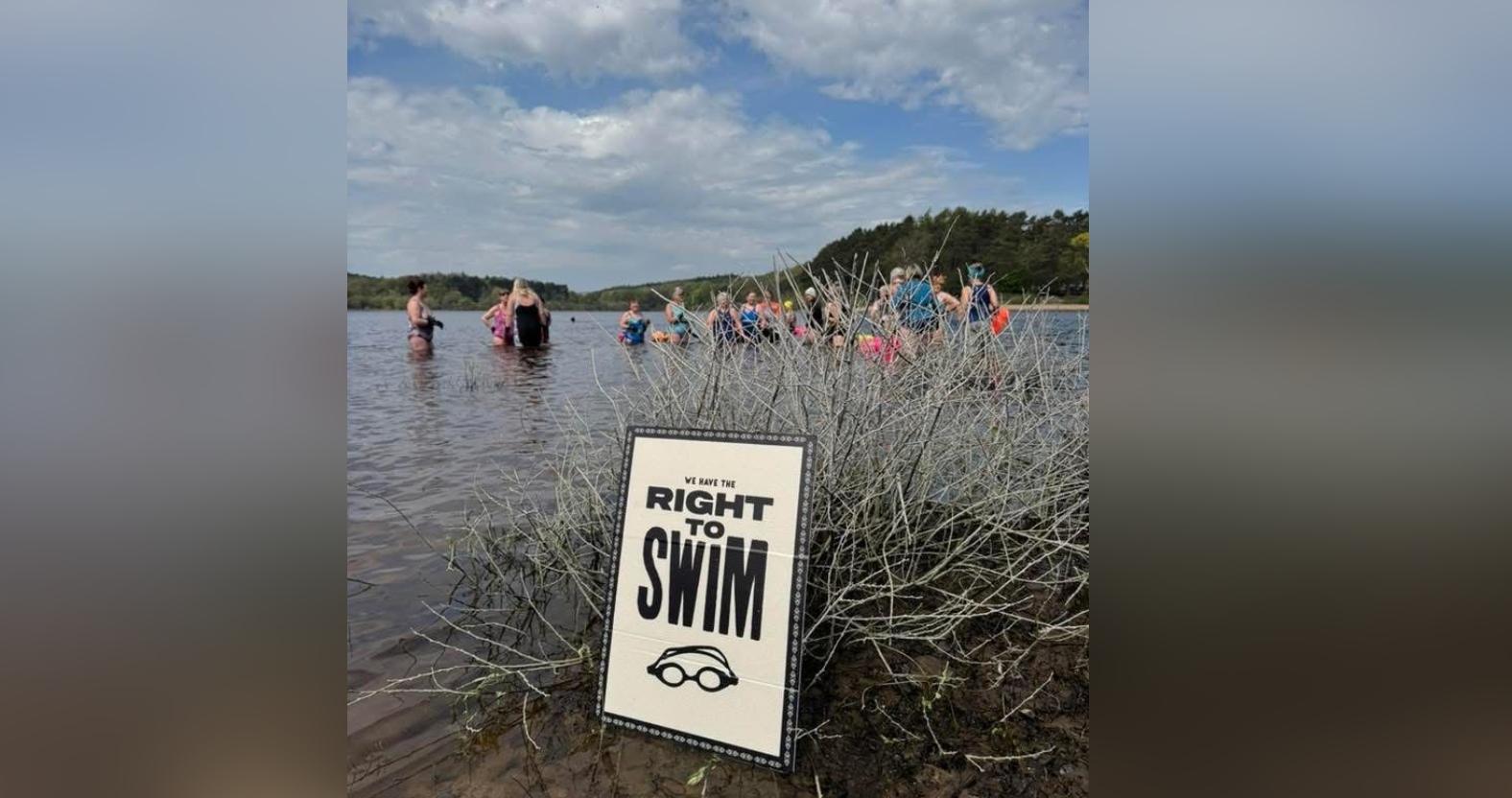
More than 60 bathers defied appeals by Yorkshire Water yesterday (April 26) by going for a dip in Swinsty Reservoir.
They were taking part in a nationwide mass trespass against rules on open water swimming, as reported by the Stray Ferret on Friday.
Swimming is not permitted at Yorkshire Water reservoirs, and the company had urged people not to take part.
It said bathers risked cold-water shock and strong currents caused by water extraction and hidden machinery “pose a real hazard to anyone entering the water”.
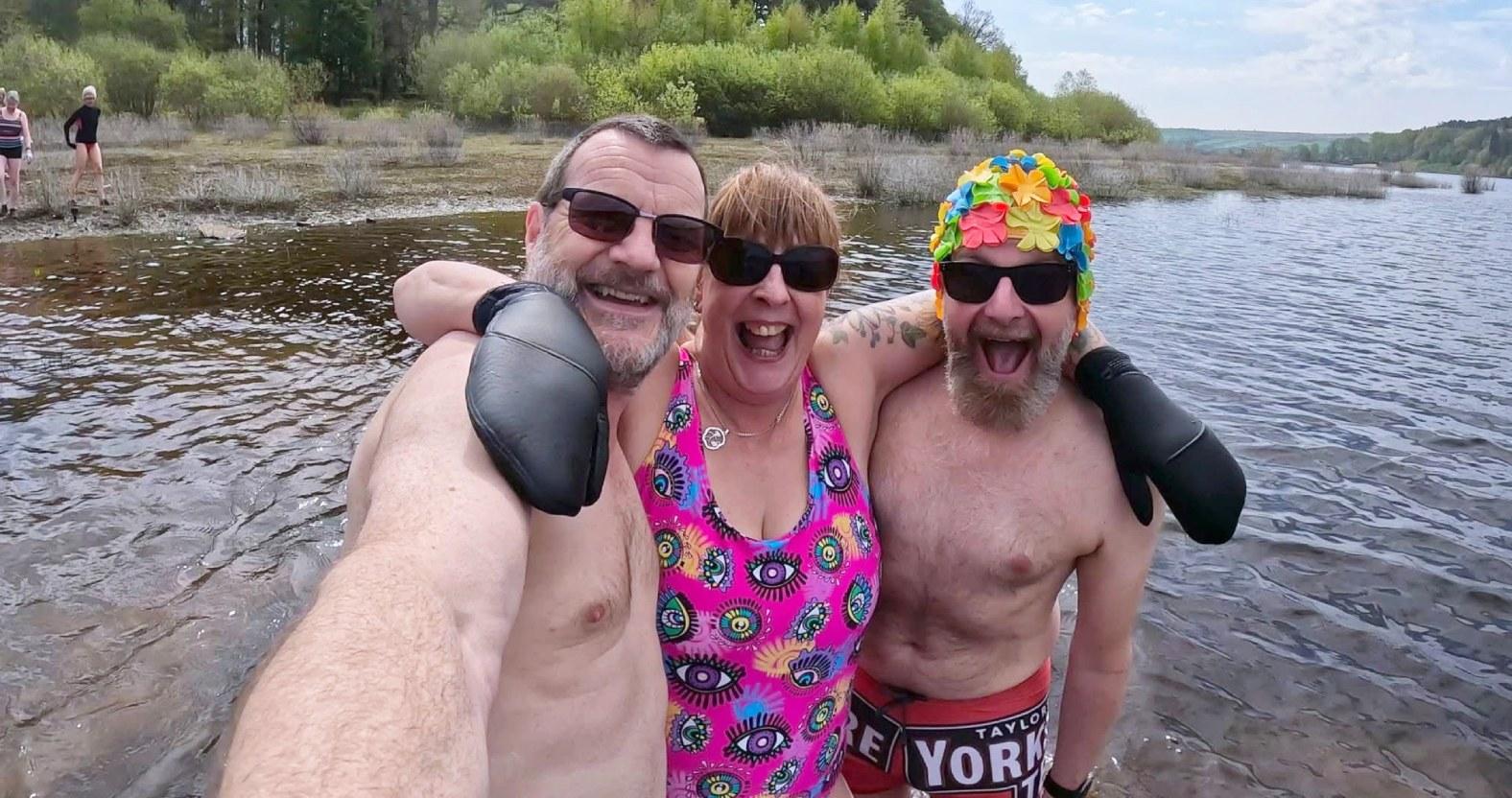
Entering the water
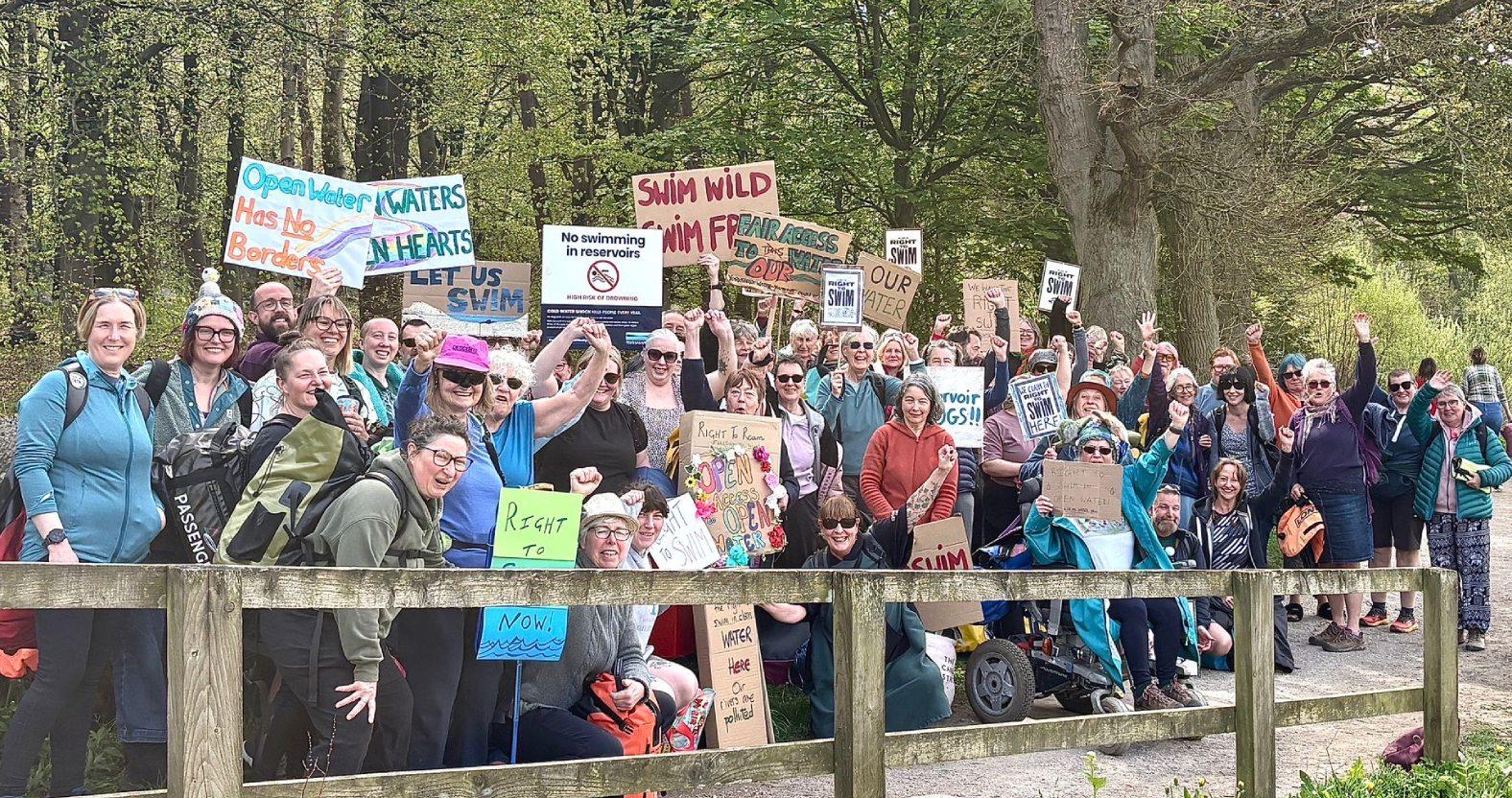
Campaigners before the swim at Swinsty.
This was the third year the Swinsty gathering took place. It was part of a series of events marking the 94th anniversary of the Kinder trespass in 1932 when hundreds of local walkers challenged their exclusion from the countryside with a mass trespass at Kinder Scout in the Peak District.
That kickstarted a campaign to improve access to land and resulted in the right to roam.
Jude Caldwell, who was among those at Swinsty, said:
We want the same rights for swimmers.
Swimmers from all over England are doing the same, trying to ensure that we have the same laws that Scotland have giving us the right to swim in the water we all own. The massive profits of water companies are a disgrace, but they manage to allow and even encourage usage for the people that pay and that they can police.
The Water Industry Act 1991 Section 3 (5) states that water companies must ‘ensure that the water or land is made available for recreational purposes and is so made available in the best manner’, and whilst many reservoirs have footpaths, fishing, paddle boarding and boating, swimming is generally prohibited. This must change.
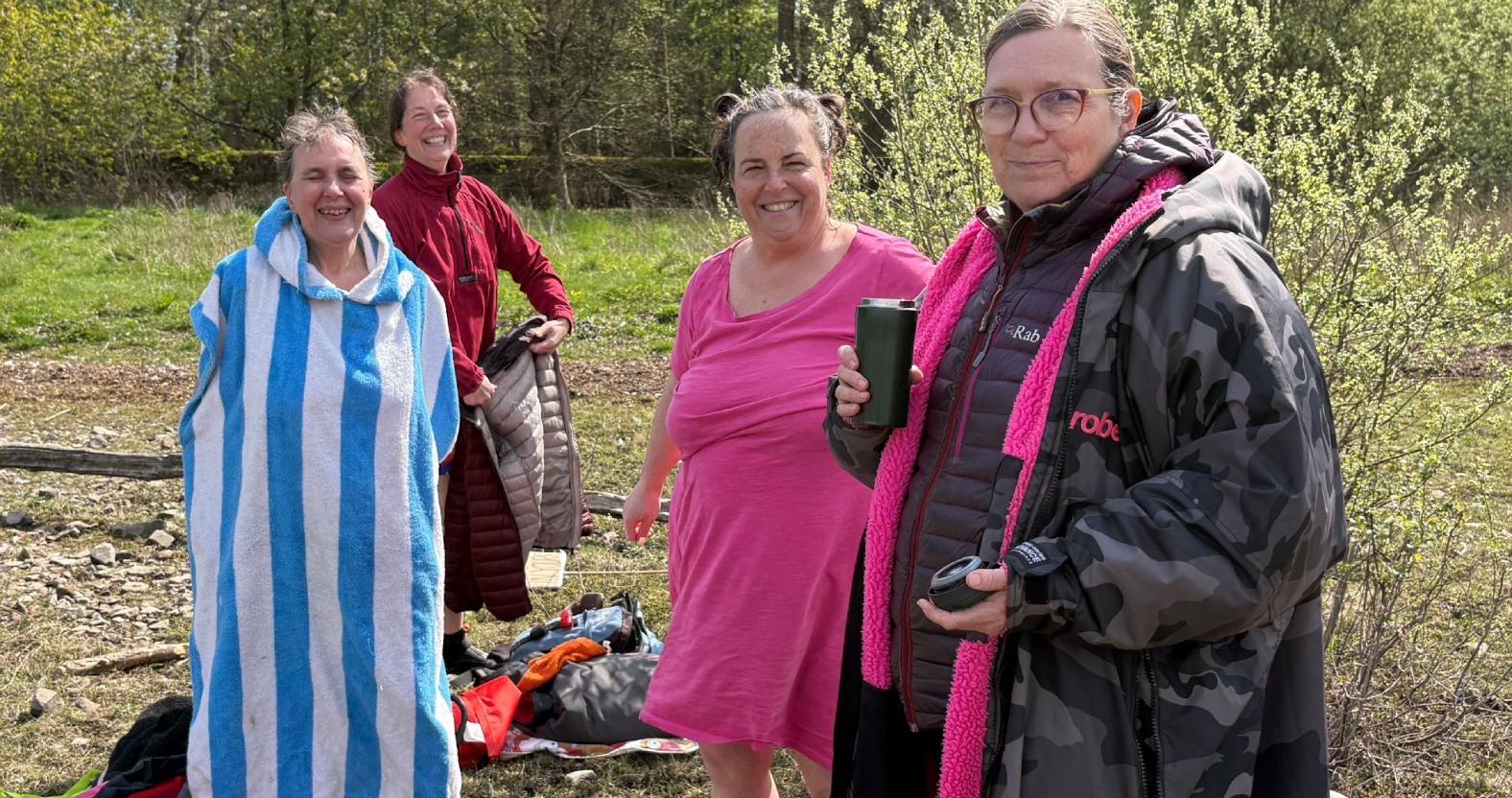
Some of those taking part.
'Inherent risks'
A Yorkshire Water spokesperson said last week:
We don’t permit swimming in our reservoirs because of the inherent risks associated with this. The water at Swinsty Reservoir remains cold, even in the summer, posing a real risk of cold-water shock which can lead to drowning.
Strong currents caused by water extraction create dangerous swimming conditions and reservoirs are operational assets with machinery hidden beneath the surface, which pose a real hazard to anyone entering the water.
Reservoirs are often in rural areas a long distance away from emergency services. Whilst our rangers will be on site over the weekend, they are not trained lifeguards or emergency service members and will be there to observe and report.

6