Thank you for your interest in this story
To continue reading this article, subscribe to the Stray Ferret for as little as £1 a week
Already a subscriber? Log in here.
20
Oct
Campaigners question 'sustainable' claim for 2.7-million chicken farm near Ripon
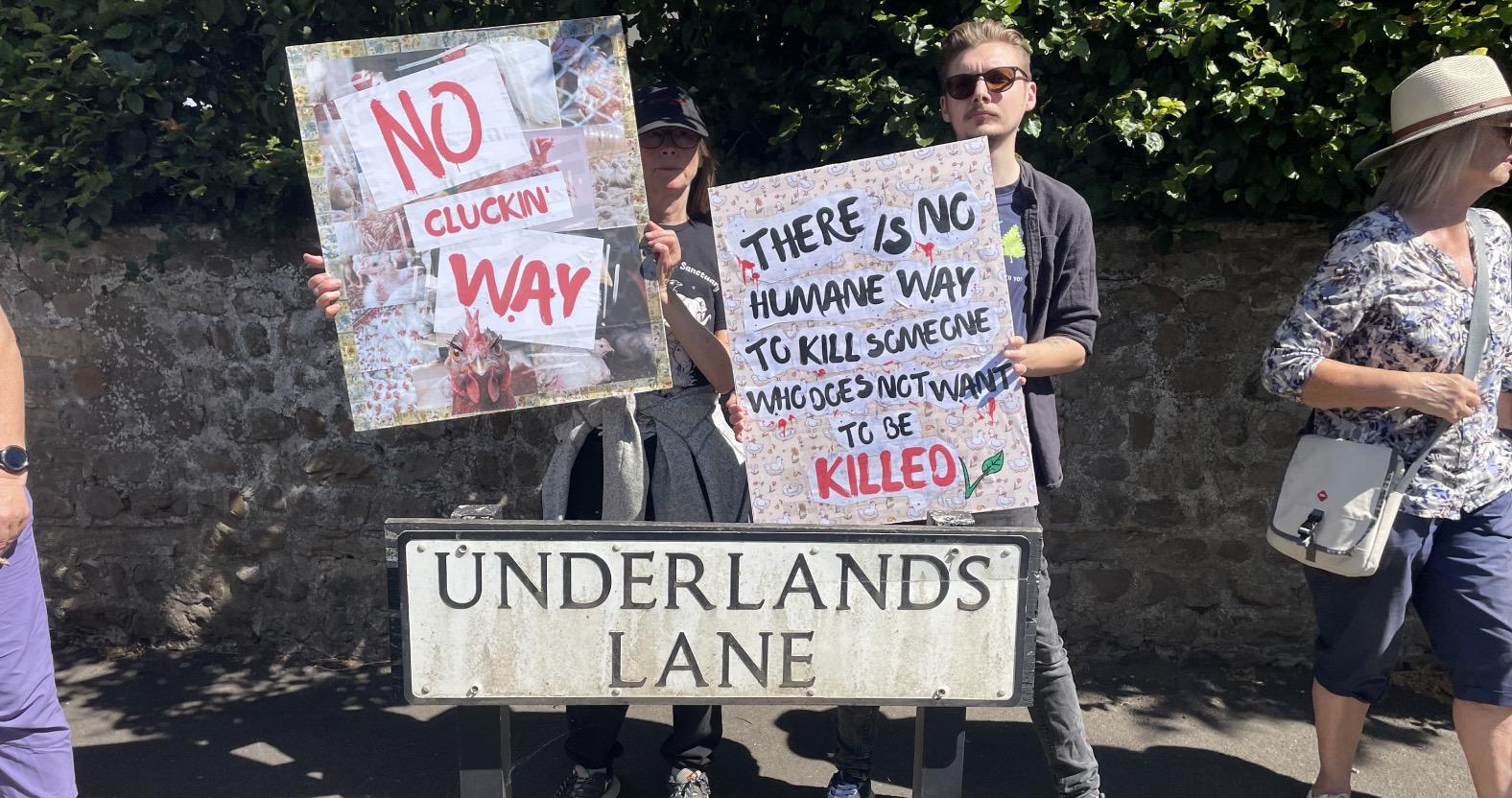
Campaigners fighting plans to create one of Britain’s biggest chicken farms near Ripon have challenged the developer’s claim that the scheme would represent a sustainable form of development.
Easingwold-based Forest Poultry Ltd wants to build six poultry houses at Underlands Lane, Melmerby, with capacity for 360,000 birds at any one time and an estimated annual output of 2.7 million chickens.
The Stray Ferret was the first to reveal the proposals, which were submitted to North Yorkshire Council in April.
The application has attracted 466 objections and one expression of support. The council’s target date for deciding the application is December 4.
In a submission to the council, planning consultant Ian Pick, of Harrison Pick, acting for Forest Poultry, argued that revisions to the government’s National Planning Policy Framework in August provided “a more explicit presumption in favour of development in sustainable locations”.
Mr Pick said the revised guidance supported farmers and added: “There is no conflict with any national policy provision that would require refusal.”
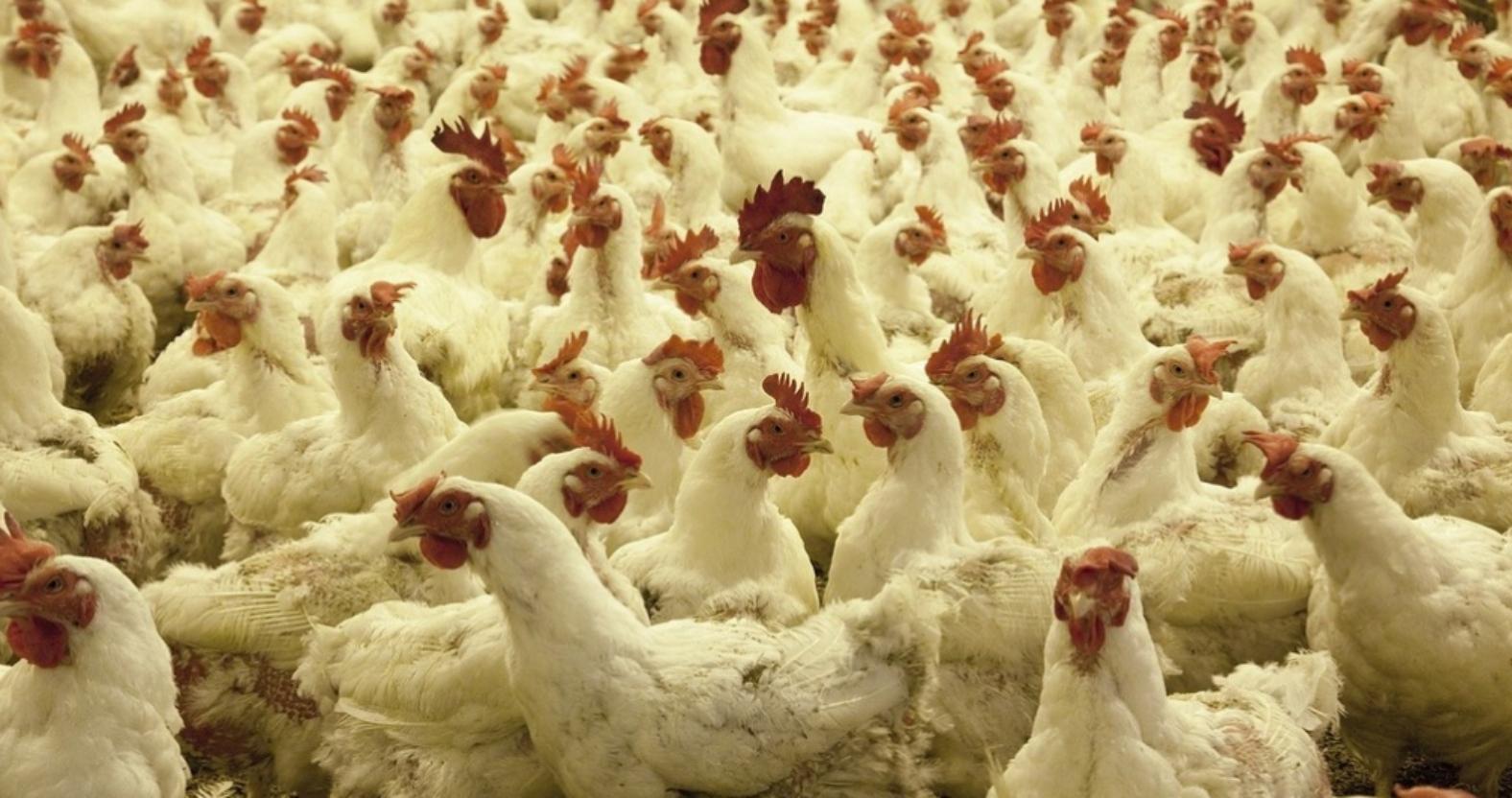
Pic: Pixabay
'Questions unanswered'
But the 9 Villages Local Group, which opposes the development, disputes that assessment.
In a 50-page objection, the group argues that the scheme should not benefit from the revised framework’s presumption in favour of sustainable development. It raises concerns about the impact on local communities, climate change and the additional heavy goods vehicle traffic.
The group estimates there would be 90 HGV movements on days when birds are collected.
It has also questioned the proposed arrangements for disposing of the 3,968 tonnes of chicken manure expected to be generated annually, highlighting the reported risk of closure facing Thetford Biomass Power Station in Norfolk, the intended destination for the waste.
Campaigner Brian McHugh said the revised planning guidance did not amount to automatic approval for new developments.
Despite what the applicant thinks, the revised planning guidance published in August does not give an automatic green light for developments. Nothing really has changed. Applications still need to be assessed on whether the benefits outweigh the harms.
With this detailed, thorough and comprehensive objection from the 9 Villages Group, it is now all too clear that the proposal to build a chicken factory in Melmerby continues to leave questions unanswered about mitigation issues and inconsistencies.

The landscape plan showing the six poultry houses. Image: Terrain Landscapes Ltd on behalf of Forest Poultry Ltd
Chicken manure
The disposal of nearly 4,000 tonnes of chicken manure a year is one of the most contentious aspects of the application.
In an update submitted this month, Harrison Pick said the applicant still intended to transport all the manure to Thetford Biomass Power Station, about 230 miles away.
However, it outlined an alternative arrangement if the power station could no longer accept the waste:
“In the event that Thetford Biomass Power Station is unable to accept manure from the site, all manure will be collected and removed by AWSM Farming Ltd”.
AWSM Farming Ltd, based in Richmond, sources organic feedstocks from agricultural producers and supplies them to permitted anaerobic digestion facilities across northern England, according to the applicant’s submission.
Harrison Pick said manure would be removed directly from the poultry houses at the end of each flock cycle, with no storage on the farm.
It said the waste would be loaded into sealed, sheeted bulk trailers and taken directly to the receiving facility. Under the proposed arrangements, there would be no intermediate storage, piles of manure in fields or spreading of untreated manure on land.
The consultant concluded that there would be no significant residual environmental effects from waste generation, handling, transport or disposal under either the main or contingency arrangements.
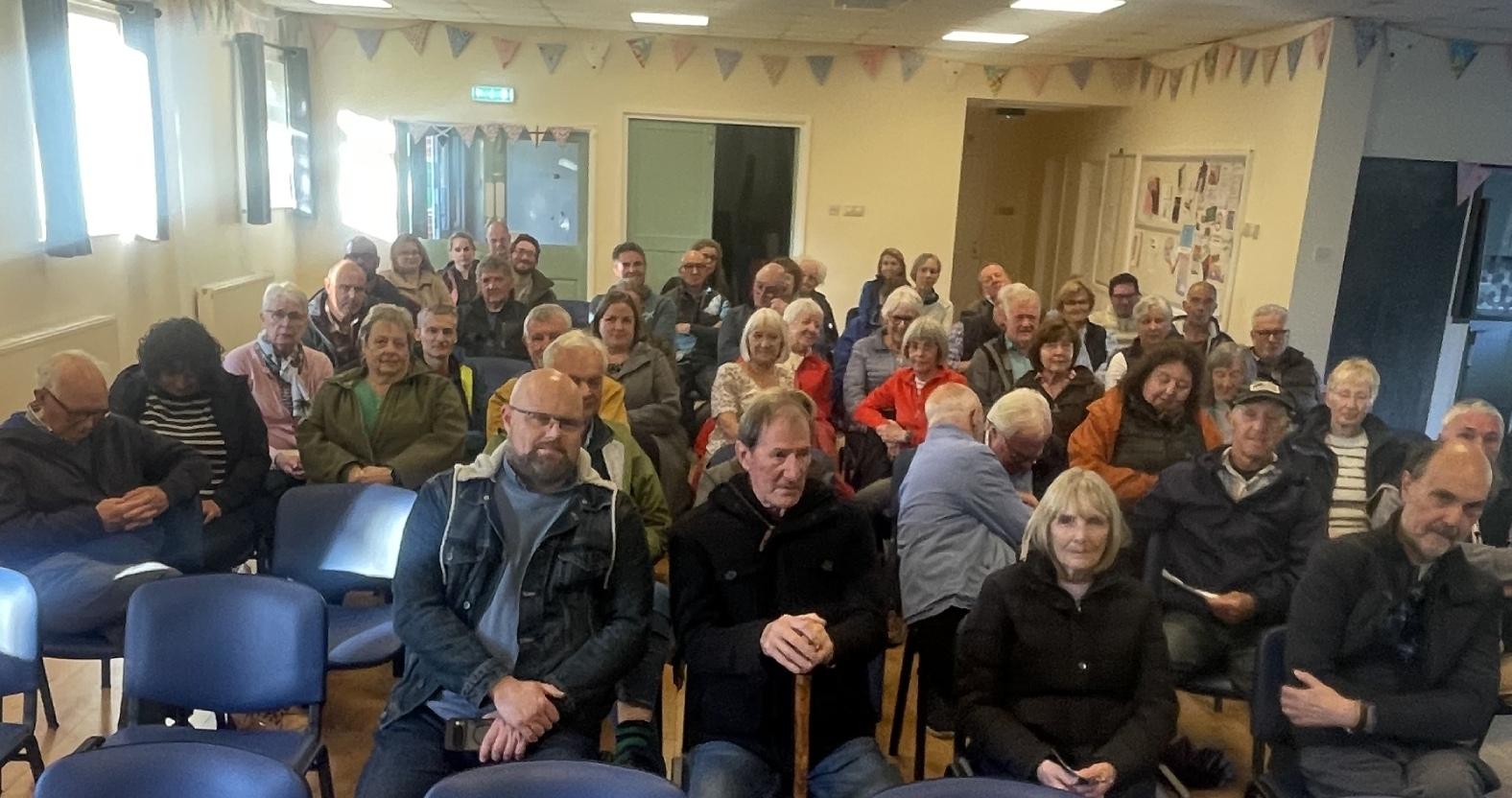
Opponents at a public meeting in Melmerby.
What is being proposed?
Forest Poultry is seeking permission to build six steel poultry houses, each measuring 126 metres long and 25 metres wide.
Each building would accommodate up to 60,000 birds, giving the site a total capacity of 360,000 chickens.
Day-old chicks would be delivered to the farm and reared for between 30 and 38 days before being taken for slaughter. The buildings would then be cleaned and prepared for the next flock, around 10 days later.
The applicant expects to complete approximately 7.5 flock cycles a year, producing an estimated 2.7 million birds annually.
The development would also include a plant room, gas storage tanks, nine feed bins, staff welfare facilities and car parking.
In its design and access statement, Forest Poultry describes itself as an “award-winning, intensive broiler (meat) chicken producer based in North Yorkshire”. Founded in 2013 by farmer Harry Shepherd, the company has “grown into a major operation producing millions of birds a year”, the statement says.
The company argues that the Melmerby development would “facilitate the efficient and sustainable production of broiler chickens for the UK food supply chain”.
Its application also points to the proportion of poultry consumed in Britain that is imported, claiming that overseas production accounts for 25% of UK consumption, with Thailand, Poland and Brazil among the main countries of origin.
The proposed farm, it argues, would respond to “a clear and evidenced national need to increase domestic poultry production capacity within the United Kingdom”.
The council must now weigh the applicant’s case for expanding domestic food production against the objections raised by residents and campaigners, including their concerns about traffic, environmental impacts and the long-term arrangements for disposing of poultry waste.

0