Thank you for your interest in this story
To continue reading this article, subscribe to the Stray Ferret for as little as £1 a week
Already a subscriber? Log in here.
11
Jan
Concern that £41m North Yorkshire bus funding won’t go far enough
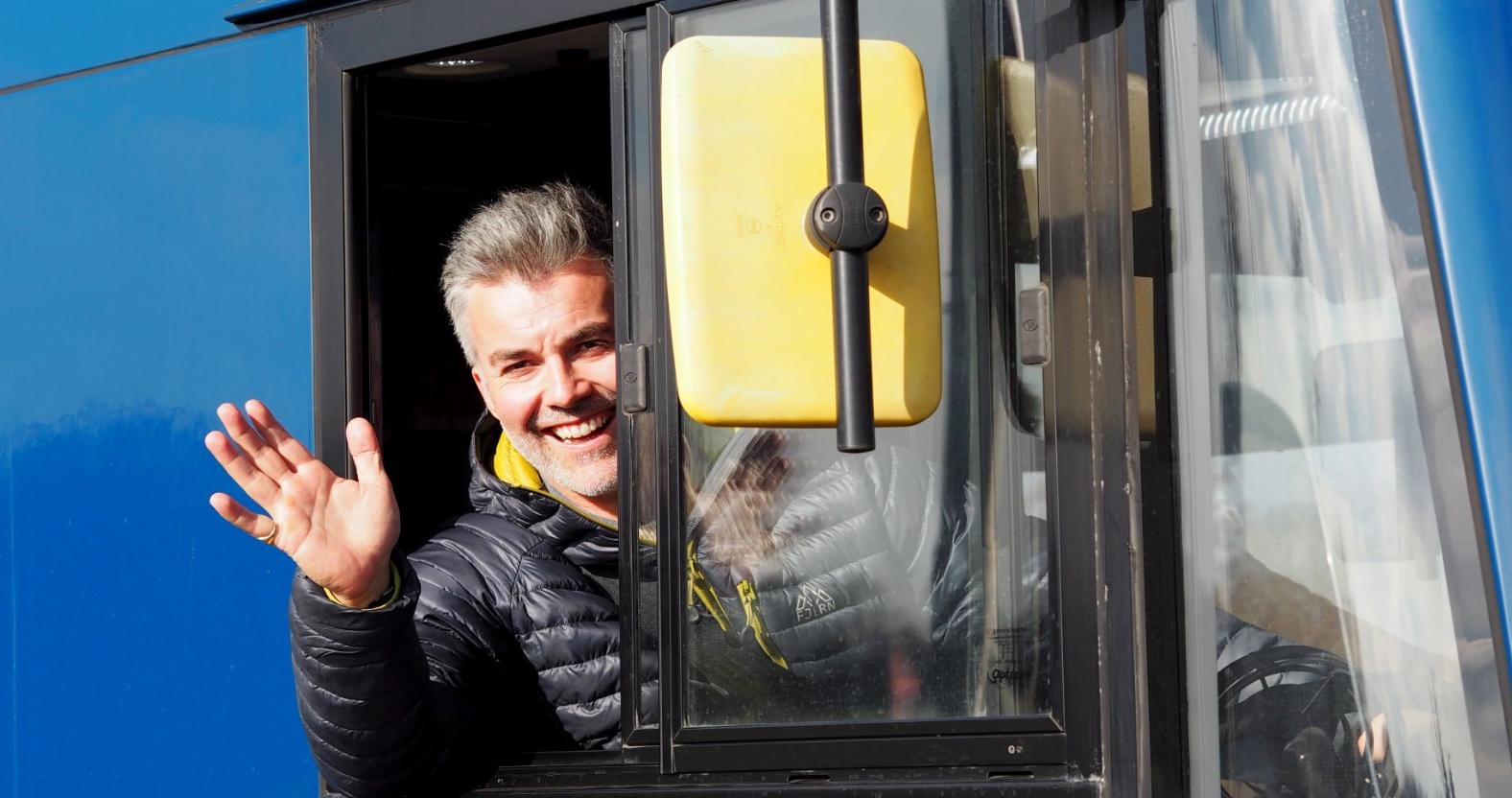
Concerns have been raised that £41 million from government to invest in North Yorkshire’s buses may restrict how the mayor can tackle improvements in the network.
In December, ministers allocated Labour Mayor David Skaith the multi-million settlement to cover costs for bus fares, new infrastructure and the costs for franchising.
Mr Skaith has long pledged to improve York and North Yorkshire’s bus services, going as far as to describe the current services as “not good enough”.
But, the new funding settlement has not allayed fears that it will provide the cash to improve the network — including from the mayor himself.
£41 million in funding
Before Christmas, Heidi Alexander, transport secretary, revealed a multi-year funding settlement for bus services worth £3 billion.
The funding covers both revenue and capital funding and is allocated for the next three financial years.
For York and North Yorkshire, the funding is worth £41 million up to 2030 which is spread roughly evenly between each year.
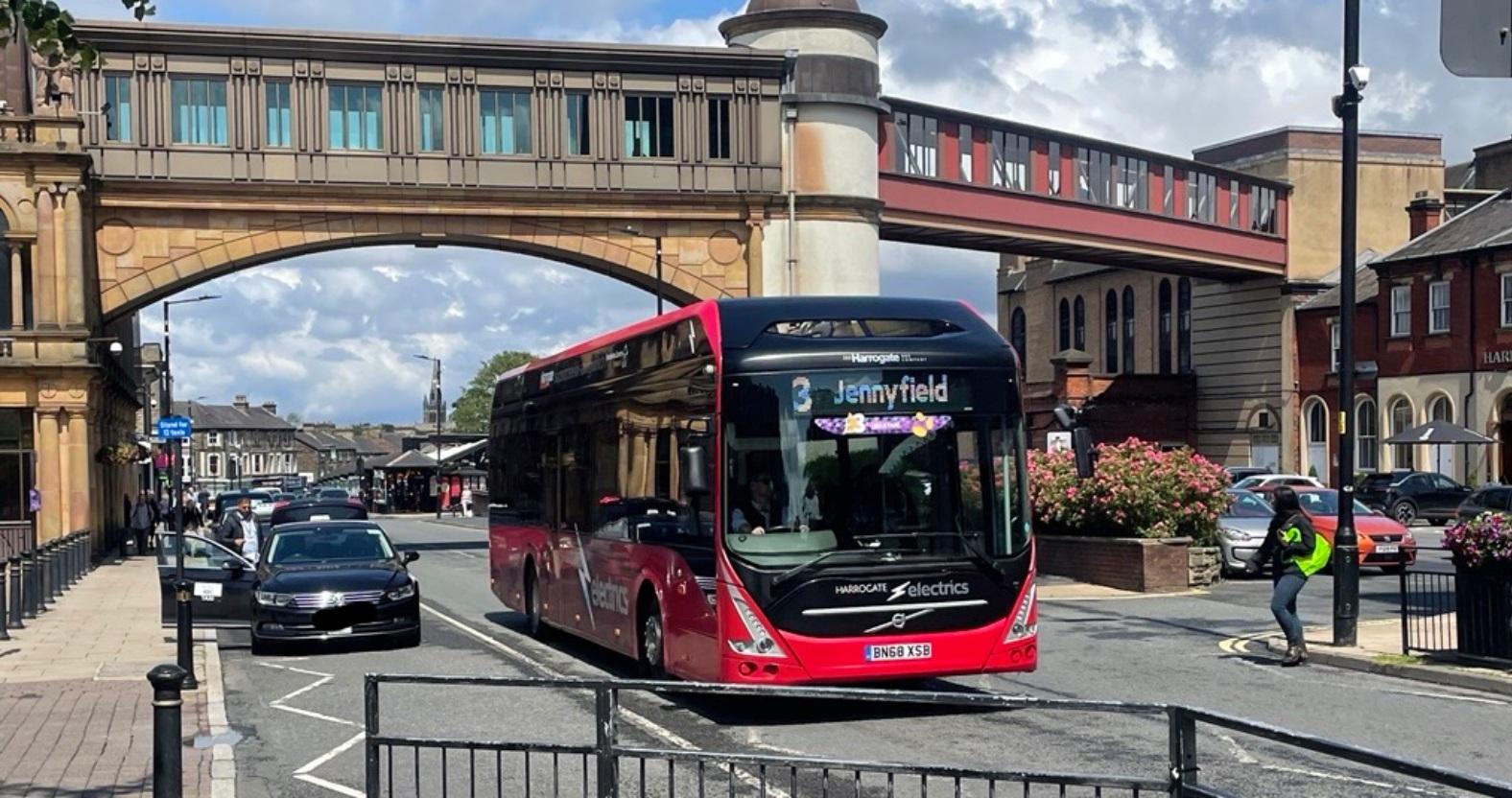
Bus on Harrogate's Station Parade.
According to the government’s figures, the revenue funding is worth £7.3 million for each of the next three years.
By comparison, the capital allocation starts at £4.5 million for 2026 and makes the modest increase to £4.8 million by 2029.
The allocation followed the Bus Services Act becoming law in October 2025, which gives local authorities greater powers over how services are run and has introduced greater protections for socially necessary routes.
At the time, Ms Alexander described the funding as one step in a plan to cut the cost of living.
But, politicians and campaigners did not quite see it the same way.
‘Fewer choices’
In the new year, the Labour government faced questions from its own MPs on the fact that the funding had not increased in line with demand.
Rachael Maskell, MP for York Central, called on ministers in the Department for Transport to look again at the settlement, which she said will lead to fewer choices being available to Mayor Skaith.
She said:
Would the minister look again at the settlement he has given to the Mayor for York and North Yorkshire?
There will be fewer choices available to the mayor because of the reduction in that settlement. The mayor would perhaps also like to use some of his other transport budgets to subsidise bus travel, so that he can make positive choices for buses and bus users right across York and North Yorkshire.
Much of the concern around the funding centres on demand and the expectation from passengers for better services.
There is also concern over access to affordable transport for those over-60 and the disabled.

Mayor David Skaith.
Following the settlement announcement, Mr Skaith said the lack of increase in funding to match those expectations was disappointing.
He said:
The multi-year nature of this settlement is welcome, but it is disappointing that the overall funding isn’t increasing, especially when demand and expectations are.
We’ll keep doing what matters for our communities, delivering essential services and improved infrastructure, working with our local councils and exploring every option to create a more affordable, accessible and integrated bus network in York and North Yorkshire.
The criticism over the funding comes as York and North Yorkshire Combined Authority is also drawing up plans to explore a bus franchising model.
Separate to the settlement in December, the government awarded £564,000 to the mayoral authority to look into ways that franchising could improve services in rural and coastal communities.
However, it appears that any model that is brought forward will also have to be funded through the £41 million allocated to improving bus services.

Cat Hobbs, director of We Own It.
Cat Hobbs, director of We Own It, a campaign group for public ownership of services including buses, said the lack of adequate funding spoke to a “lack of vision”.
She added that the fact that the government had also increased a cap on bus fares from £2 to £3 had muddied what could have been a move to improve the region’s bus network.
Ms Hobbs said:
It's very frustrating that the government introduced a new pilot of public control of buses in North Yorkshire but is now failing to provide adequate funding for buses in the region. Buses are absolutely crucial for local economies, communities and the environment. Investing in them is a no brainer because they increase connectivity and improve people's lives.
One of this government's achievements on buses is reversing the ban on new publicly owned bus companies and supporting new public control of buses. But while they're giving with one hand they've taken away with the other by increasing the cap on bus fares from £2 to £3. This latest news also shows a real lack of vision.
North Yorkshire's pilot should be properly backed so it can show what franchising can deliver in rural and coastal areas, building on the success story in urban areas like Greater Manchester.
But, despite the concern, it appears the government will not budge on its funding allocation.
Simon Lightwood, parliamentary-under-secretary at the Department for Transport, responded to concern over the allocation by describing the funding as “providing greater certainty” for local areas over services.
If Mr Skaith wants to improve buses in York and North Yorkshire, it appears he may have to do more with less.

1