Thank you for your interest in this story
To continue reading this article, subscribe to the Stray Ferret for as little as £1 a week
Already a subscriber? Log in here.
23
Mar
Council increases pest control fees — with moth infestations costing more than rat problems
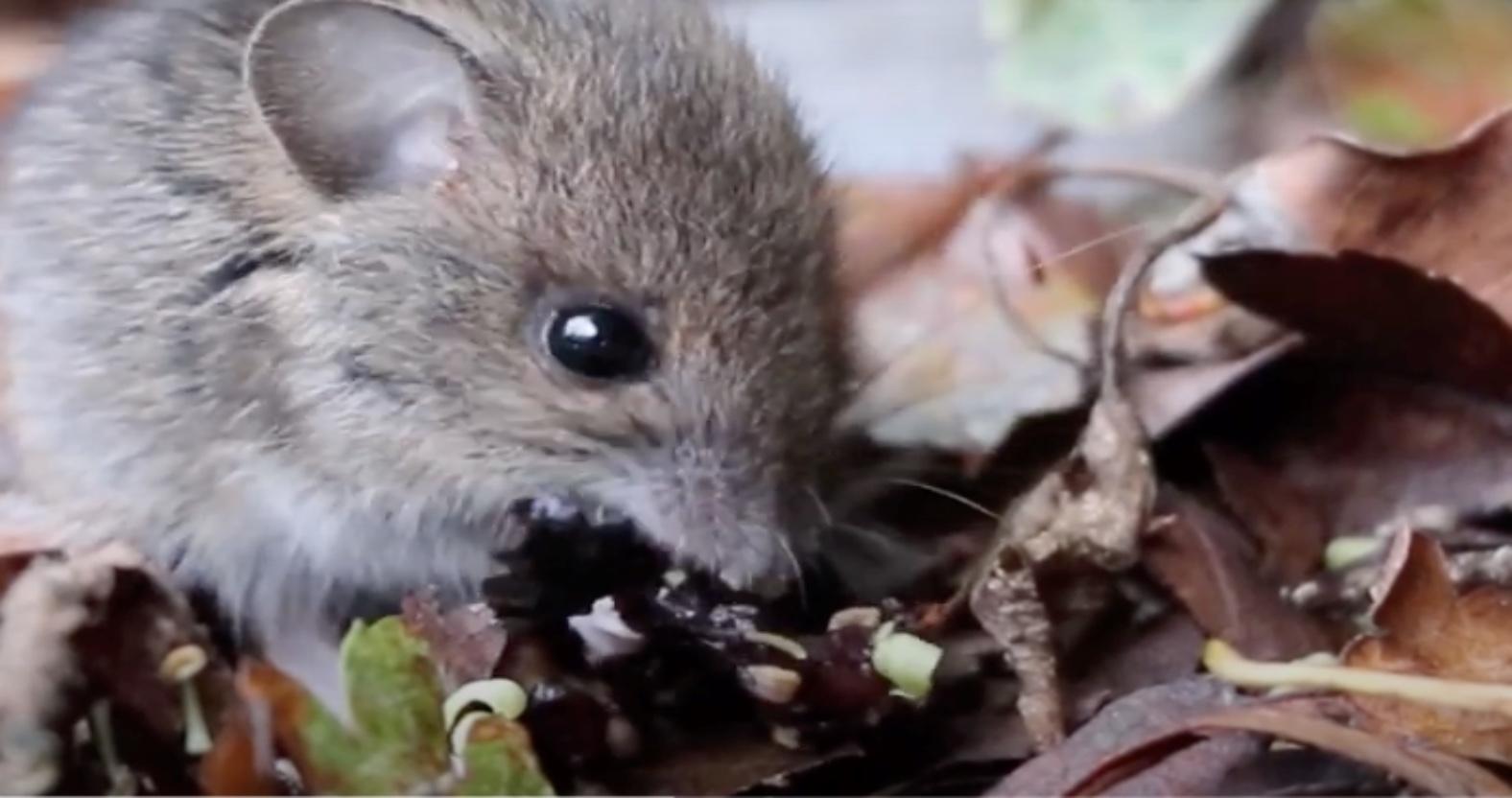
North Yorkshire residents with a moth infestation will now be charged more for treatment by the council than households with rat or mouse problem.
North Yorkshire Council has reviewed its pricing structure for pest control visits for 2026/27.
The price for responding to an issue with moths, beetles, cockroaches and earwigs will increase by 60 per cent from £100 to £160.
But the charge for dealing with a wasp nest will remain at £75 for the 2026/27 year, while the price for dealing with ants, silverfish, woodlice has increased by just £5 from £90 to £95.
The fee for a rat or mice call-out has also increased by £5 to £120.
The charge for dealing with fleas and grey squirrels has gone up by £10 to £160.
Dean Richardson, the council’s head of regulatory services, said pest control was a discretionary rather than statutory service offered by the authority.
He said the council was operating in competition with commercial pest control companies and “benchmarking” had been carried out to ensure that fees were competitive.
He added:
This has led to a significant increase in the fees for moths, beetles, cockroaches and earwigs where the initial fee set last year was well below the market level and as such this particular treatment was not cost effective for the council to operate.
The other fees have been increased to produce a round figure that can be easily marketed with the exception of wasps nests which has been held at last year’s price due to this being the largest volume treatment provided by the council and to remain in line with the market.
It is hoped the fee increases will help the council save £50,000 a year.
The fees were previously harmonised following local government reorganisation in 2023.
The increases will take effect from April 1.

0