Thank you for your interest in this story
To continue reading this article, subscribe to the Stray Ferret for as little as £1 a week
Already a subscriber? Log in here.
24
Jul
Developers resubmit housing plan for former prisoner of war camp near Harrogate
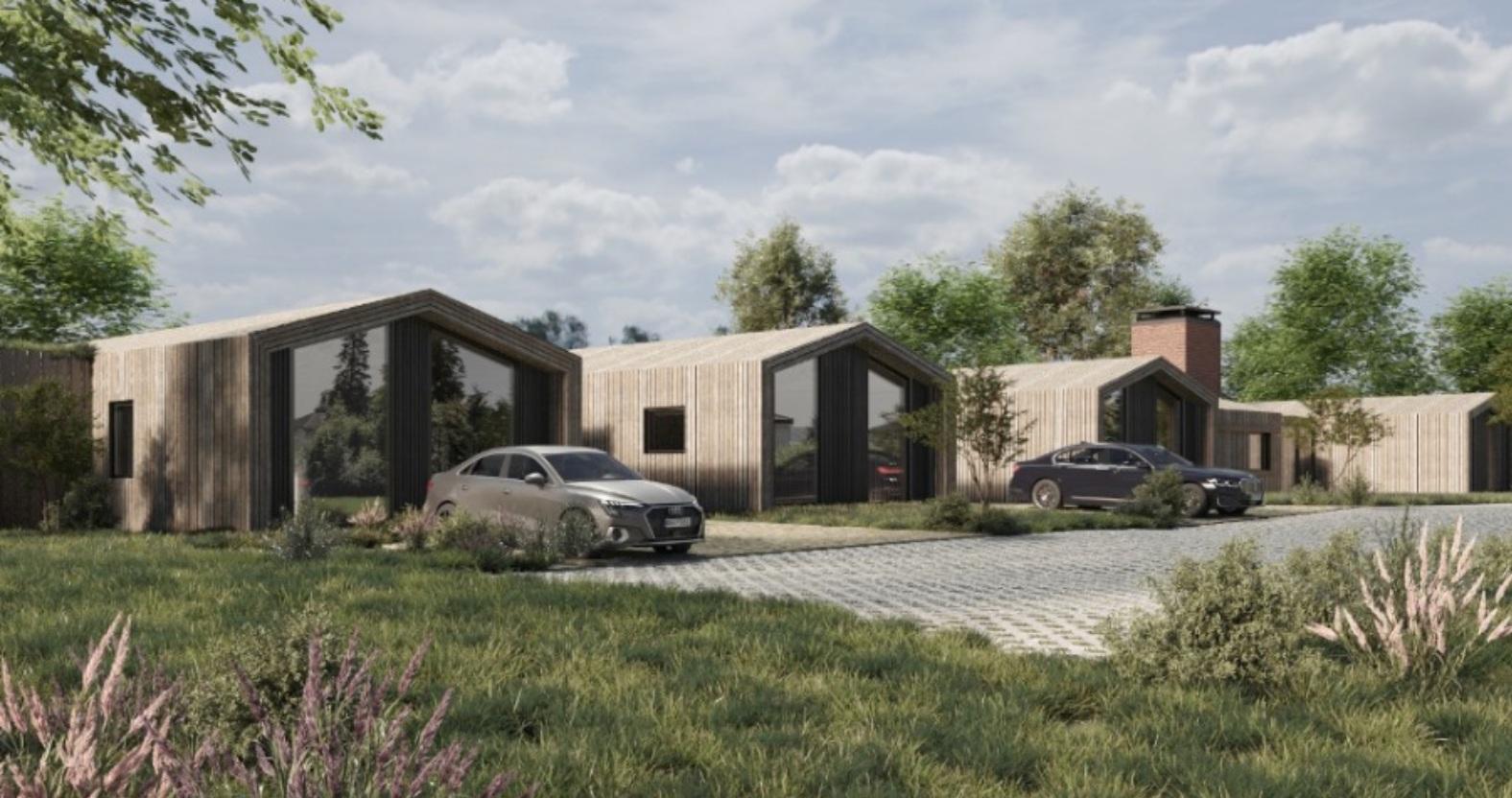
Developers have resubmitted plans for a housing scheme on a former Second World War prisoner of war camp in Kirk Deighton.
The site off the A168 to the north of the village was known as Camp 53 during the conflict and initially housed Italian prisoners of war.
A joint planning application by Astrum Planning, EDG Residential and Mr Anthony Alton, plans to demolish five hostel structures at the former camp to build three modern homes in their place.
However, a brick water tower on site would be retained.
The move comes as a government planning inspector refused an appeal for a similar application for the site in July last year on the grounds it would have adverse impacts on the highway and character and appearance of the area.
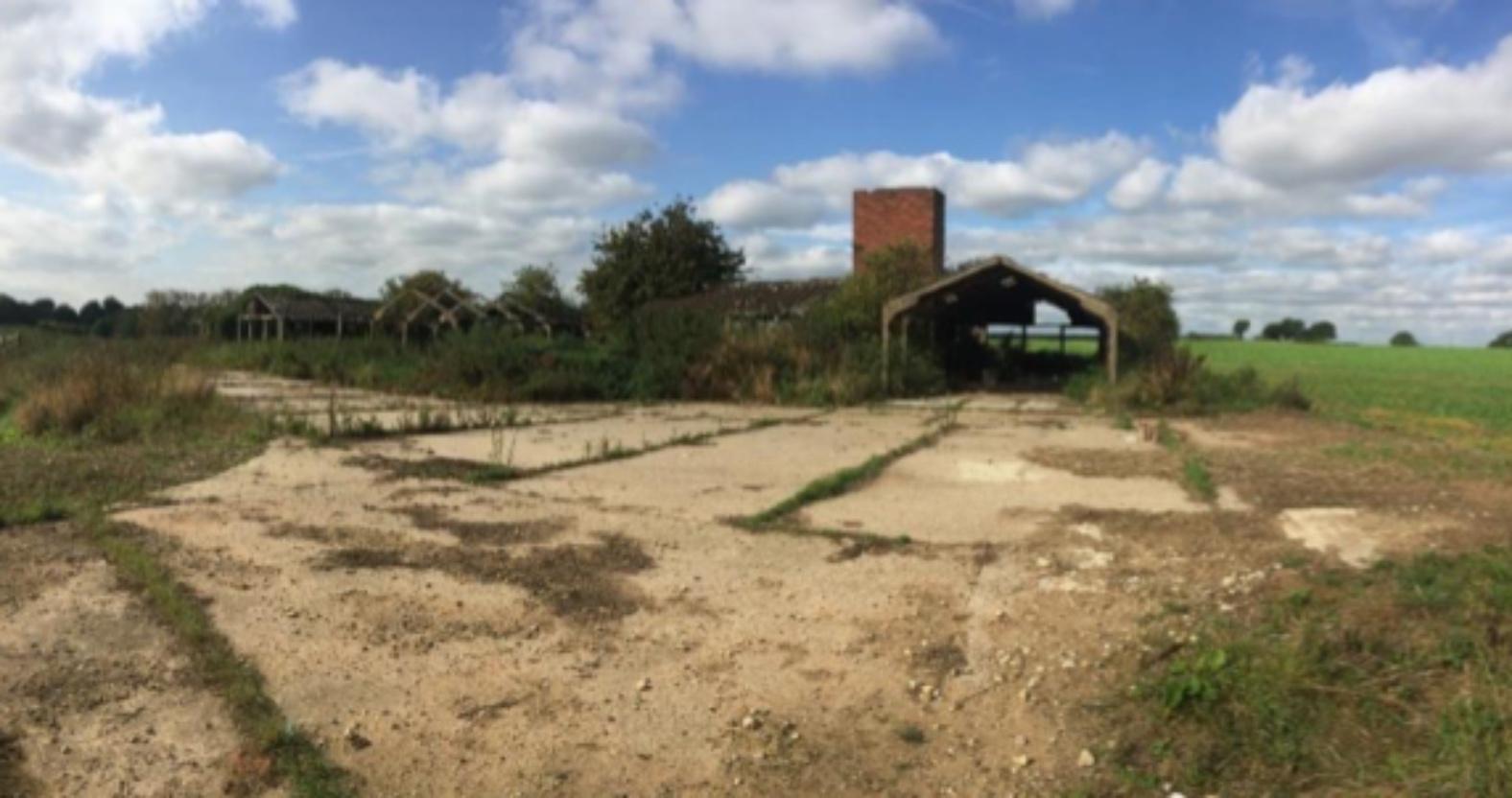
How the former Kirk Deighton prisoner of war camp looks now.
However, according to the fresh plans, developers have said the new proposal seeks to address those concerns.
They said:
The principal issue that led to the dismissal of the previous appeal was highway safety, specifically the adequacy of the proposed site access. This proposal seeks to directly responds to that finding - through the introduction of a new access arrangement to the south, informed by the Inspector’s conclusions and supported by updated technical evidence.
The developers added that the benefits of the scheme would outweigh any “minor harm” to the area.
They said:
As before, the proposal would give rise to only minor harm to the character and appearance of the area, which must be weighed against the substantial environmental, social and economic benefits arising from the delivery of new housing; where the presumption is engaged.
North Yorkshire Council will make a decision on the plan at a later date.
History of the camp
The camp in Kirk Deighton was used to house Italian prisoners of war during the Second World War following the success of the North Africa campaign.
More than 2,000 Italian POWs arrived in Britain in August 1941 and it was the intention to use them for ditching and drainage work, as well as general agricultural labour.
The Kirk Deighton camp is reported to have been built in either 1943 or 1944 to serve a larger principal base camp at Scriven.
It was one of several sites in Yorkshire which housed prisoners of war.
According to a heritage statement submitted as part of the appeal, the camp consisted of a cookhouse, a dining room, a water brick tower and accommodation huts.
Later in the war, German prisoners of war were sent to the Kirk Deighton site.
The camp was used by POWs until 1948 when the last soldiers were repatriated. it was later used for farm storage.

0