Thank you for your interest in this story
To continue reading this article, subscribe to the Stray Ferret for as little as £1 a week
Already a subscriber? Log in here.
18
Jul
'Don't hold your breath': Work to improve the Nidd is progressing, but slowly

Philip Allott is a businessman and politician who attended King James's School in Knaresborough and still lives in the town. He was leader of the Conservatives on Harrogate Borough Council, is a former Mayor of Knaresborough, and also served as the Police, Fire and Crime Commissioner for North Yorkshire.
The River Nidd flows majestically through the Nidd gorge in Knaresborough and meanders past Waterside and Abbey Road, on its journey towards Nun Monkton, where it joins the River Ouse.
Why the river even flows through Knaresborough is down to the last Ice Age, as its original route was through Brearton and past Farnham. However, as a result of a massive outwash of sand and gravel, the original route was completely blocked, forcing the river to create the dramatic horseshoe bend at waterside directly below the medieval Knaresborough Castle.
Whilst the river may look picturesque, it is certainly not fit for bathing. This is due to farmland run-off containing animal faeces and ongoing sewage discharges from Yorkshire Water’s antiquated pipes, both authorised and unauthorised, which continue to undermine the River Nidd's suitability for swimming.
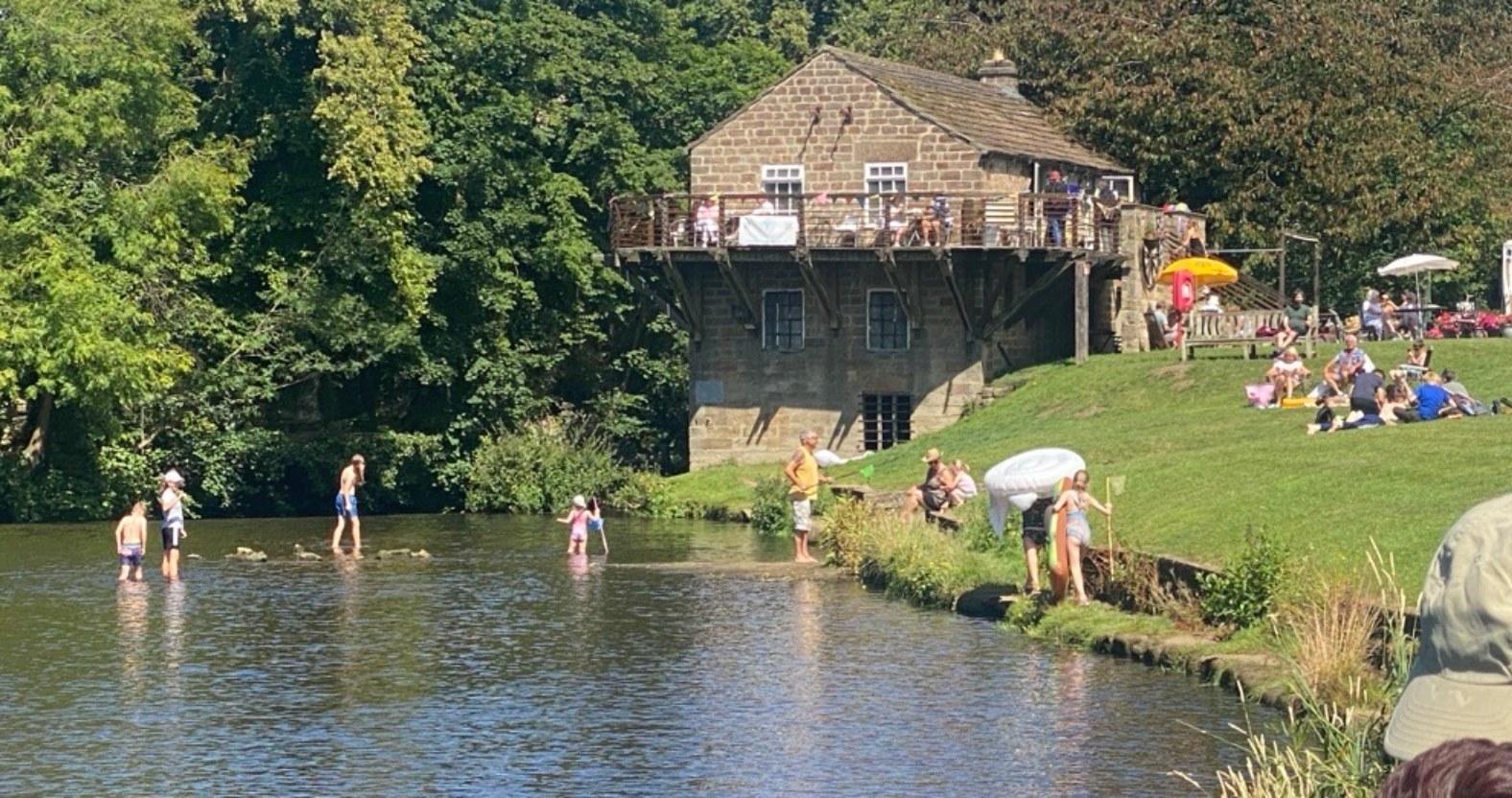
Knaresborough Lido.
In 2024, after a high-profile public and political campaign by various people and organisations including the Nidd Action Group (NAG), the Environment Agency decided to designate bathing water status to the Knaresborough Lido section of the river. Sadly, although there is some progress, little has happened since then to deliver improved water quality, and visitors are still advised not to swim.
The truth is that a lot of the problems stem from the antiquated waste pipeage in Knaresborough that run along places such as Crag Top, Waterside and Abbey Road. Readers may be shocked to know that the section of Abbey Road which has a wooden fence between 18 and 16 Abbey Road, has a river discharge pipe in the middle of the river connected to the combined waste water and sewage conduit No 2 CSO (combined sewer overflow). When water levels rise, the piping discharges the contents into the River Nidd.
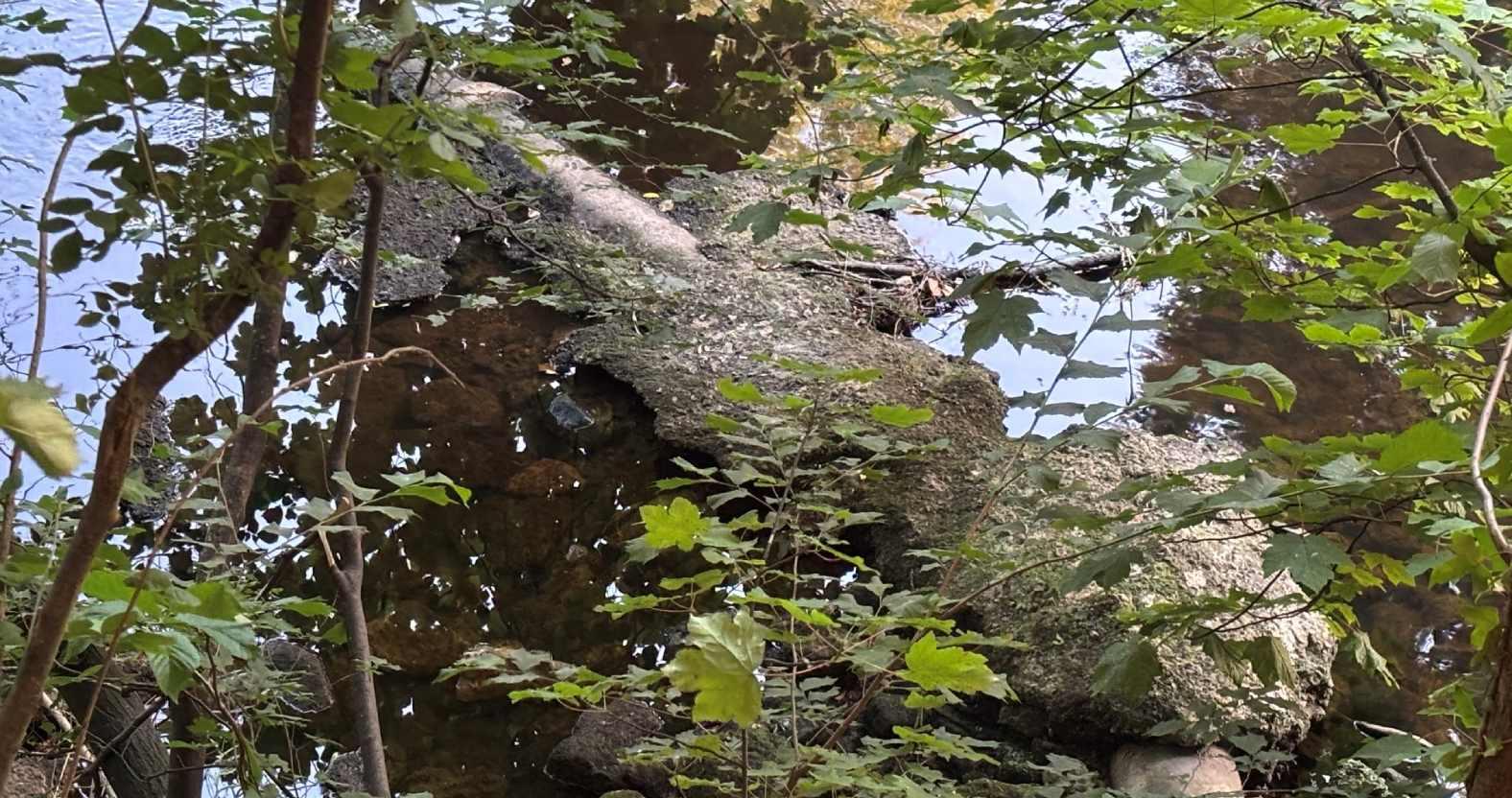
The pipe connected to the CSO at Abbey Road.
According to Yorkshire Water figures, Abbey Road CSO discharged into the River Nidd for 25 hrs 30 mins in 2024, across 20 separate instances, and in 2025 it discharged for 48 hrs 45 mins, across 19 separate instances. Figures for 2026 are not yet available.
Further down Abbey Road, discharges during rain allows effluence to escape from manholes, resulting in spillage on the road, which again gets washed into the river.
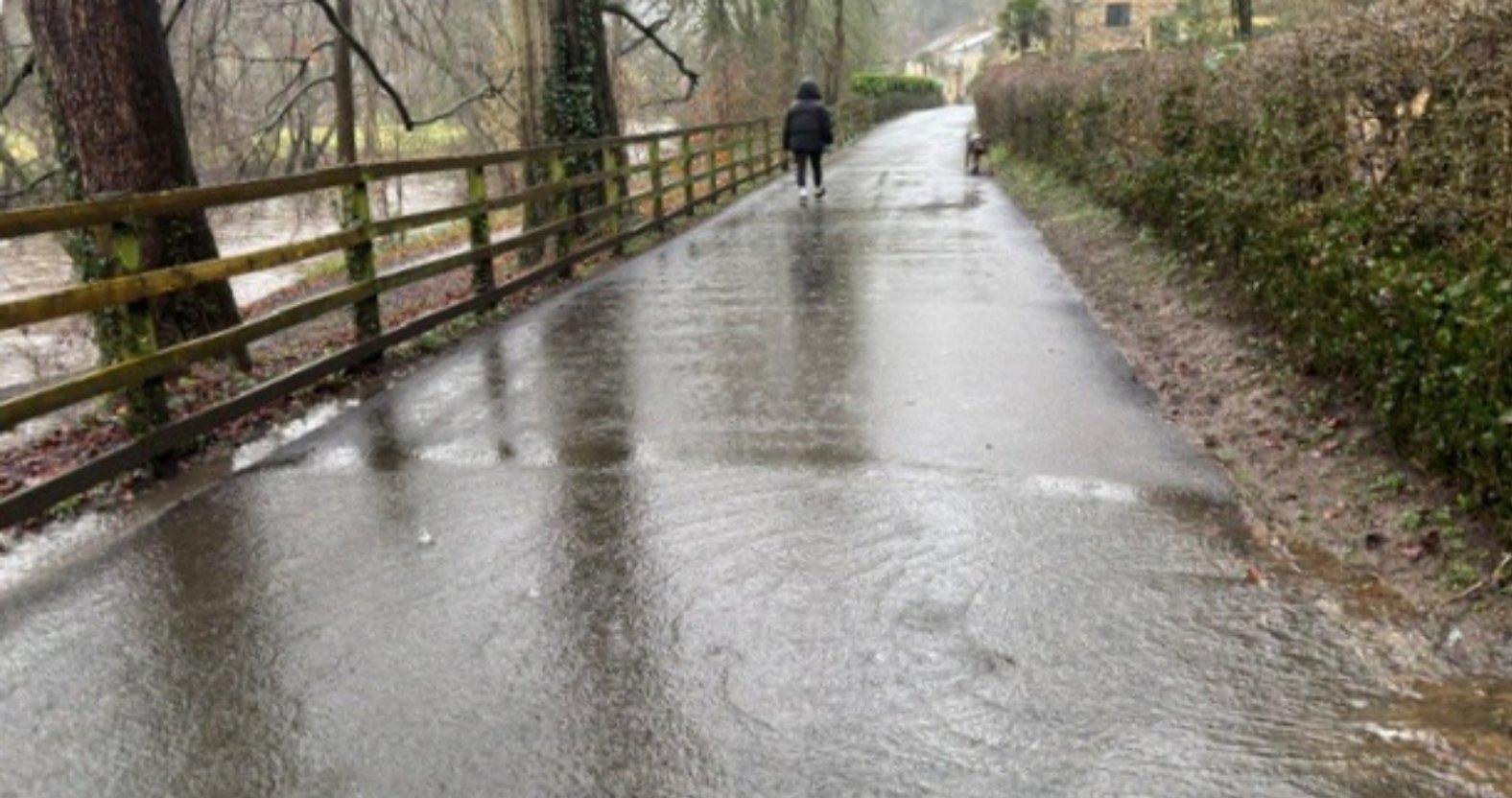
Drains near the river overflow in heavy rain.
Yorkshire Water says that the standard CSOs discharge from the combined sewer network, which carries wastewater and rainwater, when permitted under heavy or prolonged rainfall conditions to prevent the network backing up into homes, gardens, and businesses.
But on Waterside, readers may recall my comments about the public toilets, where the manhole cover just outside was discharging soiled toilet paper and more onto the road, which then washed into the river.
The outlets listed above are just the tip of the iceberg – the River Nidd has numerous authorised Yorkshire Water discharge locations in Knaresborough. These include: Abbey Mill, which is located opposite the Lido (but has not discharged for at least a couple of years); Cragg Top CSO; Manse Lane 57; Knaresborough Wpc Works; Spital Croft; Waterside 47 CSO; Waterside 48 CSO; and Waterside 49 CSO.
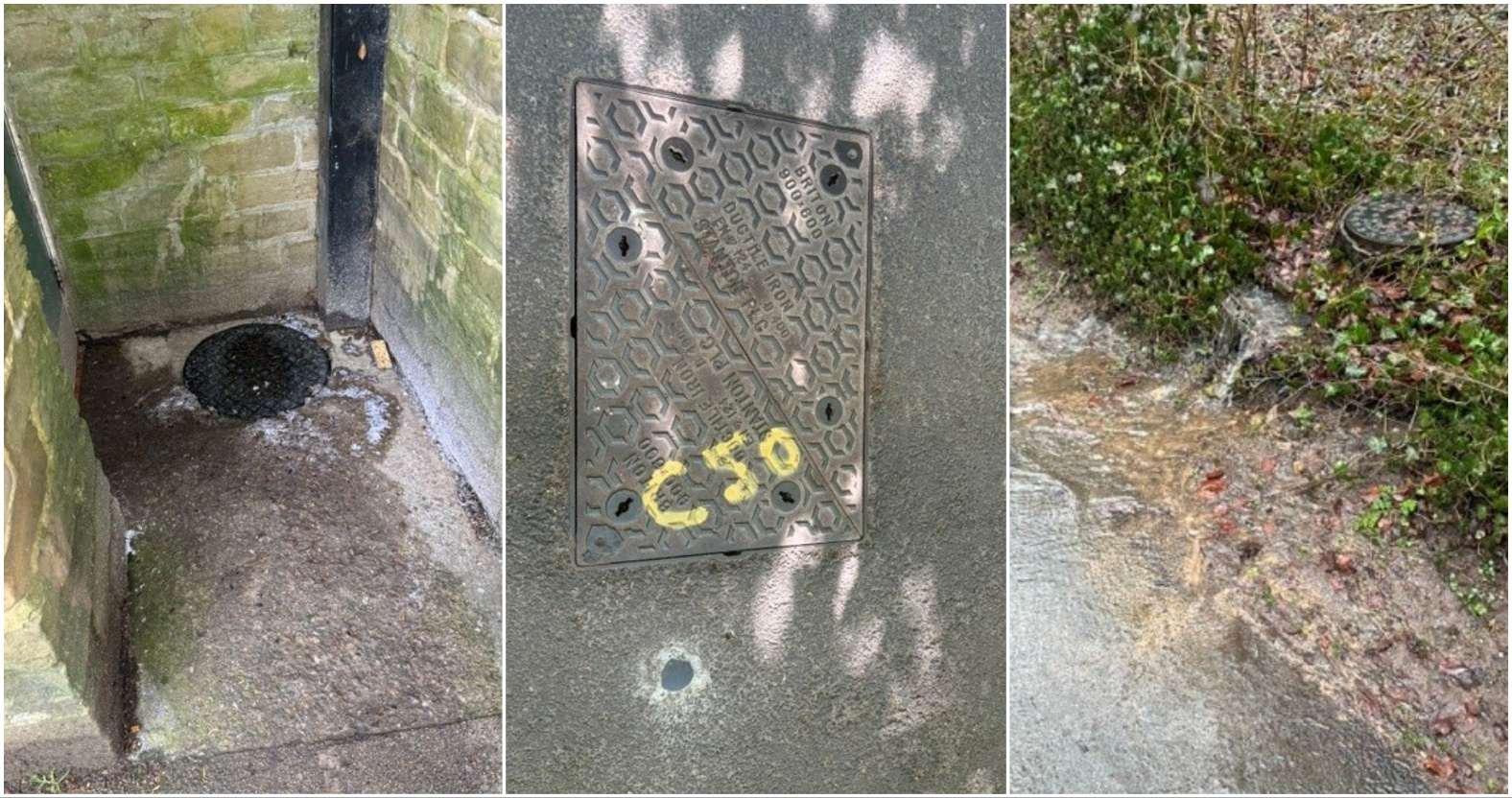
Left to right: the overflowing manhole cover outside the Waterside public toilets in Knaresborough; a manhole cover on Abbey Road connected to a CSO; and an overflowing manhole cover at the side of Abbey Road.
Yorkshire Water can only accurately monitor any discharges through sensors fitted to each waste discharge outlet. Currently, sensors send discharge figures to Yorkshire Water every 15 minutes, but the devices on Waterside and Abbey Road are being upgraded as part of a wider £1.7m telemetry scheme across Yorkshire, which will enable the utility company to take readings every two minutes.
The scheme covers 25 CSOs in total, eight of which are in Knaresborough. Six of these upgrades are already underway, but the two at Abbey Mill and Abbey Road have not yet been started. The full sensor upgrade scheme is scheduled to end in early 2027.

Yorkshire Water.
The upgrade is part of a Yorkshire Water investment programme totally £8.3 billion over the next five years, to improve water quality.
The company has also pledged to be more transparent and has admitted that pollution incidents in Yorkshire have increased from 137 in 2023/4 to 260 in 2025/6, resulting in its likely downgrading by the Environment Agency from 2 stars to 1, in October 2026.
The progress to bathing water status is slow, and nobody seems to know when the river quality will improve to allow people to bathe safely again at Knaresborough Lido.
Until Yorkshire Water stops sewage discharges into the River Nidd altogether, nobody should swim in it. And if you're a swimmer waiting for more information about improvements to the River Nidd, it might be best if you don’t hold your breath.

1