Thank you for your interest in this story
To continue reading this article, subscribe to the Stray Ferret for as little as £1 a week
Already a subscriber? Log in here.
30
Aug
Explained: How much power will Mayor David Skaith have over planning?
Over the weekend, the government announced plans to give mayors the power to overturn local councils on major planning decisions.
Such a move could see David Skaith, Labour Mayor of York and North Yorkshire, intervene on major housing projects or applications relating to employment land.
For those in favour, the proposals will help to speed up a sluggish planning system. But those against the move argue it is undemocratic and gives mayors too much power.
But what does it mean for North Yorkshire and how much power would it give David Skaith?
What powers does David Skaith currently have?
Under the the devolution agreement for York and North Yorkshire which was signed before his election, Mr Skaith has no power to intervene on planning matters in York and North Yorkshire.
Much of his current powers relate to the ability to secure land for housing and invest to help improve the supply of new homes — however, he has no power to approve plans to build those homes.
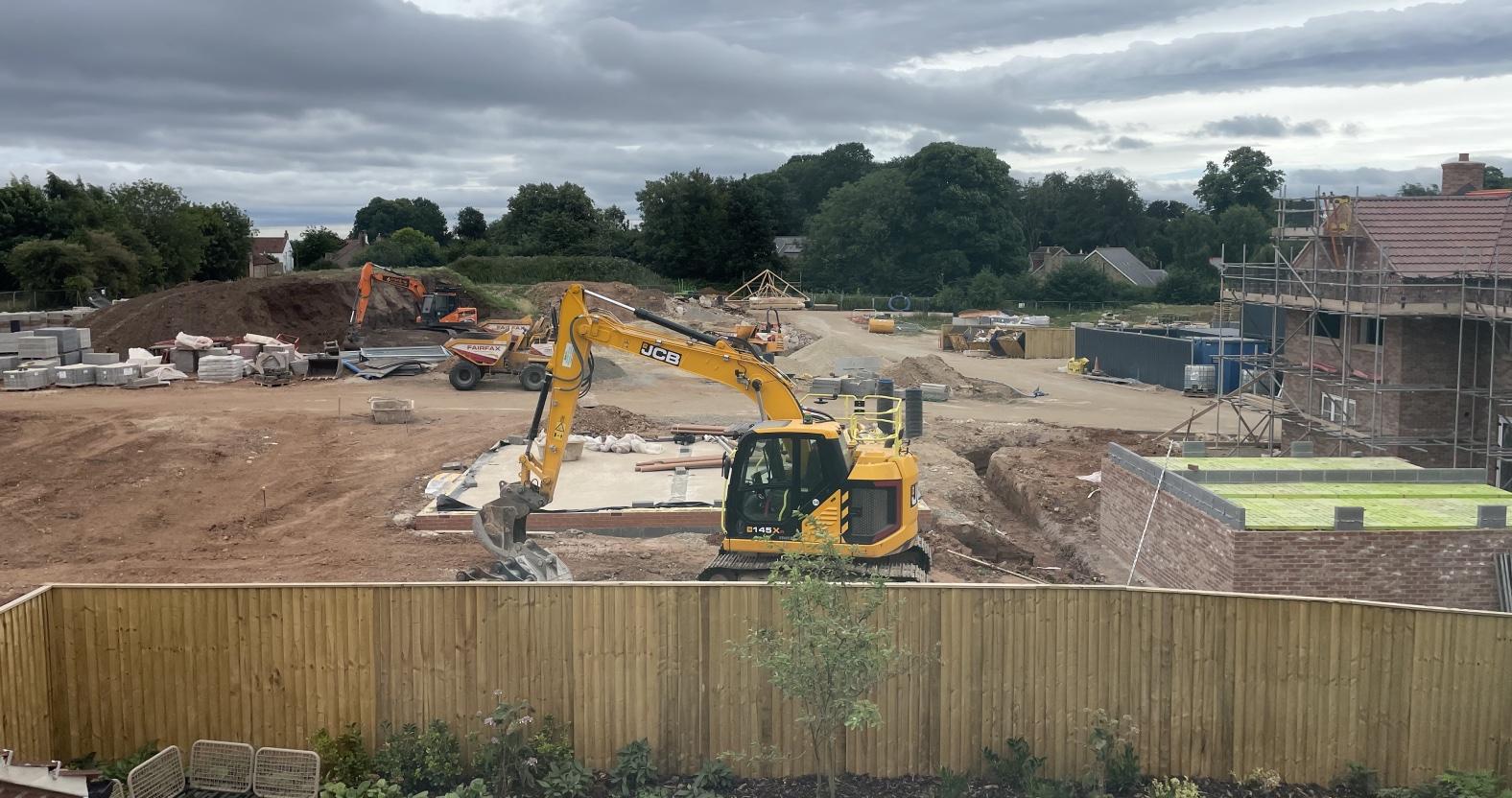
A housing scheme.
Currently, Conservative-run North Yorkshire Council and Labour-controlled City of York Council are the planning authorities in the county.
Both councils make decisions on individual applications, such as plans for 210 new homes near Spofforth.
However, should Mr Skaith feel that a plan has been refused unnecessarily, he has no means of overturning such a decision under his current powers.
What new powers will the mayor have?
The key proposal in the government’s move to give mayors more powers over planning is the ability for them to be able to “call in” planning decisions.
In its consultation document on the proposals, the government said mayors will be able to intervene on applications of “potential strategic importance”.
The Mayor of London has had these powers since 2008. Sadiq Khan, current mayor, has used the power to step in on applications such as Westminster City Council refusing plans for new student accommodation opposite Paddington Station.
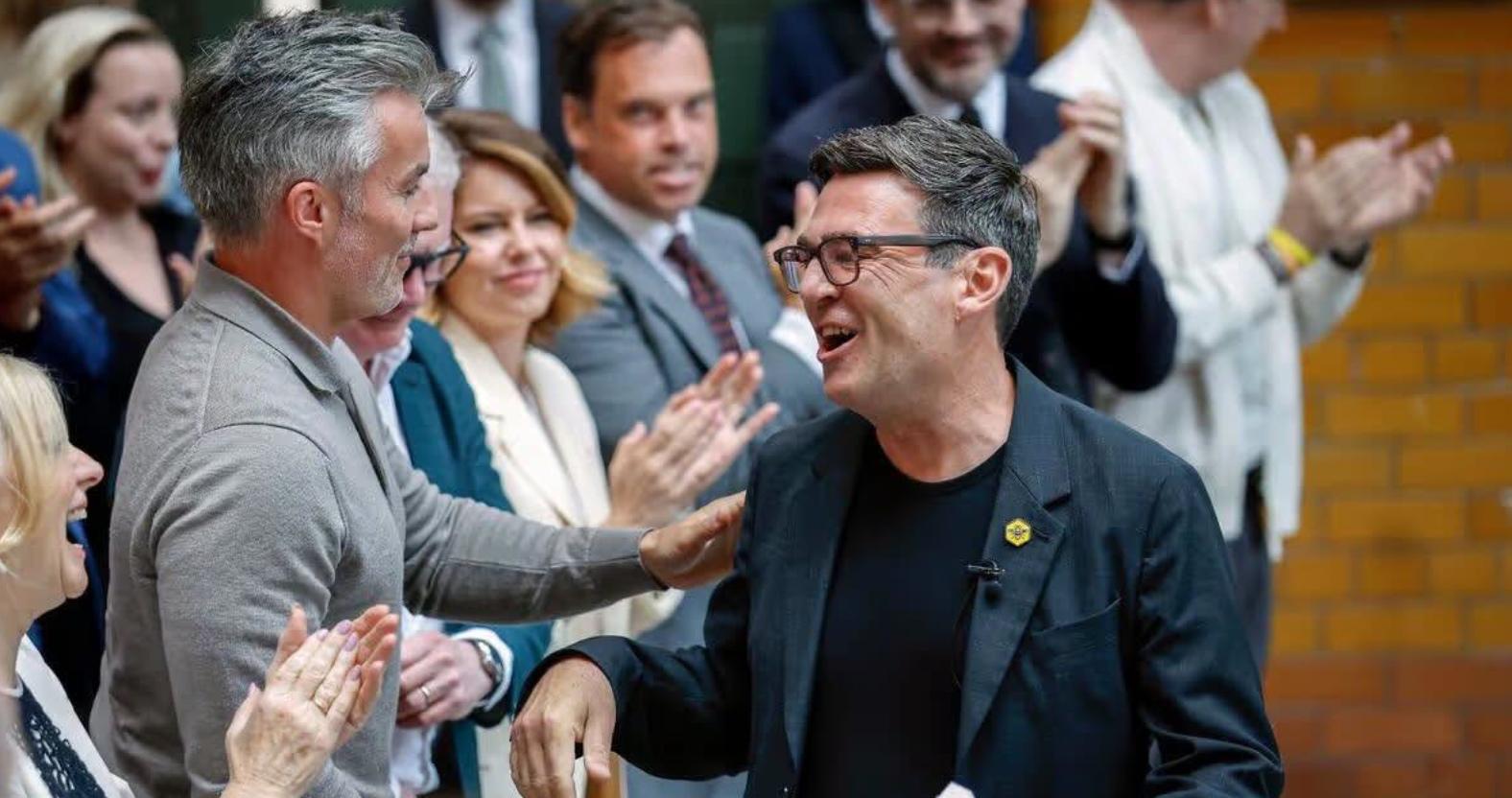
York and North Yorkshire mayor David Skaith (left) is a key regional ally of Andy Burnham (right).
Applications which are considered to be of potential strategic importance are set to include proposals to build more than 150 homes, or develop more than 15,000 square metres of commercial space or buildings over 30 metres.
Crucially, while a mayor can intervene on such proposals, the government will reserve the right for the Secretary of State to be able to step in. An applicant will also be able to appeal to the Secretary of State when a mayor has refused planning permission.
Meanwhile, mayors outside London are also set to get a greater say on how national housing funding is spent in their areas, as well as the ability to charge a levy on development to fund major infrastructure — which helped build the Elizabeth line.
Mayors would also be able to give "up front" planning approval for developments through mayoral development orders (MDO). This would mean a mayor can grant planning permission for particular development without the need for a planning application to be submitted.
Despite these powers, the government said local councils will continue to decide on the majority of planning applications. It has also stressed that all decisions by mayors must follow planning rules.
Why does the government want to do this?
The government’s main argument for extending the powers to mayors such as Mr Skaith in York and North Yorkshire is that it will help to drive housebuilding.
Labour housing minister Matthew Pennycook described the powers as an "essential part of the toolkit that mayors need to effectively deliver new homes and regeneration”.
It comes as the Labour government pledged to build 1.5 million new homes by the end of the decade following its election in July 2024.
The move led to ministers increasing North Yorkshire’s housing target from 1,361 homes a year to 4,156 a year, which has increased pressure on the council to identify land for new homes.
What do local politicians say?
Mr Skaith has welcomed the move from government.
In a statement to the Stray Ferret, the Labour mayor said too many opportunities to build homes have been lost due to delays in the planning process.
He said:
Giving mayors more powers to get our region’s economies moving sooner is the right thing to do. Too many opportunities to build the homes we need, and create the jobs our residents deserve, are lost because of delays in the planning process.
I’ll always put what’s best for York and North Yorkshire first, including speeding up planning processes that are holding us back.
However, opposition politicians have been critical of the government’s plans.
Cllr Chris Aldred, a Liberal Democrat who chairs the Harrogate and Knaresborough area constituency planning committee, said the move would undermine the role of local planning committees.
He said:
It is undemocratic. What is the point of a local planning committee if it can be overruled from someone outside the area?

0