Thank you for your interest in this story
To continue reading this article, subscribe to the Stray Ferret for as little as £1 a week
Already a subscriber? Log in here.
21
Apr
Football finance expert tackles 6 key questions on what relegation would mean for Harrogate Town

Harrogate Town are clinging on for dear life.
Simon Weaver’s side are currently bottom of League Two of the English Football League with two games to play.
Last weekend’s late winner against Colchester United means the Sulphurites are still in the fight but results need to go their way over the next two weeks if they are to avoid relegation to the National League.
What would relegation mean for the club on and off the pitch? The Stray Ferret put the key questions to football finance expert Kieran Maguire.
1. How much will they lose?
Harrogate’s 2024/25 accounts show debts of £6.4 million owed to chairman Irving Weaver, who has said he does not intend to call-in the loans.
However, relegation would be a major financial blow.
Mr Maguire, an academic and author of The Price of Football, said:
Clubs get revenue from three primary sources: gate receipts, TV deals, and commercial income. Harrogate’s 2024/25 revenue was around £4 million. They could be looking at a £2.5 million to £2.75 million revenue drop if they are relegated.
TV income would take a major hit. Harrogate currently receive £1.2 million to £1.3 million, but would lose Premier League solidarity payments and half their EFL funding – a loss of around £900,000 to £1 million.
Mr Maguire added that Harrogate would be paid “buttons” from the National League’s partnership with streaming service DAZN.
But he added the club’s commercial deals with Sky Bet will not account for a significant revenue loss.
Relegation parachute payments would total around £472,000 in the first year and £236,000 in the second.
“The parachute payment allows clubs to settle into the new league,” Mr Maguire said. “But the National League is brutal. There are a lot of good clubs in that league with strong financial backing, and only one goes up automatically.”
2. What happens to the players?
Harrogate have 34 players on their books, including six loanees.
Eleven players’ contracts expire at the end of the season, with the rest ending after next season.
Many of Harrogate’s squad are established EFL players, who have not played in the National League since they were youngsters. They may seek new pastures if Town go down.

Bryn Morris is one of 11 Harrogate players in the final months of their contract.
Mr Maguire said:
Harrogate’s wage bill last season was £3.5 million. Most players are on one-year contracts, and many of them will follow the money – understandably so.
[Losing players] gives the club an opportunity to reset, but there’s a danger of doing a Morecambe or a Stockport and going straight down again.
3. What will happen to the staff
With its large squad, Harrogate’s wage bill is likely to exceed last season’s £3.5 million.
If Harrogate trim their squad by nine players, and those players are earning an average of £60,000 a year, they would save around £540,000.
That would make little impact on the estimated decline in revenue of up to £2.75 million.
Further staff reductions to follow those made last season could follow.
“It all comes down to how much of the lost revenue the owner is willing to subsidise,” Mr Maguire said. “If that isn’t much, then you could well see redundancies.”
4. Will the training ground still be built?
Harrogate Town announced plans to construct a £2.75 million training facility in July and submitted a planning application in December.
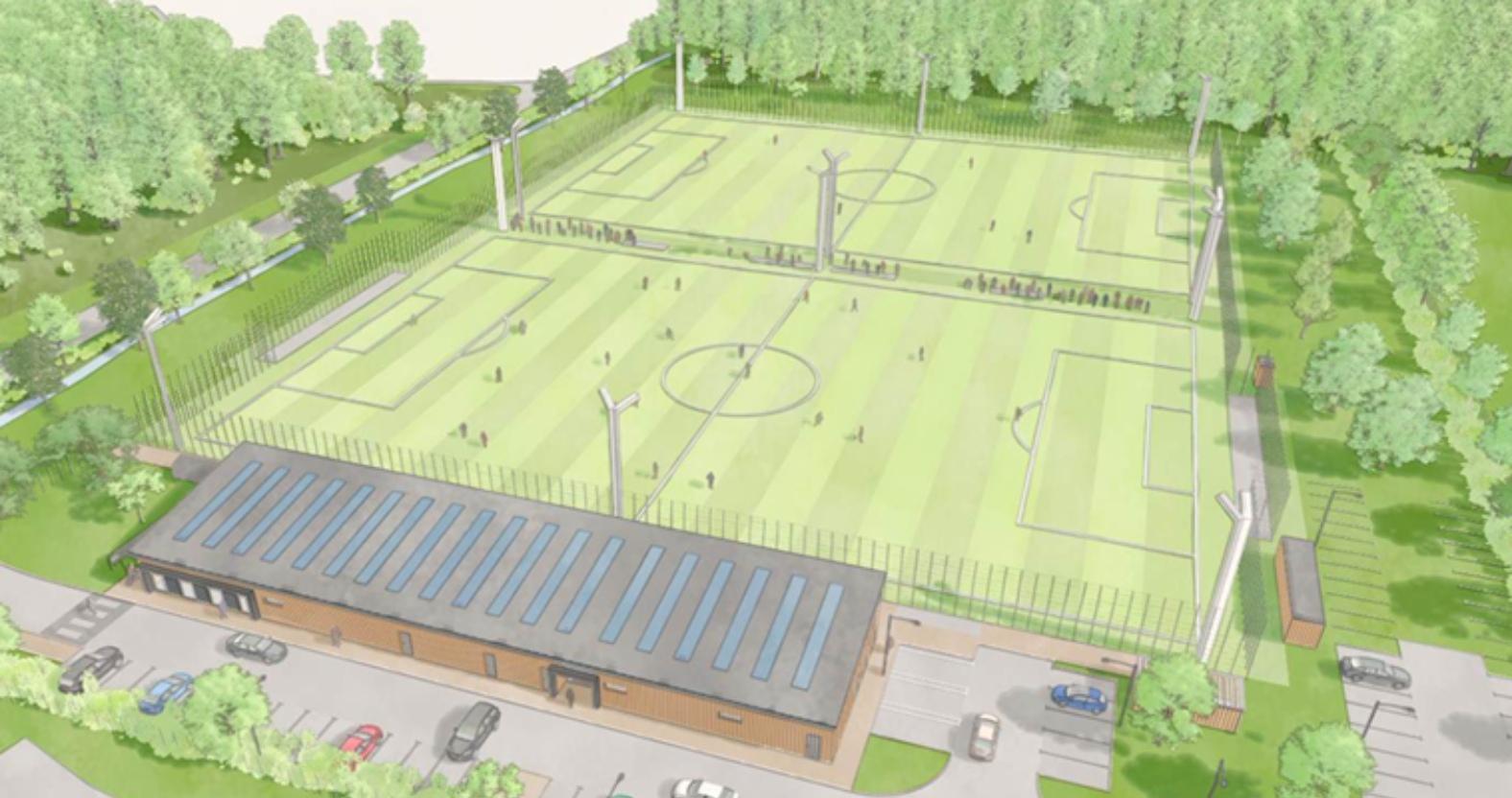
Harrogate Town's proposed training ground.
Despite the cost, Mr Maguire thinks it is unlikely to be scrapped even if relegation happens. He said:
It will be fine. It just comes down to the owner wanting to spend his money on that. Think of owners as the bank of mum and dad. They might complain about spending the money, but they do it anyway because they care.
5. What happens to the club's dependency on Irving Weaver?
Irving Weaver has effectively bankrolled the club since he took over in 2011.
But long-term reliance on a single benefactor carries risks.
Speaking to the Stray Ferret in July last year, Mr Weaver, 77, admitted he has to be mindful of his age and that his time funding the club will end eventually.
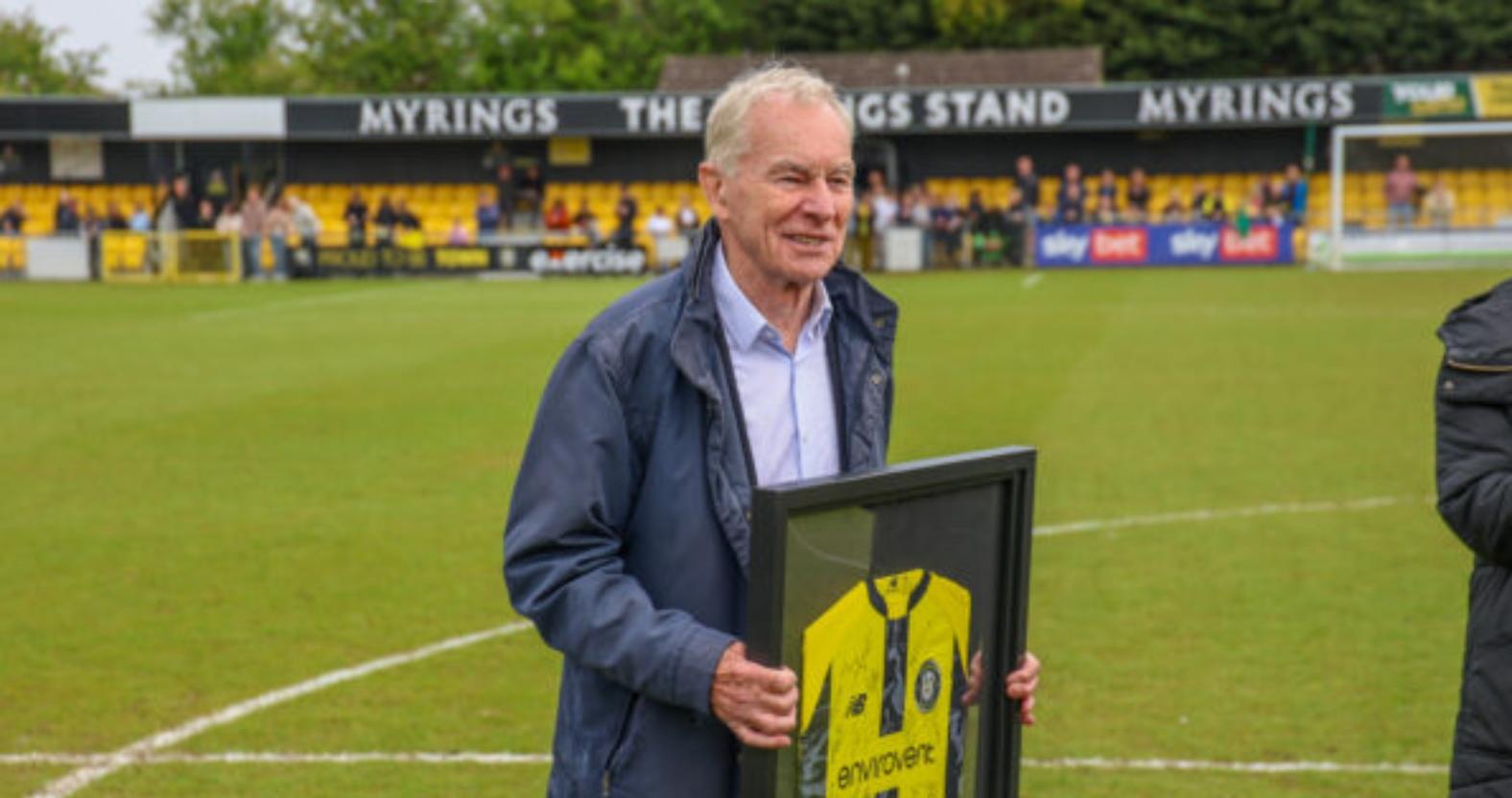
Irving Weaver
Mr Maguire warned:
It is very precarious. Sometimes owners have businesses that subsidise the clubs, but this makes them vulnerable to something changing for one person. Often, hundreds of jobs and thousands of fans rely on that one person.
We saw it with Milwall’s owner, John Berylson, who died in a car crash a few years ago. If an owner dies while at a football club, it’s then reliant on the kids wanting to continue the legacy. If they don’t want to do that, then they become reliant on football club brokers to find a buyer. If not, the worst-case scenario is that the business has to cease trading.
6. Can the team bounce back?
If Harrogate are relegated, the aim will be to get promotion as quickly as possible.
But with only two promotions from a 24-team league, the odds are low.
Even teams like York City, with greater resources, have struggled to do so in recent years. Last season, they finished with 97 points and didn’t go up.
Mr Maguire said that finances are key:
Unfortunately, the best way to go back up is to spend your way to success. But other owners have the same idea, and it ultimately becomes a multimillionaire’s willy-waving contest.
Parachute payments would give Harrogate a £708,000 head start, but the longer-term question remains: can they sustain a promotion push once that cushion disappears?

1