Thank you for your interest in this story
To continue reading this article, subscribe to the Stray Ferret for as little as £1 a week
Already a subscriber? Log in here.
17
Feb
Graveyard secrets of the Washburn Valley to be explained with £70,000 grant
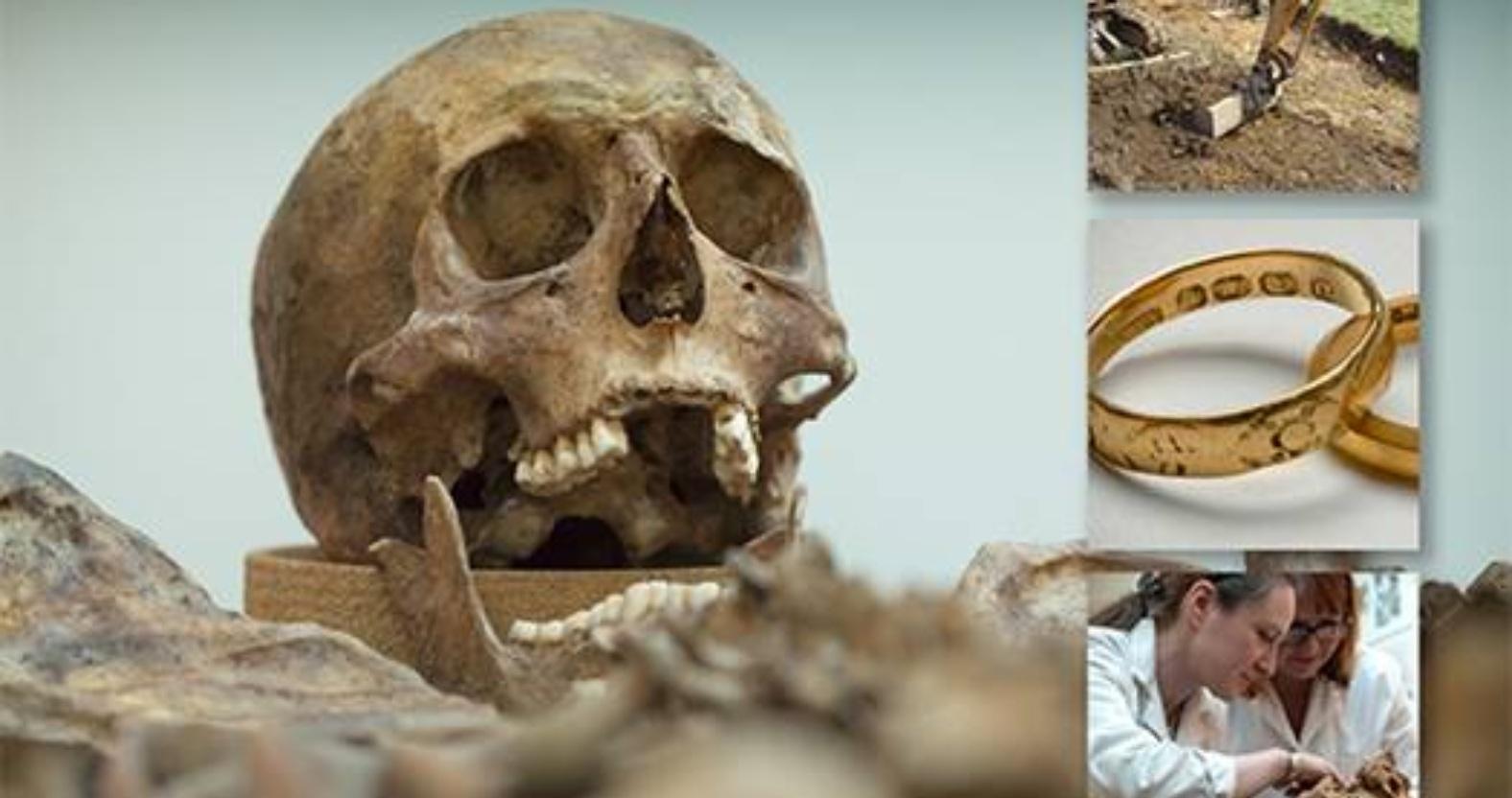
The secret histories of 154 people who lived in the Washburn Valley in the 19th century will be unravelled and explained, thanks to a grant from the National Lottery Heritage Fund.
The Victorians' remains were buried in the churchyard of St Michael and St Lawrence Church at Fewston, but had to be dug up to make way for construction of the Washburn Heritage Centre over 15 years ago.
Their bones, known collectively as the Fewston Assemblage, were reburied in 2016, but not before they and the lives of the people they belonged to had been thoroughly studied.
A booklet about them titled Churchyard Secrets Revealed proved popular, and volunteers felt that wider audiences should know of the Fewston Assemblage.
So now, a grant of £70,445 will fund a new Washburn Heritage Centre project called Churchyard Secrets Shared, in collaboration with the Universities of York and Durham.
Ian Bergel, chair of the Washburn Heritage Centre management committee, said:
This is excellent news for the centre, which is now in its 15th year of operation. It allows us to spread the word about what volunteers have discovered and increases our knowledge of the heritage of the Washburn Valley.
In July, the centre will host a five-month programme of exhibitions, talks, walks and events, including a commemoration linked to the 10th anniversary of the 2016 reburial of the assemblage.
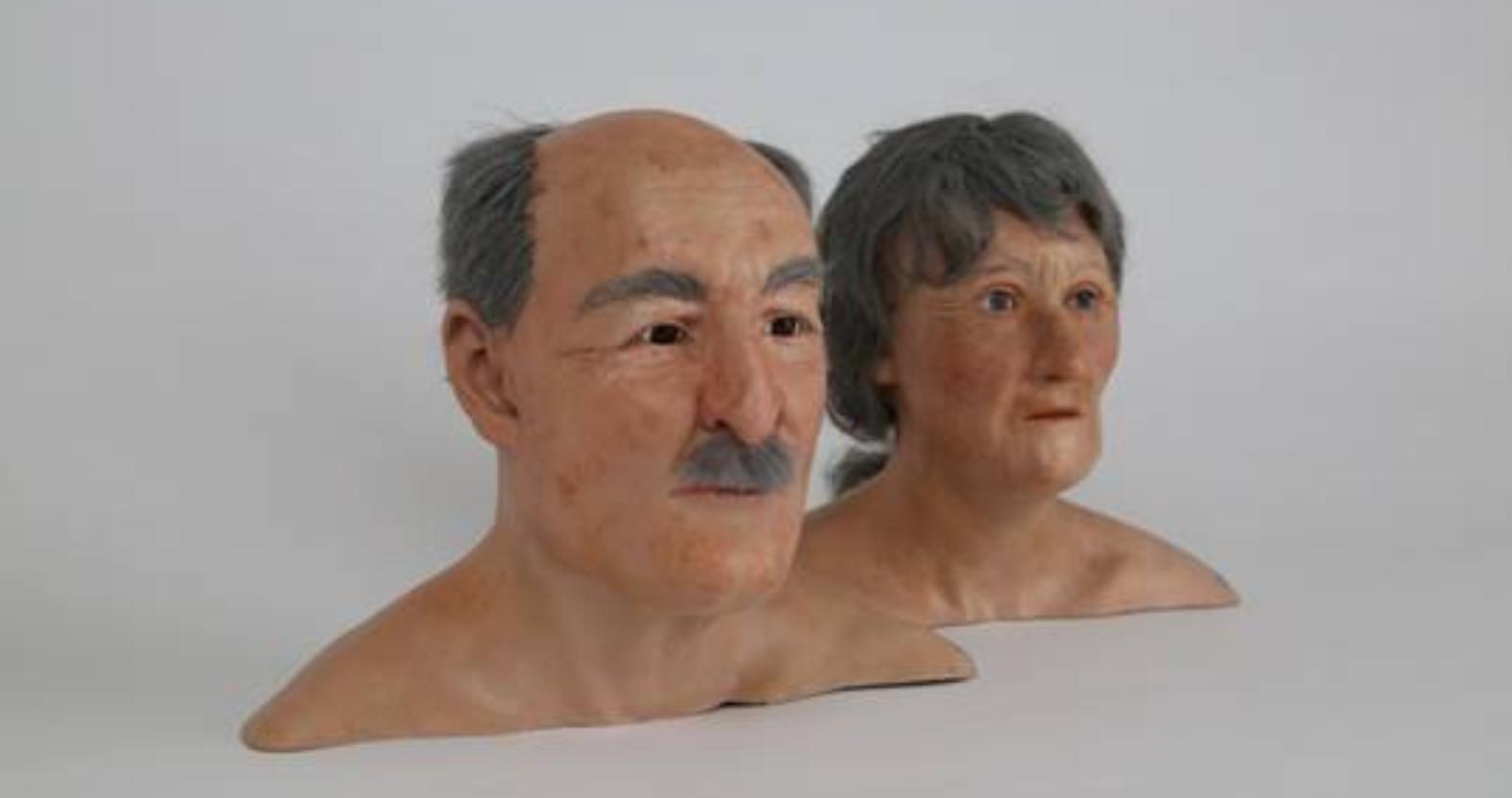
Experts reconstructed the faces of two of the people included in the Fewston Assemblage: George Lister and Elizabeth Dibb.
Professor Rebecca Gowland from Durham University said:
We are delighted to have the opportunity to continue our work alongside the fantastic volunteers at the Washburn Heritage Centre and colleagues at the University of York.
This community-led project has been producing outputs of international significance for many years now and it's wonderful that we now have funding to develop it further.
The project will involve the creation of digital interpretation and learning resources aimed at schools and younger audiences, as well as the development of a dedicated website, including geographical mapping showing how people lived and how they travelled through the Washburn Valley.
Michelle Alexander, professor of bioarchaeology at the University of York, is a member of the project team. She said:
Working alongside the Washburn Heritage Centre’s volunteers and colleagues at Durham University to uncover the lives of the people buried in Fewston churchyard has shown how archaeology can help people today connect more deeply with their own past. I’m really delighted that this community-led project can now continue to grow and reach a wider audience.
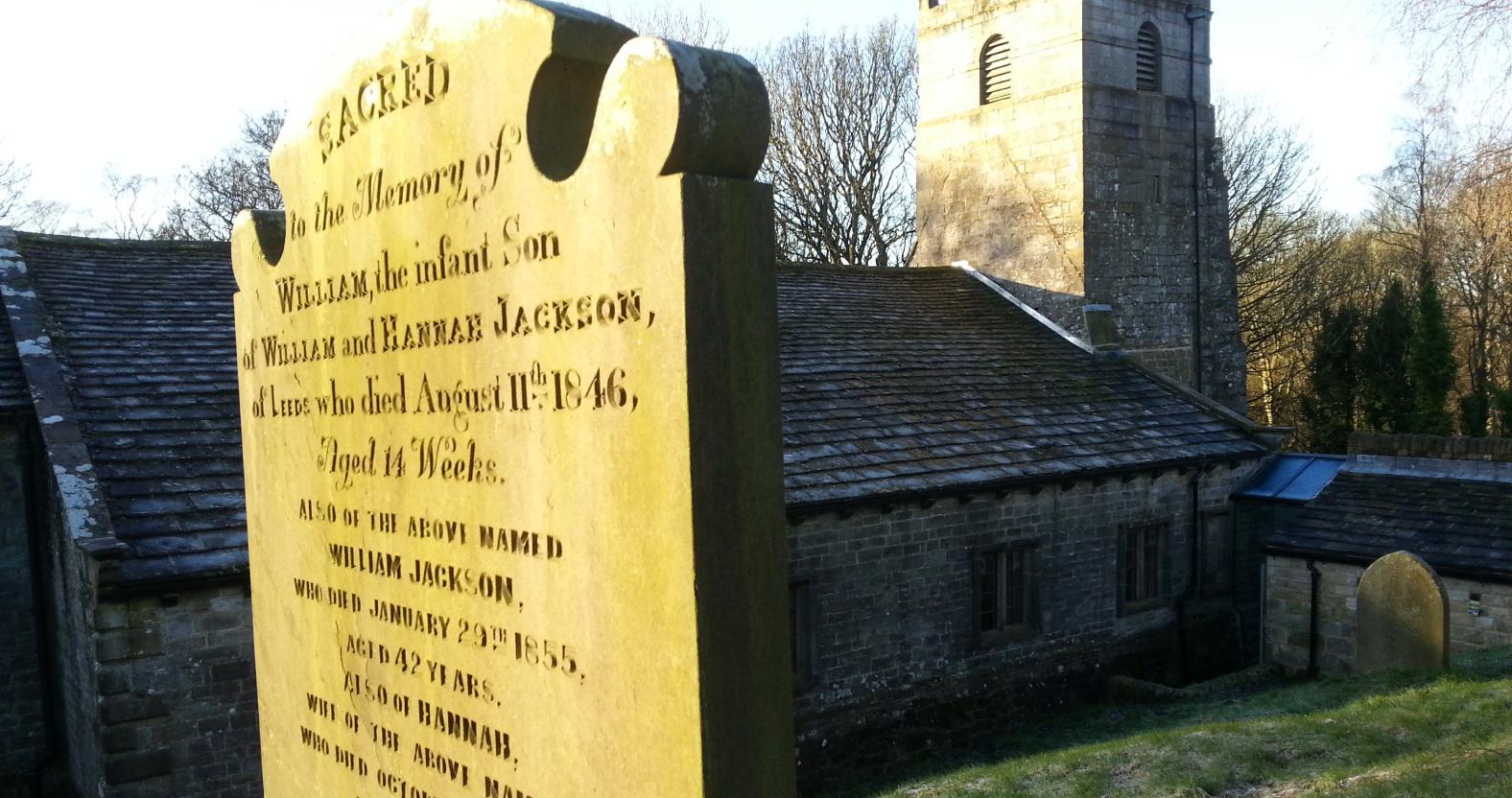
One of the graves that was exhumed.
In 2008, the National Lottery Heritage Fund was the principal funder of the building and equipping of the Washburn Heritage Centre, which opened in February 2011. A second grant in 2014 enabled extensive scientific and family history research work and the publication of the discoveries which were made.
Helen Featherstone, director for northern England at the National Lottery Heritage Fund, said:
We’re thrilled to be supporting Washburn Heritage Centre for their Churchyard Secrets Shared project, thanks to money raised by National Lottery players.
By bringing together research and archives it will enable more people to discover the fascinating heritage of the Fewston Assemblage and Washburn.

0