Thank you for your interest in this story
To continue reading this article, subscribe to the Stray Ferret for as little as £1 a week
Already a subscriber? Log in here.
07
Aug
How a project uncovered a different story about Harrogate’s Pinewoods
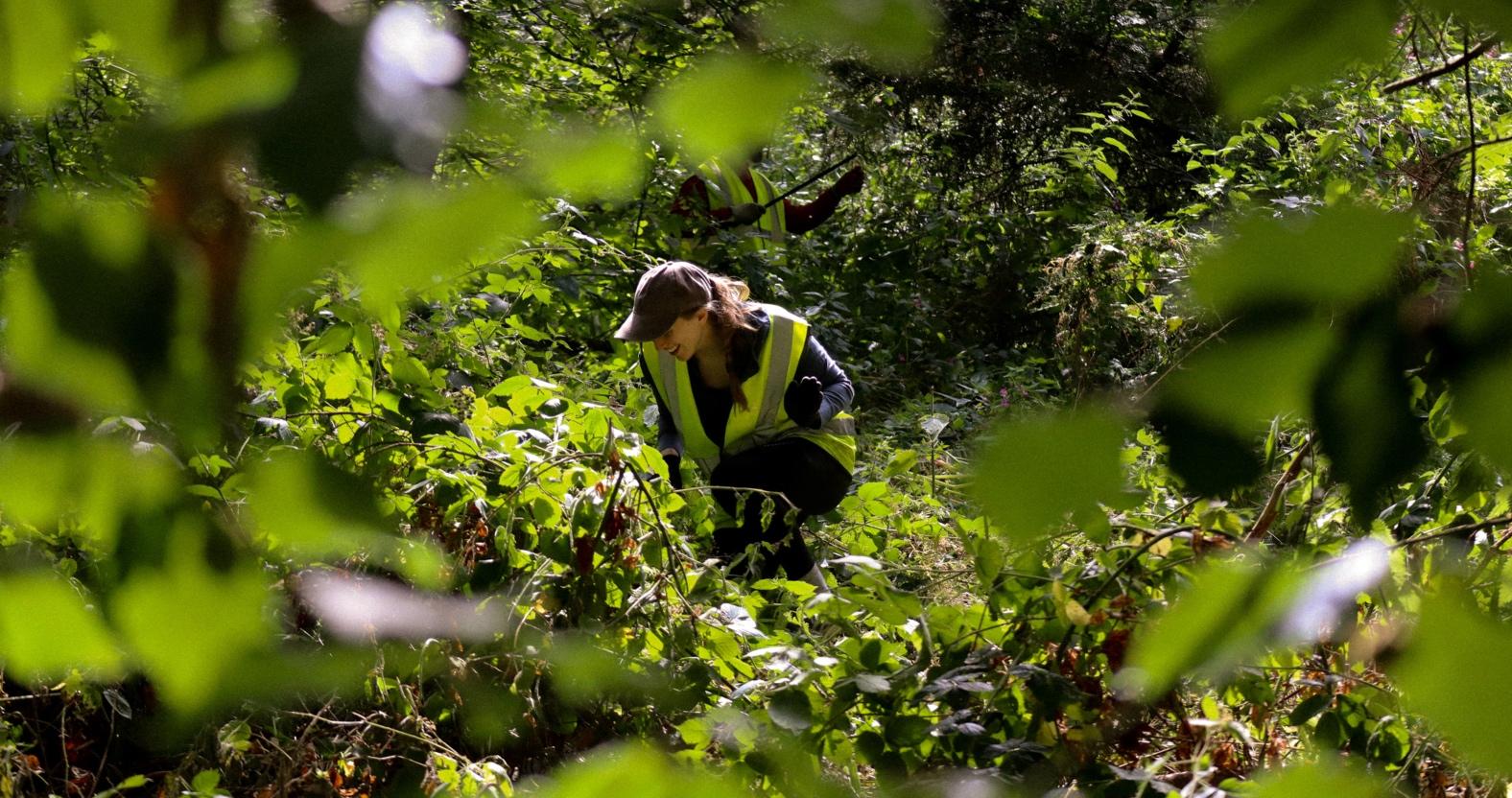
Two-hundred and thirty years since its pine trees were first planted, a project has uncovered how the Pinewoods fits in with Harrogate’s heritage.
Pinewoods Revealed, a project led by Harrogate design practice Fontis, has revealed the story behind one of the town’s much loved woodland.
Backed by local scholars, historical research and new branding, the project now wants to tell how the Pinewoods came to be and what it means for the town.
It has also allowed local conservationists to tell a different story about the Harrogate woodland, including through a new website and signage.
16th century
The story starts in the 16th century, when the six-acre King’s Plantation marked the beginning of a landscape that would grow alongside Harrogate’s emergence as one of Europe’s leading spa resorts.
By the 1890s, the corporation had acquired the plantation and surrounding moorland, with ambitions to create a pinewood inspired by the great Kurwälder of continental spa towns. A further 15,000 pines were planted in 1907, with the belief that their scent would be carried on the wind towards the town and spa gardens below.
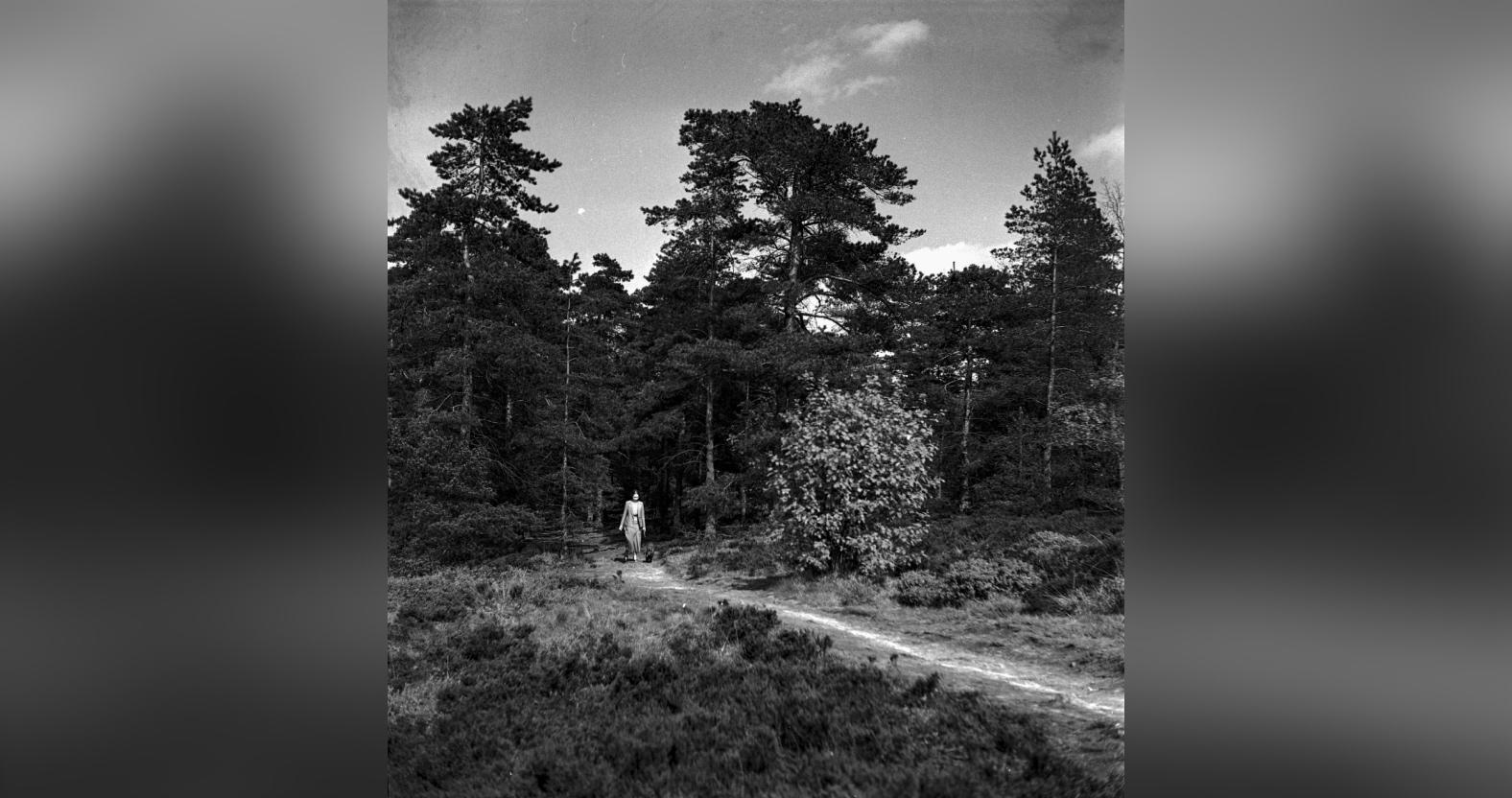
Lady walking in Pinewoods, Circa 1910. The woodland was developed as Harrogate expanded as a European spa resort, with a further 15,000 pines planted in 1907. Credit: North Yorkshire Archives.
For the first time, these fragments are being brought together as one coherent story. Kurwald, formed from the German words Kur, meaning cure, and Wald, meaning forest, describes woodland associated with a spa town and used for walking, fresh air, recovery and time in nature as part of the wider cure.
In Harrogate, the cure was never confined to drinking mineral water or taking treatments inside the town’s bathhouses. It extended outwards through promenades, gardens, moorland and woodland. Pinewoods was its forest.
A new image of the Pinewoods
This new image of the Pinewoods is backed by scholars Professor Ian Bradley, Emeritus Professor of Cultural and Spiritual History at the University of St Andrews and Professor Astrid Köhler, formerly Professor of German Literature and Comparative Cultural Studies at Queen Mary University of London.
Professor Köhler said the springs, promenades, gardens, parks, woods and rural walks of classical spa towns together formed “their typical therapeutic landscapes”. She added:
Pinewoods is an integral part of Harrogate’s healing facilities and environment.
For those who oversee the Pinewoods, the research is an opportunity to take another look at how they tell the story of the woodland.
Today, the 96-acre woodland stretches between Valley Gardens and RHS Garden Harlow Carr, forming one of Harrogate’s most important natural connections. Pine, native deciduous trees, remnant heathland, open glades and a network of paths create a landscape rich in wildlife and atmosphere.
For generations of local people, it has been a place to walk, play, breathe, gather and escape. The new identity brings the scale, richness and wider significance of that landscape into view.
Neil Hind, chair of Pinewoods Conservation Group, said it was an opportunity to tell a different story of the Pinewoods through a new website, image and signage which will be installed in the woodland.
He said:
Pinewoods means something different to everyone who uses it. For some it is part of a daily walk. For others it is a place of childhood memories, wildlife, quiet or connection. Beneath all of that is a remarkable history that deserves to be much better known.
The Pinewoods Conservation Group has cared for and championed Pinewoods for more than twenty years. This renewed image and website allow us to tell its full story, explain the work involved in looking after it and invite more people to become part of its future. We are not changing what Pinewoods is. We are helping people recognise just how special it already is.
The new website creates a digital home for the woodland. Visitors can explore its history, understand the idea of the forest cure, discover its habitats and seasonal character, plan a visit, find upcoming events and follow the continuing conservation work of Pinewoods Conservation Group.

George Eglese
New members are also able to join the charity online and visitors able to make donations. Archive imagery sits alongside contemporary photography and conservation updates.
George Eglese, practice director of Fontis, whose studio led the project, said the research allowed them to tell a different story of the woodland.
He said:
What is exciting is the story Pinewoods allows us to tell. We began with a woodland that most people in Harrogate know and love, but whose deeper origins were barely visible. The more we researched it, the clearer it became that the pines were not an isolated planting but closely tied to Harrogate’s spa anatomy, alongside the mineral springs, gardens, promenades and the practice of taking the air.

3