Thank you for your interest in this story
To continue reading this article, subscribe to the Stray Ferret for as little as £1 a week
Already a subscriber? Log in here.
21
Apr
How is North Yorkshire Fire and Rescue Service performing? 5 key takeaways from new data
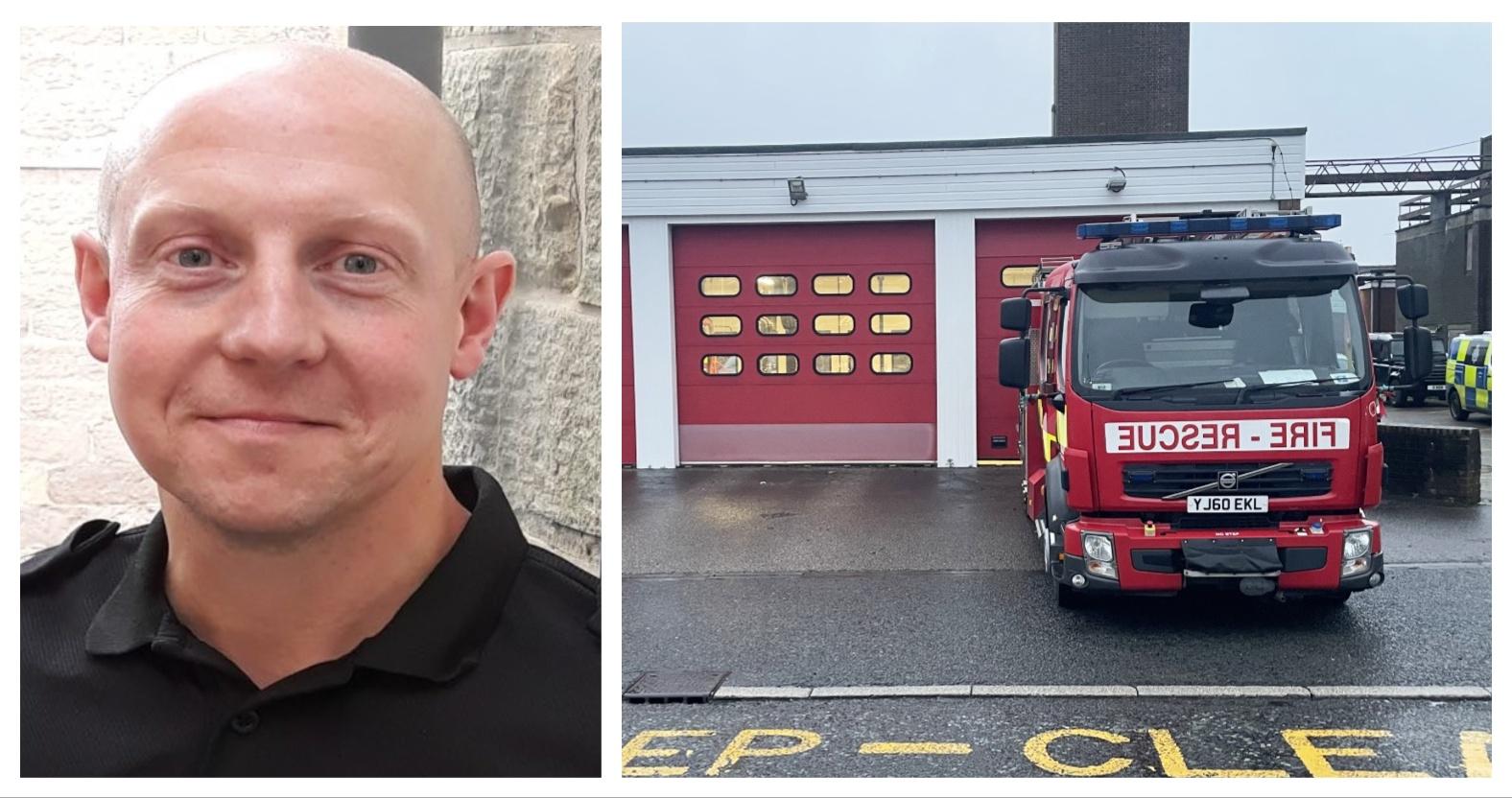
North Yorkshire Fire and Rescue Service’s performance came under the microscope when its latest performance data was scrutinised last week.
Jo Coles, Deputy Mayor for York and North Yorkshire, quizzed senior fire chiefs about the figures at the meeting.
Ms Coles' remit includes holding chief fire officer Jonathan Dyson to account and assessing the fire service's performance on behalf of the public.
You can watch the meeting, which lasted more than two hours, here or you can read the following summary of key points.
1 Overall incidents up
The total number of incidents increased by 8% from 7,733 in 2024/25 to 8,408 in 2025/26. Ben Illsley, North Yorkshire Fire and Rescue Service’s area manager, said there had been a “big increase” in small fires in the open, which totalled 1,063 call-outs. These incidents accounted for the highest number of incidents after false alarms.
2 Fewer house fires
Although the total number of incidents is up, there has been an 8% reduction in dwelling fires, which pose a major risk to life. The figure fell from 251 in 2023/24 to 230 in 2024/25 and 231 in 2025/26. Mr Illsley said: “Incidents are going up. The appliance deployments are going up. Our crews are busier from an operational capacity, but we have seen a reduction in fires in people’s homes.”
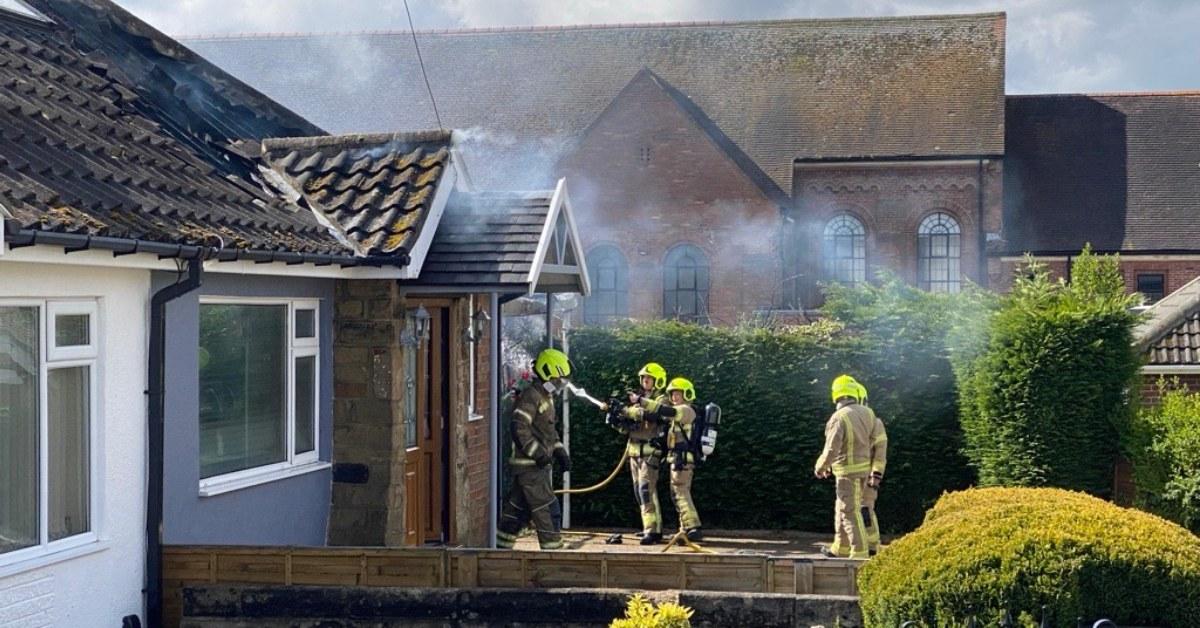
Firefighters attending a house fire in Starbeck in April.
3 Big increase in prevention work
The number of home fire safety visits increased by 42% from 4,463 in 2024/25 to 6,353 in 2025/26 as part of the force’s strategic shift towards greater fire prevention. These visits are free and can be booked here. This was highlighted as the main reason for fewer dwelling fires.
4 Fire engines taking longer to get to incidents
The overall incident response time increased from 11 minutes 48 in 2024/25 to 12 minutes 15 seconds in 2025/26. This remains quicker than the response standard of 13 minutes. The response time for dwelling fires went up from 10 minutes 21 seconds to 10 minutes 52 seconds. The response standard is 11 minutes.
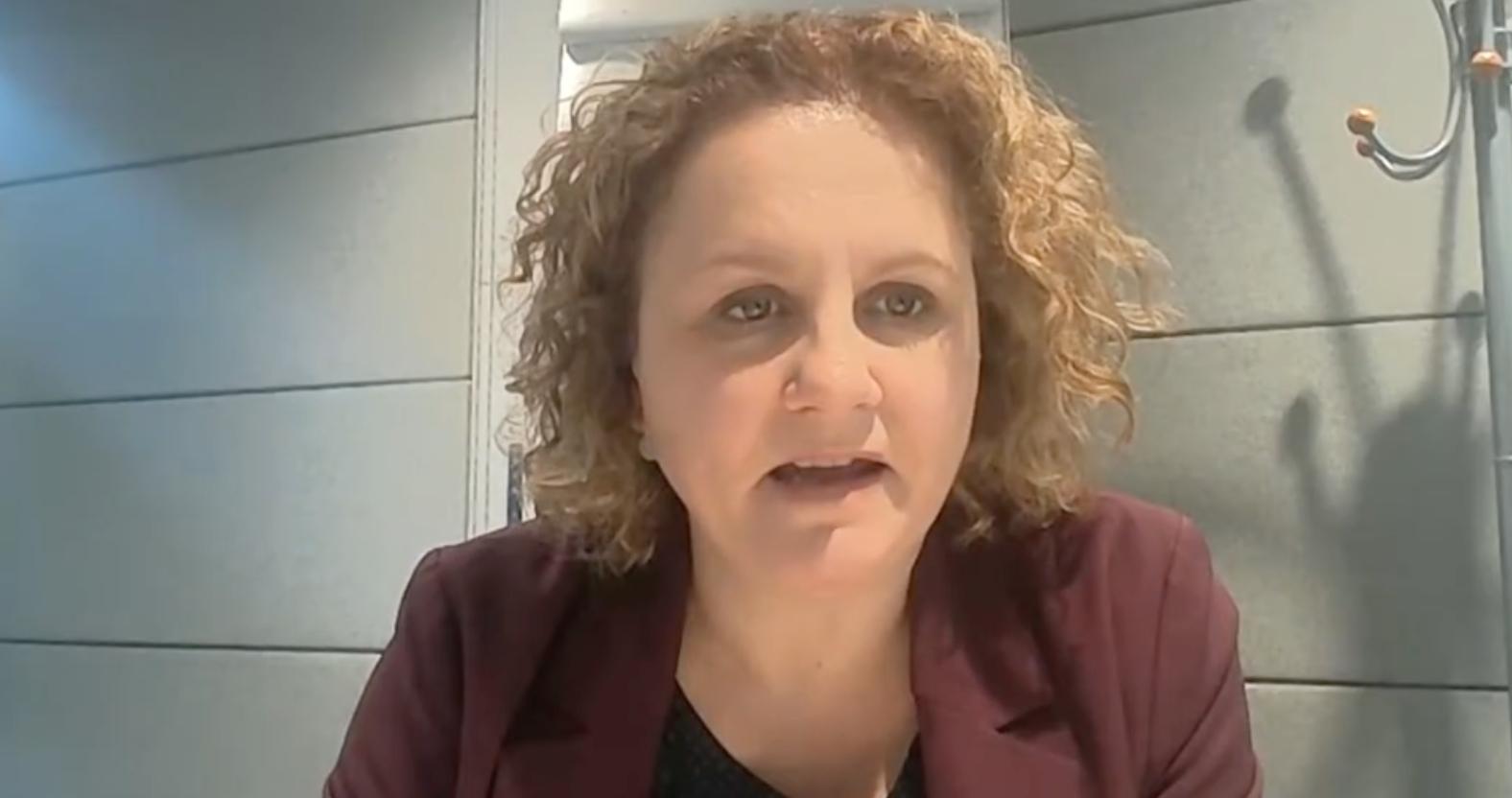
Jo Coles
5 Fire engine availability continues to fall
The Stray Ferret highlighted last year major reductions in crew availability at on-call stations in the Harrogate district, with the figures as low as 17% in Ripon and 21% in Summerbridge.
Overall fire engine availability, which includes wholetime and on-call firefighters, fell across the county from 70% in 2024/25 to 68% in 2025/26, which the meeting heard was the “equivalent of one less fire engine”. On-call availability across the county declined from 58% to 56% over the same period.
6 Value for money questioned
The household precept charged to fund the work of North Yorkshire Fire and Rescue Service increased by £9.60 a year to £116.62 in 2026/27 for a Band D property. Labour deputy mayor Ms Coles questioned whether council taxpayers were getting value for money: “People are paying significantly more in their council taxes to the fire service and at the moment availability looks to be worse than a year ago.”
Chief fire officer Jonathan Dyson added: “The public can absolutely rest assured we are doing everything we can to improve on-call availability across the county."
Asked by Ms Coles if crew availability affected how long fire engines took to respond, Mr Illsey said: “Availability absolutely has an impact on response standards but not to the level most people expect.”
He said drive time to incidents was the “main factor”. Other factors include how long it takes to process 999 calls and the ‘turn-out time’, which refers to the length of time between receiving fire alerts and driving to incidents. Mr Illsley said only York, Acomb, Harrogate and Scarborough were crewed at night and therefore could provide “immediate response”.

1