Thank you for your interest in this story
To continue reading this article, subscribe to the Stray Ferret for as little as £1 a week
Already a subscriber? Log in here.
21
Dec 2025
Inside the National Trust’s £4.6 million Studley project
Studley Royal Park is the only UNESCO World Heritage Site in North Yorkshire — and easily the most popular tourist attraction in the Harrogate district.
The 850-acre site attracts about 430,000 paying visitors a year, while another 500,000 enjoy free access to the deer park.
Most are familiar with Fountains Abbey, the beautifully preserved Cistercian monastery dissolved by Henry VIII in 1539, but know less about the Studley side of things, even though it was fundamental to the world heritage site listing in 1986.
The National Trust hopes to change perceptions in 2026 by undertaking its biggest project at the site, near Ripon, this century.
The £4.6 million Studley Revealed initiative involves creating a new admission point and a larger, more accessible café with disabled toilets. Sight lines will be restored, and new information boards will tell Studley’s story — particularly that of the underrated water garden.
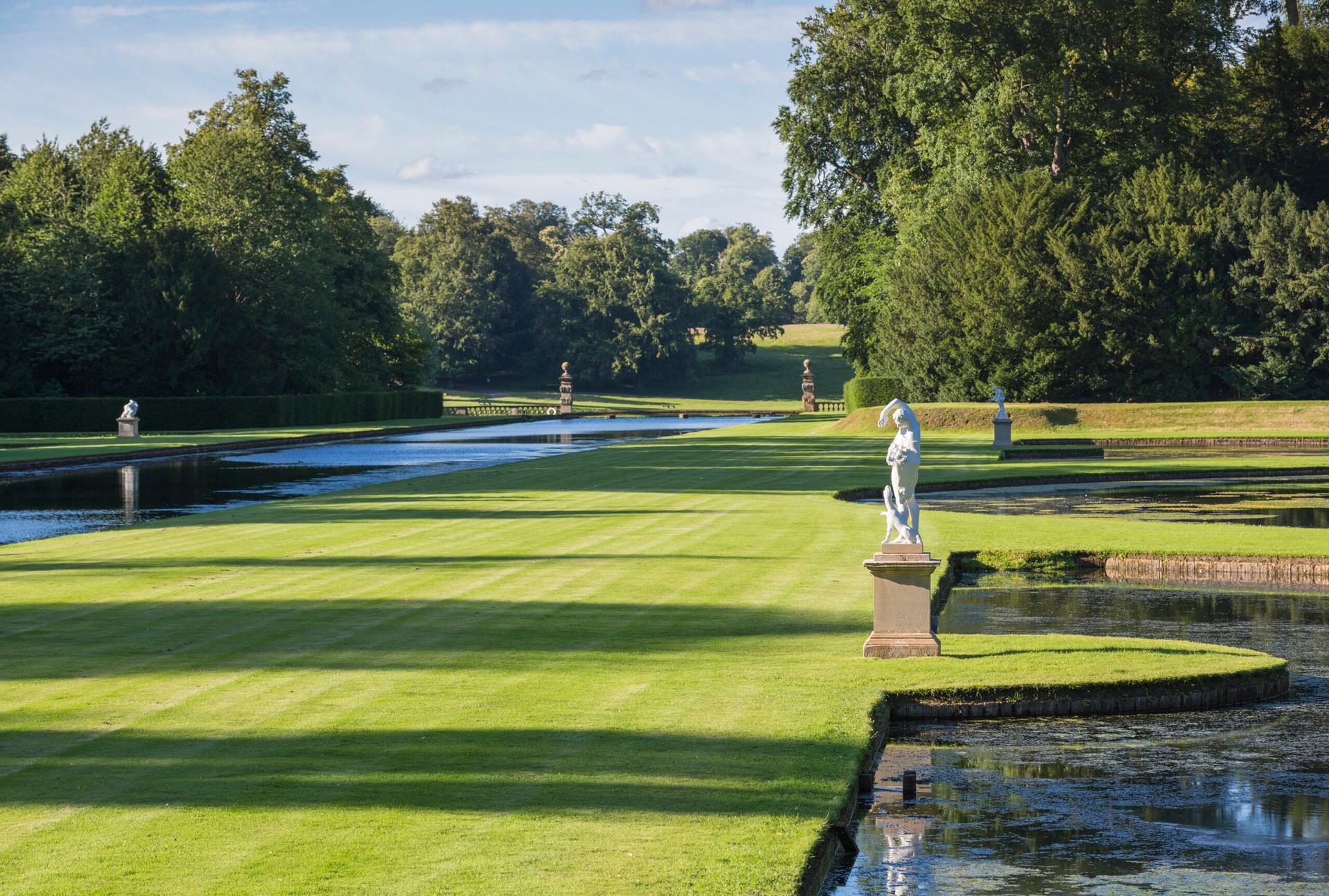
The 18th-century water garden
Experiencing the site backwards
With work expected to begin early next year, the Stray Ferret met Bec Evans, the trust’s acting general manager for Fountains, Studley and Brimham Rocks, and senior communications and marketing officer Jenni Shepherd, to find out more — and what it means to visitors.
Most people, says Ms Evans, “experience the site backwards”. They arrive at the main visitor centre, walk to the abbey and the nearby Porter’s Lodge, which tells the abbey’s story, then trek 1.2 miles to Studley where they must leave the grounds to use the one-till tearoom.
The toilets are inadequate; there is nothing explaining Studley’s history and then they must show their tickets to re-enter the site.
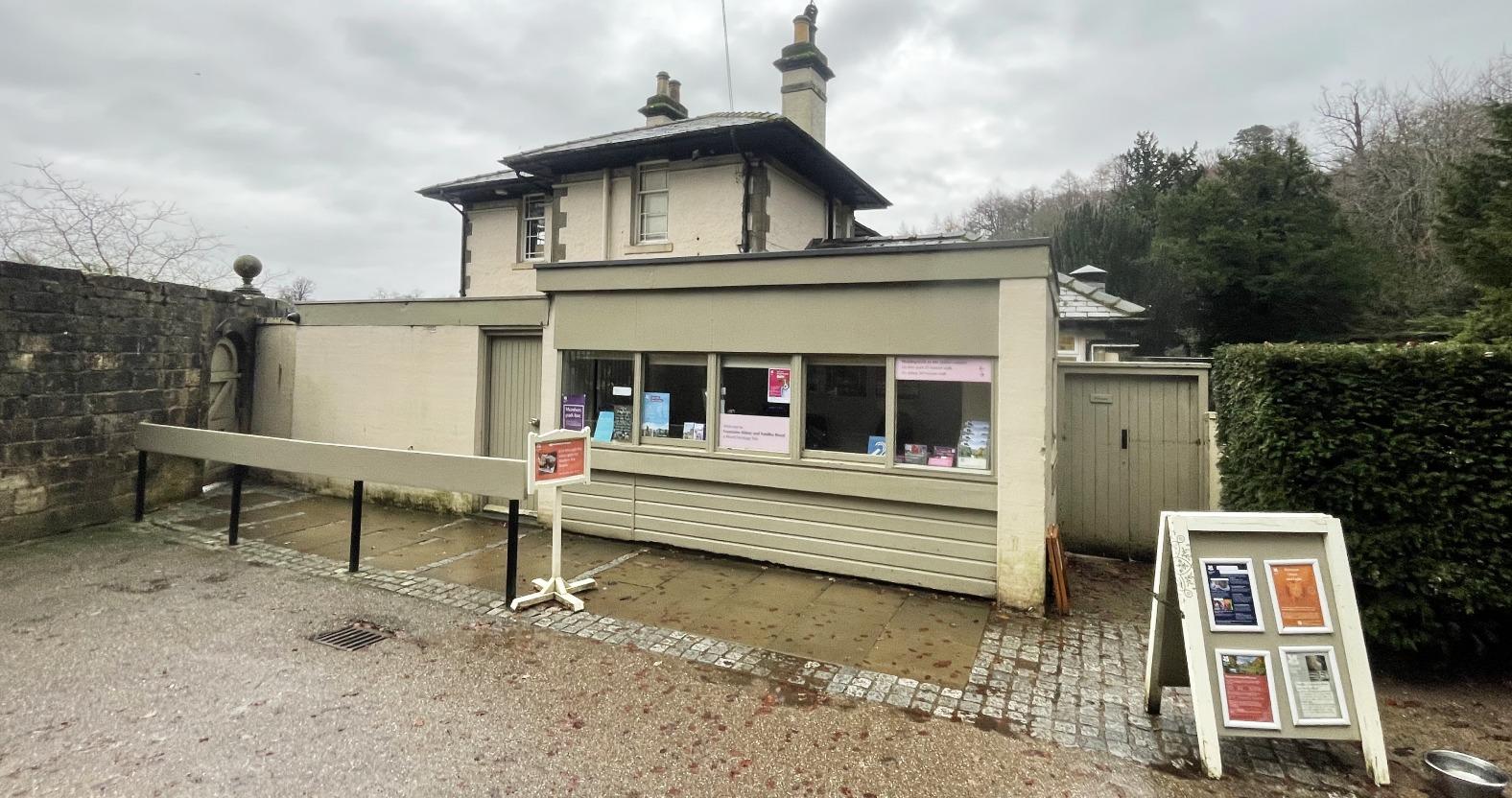
The old tearoom at Studley.
John Aislabie, who designed the jewel in Studley’s crown — the Georgian water garden — intended visitors to enter through the ornate Studley gates and experience the lake views first. “The abbey should be the end point,” says Ms Evans.
Aislabie, a Tory Chancellor and MP for Ripon, dedicated himself to landscaping Studley after his political career ended in disgrace in 1721 for his role in the South Sea Bubble financial crash.
His son William combined the previously separate Fountains and Studley estates in 1767.
By then, landscape architect Lancelot ‘Capability’ Brown had arrived, and water gardens had gone out of fashion. Studley’s is one of the few that survive, and one of the greatest, surrounded by follies, temples and ‘conceal and reveal’ gaps in hedges that give sudden and unexpected breathtaking views.
Studley Revealed aims to restore the Georgian glory — and help visitors experience the site better.
Ms Evans says:
We hope it will draw more people into the water garden by giving them a sense of it being something worth coming for, and knowing they are guaranteed good facilities. People can queue 45 minutes for a cup of coffee currently. The single till takes more money than all of those at Beningbrough Hall. All the toilets bar one are up steps. We want to give visitors a better experience.
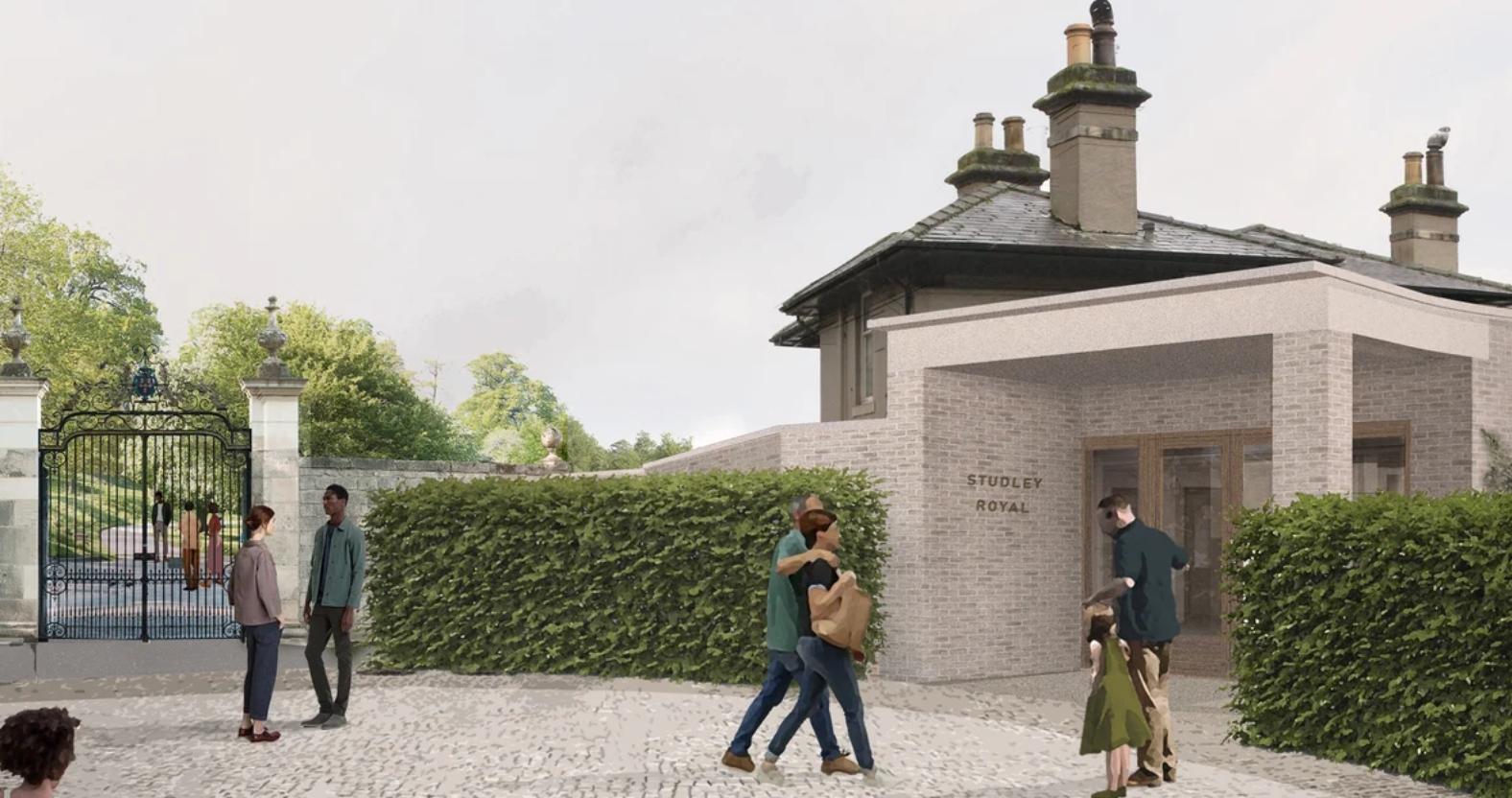
How the new entrance to the tearoom from inside the water garden will look.
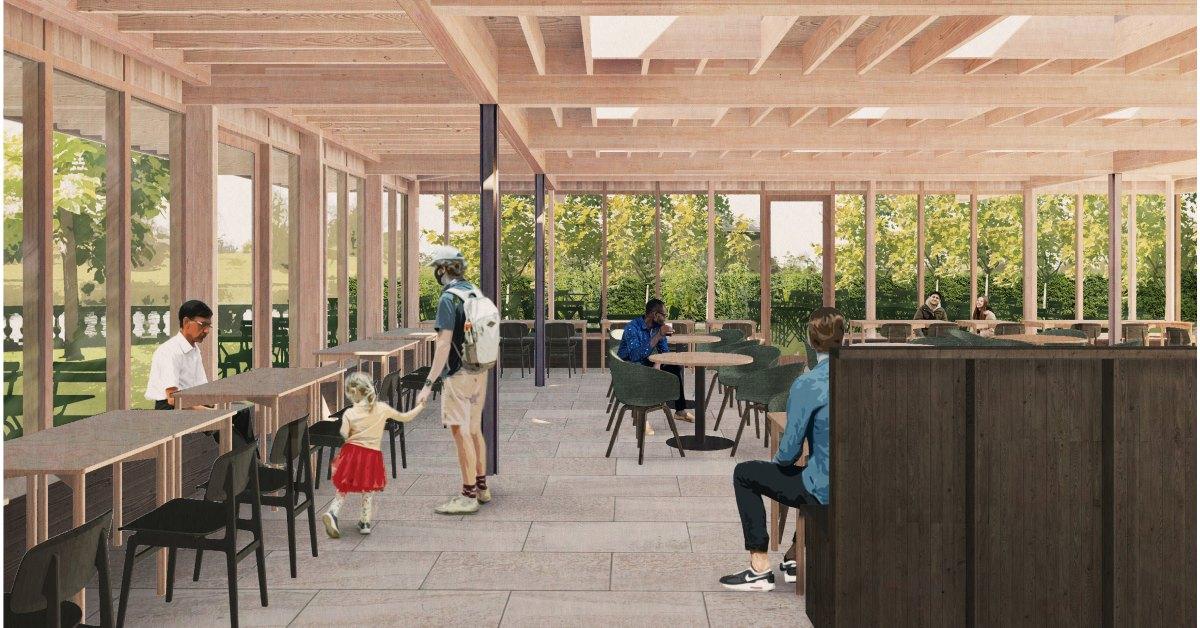
An illustration of the how the new cafe seating area might look.
'A once in a generation project'
Internal talks about improving Studley began in the 1990s. A project team was set up in 2017, and planning permission was granted in February.
“One of the reasons it has taken so long is the amount of scrutiny which is, quite rightly, required for a world heritage site,” says Ms Evans.
The £4.6 million cost is coming from commercial loans and project funding.
Construction is due to start late winter or early spring and last 12 months. The Victorian lodge that hosts the Studley tearoom will be re-rendered and taken back to its original form. While closed, a temporary giant marquee will provide additional tearoom space near the tearoom at the main visitor centre.
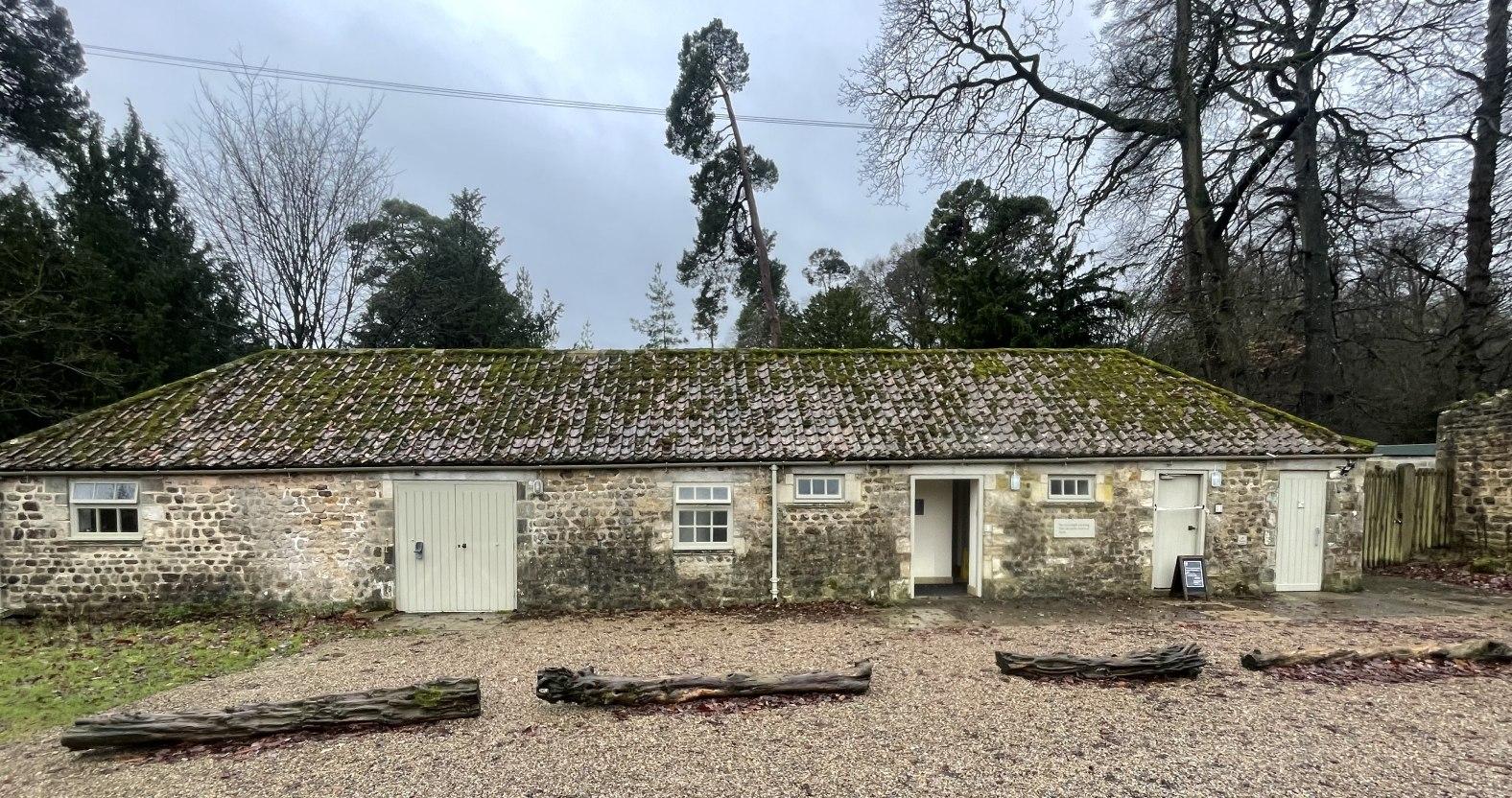
A food and drink kiosk will be erected on the current toilet block just outside the Studley entrance.
Anyone can enter the current Studley tearoom. The new one, however, will only be available to paying visitors, which has disappointed those who enjoy visiting the tearoom with its lakeside view and don't want to enter the paid area. The toilet block outside the Studley entrance is being converted into a food and drink kiosk to compensate for the loss.
The project starting date is expected to be announced shortly. For those at the trust who have been planning for years, it can’t come soon enough.
“Since the National Trust took over in the 1980s there have been lots of small interventions, but this is probably the biggest change since the visitor centre was built in the 1990s,” Ms Evans says. “We are referring to it as a once in a generation project.”
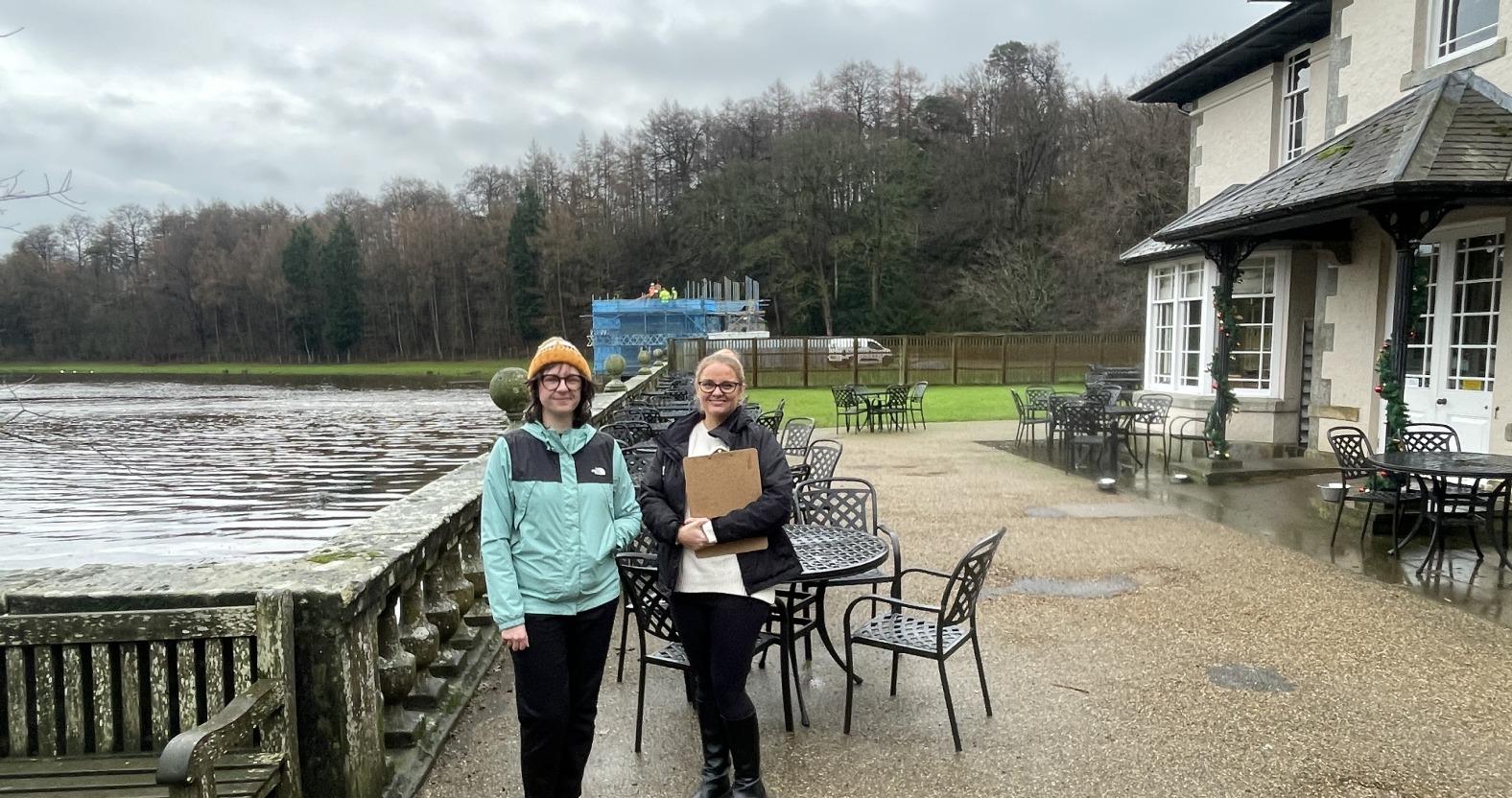
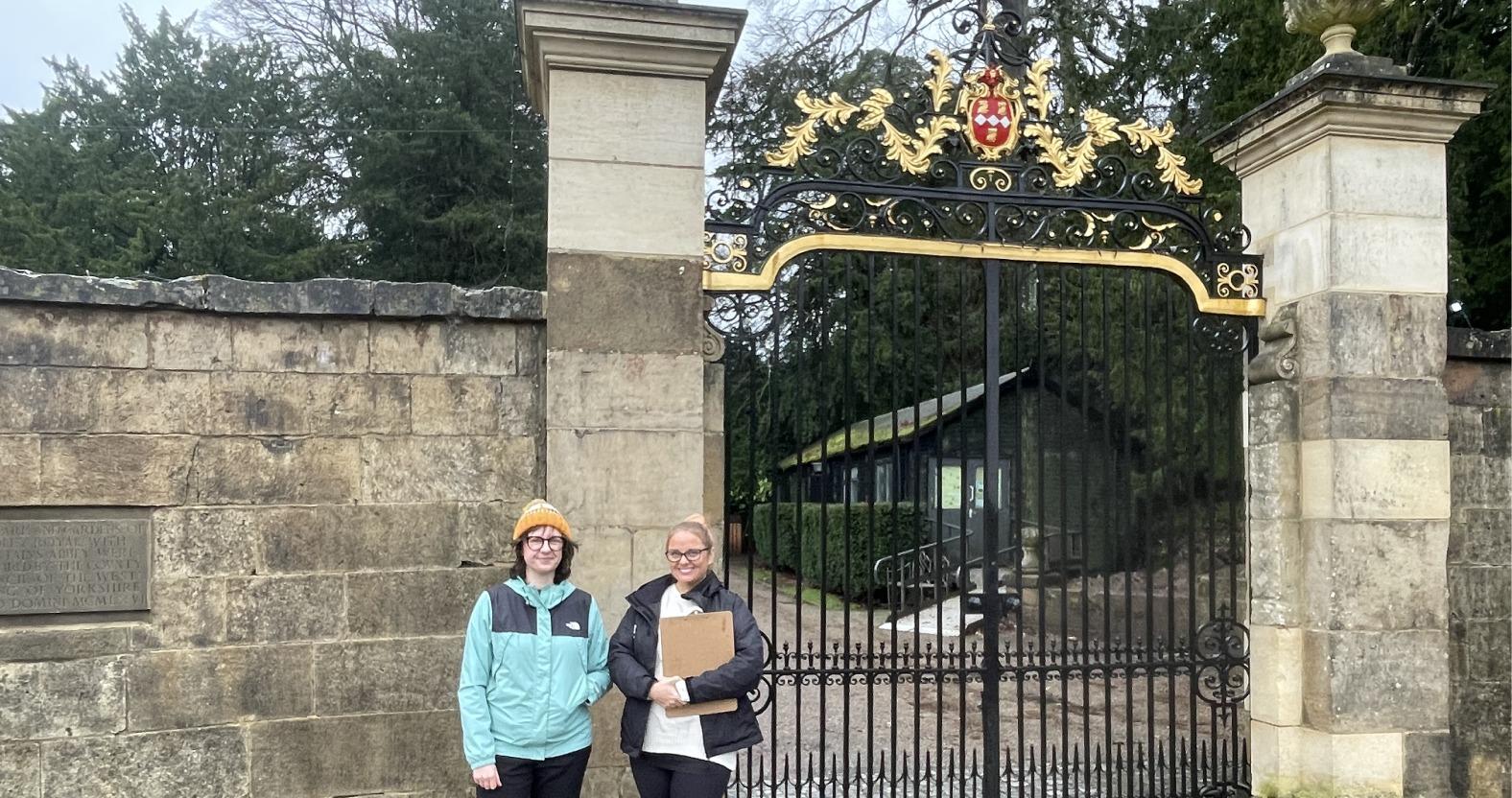
Bec Evans (left) and Jenni Shepherd outside the tearoom.
7 fascinating facts about Studley Royal Park
1 Besides Fountains Abbey and Studley water garden, the park includes neo-classical statues and follies, the Elizabethan Fountains Hall with hidden herb garden, a medieval deer park and the Victorian gothic St Mary’s Church.
2 Fountains Abbey was founded in 1132 by 13 Benedictine monks from St. Mary’s Abbey, York but they soon joined the Cistercian order. Wool production, agriculture, and milling helped it become one of the wealthiest monasteries in Europe.
3 The deer park is home to over 300 red, sika and fallow deer.
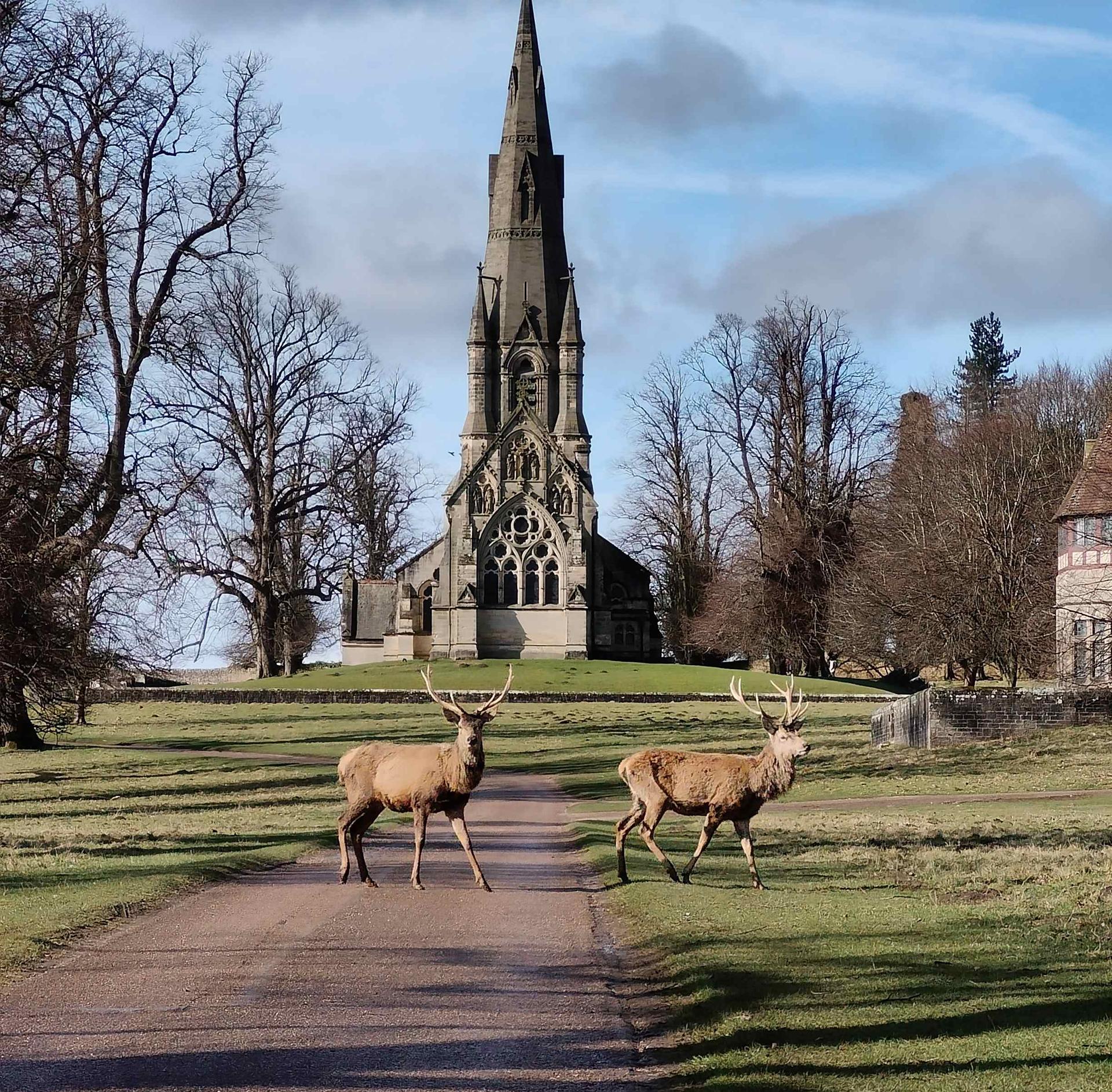
Red deer on a spring morning at Studley Park, by Patricia Rumbold.
4 The Studley Royal estate was bought by the Aislabie family in 1699. John Aislabie and his son, William, created Studley Royal Water Garden between 1718 and 1740.
5 William Aislabie acquired the abbey ruins and incorporated them into the designed landscape between 1767 and 1781. A wall previously divided Fountains and Studley.
6 The National Trust bought the estate from West Riding County Council in 1983.
7 The UNESCO World Heritage Site listing in 1986 described Fountains Abbey and Studley Royal as a ‘feat of human creative genius’.

0