Thank you for your interest in this story
To continue reading this article, subscribe to the Stray Ferret for as little as £1 a week
Already a subscriber? Log in here.
03
May
'Knaresborough House has presence, history – and potential'
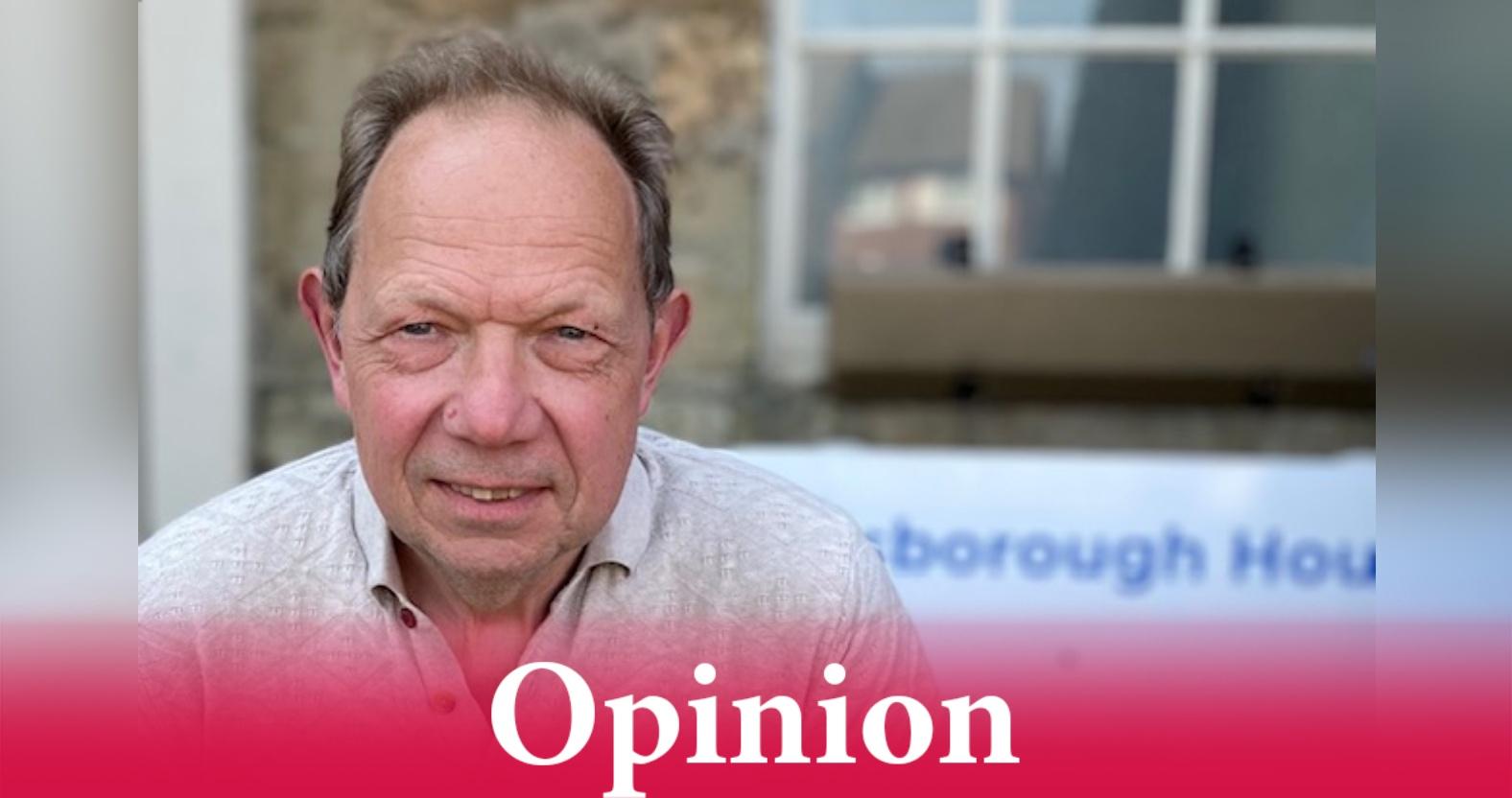
Andy Grinter lives and works in Knaresborough, is a qualified town guide, and is secretary of Knaresborough Civic Society.
Knaresborough House sits in plain sight on the High Street, yet – somehow – it has drifted to the edges of local attention.
That should concern us all, particularly at a time when council budgets are under sustained pressure and every public asset needs to justify its place.
Managed today by North Yorkshire Council, the building was – from 1951 until local government reorganisation in 1974 – the focal point of Knaresborough’s own local authority, housing its finance and surveying departments and forming the centre of civic administration.
That history matters, because it reminds us what the building once was: active, used and central to the life of the town.
This is not just another old building. It’s a grade II listed Georgian townhouse of real substance and quiet authority. It has served the town for decades. It has presence, history and – crucially – potential.
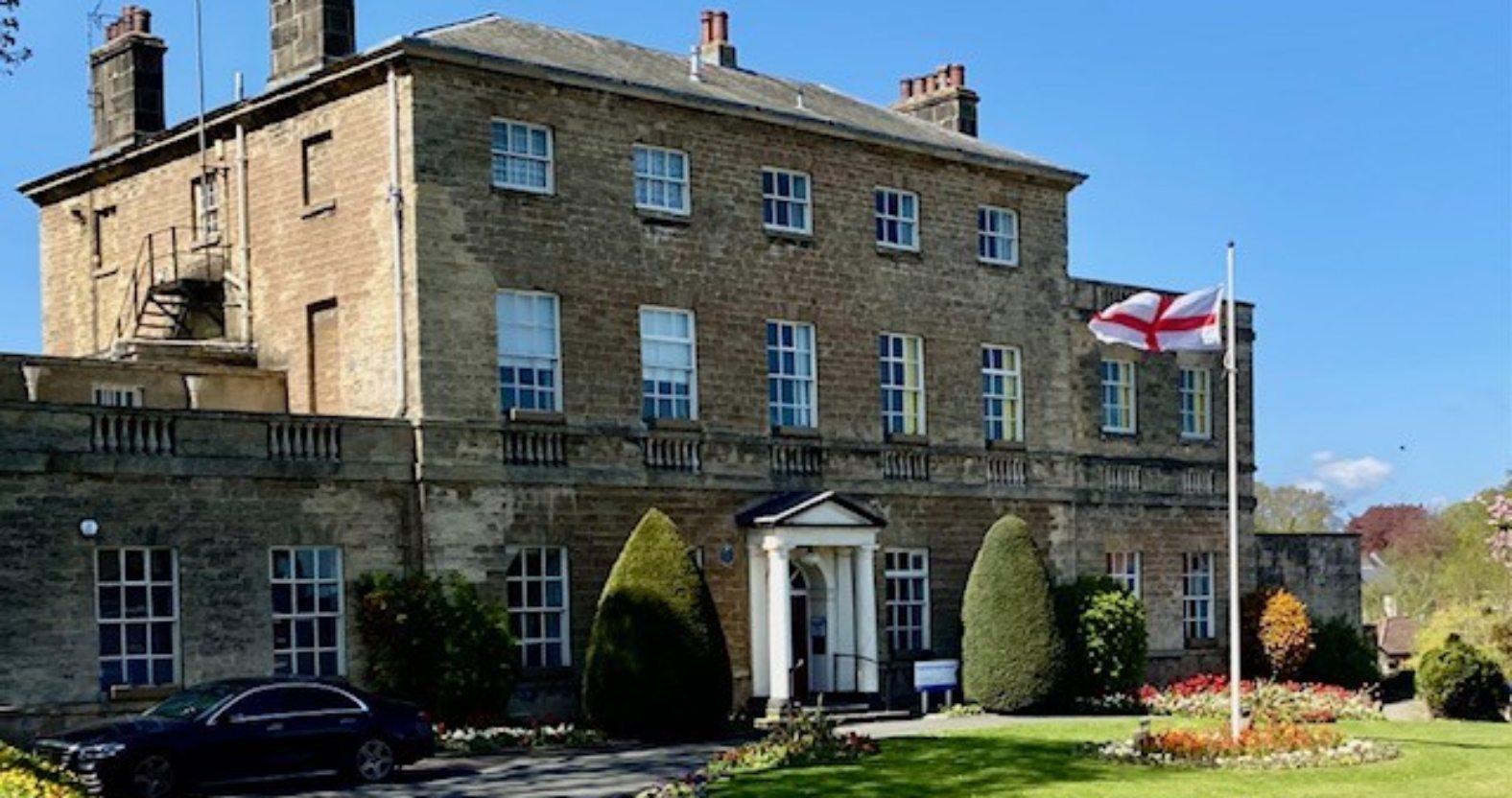
Knaresborough House. Photo: Andy Grinter.
Yet at present, it feels underused and increasingly disconnected from the life of the town it belongs to. Recent roof leaks and damage to security fittings have had to be dealt with, but no long-term maintenance plan is in place.
Knaresborough Civic Society believes that needs to change.
We’re not calling for a grand scheme – at least not yet. We are making a simple observation: something important is being allowed to drift when it could be doing far more – for the town, for residents and for visitors.
At the society’s recent public meeting, held at Knaresborough House itself, one thing was clear: people care. They recognise the building’s value, but also sense a gap between that potential and its current use.
And that gap is what really matters.
Knaresborough’s character depends in part on how its key buildings are used, cared for and presented. Buildings like Knaresborough House need to look the part – well maintained, clearly valued and visibly part of civic life. When they do, they reinforce pride in place. When they don’t, that sense of identity weakens.
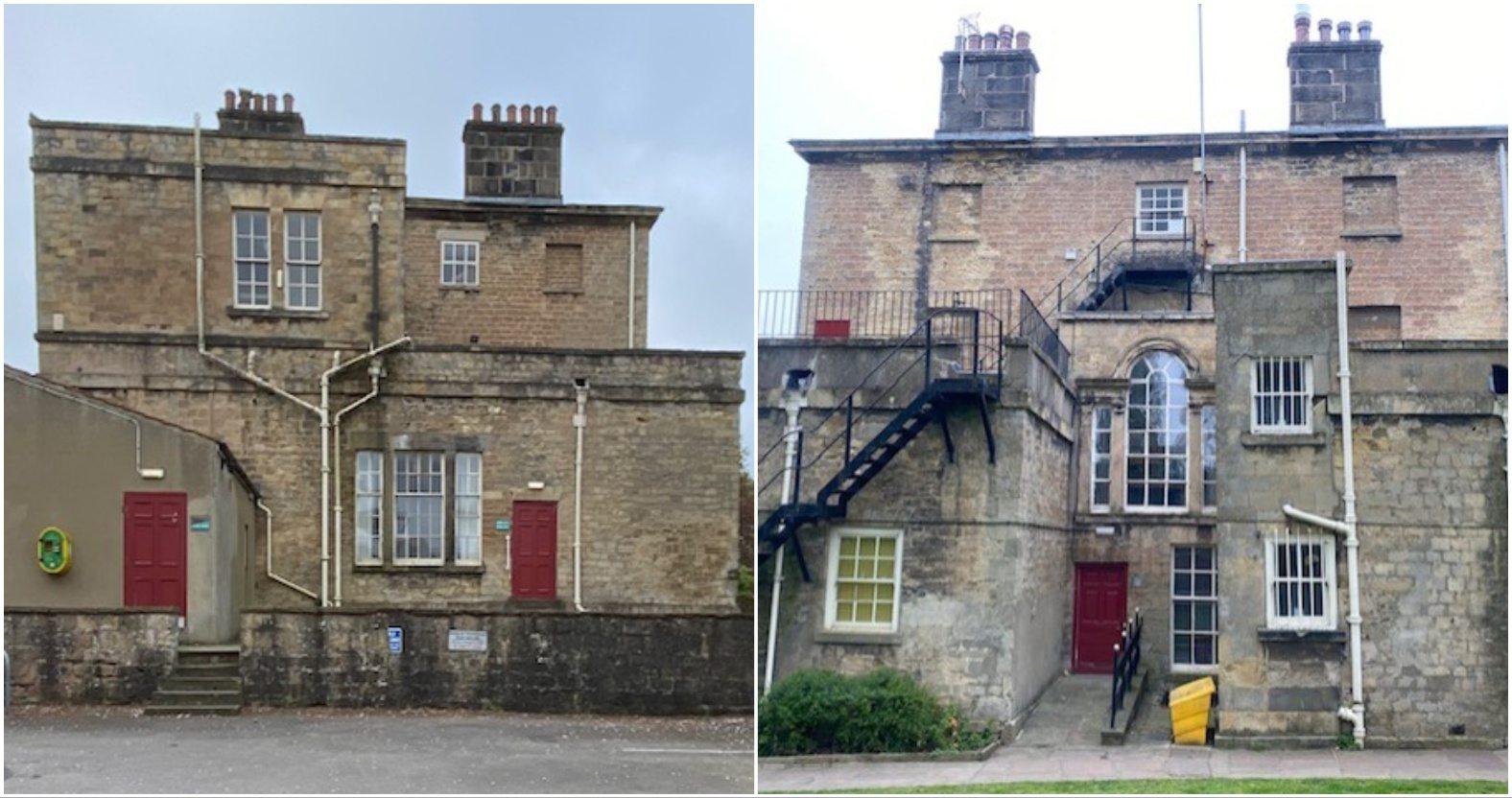
Two of the lesser seen side of Knaresborough House. Photos: Andy Grinter.
'We need a shared vision'
Knaresborough House is not beyond use. It already contains usable rooms, a council chamber and an assembly space. The issue is not whether it can be used, but whether there is the will and structure to make that use consistent and sustainable.
At the meeting, we heard how difficult it can be to make and confirm even a simple room booking. That’s not a structural problem – it’s a practical one.
There is also growing interest in forming a Friends of Knaresborough House group – an active, doing group. The aim would be to bring together people willing to support, programme and care for the building, helping to reconnect it with everyday civic life.
At present, there is no clear, shared vision. Different bodies have an interest, but no single plan brings it together. That lack of direction risks leaving the building in limbo.
Elsewhere, change is happening. In places such as Ripon and Whitby, historic civic buildings are being rethought through partnership and local stewardship. These approaches are not perfect, but they do show purpose and intent.
Knaresborough House deserves as much.

Knaresborough House. Photo: Andy Grinter.
If we are serious about Knaresborough town centre – about encouraging people to spend time here, not just pass through – then buildings like Knaresborough House must be part of that conversation.
The civic society’s role is to ask the right questions: What is the realistic, sustainable use of the building? Who is best placed to manage it? What level of investment is required? And how do we ensure it serves the town, rather than just sitting within it?
There is no single answer. But doing nothing is, in itself, a decision – and not a good one.
Anyone interested in finding out more about the Friends of Knaresborough House should contact Knaresborough-civic-society@hotmail.com for information.

2