Thank you for your interest in this story
To continue reading this article, subscribe to the Stray Ferret for as little as £1 a week
Already a subscriber? Log in here.
28
Sept
Leading the Harrogate district’s biggest visitor destination
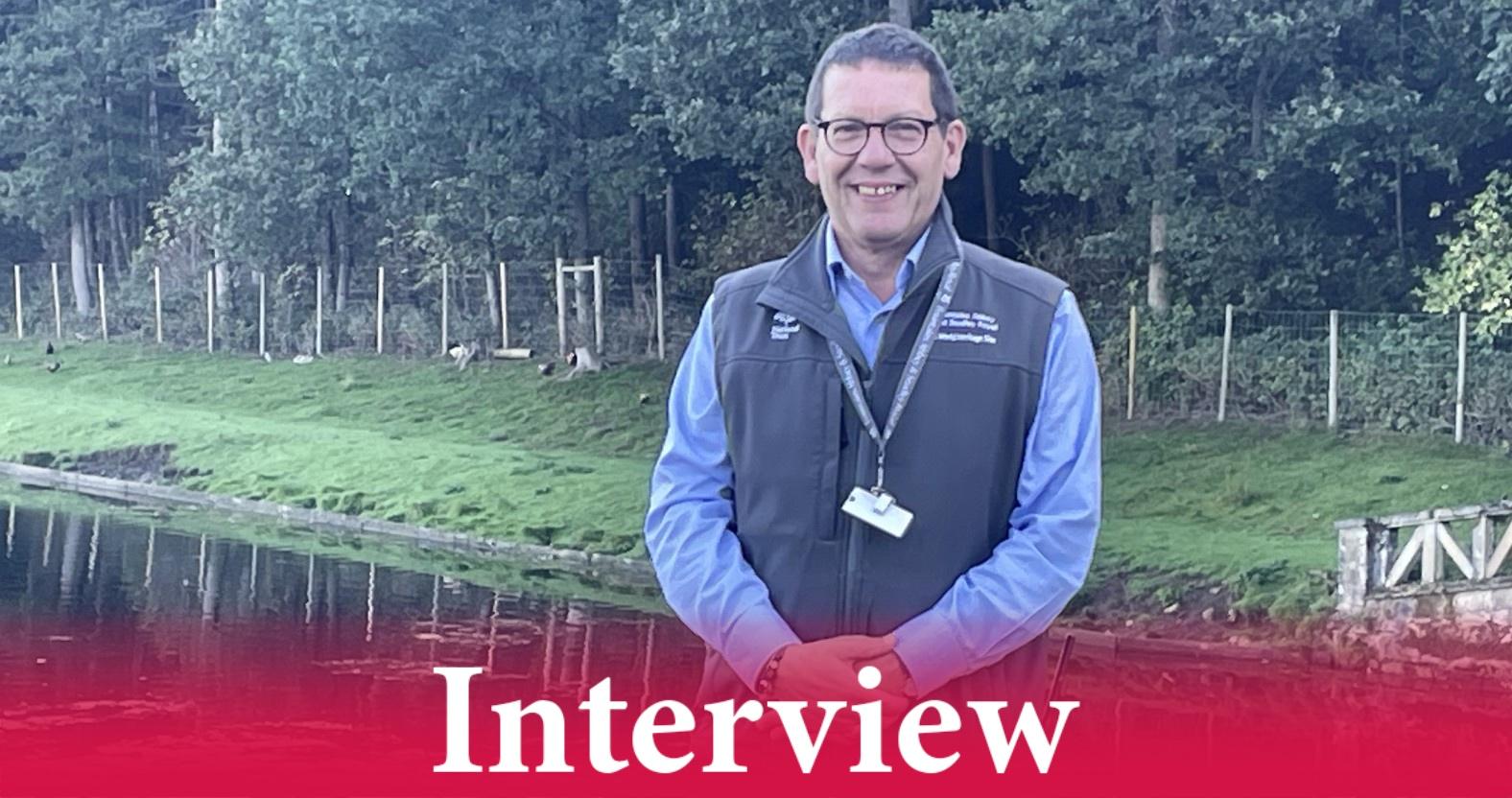
After nine years of planning, work finally began this month on the National Trust’s £5.8 million Studley Revealed project.
Work is expected to last up to 18 months at the UNESCO World Heritage Site of Studley Royal and Fountains Abbey, near Ripon.
It will see a new entrance created, sightlines restored and the Studley Lodge tearoom expanded and made more accessible for disabled people.
“This is a once in a generation milestone for the world heritage site, and we’re excited to see the future of Studley Lodge begin to take shape,” says Justin Scully, the trust’s general manager for the site, who is overseeing the project.
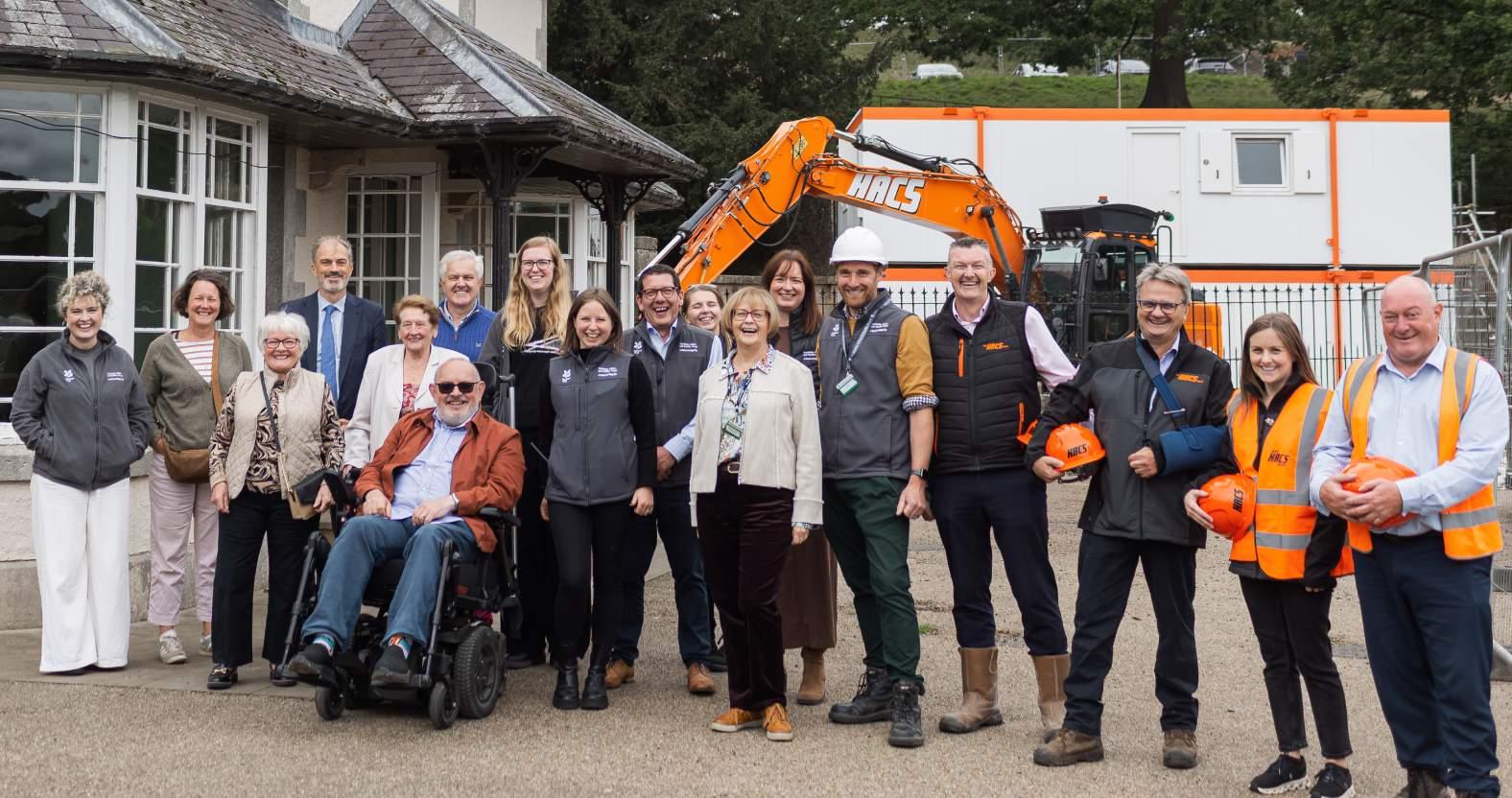
A selection of consultees including local government, councillors, Ripon Civic Society, National Trust staff, HACS team and representatives from Ripon Disability Forum celebrate breaking ground at Studley Lodge.
The Stray Ferret met Mr Scully last week to find out more shortly after the diggers arrived.
Talks to improve the Studley end of the estate had been rumbling since the visitor centre opened at the Fountains end of the site in 1992.
Mr Scully says:
The big decision to move this project forward was taken in 2017. We then had to pause for two years because of covid. It has been a complicated process and it’s great to finally get underway.
18-month project
Altering a world heritage site required permissions from North Yorkshire Council, the non-departmental body Historic England and Nidderdale National Landscape, which contributed to the delays.
The project has not been without challenges. The cost rose this year from £4.6 million to £5.8 million. Also, under the old layout, the tearoom was free to enter. Anyone could visit and enjoy the fabulous lakeside views.
When the new entrance opens, the tearoom will only be available to paying guests, which upset some regular visitors. To compensate, a refreshments kiosk will be built in the free-to-visit area, but not until at least a year after the current work ends.
However, paying visitors will no longer have to leave and re-enter the site if they want refreshments or toilets and disabled people will have far better facilities. “There was only one toilet here that didn’t involve going up steps,” says Mr Scully. “In the 21st century, that’s simply not good enough.”
Work is expected to last 16 to 18 months, depending on the weather. A marquee is due to be installed near the Fountains entrance in half-term to cater for the anticipated uplift in people seeking refreshments at that end of the site while the Studley entrance, which is used by 15% of visitors, is blocked off.
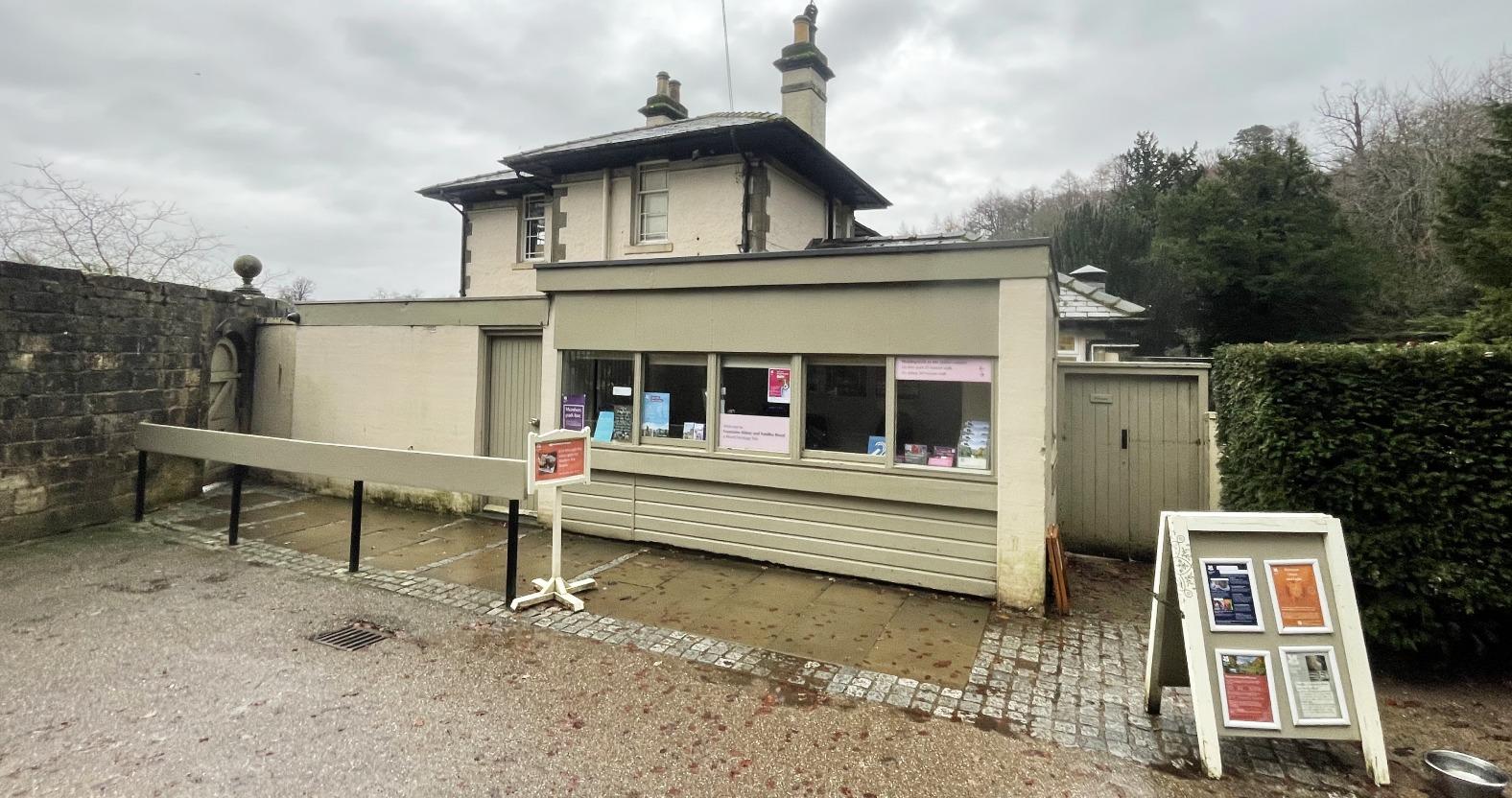
The old tearoom at Studley.
600,000 visitors
Fountains Abbey and Studley Royal — historically two separate sites that have been merged into one — is the most popular visitor attraction in the Harrogate district.
It receives 600,000 annual visitors, of whom 420,000 pay to enter and 180,000 enjoy the deer park for free. The next highest is RHS Garden Harlow Carr, which gets about 500,000 annual visits.
Mr Scully, who drives to work from Leeds each day, says: “We know 30% of members who visit live more than two hours away. That means they are on holiday. It’s bringing tourists to Fountains but also to other local areas.”
Mr Scully, who oversees 125 full-time equivalent staff and 360 volunteers, is also in charge of the trust’s other Harrogate district site — Brimham Rocks — eight miles away. It gets about 250,000 annual visits.
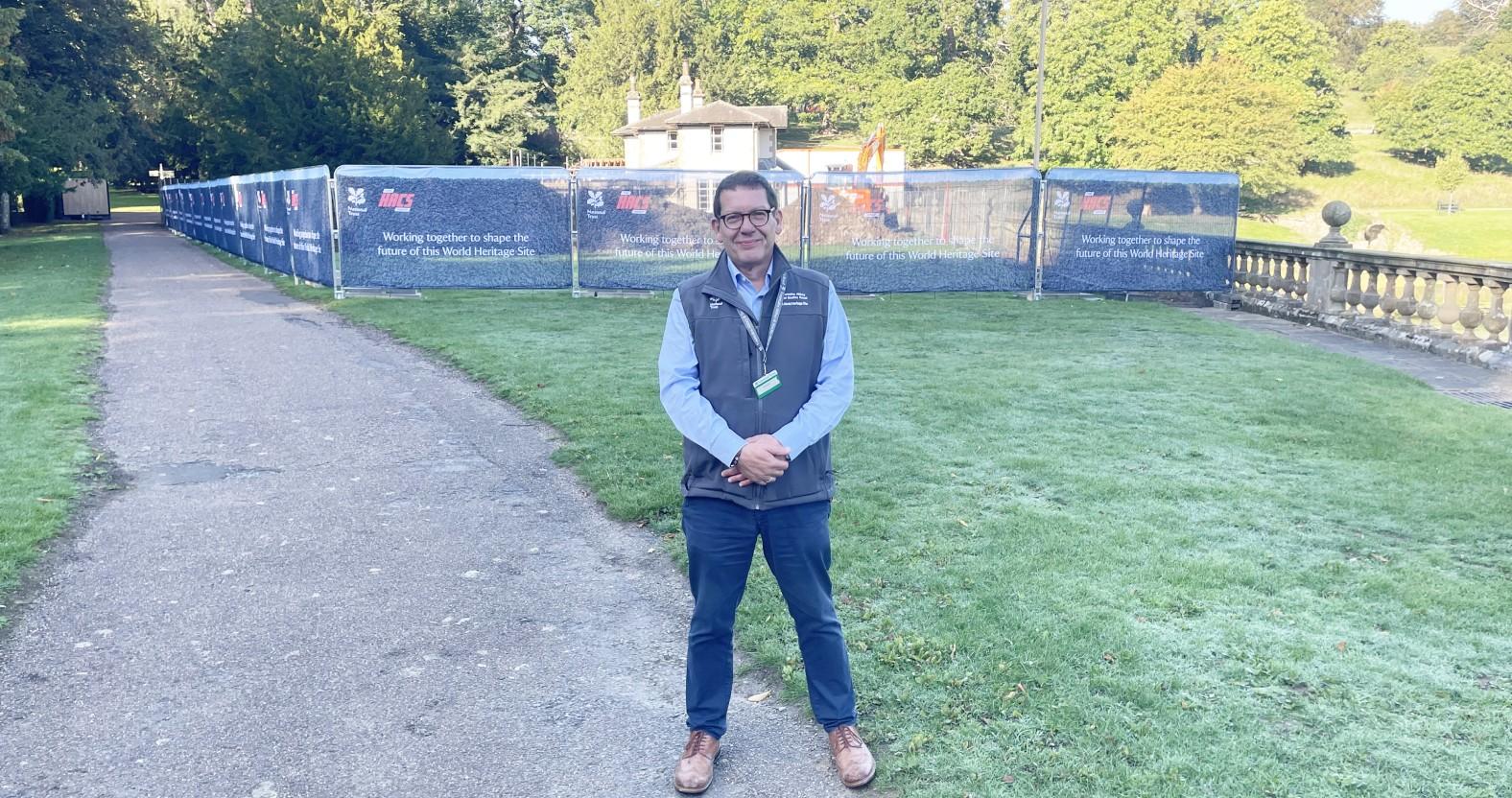
Justin Scully
He worked in the private sector and then for charities VSO and Shelter before joining the trust, initially as operations director for the east of England.
During his decade up north, he’s overseen the £2.5 million Skell Valley Project that worked with 16 partners to reduce flood risk at the world heritage site, and increased the number of holiday cottages by four to 16.
Future plans include increasing the use of Fountains Hall, but Studley Revealed is likely to dominate the agenda for some time.
The months ahead will be a crucial time at a site that is vital to the area's visitor economy and cultural life.
"It's a weighty experience," says Mr Scully. "But I can't think of a better place to come to work to."

0