Thank you for your interest in this story
To continue reading this article, subscribe to the Stray Ferret for as little as £1 a week
Already a subscriber? Log in here.
15
Oct
Linton asylum centre could cost taxpayers £270 million, campaigners tell Treasury
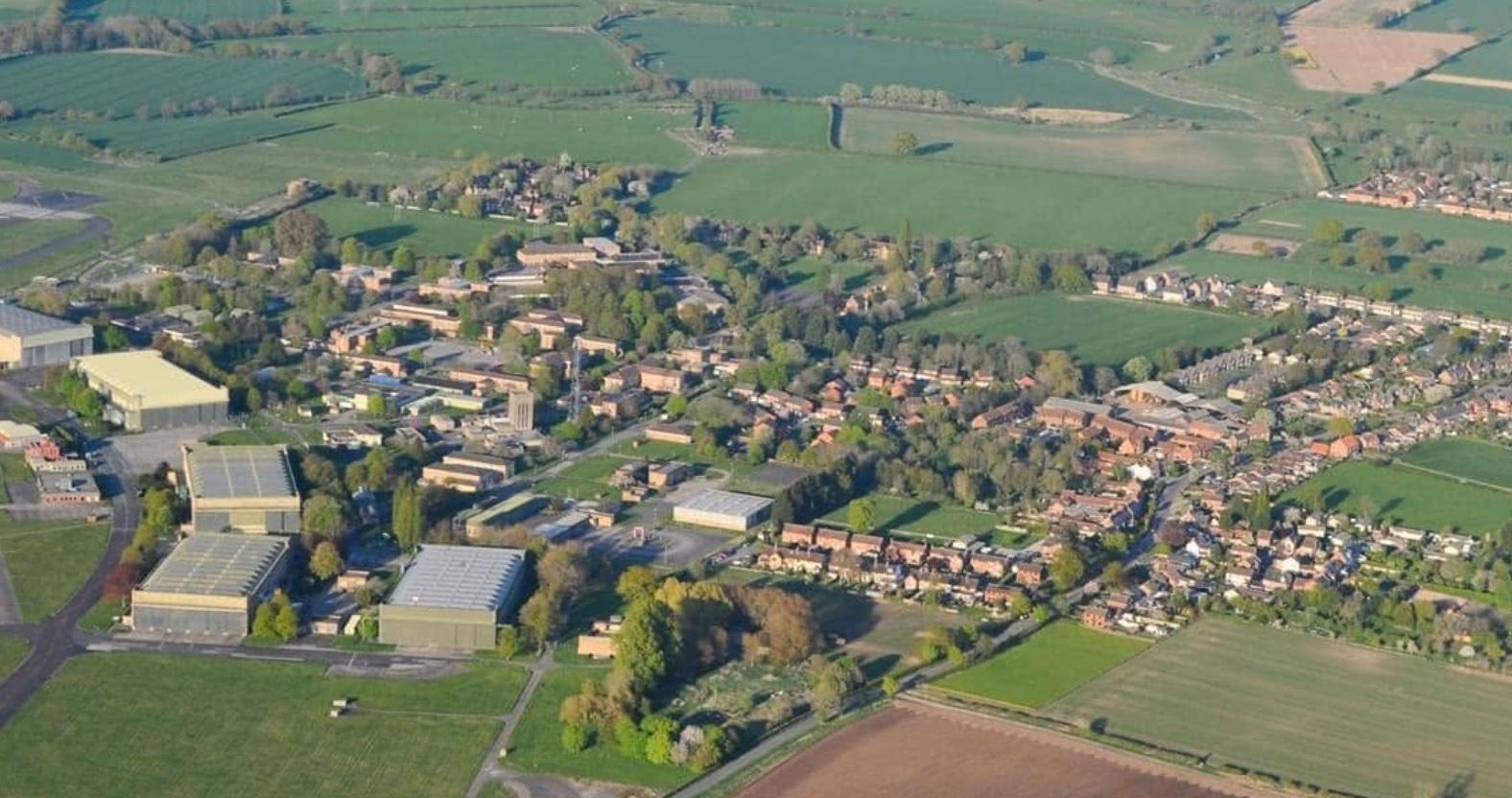
Campaigners fighting plans for an asylum centre at Linton-on-Ouse have called for a Treasury investigation amid claims the facility could cost taxpayers more than £270m despite potentially operating for just two years.
The Linton-on-Ouse Action Group has written to the Chancellor demanding a full financial review before public money is used to convert the former RAF base on the edge of the village into accommodation for asylum seekers.
The group claims the proposed centre could cost between £443 and £853 per occupied bed per night, depending on occupancy levels, significantly more than the cost of housing asylum seekers in hotels.
However, the Home Office says its programme to close asylum hotels and move people into alternative accommodation is saving taxpayers money.
In the open letter, campaigners question whether the project represents value for money, particularly amid concerns that the site may have to be returned to the Ministry of Defence by July 2029.
They say the potential deadline, which has yet to be confirmed, could leave the centre operating for considerably less than three years once preparation, phased occupation and decommissioning are taken into account.
The group said:
How can converting a former military base into temporary asylum accommodation represent value for money when the Home Office may have less than three years to use it?
We recognise the government’s responsibility to provide asylum accommodation, and its ambition to reduce reliance on hotels, but replacing one expensive accommodation model with another potentially more costly one is not in the taxpayers’ best interests.
The group’s financial modelling estimates the scheme could cost £270.9m over a 23-month operating period.
It says this could equate to between £443 and £853 per occupied bed per night, compared with a hotel benchmark of £144.98.
However, the campaigners acknowledge that their calculations are estimates rather than official Home Office costings.
The letter also highlights a National Audit Office investigation published in March 2024, which found that the government’s early programme of large asylum accommodation sites was expected to cost £46m more than hotels, despite originally being intended to deliver savings.
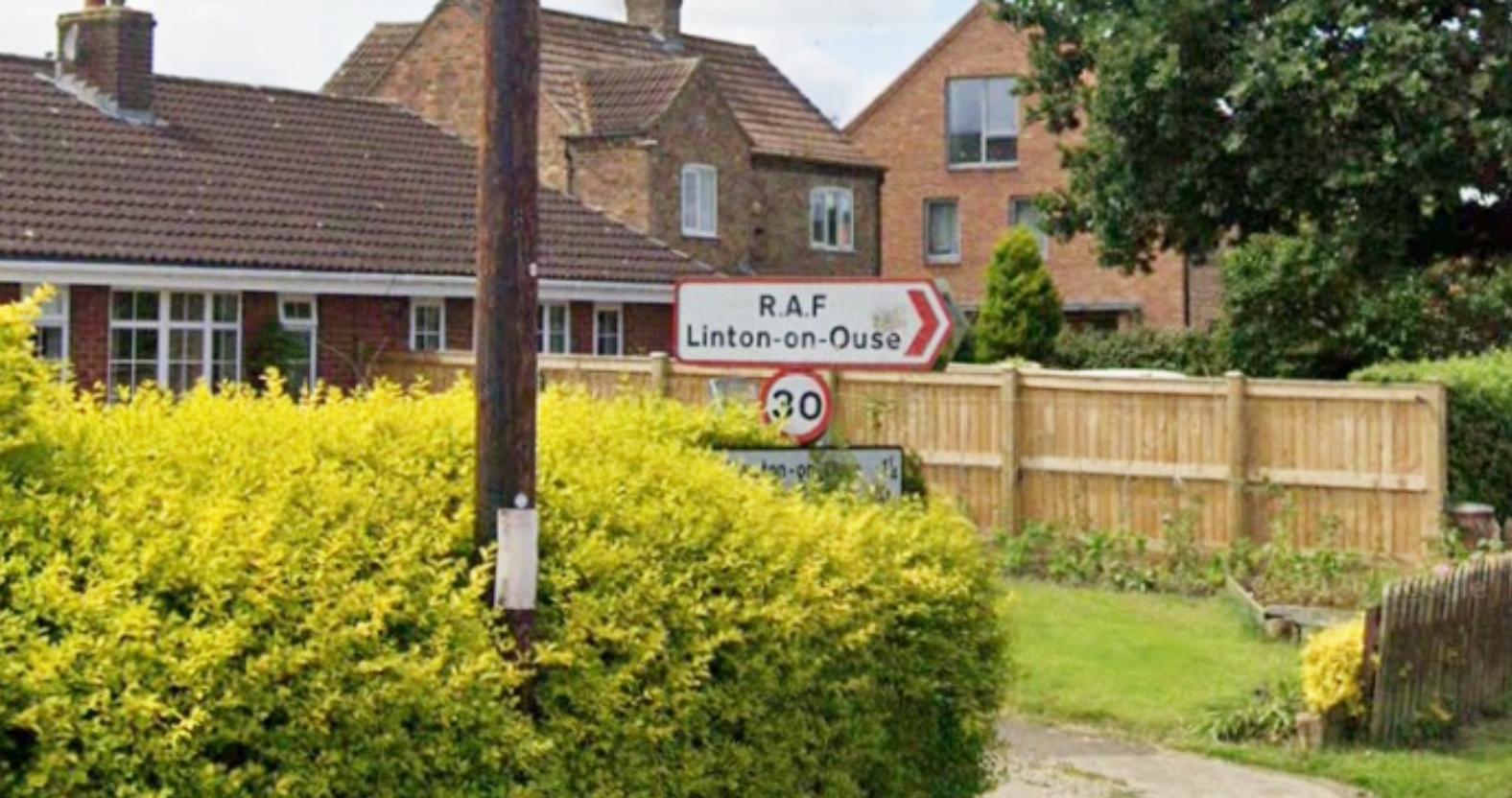
RAF Linton.
Temporary facility
The report also identified £2.9m in fruitless expenditure on the previous, abandoned proposal to use RAF Linton-on-Ouse as an asylum centre in 2022.
Campaigners say any new business case should include the full cost of infrastructure improvements, security, healthcare, policing, transport, emergency services and eventually restoring the site.
They have also raised concerns that temporary asylum accommodation could delay longer-term regeneration plans for the former airbase, which York and North Yorkshire Mayor David Skaith has identified as an opportunity for housing and economic development.
The group is calling for a business case examining the actual operating period, total costs, realistic occupancy levels and financial risks, alongside comparisons with hotels and other accommodation options.
It said:
Can potentially hundreds of millions of pounds of public expenditure be justified for a temporary facility with such a limited useful life?
If the Home Office cannot demonstrate that the proposed Linton asylum centre represents sound value for money, the Government should shelve the proposal and pursue a more financially responsible alternative.
In response, a Home Office spokesperson said:
The government is closing every asylum hotel, saving taxpayers over £1bn on asylum support since the election.
We are working to fairly house asylum seekers across the country, moving asylum seekers into alternative accommodation, including former military sites which are designed to be self-contained to reduce impact on the local community.
As part of the process, we engage with local authorities and police forces to ensure the safety and security of those in the surrounding area.

0