Thank you for your interest in this story
To continue reading this article, subscribe to the Stray Ferret for as little as £1 a week
Already a subscriber? Log in here.
28
Nov
Mayor Watch: Mega police forces and bus tax controversy
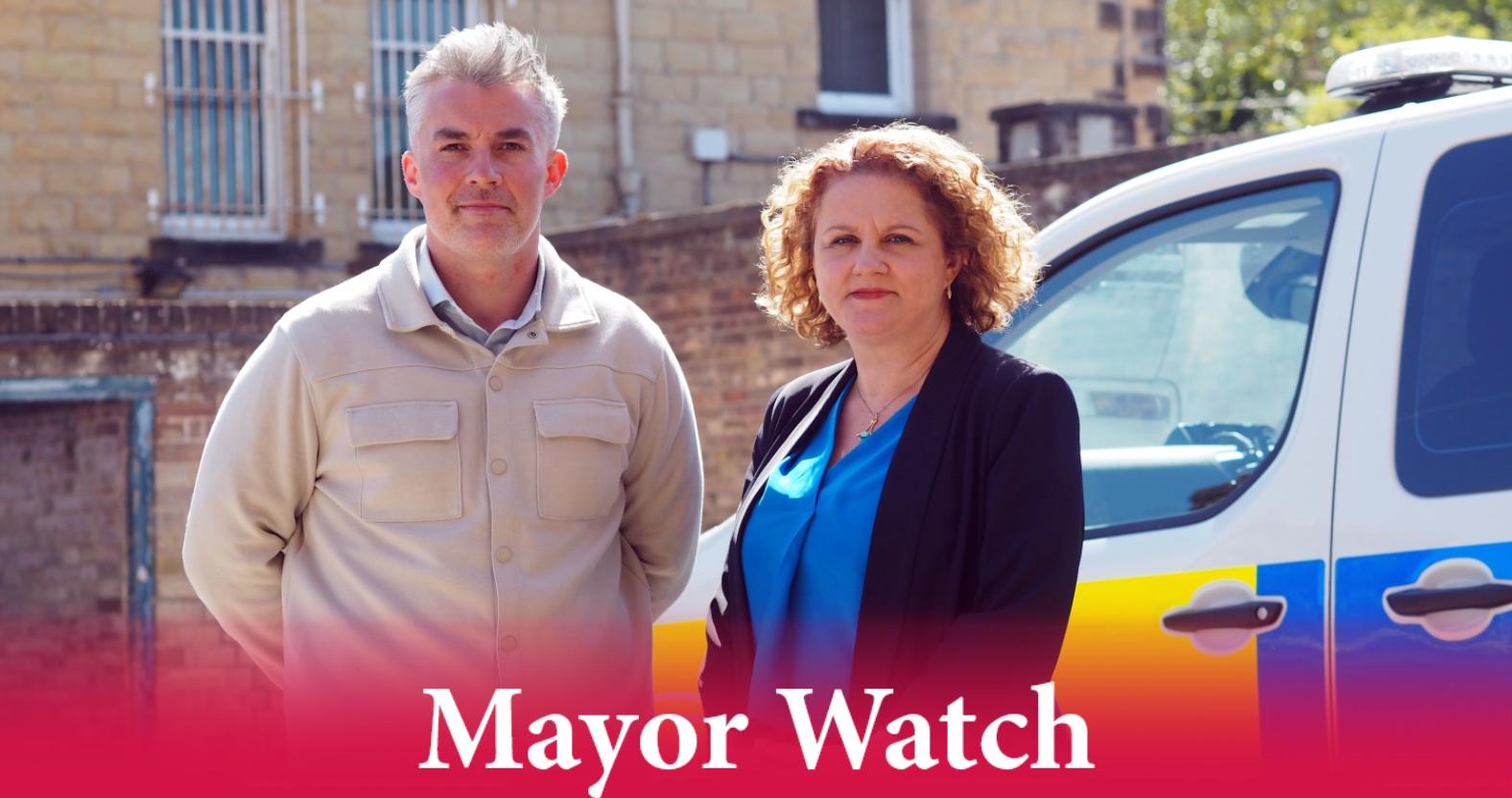
Each month, the Stray Ferret analyses the activity of the Labour Mayor of York and North Yorkshire, David Skaith, and his deputy mayor for policing, fore and crime Jo Coles.
We look at their decisions, their public and online presence and their use of money by both politicians.
In November, the topic of a tourist tax raised its head again as local MPs and senior North Yorkshire councillors lobbied Mr Skaith over the policy.
The Labour mayor also proposed a controversial bus tax as part of his precept plans to help fund improvements to the region’s bus network.
Meanwhile, both Mr Skaith and Ms Coles reiterated their opposition for plans to merge North Yorkshire Police with other regional forces under plans being considered by the government.
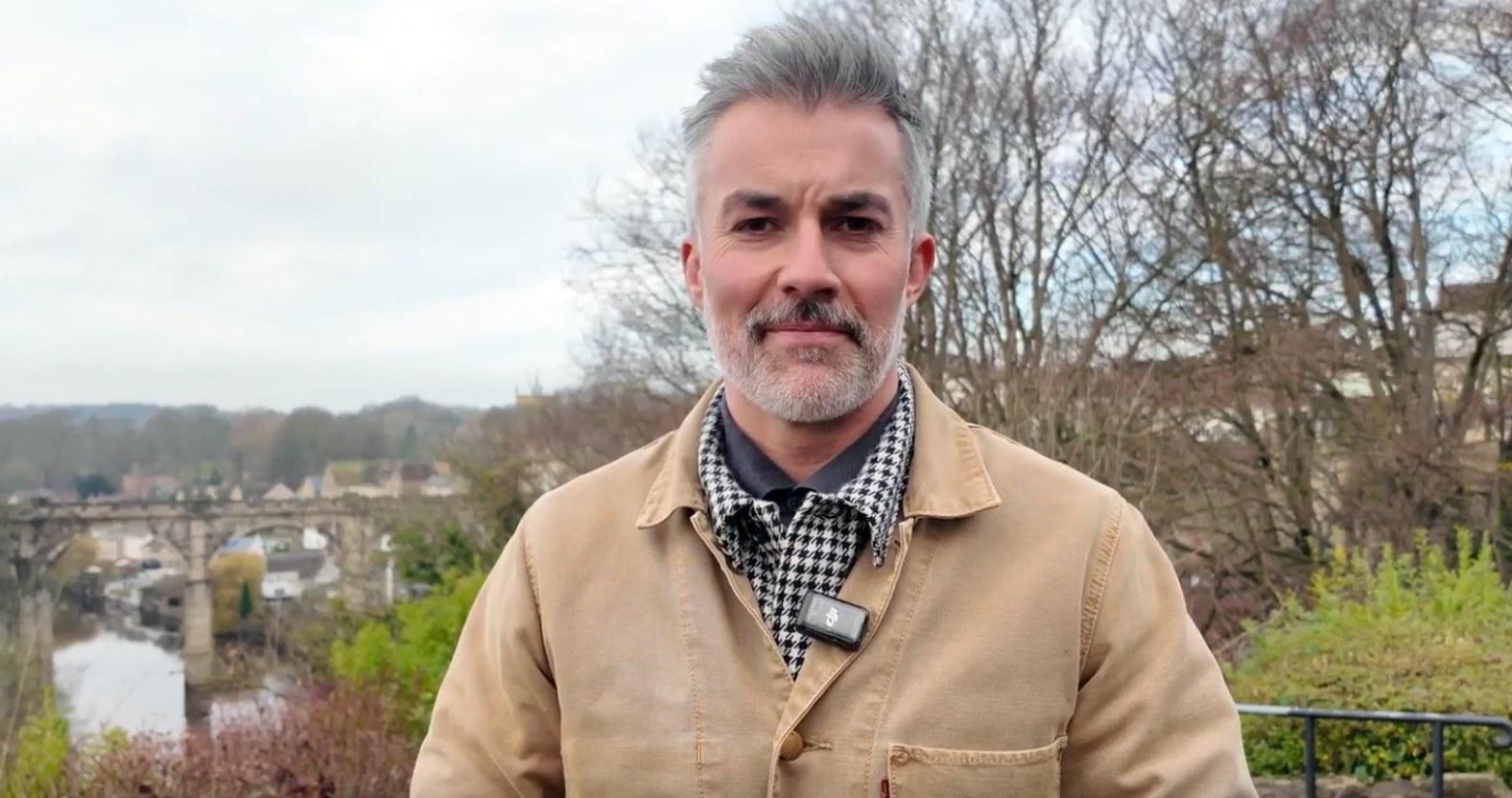
York and North Yorkshire mayor David Skaith.
David Skaith, Mayor of York and North Yorkshire
What did he do?
On November 4, Mr Skaith released a statement on the tourist tax after legislation giving regional mayors the power to charge overnight visitors was introduced in Parliament.
The Labour mayor, who is a keen supporter of the measure and has pledged to introduce a levy in the region, described a visitor levy as a “gamechanger” for the county.
However, on multiple occasions this month, Mr Skaith faced criticism from both local MPs, such as Tom Gordon and Sir Julian Smith, and senior North Yorkshire councillors on the proposal.
Cllr Mark Crane, Conservative deputy leader of North Yorkshire Council, wrote to the mayor objecting to the policy on behalf of the authority.
On November 6, Mr Skaith released a statement where he reiterated his opposition to plans for a North Yorkshire Police to be merged with other forces in Yorkshire.
The mayor’s statement came after Metropolitan Police chief, Sir Mark Rowley, warned that the current system was “heading for failure without change”.
Mr Skaith described the plans as a threat to policing in North Yorkshire as it could lead to villages in the region becoming “hotspots for crime” as resources would be diverted to urban areas.
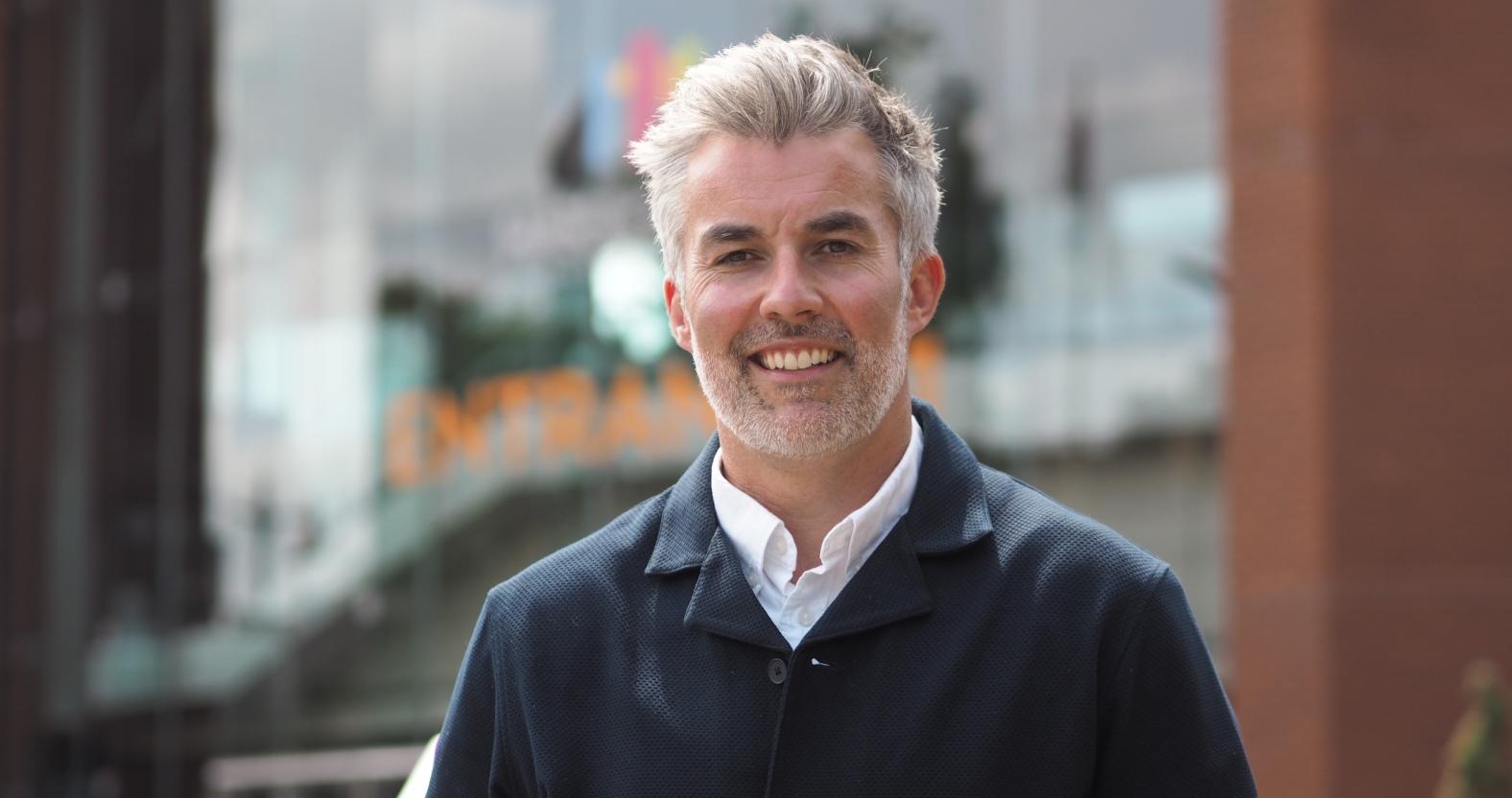
David Skaith, Mayor of York and North Yorkshire.
Meanwhile, The Stray Ferret revealed on November 11 that the Labour mayor was targeting “unnecessary car dependency” as part of his wide ranging transport plan.
Mr Skaith’s Local Transport Plan, which seeks to improve walking, cycling and public transport, was out for consultation until November 18.
On November 16, the mayor revealed a controversial proposal to levy a bus tax on council tax bills to help pay for improvements to the region’s bus network.
Mr Skaith said the precept would be a small amount which would help raise additional money could help make bus travel more accessible and affordable, particularly for young people.
However, Conservative Cllr Keane Duncan, who stood against Mr Skaith in the 2024 mayoral election, said the proposal was at odds with the Labour mayor’s election pledges, where he said he had no plans to make any additional taxes for mayoral responsibilities.
In response, a spokesperson for the mayor said Cllr Duncan had “presided over the managed decline” of bus services in North Yorkshire while he was executive councillor for transport at the council.
What decisions did he make?
On November 6, the mayor and his cabinet approved more than £1 million towards ending rough sleeping across York and North Yorkshire.
Mr Skaith also approved a homelessness and rough sleeping action plan, which will be submitted to government in early December, which seeks to make homelessness and rough sleeping “brief and non-recurring”.
At the same meeting on November 6, the mayor approved a move to adopt a strategy for York and North Yorkshire to transition to low carbon energy sources and support the environment.
Meanwhile, in a report from the mayor’s office, it was confirmed that Mr Skaith is set to oversee bus services in region from April 2027.
What else?
The Stray Ferret asked the combined authority if it had anything further it wished to add to Mr Skaith’s activity.
In a statement, the mayor said:
We are asking everyone to have their say on next year’s council tax precepts to fund policing, fire and rescue, and, for the first time, options to support our buses and discounted youth fares. I know right now that every pound matters, so please share your views on our website before 4 January.
This month, I’ve been thinking about the men in my life, from my dad and brother to my son, and the challenges all men face. Movember is a vital reminder to check in on the men around us. It's a great cause that I've been championing with my moustache, and this kind of national work is exactly what we're backing with grassroots projects through my Men's Mental Health Fund.
November is also when we support the UK's biggest annual road safety campaign. This year, we're investing record amounts to make our roads safer, giving local councils more money to fix potholes and improve pavements for everyone. Finally, I know how vital the run-up to Christmas is for independent traders. Our high streets are the heart of our communities, and they need your support, so please shop local if you can.
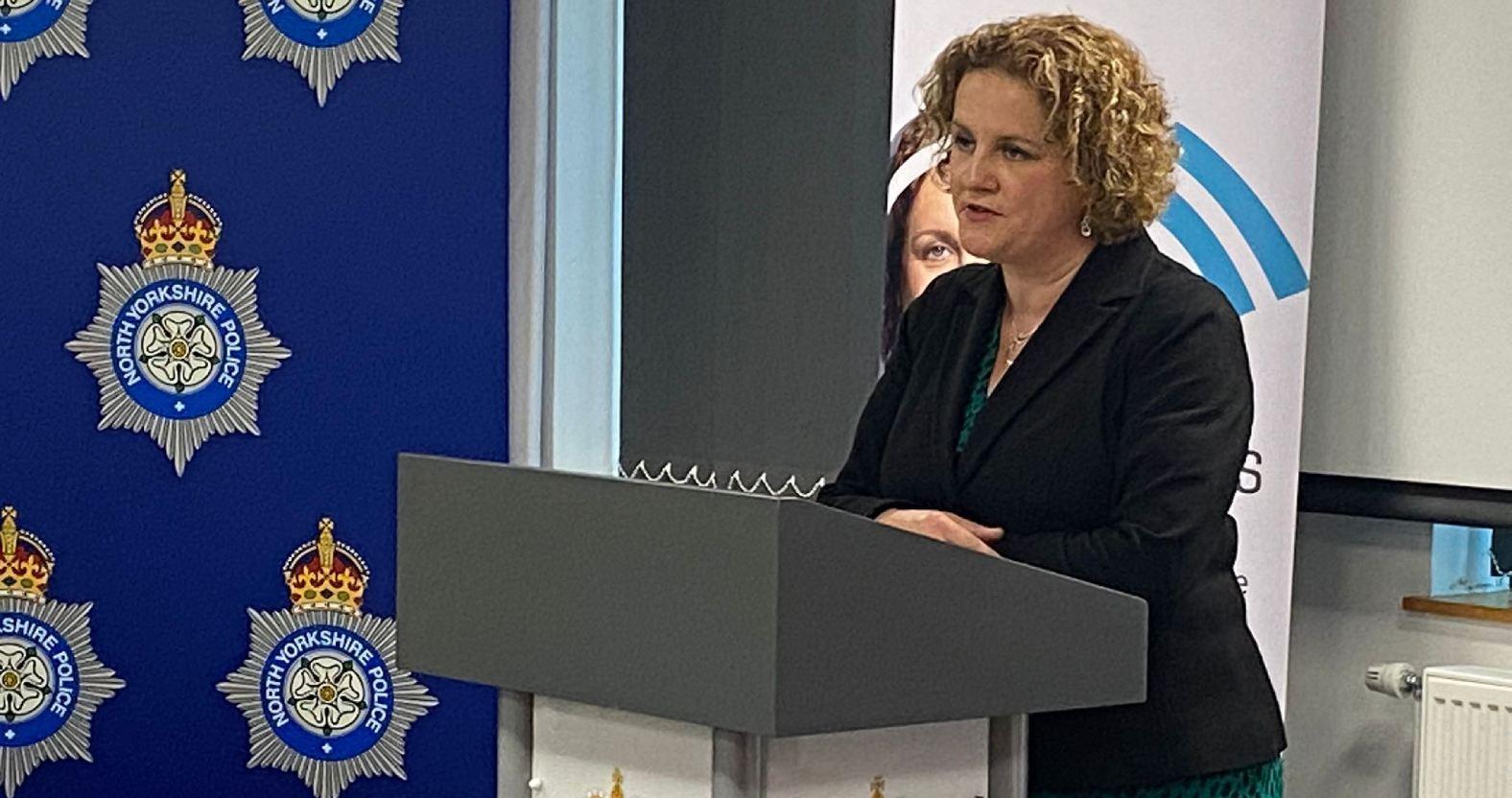
Jo Coles, deputy mayor for police, fire and crime.
Jo Coles, Deputy Mayor for Policing, Fire and Crime
What did she do?
On November 6, Ms Coles reiterated her opposition to proposals to merge police forces under government reforms.
In her statement, the deputy mayor said creating larger police forces was not the answer to tackling modern criminals.
She added that tackling serious and organised crime required “strong national capabilities and effective collaboration”.
Ms Coles met with Baroness Blake of Leeds, the government’s fire minister, on November 12 to discuss the challenges facing North Yorkshire Fire and Rescue Service and the impact of the Langdale and Fylingdales fire last year.
Meanwhile, on November 18, Ms Coles revealed in a post on social media that she and the mayor had committed £2 million towards fixed and average speed cameras in North Yorkshire.
She added that £165,000 was also being invested in the York and North Yorkshire Road Safety Partnership each year to help tackle collisions in the region.
What decisions did she make?
Ms Coles made no formal decisions in November, according to the Office for Policing, Fire and Crime transparency details. Her last one was on July 17.
What else?
On the Office for Policing, Fire, Crime and Commissioning website, personal expenses for Ms Coles are published monthly.
The office published expenses claims for August and September this year, which are the most recent data available.
In August, Ms Coles claimed £30 for a Specsavers eye test and £3 for a tube ticket for a meeting.
Meanwhile, she claimed £72.65 for a dinner with a business colleague and £19.40 for two parking tickets in September.
The deputy mayor also claimed 545 miles in mileage in August and September, which included meetings visits to Linton-On-Ouse, Scarborough, Lythe, Boroughbridge, Harrogate and Robin Hoods Bay.
The Stray Ferret approached York and North Yorkshire Combined Authority to ask if it had anything further it wished to add to Ms Coles’ activity. In a statement, the deputy mayor said:
In an incredibly busy month, important discussions have been taking place about the future of policing at a national and regional level, how to improve public safety and improve local services across York and North Yorkshire. Representations into Government about fire funding and the proposed asylum accommodation centre at Linton on Ouse have also continued.
At the national policing summit I was vocal on behalf of York and North Yorkshire residents about the need for future police reforms to retain rural policing and strengthen local accountability, not weaken it. I also met with the UK Government Fire Minister to ensure the needs of our rural fire and rescue service are properly understood by the Government.
The Mayor and I have also launched the annual precept consultation, giving residents, businesses, and students the opportunity to share their views on funding for North Yorkshire Police, North Yorkshire Fire and Rescue Service and, for the first time, proposals for additional investment in public transport.
Tackling violence against women and girls remains at the heart of much of the work I’m doing so it was great to be able to bring our higher education partners together at an event at York St John University focused on student safety, providing an opportunity to hear directly from students about their experiences and concerns. We also launched our gender-based violence survey this week which will inform our local violence against women and girls strategy. Anyone who has experience of crimes such as harassment, stalking, sexual assault is encouraged to take part.

0