Thank you for your interest in this story
To continue reading this article, subscribe to the Stray Ferret for as little as £1 a week
Already a subscriber? Log in here.
05
Jun
Newby Hall opens restored rock garden
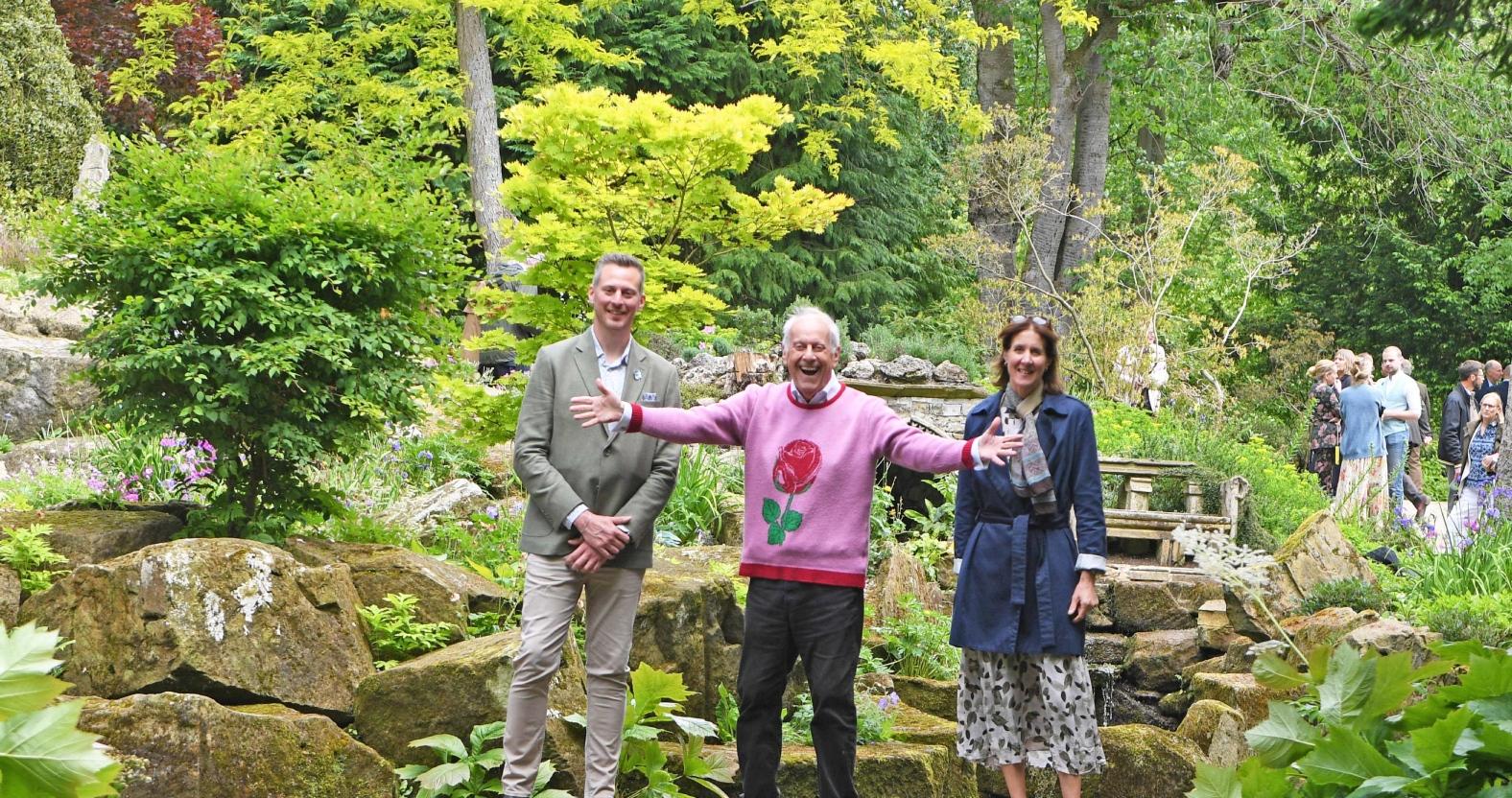
Newby Hall has completed a seven‑year project to restore its Edwardian rock garden.
The 0.7-acre garden, which had been largely untouched for more than a century, was reopened by writer and broadcaster Gyles Brandreth yesterday (June 4).
Mr Brandreth is a long-standing supporter of Newby Hall and has a collection of 1,000 teddy bears on permanent display at the hall, which is between Ripon and Boroughbridge.
Mr Brandreth said:
I, and my bears are honoured to be involved with Newby Hall. It is a place of beauty, fun and history.
The completion of the rock garden is an amazing addition to what already is the finest garden in the north. History is made every day, but this is a monumental day in the garden's development.
Completed in 1914, the garden had gradually been reclaimed by nature, obscuring its original design.
Garden curator Lucinda Compton and head gardener Lawrence Wright led the restoration, focusing on bringing back the garden’s original character while ensuring it will survive for generations to come.
The seven-year project involved replacing hundreds of tonnes of soil, restoring the waterfall and aqueduct bridge, re-shaping the rockwork and pathways, and applying fresh gravel mulch.
In addition, over 10,000 plants, bulbs, trees and shrubs were added to the garden during the restoration.
These included rare alpine species like the Meconopsis blue poppies, primulas and clematis which were all supplied by alpine specialists Kevock Garden Plants.
Ms Compton said:
Newby’s rock garden was heavily influenced by pioneering plantswoman Ellen Willmott. During the Edwardian period, designers rejected Victorian formality in favour of more naturalistic planting inspired by alpine scree slopes.
This restoration has been a true labour of love – from carefully chosen rare plantings to sensitive landscaping that allows the plants to shine for the 21st century visitor.
It has taken many hours of dedicated work by our garden team over the past seven years, and I am delighted to see our vision realised so magnificently.
The garden is now open to visitors and is the latest addition to the hall's 25-acre gardens.

0