Thank you for your interest in this story
To continue reading this article, subscribe to the Stray Ferret for as little as £1 a week
Already a subscriber? Log in here.
20
Jan
Nidderdale grasslands confirmed as internationally important endangered fungi zones
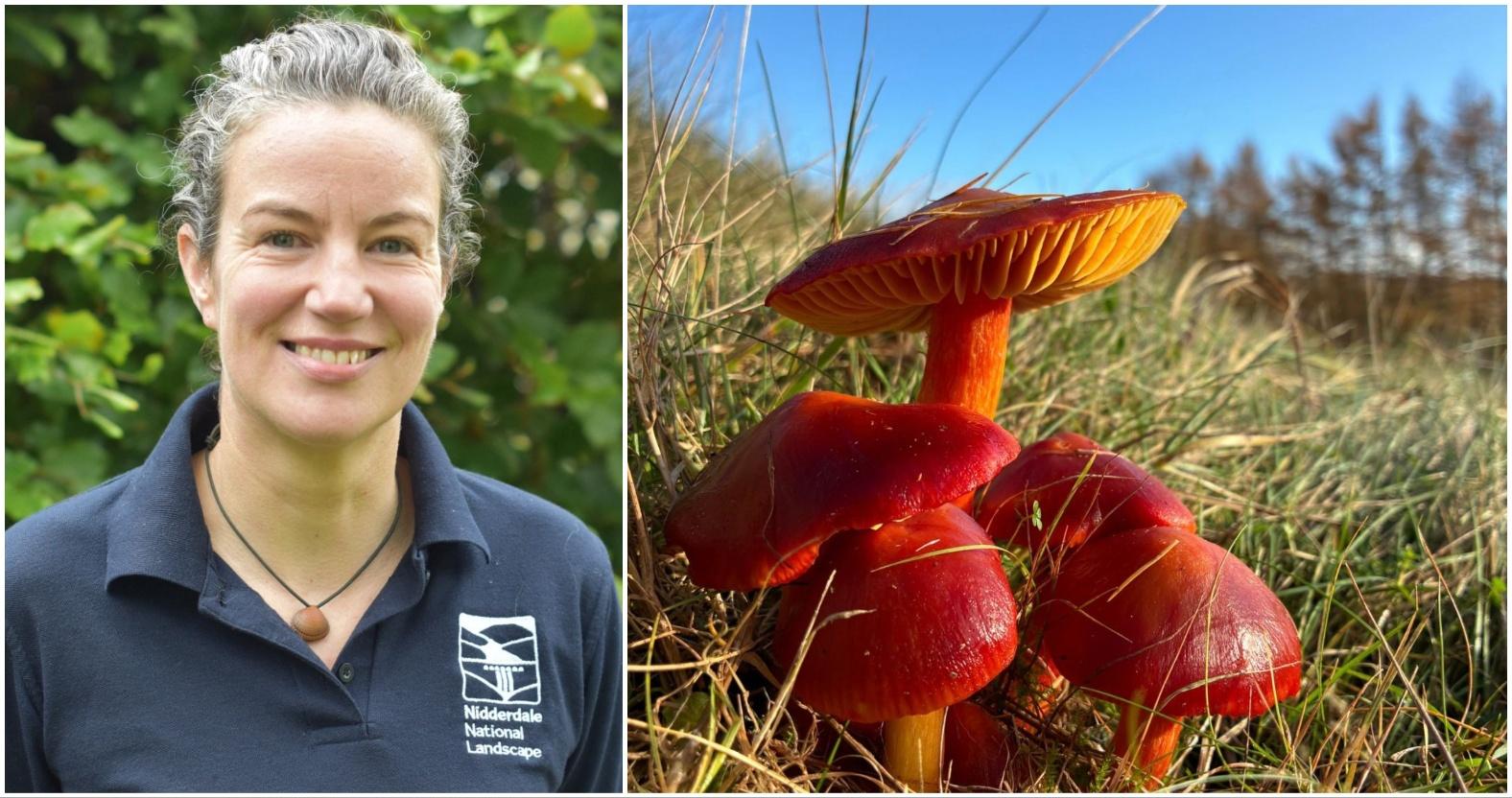
Two Nidderdale grasslands have been confirmed as internationally important for their rare and endangered fungi.
The Make it Wild nature reserve at Bank Woods, near Summerbridge, and another unnamed reserve were confirmed to be internationally significant following surveys of three sites in Nidderdale.
The third, smaller site, also unnamed, was classed as nationally important.
Grassland fungi specialist Steve Hindle, who surveyed the three sites, recorded 62 species of grassland fungi, including 32 waxcap species.
Across all three sites, 15 species appeared on the International Union for Conservation of Nature’s (IUCN) Red List of threatened species.
The Red List is a comprehensive catalogue of the global conservation status of plant, animal, and fungi species.
Of the species discovered in Nidderdale, 14 were listed as 'vulnerable to extinction' on the Red List, placing them in the same global risk category as polar bears and giant pandas.
At Bank Woods alone, 11 of the species recorded were listed as vulnerable.
Vulnerable species found include the crimson waxcap, citrine waxcap, toasted waxcap, yellowfoot waxcap, nitrous waxcap and pink waxcap.
One species, the glistening waxcap, was classed as 'endangered', meaning it faces an even higher risk of extinction.
'It shows just how important our grasslands are'
The findings are based on a single survey visit, with further surveys expected to reveal additional species.
Nidderdale’s upland grasslands were long thought to have strong potential for important fungi populations, but systematic survey work had been limited.
These surveys are the first to formally document the area’s significance, confirming what conservationists suspected but were not able to verify due to a lack of detailed records.
Dr Kelly Harmar, biodiversity officer at Nidderdale National Landscape, said:
These results show just how important Nidderdale’s grasslands are. Waxcaps and other grassland fungi only thrive where land has avoided ploughing, artificial fertilisers and pesticides for a very long time. When you see this level of diversity from a single visit, it strongly suggests there is much more still to be discovered.
Ancient grassland
Waxcaps are recognised indicators of ancient, untouched grassland.
The UK is internationally important for these fungi due to its wet climate, and Nidderdale is particularly valuable because it has retained larger areas of long-established grassland.
Dr Harmar added:
These fungi depend on continuity. Short turf, low nutrient levels and consistent management over decades allow them to survive. Once that continuity is lost, it is extremely difficult to restore.
The surveys were commissioned by the North and East Yorkshire Ecological Data Centre (NEYEDC) and funded by Nidderdale National Landscape as part of efforts to raise awareness of waxcaps and encourage people to record them during the autumn fruiting season.
Public records help build a clearer picture of where important grassland fungi occur and support efforts to protect these sites.
Nidderdale National Landscape continues to work with landowners, farmers and conservation partners to identify and protect grasslands that support waxcaps and other rare fungi.

1