Thank you for your interest in this story
To continue reading this article, subscribe to the Stray Ferret for as little as £1 a week
Already a subscriber? Log in here.
08
Aug
Police reforms will hurt North Yorkshire the most — here is why
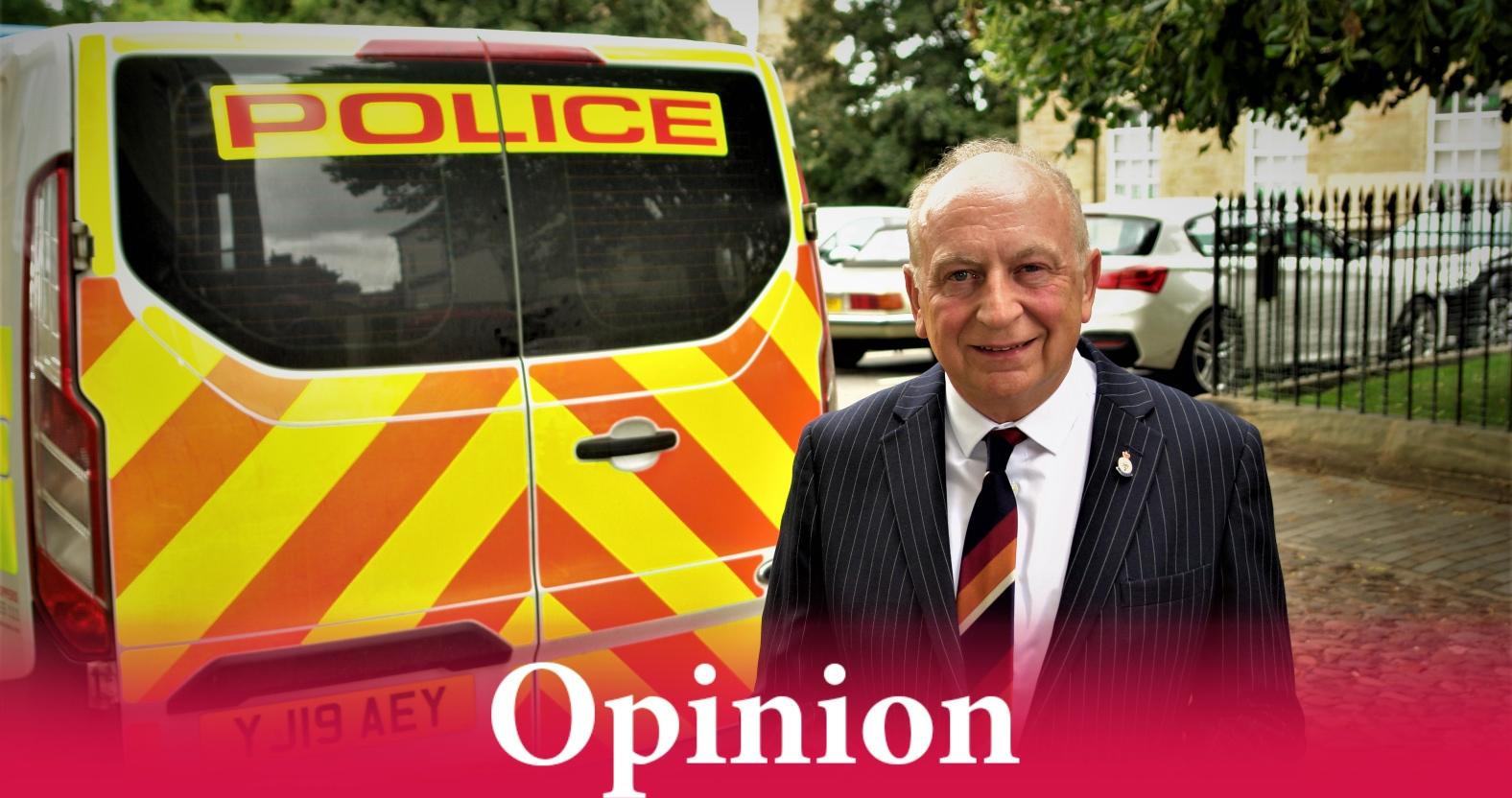
Philip Allott is a businessman, author and politician who attended King James's School in Knaresborough and still lives in the town. He was leader of the Conservatives on Harrogate Borough Council, is a former Mayor of Knaresborough, and also served as the Police, Fire and Crime Commissioner for North Yorkshire. He is now the chair of a national charity blwb.org.uk
Readers may have read about plans by the government this year to abolish North Yorkshire Police and those of surrounding forces like West Yorkshire, Cleveland and South Yorkshire and create 12 super police forces to replace all 43 police forces currently covering England and Wales.
I am not sure given the limited public reaction to these changes whether people realise what this will mean locally in practice.
The idea is that it will save the government money from duplication of effort covering everything from reduced management costs to the bulk purchasing of vehicles and even uniforms.
However, UK policing has always been based on consensus that relies on the local population working with the police and supporting them. For this to work, it is vital that the police are not only seen in the community but are part of that community, this requires amongst many other things, the keeping open of the police stations in Ripon, Knaresborough and Harrogate.
A new remote police management team based in say Newcastle, Leeds or even Sheffield would likely be keen to close down some of these buildings on the basis of cost savings and would no doubt offer other ideas such as putting a token officer into libraries and other public buildings.
Any reorganisation is likely to prove expensive, be drawn-out and is unlikely to improve the delivery of community policing. It will also be a distraction from wider reforms to improve crime detection as chief officers will be distracted away from operational duties. It will also cost a significant amount of public money to deliver the merger including paying off experienced officers, closing buildings and creating new structures that could take years to be effective.

Mayor David Skaith and his deputy Jo Coles
At a democratic level, the elected North Yorkshire mayor and his police and fire deputy mayor provide policing oversight and can raise directly with the police their concerns. In extreme circumstances the mayor can even dismiss the chief constable. But what real community policing input will the elected mayors have, if as planned, the Home Secretary also takes over the right to sack chief constables?
For a government and a new prime minister committed to devolving more power to local communities and elected mayors, reducing the number of police forces seems a very out of step decision. I am therefore calling on the government to make any changes on the basis of evidence, rather than just costs savings. That evidence is in plain sight if anyone bothers to take a look.
In 2013 Scotland merged eight police forces into one super force. However it has taken years to get IT systems to work correctly, Police Scotland didn’t even have a single national system to record crime until 10 years after implementation. The loss of local identity and with-it community connectivity has according to some senior officers, moved policing in Scotland further from the communities it should be protecting. This has included the loss of intelligence gleaned from local leaders who often hold different communities together.
Closer to home in 2016 Cleveland Police and North Yorkshire Police created a Major Investigation Team for serious crimes. The project was subsequently discontinued because of the higher demands on it from Cleveland, resulting in North Yorkshire Police spending more of their time investigating crimes in Cleveland than North Yorkshire.
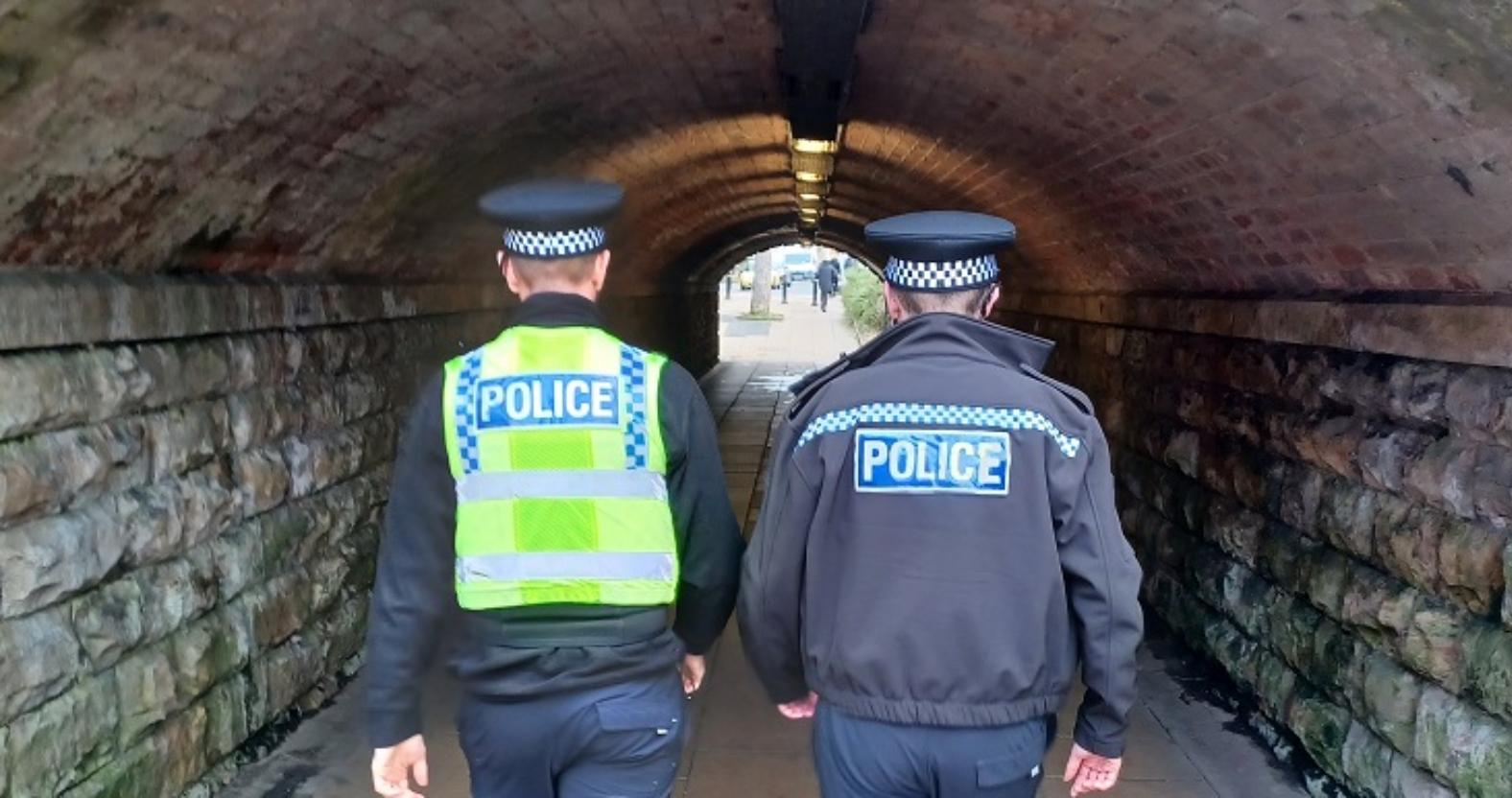
Neighbourhood police at One Arch in Harrogate.
The Association of Police and Crime Commissioners have said that policing starts with the local ‘community’. They say this is central to any new model operating successfully in terms of gaining public confidence and securing the public’s support to share information and intelligence with the service. The public are more likely to engage with a service that they recognise, understand and have confidence in.
This is not to say everything is wrong and I agree with the Home Secretary’s plan to also create a national police force for serious crime by bringing together the existing National Crime Agency (NCA) and Counter Terrorism Policing. Such a force, providing it is properly funded, will be much better placed to tackle increasingly borderless serious crime which has got more complicated to tackle and needs additional police specialists.
In terms of any mergers, North Yorkshire is likely to suffer more than most because currently it has the lowest crime rate in England. If North Yorkshire police officers are deployed to other crime hotspots like the North East which has the second highest in England, or the bigger urban areas like Leeds then the residents of Harrogate, Knaresborough, Ripon and the more rural parts of North Yorkshire will all suffer. However, conversely, local residents will be expected to pay a likely enhanced regional precept to fund the changes.
Have your say on the reforms by completing the online enquiry here or email info@northyorkshire-pfcc.gov.uk.

1