10
Sept
Police: Why more serious charges weren't pursued in the Bailey Chadwick case
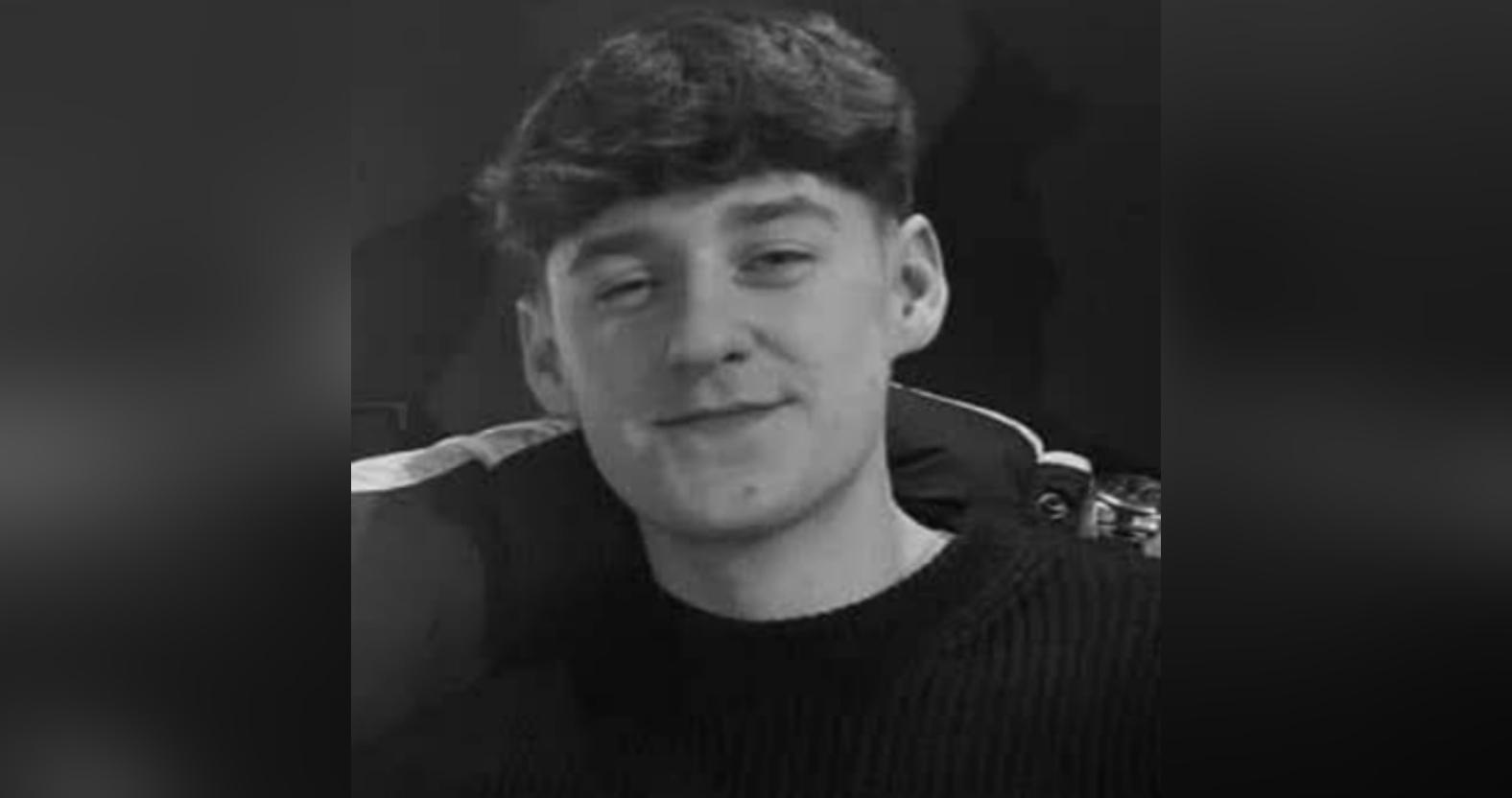
North Yorkshire Police has said there can be “a gap between public expectation and what the available evidence allows prosecutors to charge” following the death of Bailey Chadwick.
Bailey, 19, was struck by a vehicle on the B6265 at Lupton Bank, between Pateley Bridge and Glasshouses, in the early hours of Sunday, July 20, last year.
Joseph Stott, 25, received a 12-month community order and was disqualified from driving for 20 months at Harrogate Magistrates Court on September 3.
He admitted driving without third party insurance and driving while unfit through drink.
You can read our exclusive detailed report on the investigation here.
The verdict led to numerous social media comments questioning why more serious charges weren’t brought.
Police took the unusual step today of explaining why this hadn’t happened.
In a statement, it said the Crown Prosecution Service must consider whether there is “a realistic prospect of conviction”.
The statement added:
While many people may feel a more serious offence should be brought, charging decisions must be based on evidence and legal tests rather than public opinion, speculation or emotion.
We recognise that not everyone will agree with the outcome of every case. However, every charging decision must be based on the evidence available and the legal thresholds that must be met before a case can succeed in court.
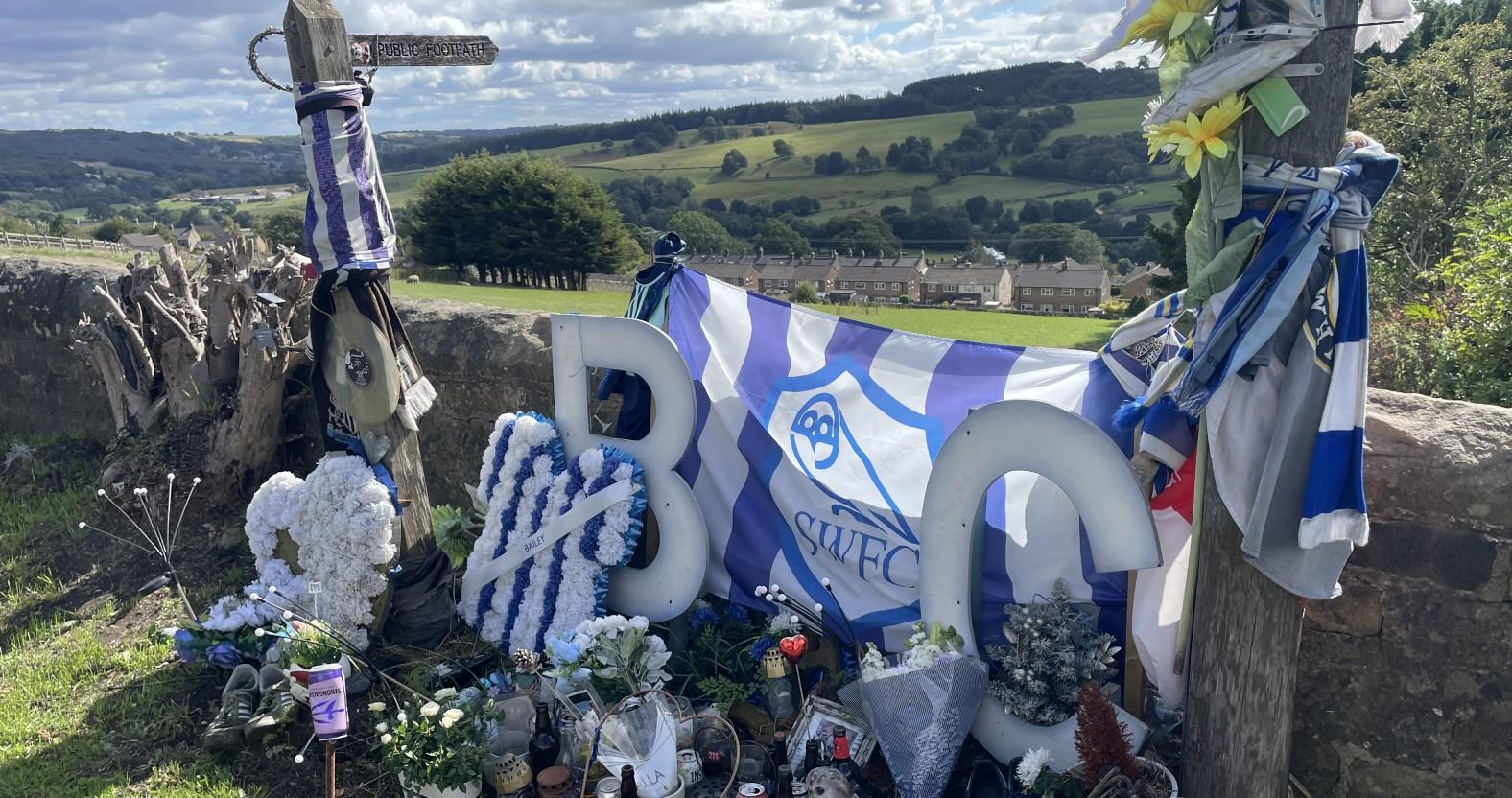
Bailey's shrine along the B6265 where he died.
Below is the police statement in full:
Following the conclusion of court proceedings relating to the death of Bailey Chadwick last week, we've seen a number of questions from members of the public about why certain charges were brought and why more serious charges were not.
We completely understand those questions. The death of a young man has had a devastating impact on Bailey's family, friends and the wider community in Pateley Bridge, and it is natural that people want to understand how charging decisions are made.
When a case involves serious injury or the loss of life, many people understandably assume that the most serious possible offence should automatically be charged. However, criminal charges are not determined by the seriousness of an incident alone.
The role for us at North Yorkshire Police is to investigate what happened and gather all available evidence. In Bailey's case, this involved extensive enquiries including witness accounts, CCTV trawls, forensic examinations, digital evidence downloads, expert reports and suspect interviews.
For serious cases such as this, the evidence is then reviewed by the Crown Prosecution Service (CPS), an independent organisation responsible for making charging decisions in many cases.
The CPS must consider not only the circumstances of the incident, but also whether there is sufficient evidence to prove a particular offence in court. Any charge brought must be supported by the evidence and reflect what prosecutors believe has a realistic prospect of conviction.
It is not possible for the police or CPS to simply select the most serious offence available. Every criminal offence has specific legal legislation that must be proven. When considering charges, prosecutors assess factors such as what happened, what actions can be attributed to a suspect, what evidence exists, what intent can be proven and whether the legal threshold for a particular offence has been met.
Sometimes there can be a gap between public expectation and what the available evidence allows prosecutors to charge. While many people may feel a more serious offence should be brought, charging decisions must be based on evidence and legal tests rather than public opinion, speculation or emotion.
It is also important to understand that we do not decide guilt or innocence. Once charges are authorised, the case is heard by an independent court, which considers all of the evidence presented by both the prosecution and defence before reaching a verdict (outcome).
The criminal justice system is deliberately structured in this way. We investigate, the CPS makes charging decisions in many serious cases, and the courts determine guilt and sentence. This separation of responsibilities helps ensure that decisions are made fairly, independently and in accordance with the law.
We recognise that not everyone will agree with the outcome of every case. However, every charging decision must be based on the evidence available and the legal thresholds that must be met before a case can succeed in court.
Our thoughts remain with Bailey's family and everyone affected by his death

0