Thank you for your interest in this story
To continue reading this article, subscribe to the Stray Ferret for as little as £1 a week
Already a subscriber? Log in here.
05
Oct
'Record' £456 million transport funding approved for region
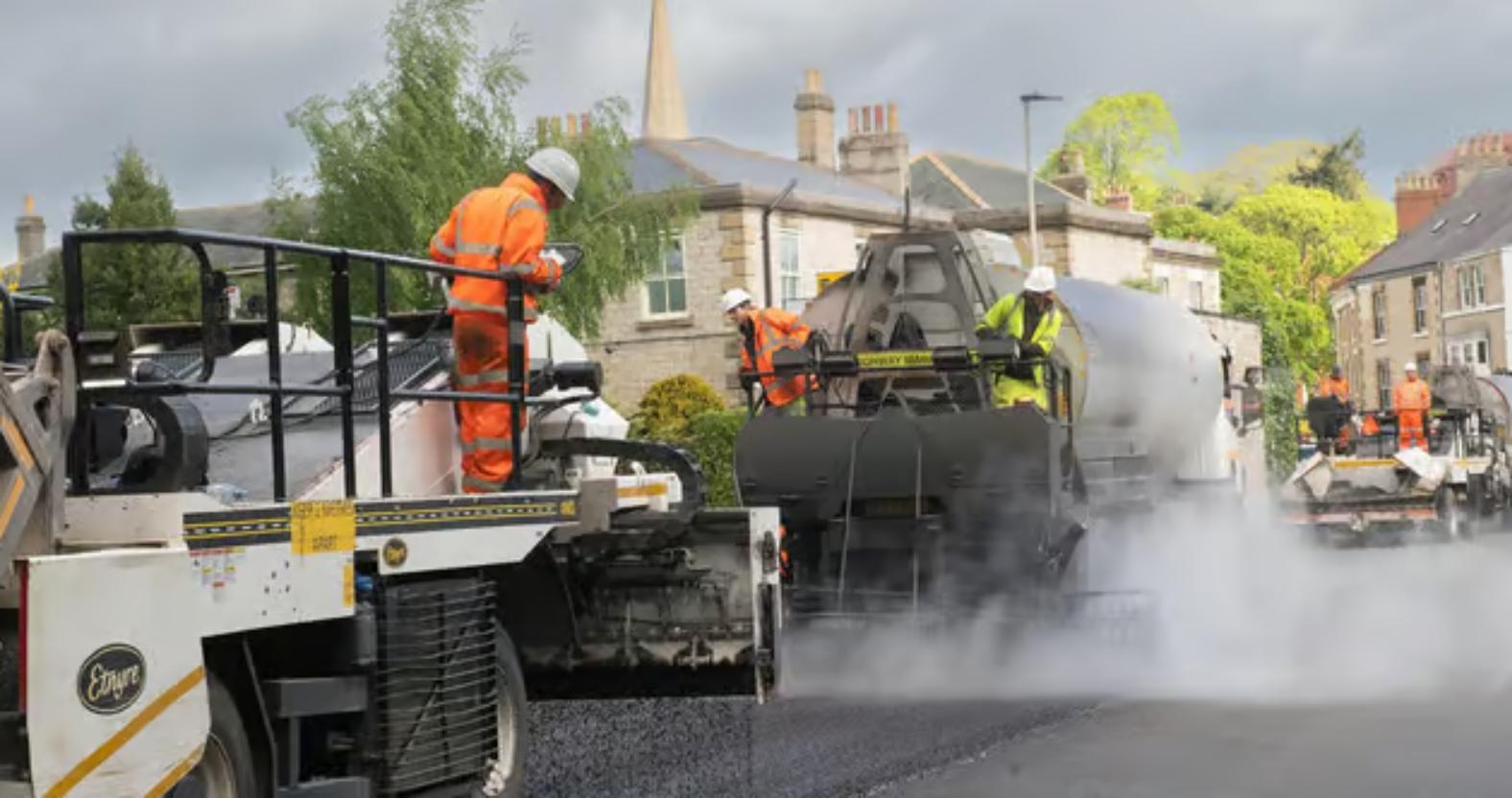
The Mayor of York and North Yorkshire has approved plans to spend £456 million on improving the transport network over the next four years.
The investment, which was approved at a York and North Yorkshire Combined Authority cabinet meeting on Friday (October 2), funds the combined authority's local transport delivery plan to 2030.
The programme includes improvements to roads, public spaces, walking, wheeling and cycling infrastructure.
It also will pay for schemes to improve road safety and accessibility and connectivity for communities across the region including safe route to school schemes, upgrades to public rights of way, lighting enhancements and cycle parking.
David Skaith, the Labour Mayor of York and North Yorkshire said:
We're investing record amounts to fix our streets and make them safer for everyone who uses them.
This record investment of £456 million is a defining moment for our region, we’re moving away from short-term fixes and delivering the long-term solutions residents expect.
The investment will also help maintain and improve existing transport networks while supporting future enhancements.
The combined authority said it will work with North Yorkshire Council and City of York Council on developing a more detailed pipeline of projects and schemes to be delivered as part of the plan.
North Yorkshire Council threatened legal action over the plans, because although overall funding has increased, the mayor has increased the proportion awarded to Labour-run City of York Council.
Cllr Carl Les, Conservative leader of North Yorkshire Council, struck a more conciliatory tone after the deal was done.
He said:
We are committed to improving journeys for our residents, businesses and visitors across North Yorkshire, and this funding will help to achieve this.
There are very specific challenges in North Yorkshire to ensure safe and sustainable transport links across what is England’s largest county with vast rural areas.
Having a reliable, accessible and resilient transport network is essential to supporting our communities, strengthening the economy and improving access to employment, education, healthcare and other vital services.

1