Thank you for your interest in this story
To continue reading this article, subscribe to the Stray Ferret for as little as £1 a week
Already a subscriber? Log in here.
26
Apr 2025
Sunday Picture Quiz Answers: April 26
Here are the answers to this week's Sunday Picture Quiz. How well did you do?
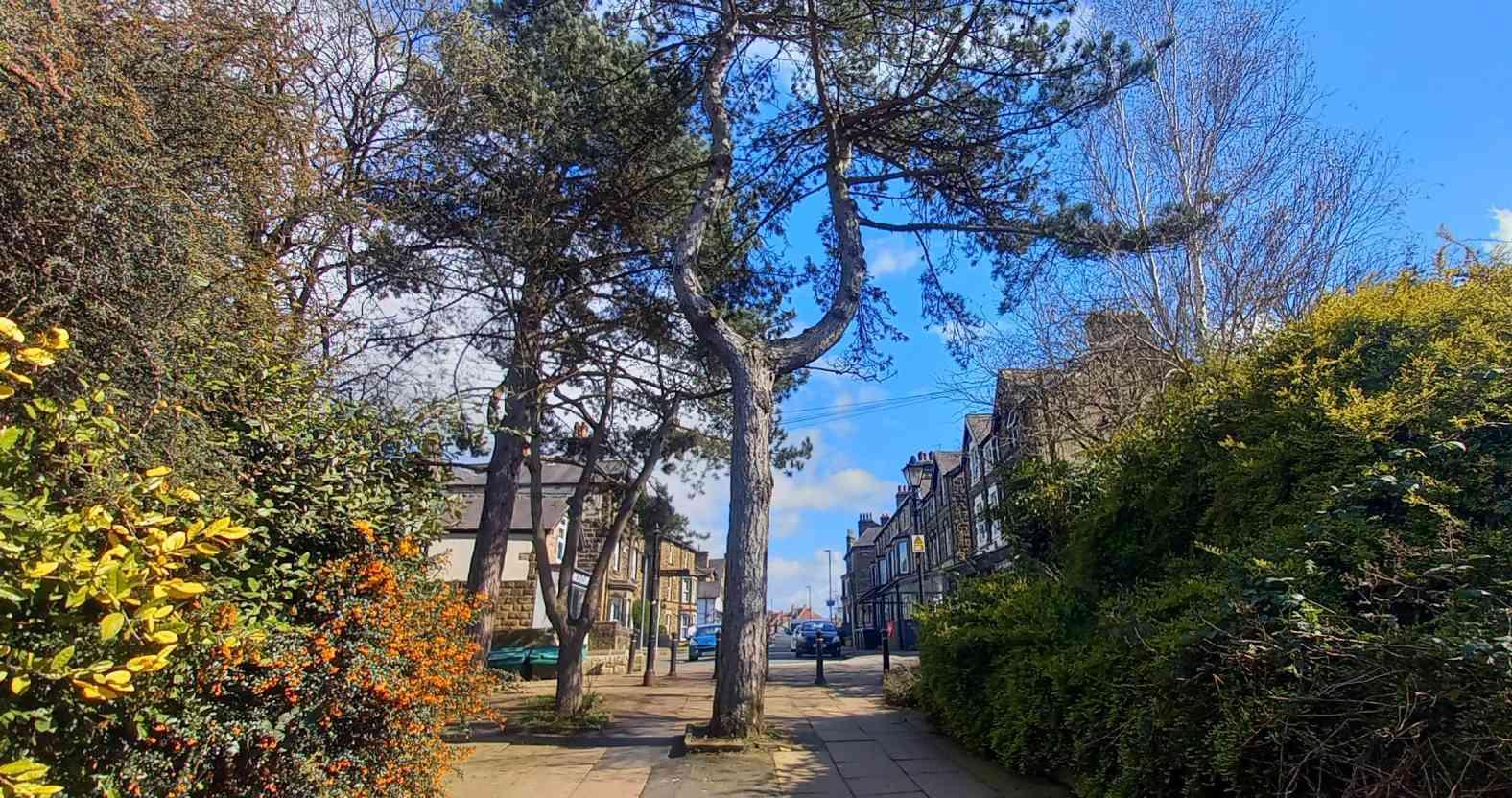
1. Scots pine, Harrogate
This fine-looking tree is actually not as 'lone' as it first appears, as it is actually one of two that stand just metres apart.
But it is such a familiar sight to many people in Harrogate that they would probably reference it more often as a point of orientation if it didn't stand at the Bower Street end of the One Arch pedestrian tunnel, which overshadows it (if only figuratively) it as a landmark.
Its forked, catapult-like structure is very distinctive, and there appears to be some affection for it. During the Harrogate Station Gateway public consultation in 2021, retaining the trees was the main concern cited by people commenting on proposals to revamp One Arch.
That said, we don't really know much about this tree, or its neighbour. If anyone knows when these two Scots pines were planted, and by whom, please do get in touch.
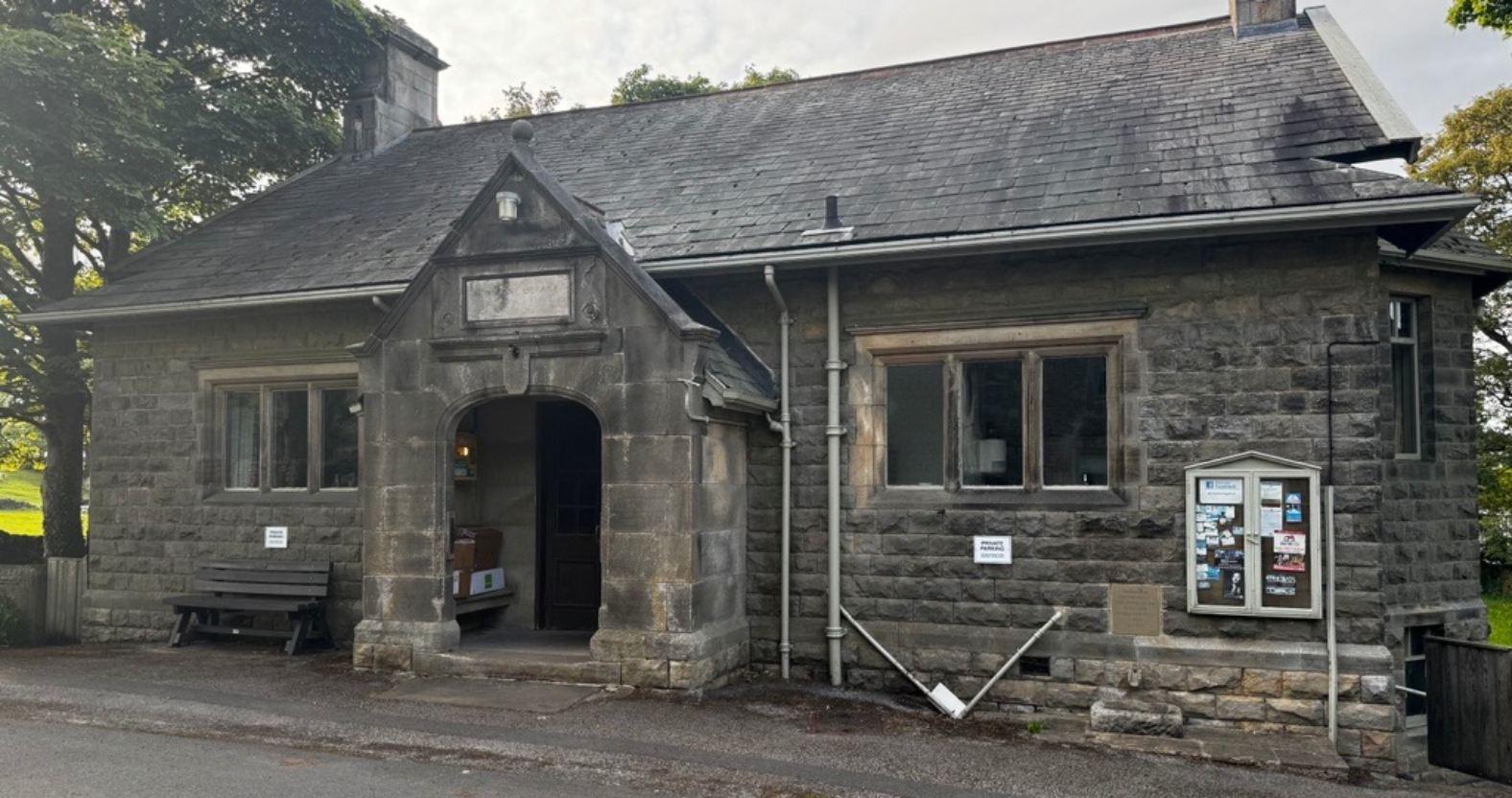
2. The Robinson Library and Timble Village Hall, Timble
This building in the Washburn Valley was built in 1892 with money gifted by Robinson Gill, a local man who emigrated to America and became a wealthy stone merchant. It is named after his mother's family, who lived at Swinsty Hall.
Originally, the building provided the area with an active social centre, a free school, a Sunday school, a library and a reading room. Nowadays, it is used for events and activities, and is available for hire.
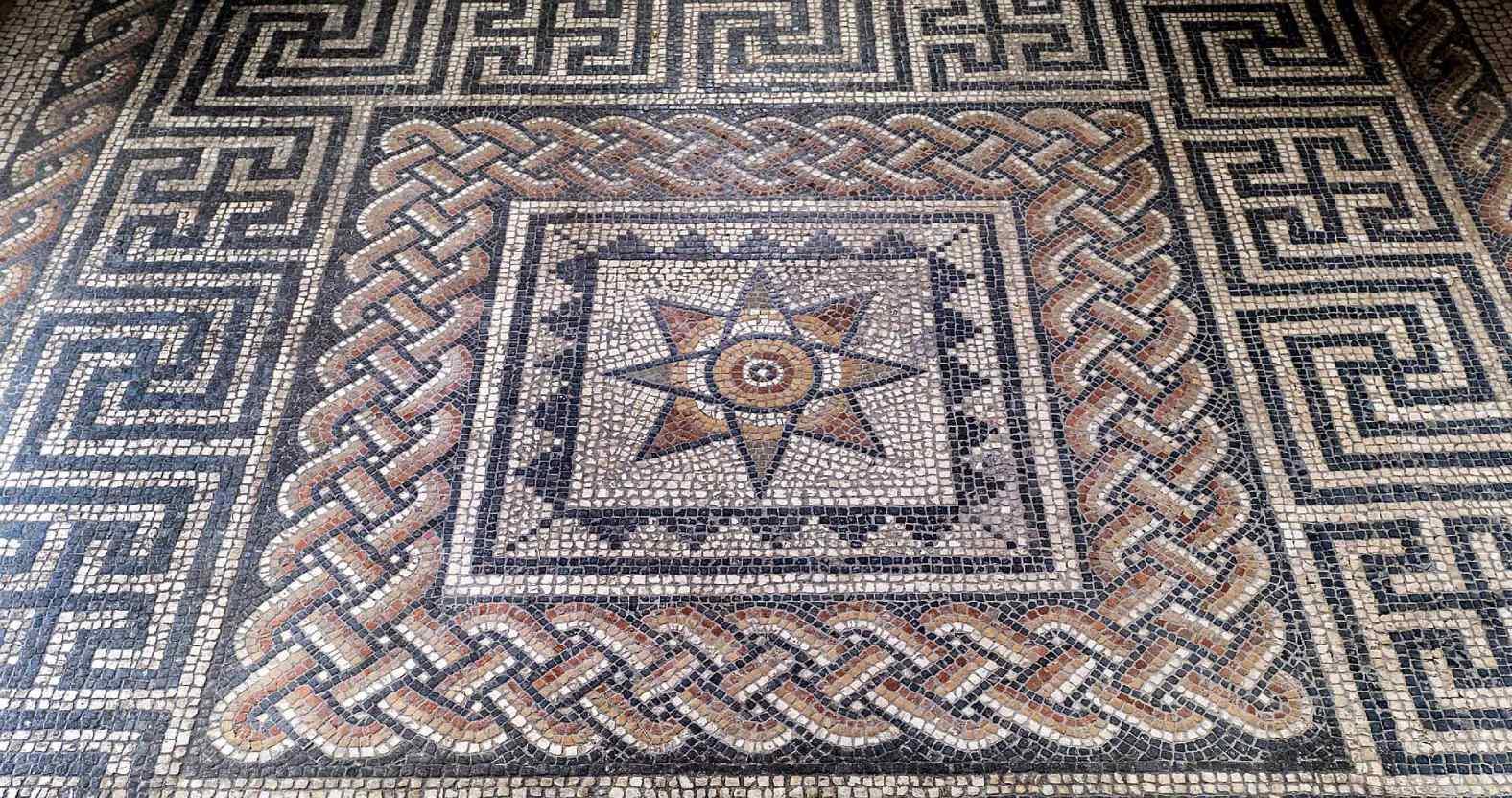
Photo: English Heritage.
3. Mosaic floor, Aldborough
This stunning tiled floor is one of several discovered in the 19th century at Aldborough Roman Site, near Boroughbridge.
The floor is one of the many relics left over from the preiod from the 2nd to the early 4th century when Aldborough – then known as Isurium Brigantum – which was the administrative capital of the territory of the Brigantes, the largest and one of the most powerful of the tribes of Roman Britain. (Aldborough means 'the old fortified town'.)
Aldborough back then was an important place – on a par with with Canterbury and Exeter – and even had an amphitheatre at the top of what is now Studforth Hill. These mosaics would have been laid in grand private houses.
A far quieter village today, Aldborough is best known for its Roman relics and the Northern Aldborough Festival of opera and classical music, which this year runs from June 18 to 27.
Aldborough Roman Site, which is now managed by English Heritage, is open for pre-booked guided tours from April to October.
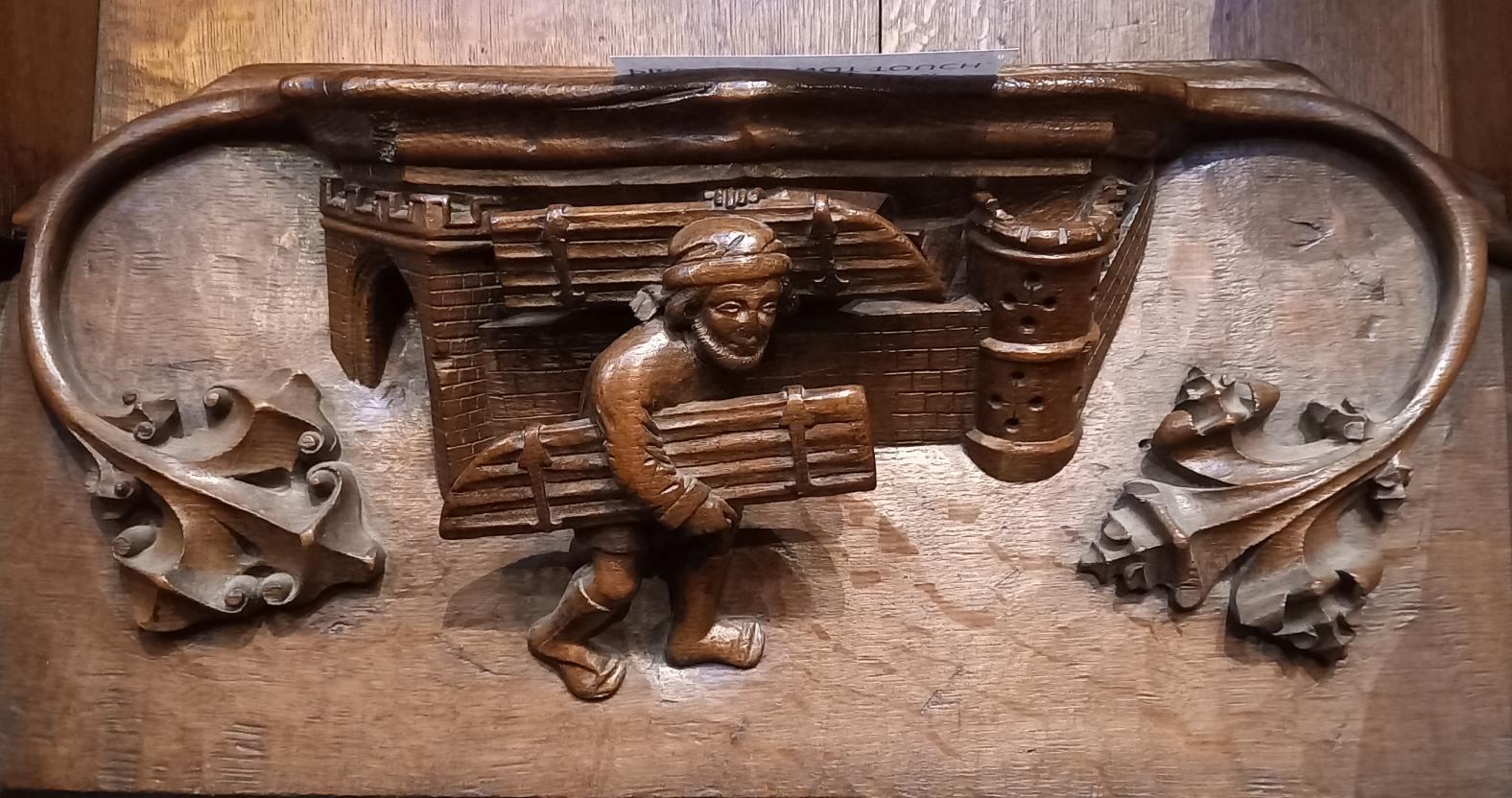
This beautifully detailed carving is one of 34 misericords in Ripon Cathedral.
In pre-Reformation England, when all churches were still Catholic, they observed the daily divine offices – prayers at set times throughout the day – and the clergy were expected to remain standing throughout.
Misericords – literally 'pity of the heart' – are little perches that allowed them to take the weight of their feet without fully sitting.
Because they come into contact with backsides, it was not considered appropriate for them to feature sculptures portraying religious motifs, so instead you get figures and scenes from secular life, such as this bearded man – perhaps one the cathedral's carpenters – carrying a pair of doors for an arched opening.
Too easy or too difficult? Let us know what you think of our quiz by contacting us at letters@thestrayferret.co.uk.
Please do send us tricky pics of the area that we can include – and we'll credit your contribution. Thank you!
0