Thank you for your interest in this story
To continue reading this article, subscribe to the Stray Ferret for as little as £1 a week
Already a subscriber? Log in here.
01
Feb 2025
Sunday Picture Quiz Answers: February 1
Here are the answers to this week's Sunday Picture Quiz. How well did you do?
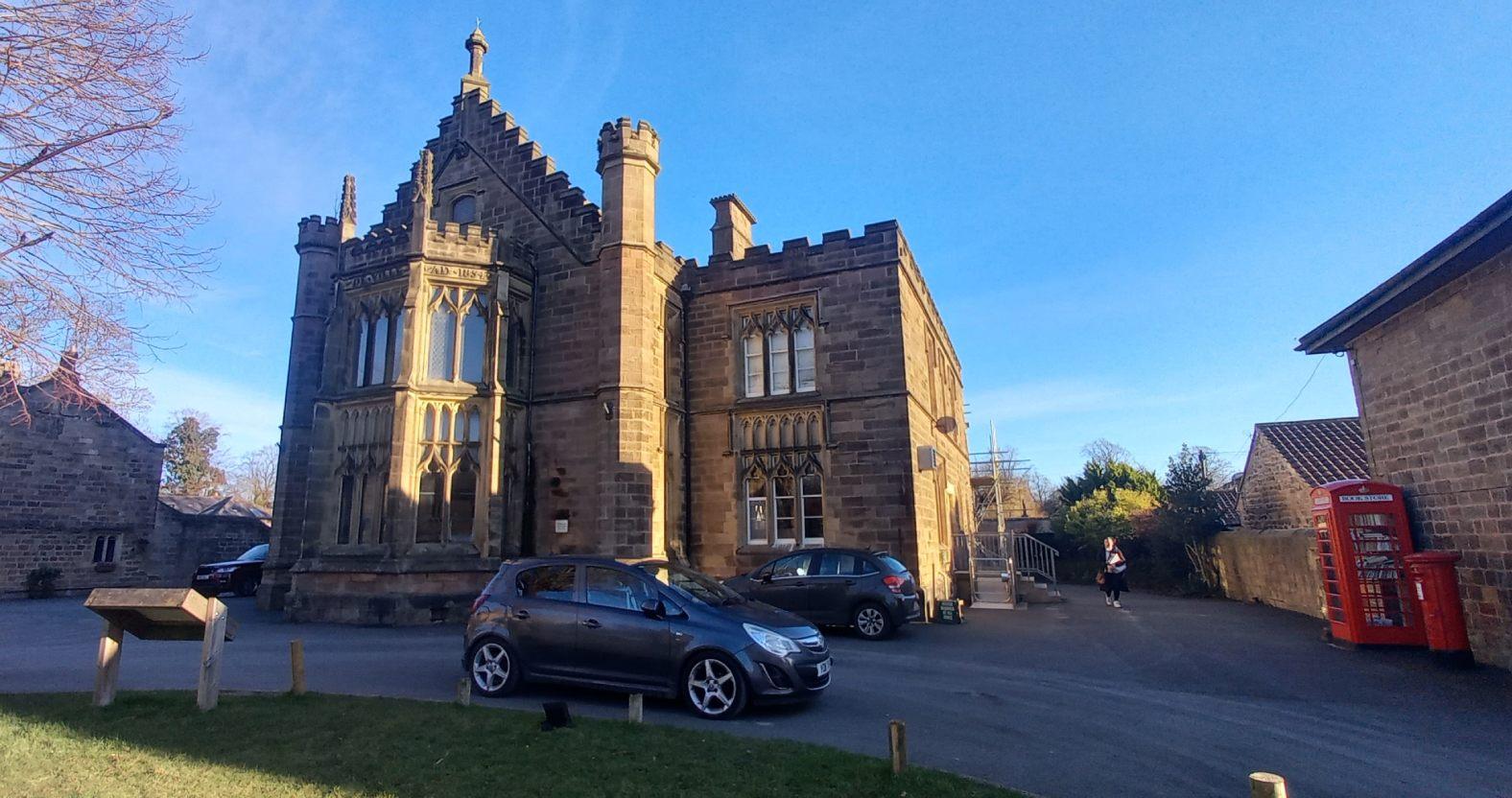
1. The Hôtel de Ville, Ripley
Ripley 'town hall' – in reality more of a village hall – was built in 1854 by the then lord of Ripley Castle, Sir William Amcotts-Ingilby. He had done the Grand Tour around Europe and evidently come back mightily impressed by what he'd seen.
As a result, he ordered the village to be razed and its medieval housing replaced with cottages in the style of an Alsatian village. The French term for town hall is 'hôtel de ville', and Ripley's village hall even has those words carved in stone above its upper windows.
The building hosted the Ripley Literary and Mechanics Institute until 1948, when it was given over to the Star Club, which had been formed as a social club for men who had fought in the war.
In June 2024, Sir Thomas Ingilby, who had just put the Ripley Estate up for sale, sold the building to the Star Club for £400,000.
The building now is now used daily by Ripley Primary School for dinners and PE, is home to numerous community groups, and serves as a venue for touring acts.
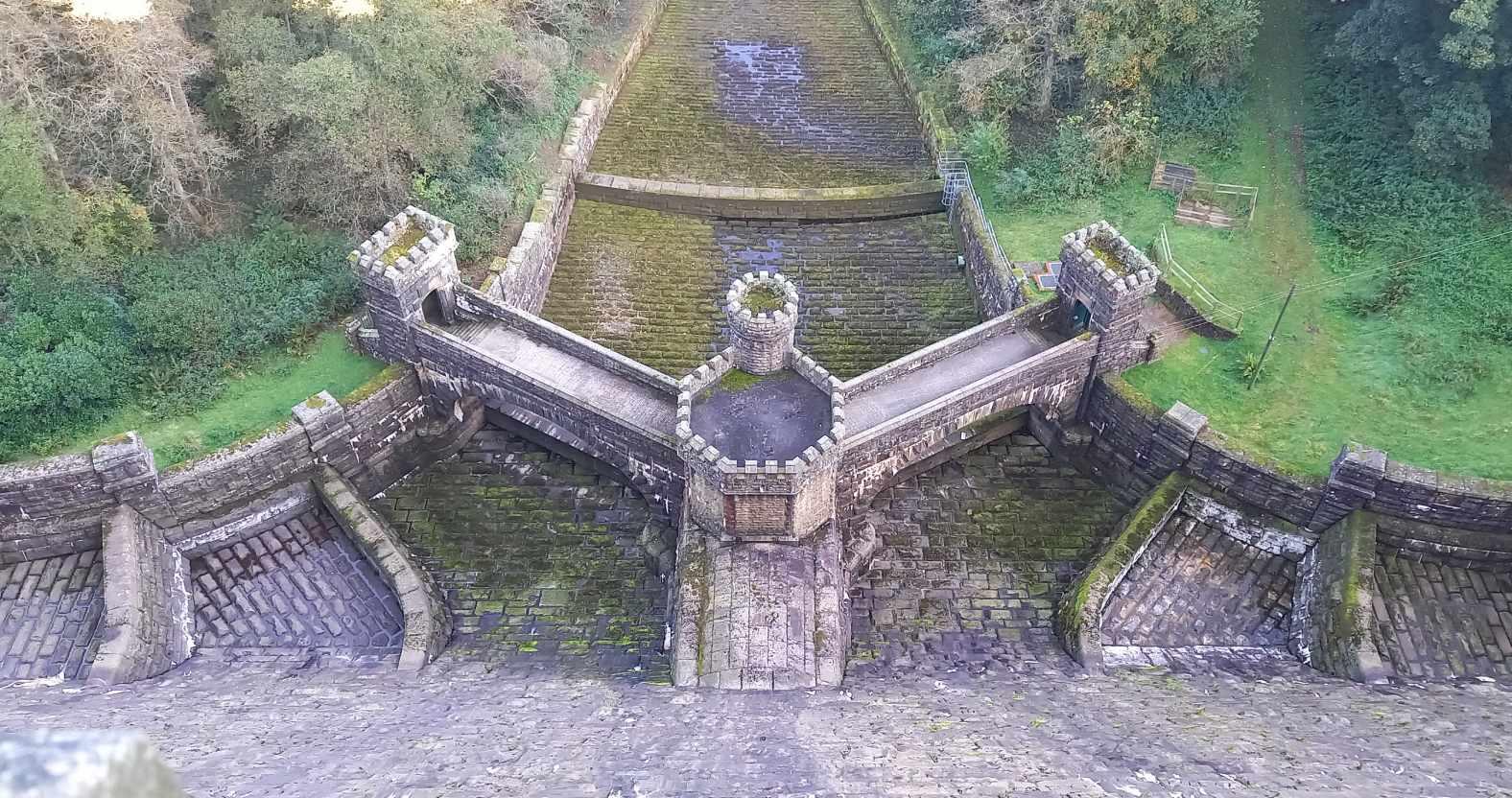
2. Scar House dam
With its decorative stonework and crenellations, the dam at Scar House looks very much like a product of the Victorian boom in water engineering that saw the creation of so many reservoirs around the country.
But work on building this reservoir was actually started in 1921 and completed 15 years later.
Along with Angram reservoir, which was completed at the top of the dale in 1919, Scar House was created to supply water to the Bradford area. It flows to the city via the Nidd Aqueduct, which is a 31-mile-long chain of bridges and tunnels – one of them bored right through Greenhow Hill.

3. Mechanics' Institute, Kirkby Malzeard
Kirby Malzeard Mechanics' Institute was founded in 1848, and the building in the picture was built as a home for it in 1852, funded by voluntary subscription.
Its purpose was to provide working men with somewhere to learn, and the building incorporated a library and reading room.
The first rule of the organisation states:
...the object of this Institution is to provide facilities for intellectual improvement and recreation; for the diffusion of literary, scientific, and general knowledge; and also by bringing together and uniting in one common purpose, all parties, of whatever shade of opinion, to strengthen and extend that general good feeling, so essential to the well being of Society.
Nowadays, it serves as a village hall and hosts all kinds of events and classes, inclusing pilates, yoga and quiz nights.
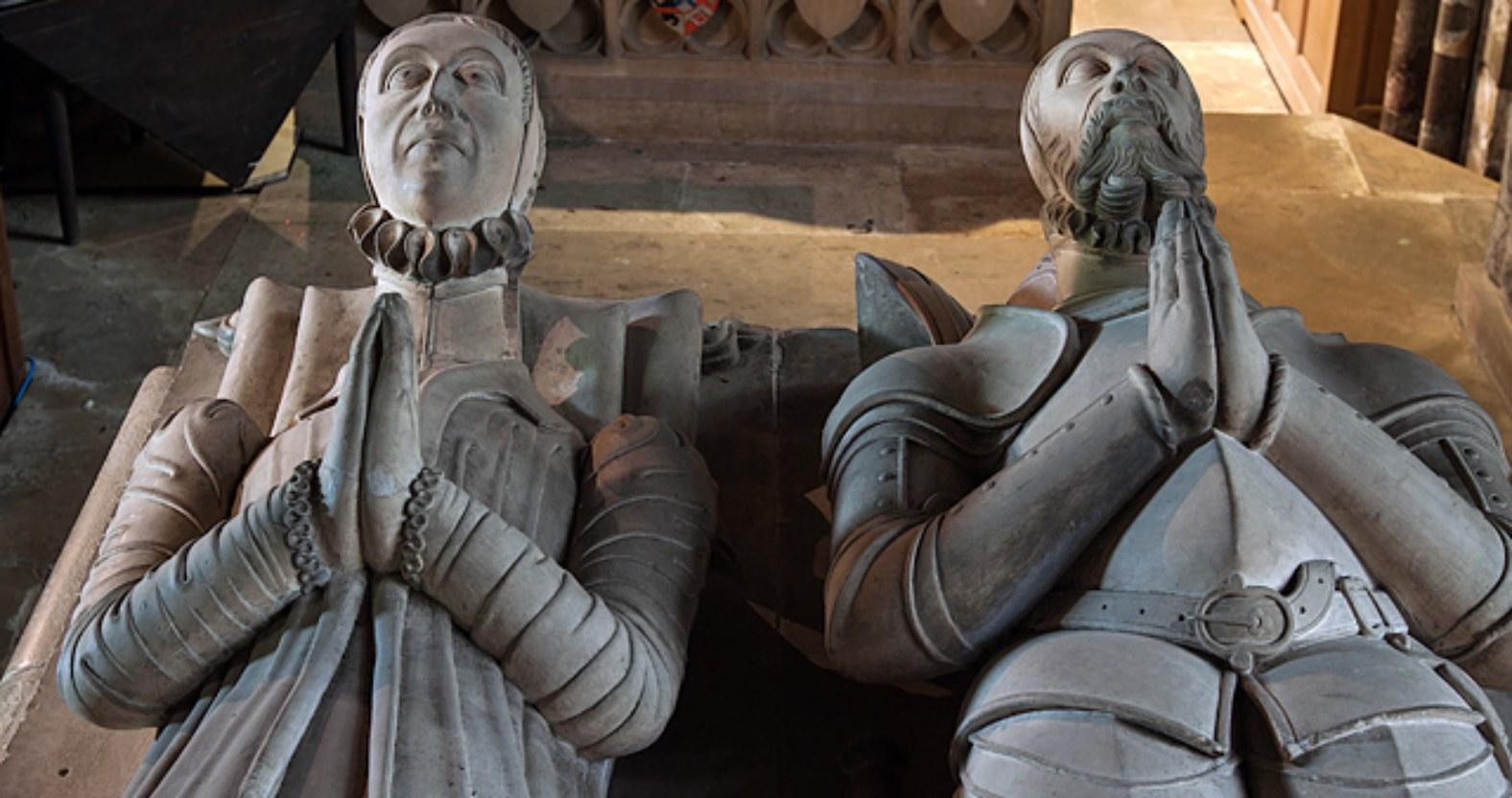
Photo: Mike Searle/Geograph.
4. Effigies, St John the Baptists Church, Knaresborough
The Slingsby Chapel in Knaresborough's parish church features memorials to several members of this local landowning family, and these effigies are one of the earliest.
They were created to commemorate Sir Francis Slingsby (d 1600) and his wife Mary (d 1598). Mary was the daughter of Thomas Percy, Earl of Northumberland, who led the Rising of the North against Elizabeth I in 1569 and was beheaded three years later.
Sir Francis Slingsby served as a captain of horse at the Siege of Boulogne in 1544, and in 1569 when an alarm was raised of a plot to rescue Mary Queen of Scots, then in custody in England, he garrisoned Knaresborough castle, together with his former father-in-law Sir William Ingleby.
Too easy or too difficult? Let us know what you think of our quiz by contacting us at letters@thestrayferret.co.uk.
Please do send us tricky pics of the area that we can include – and we'll credit your contribution. Thank you!
0