Thank you for your interest in this story
To continue reading this article, subscribe to the Stray Ferret for as little as £1 a week
Already a subscriber? Log in here.
15
Feb 2025
Sunday Picture Quiz Answers: February 15
Here are the answers to this week's Sunday Picture Quiz. How well did you do?
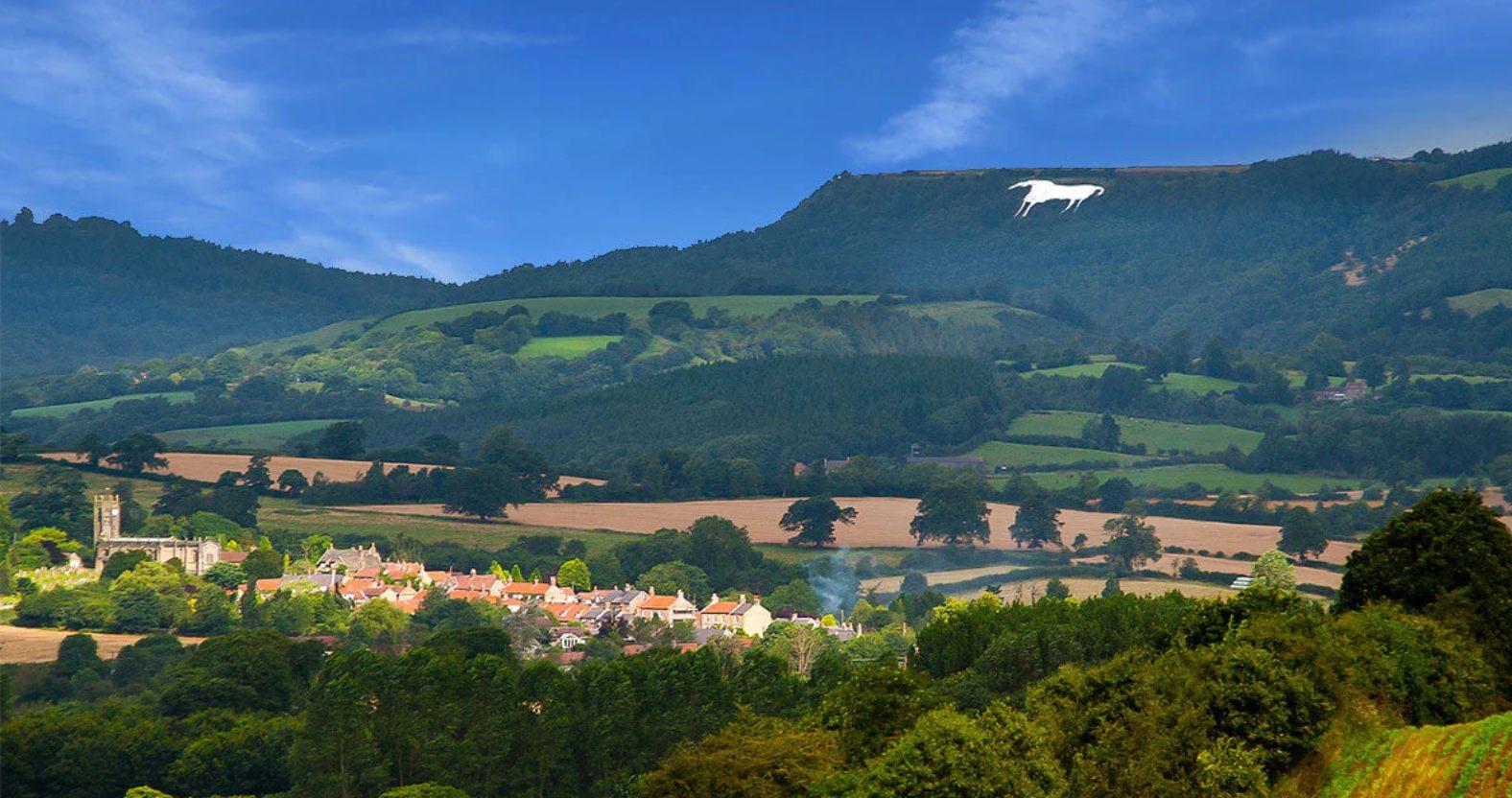
Photo: Kev Borwell / Walk Yorkshire.
1. Kilburn White Horse
This well-known landmark is not actually in our district, but it is very visible from many parts of it. The top of Harlow Hill on a clear day provides a good view. That said, because it's about 20 miles away, it does look tiny.
The see it in all its glory, you might have to venture across the Vale of York and take a closer look.
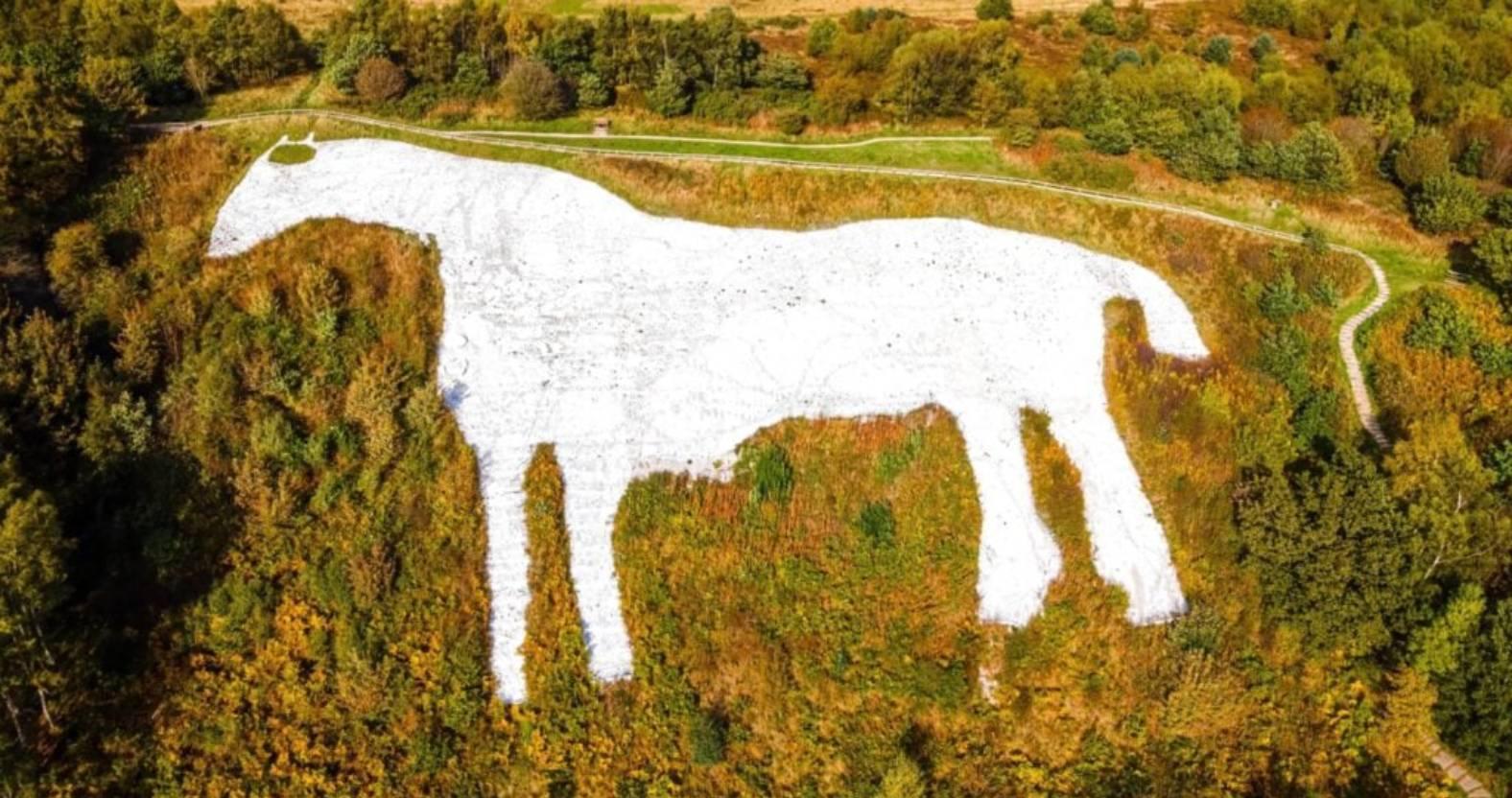
How the horse looks from above. Photo: Welcome to Yorkshire.
The figure measures 97m (318 feet) by 67m (220 ft) and is believed to have been cut only in 1857 – far later than Oxfordshire's Uffington White Horse, which dates from the Bronze Age and is said to have inspired this one.
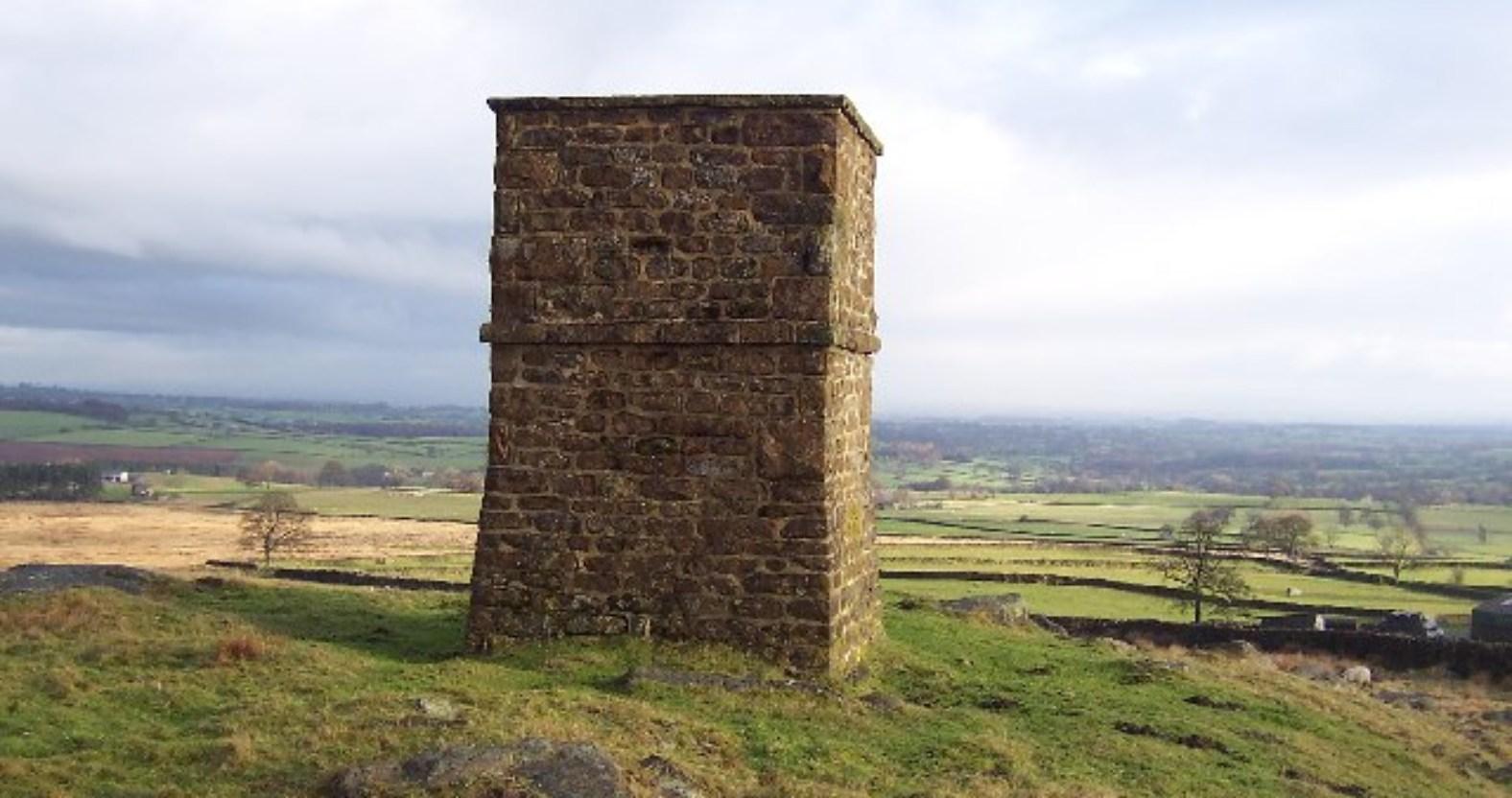
2. Greygarth Monument, Dallowgill
The Greygarth Monument was built on high ground above Kirkby Malzeard to celebrate Queen Victoria's diamond jubilee in 1897, but it wasn't the first tower to stand here.
There was previously a pinnacle said to have been built by local ploughboys to mark the spot where the last wolf in the region was killed.
That structure fell in a storm in 1893, and there were plans to rebuild it. But before that could happen, the diamond jubilee came along and local people presumably did what they thought was the more patriotic thing.
Their descendants came to the rescue of the current structure in 1984, when they restored the by-then crumbling monument.
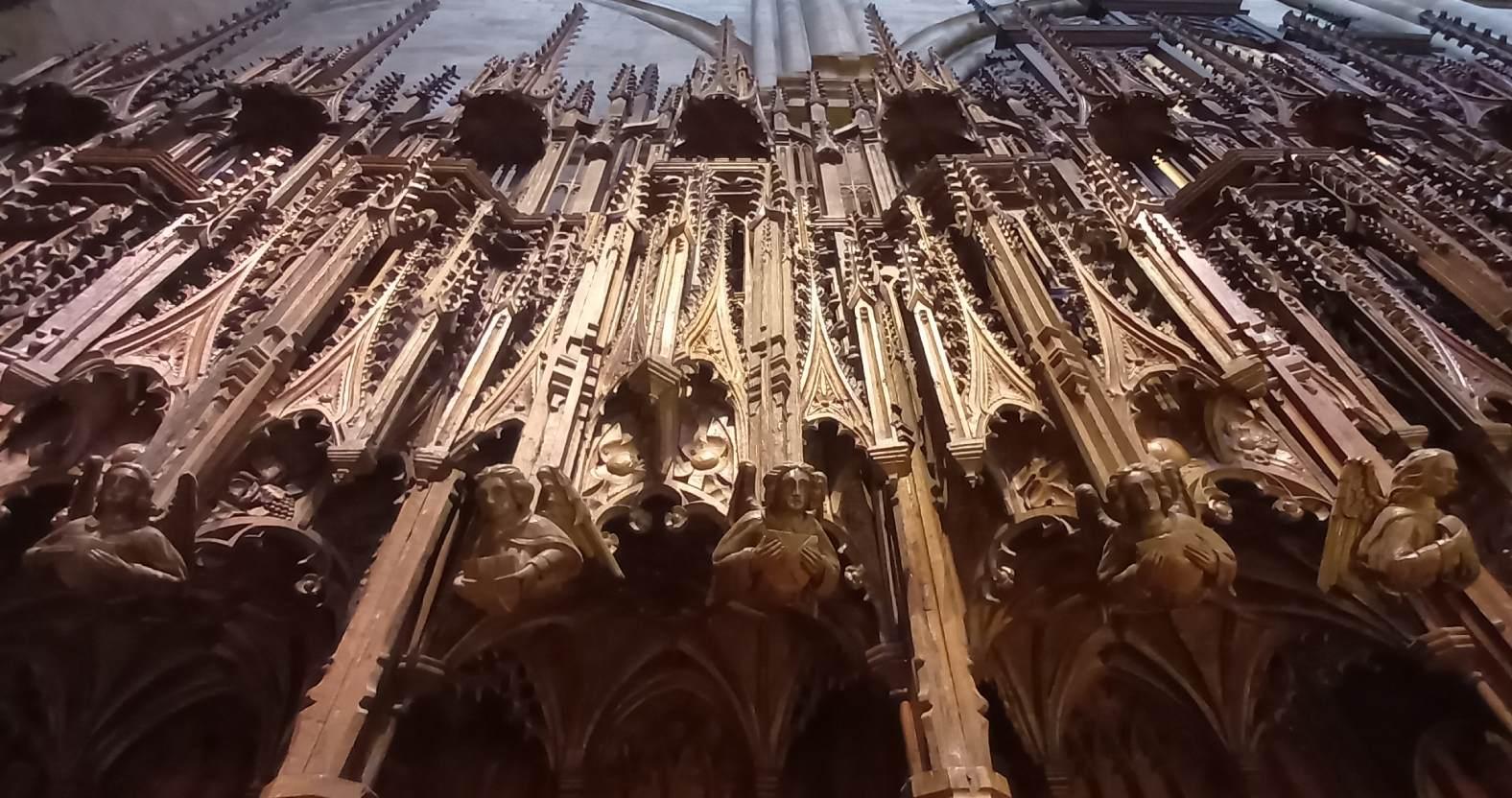
3. Choir stalls, Ripon Cathedral
If ever you get tired of the genius of the digital world and long to see something just as eye-poppingly clever but in 3D, pop along to Ripon Cathedral.
The choir stalls there were carved from oak (which is not easy to carve) in the late 1400s, although there are "modern" repairs dating from the 1660s.
The intricacy of the carving and the perfection of its repeated patterns are incredible to see, and the perfect antidote to an excess of screen time.
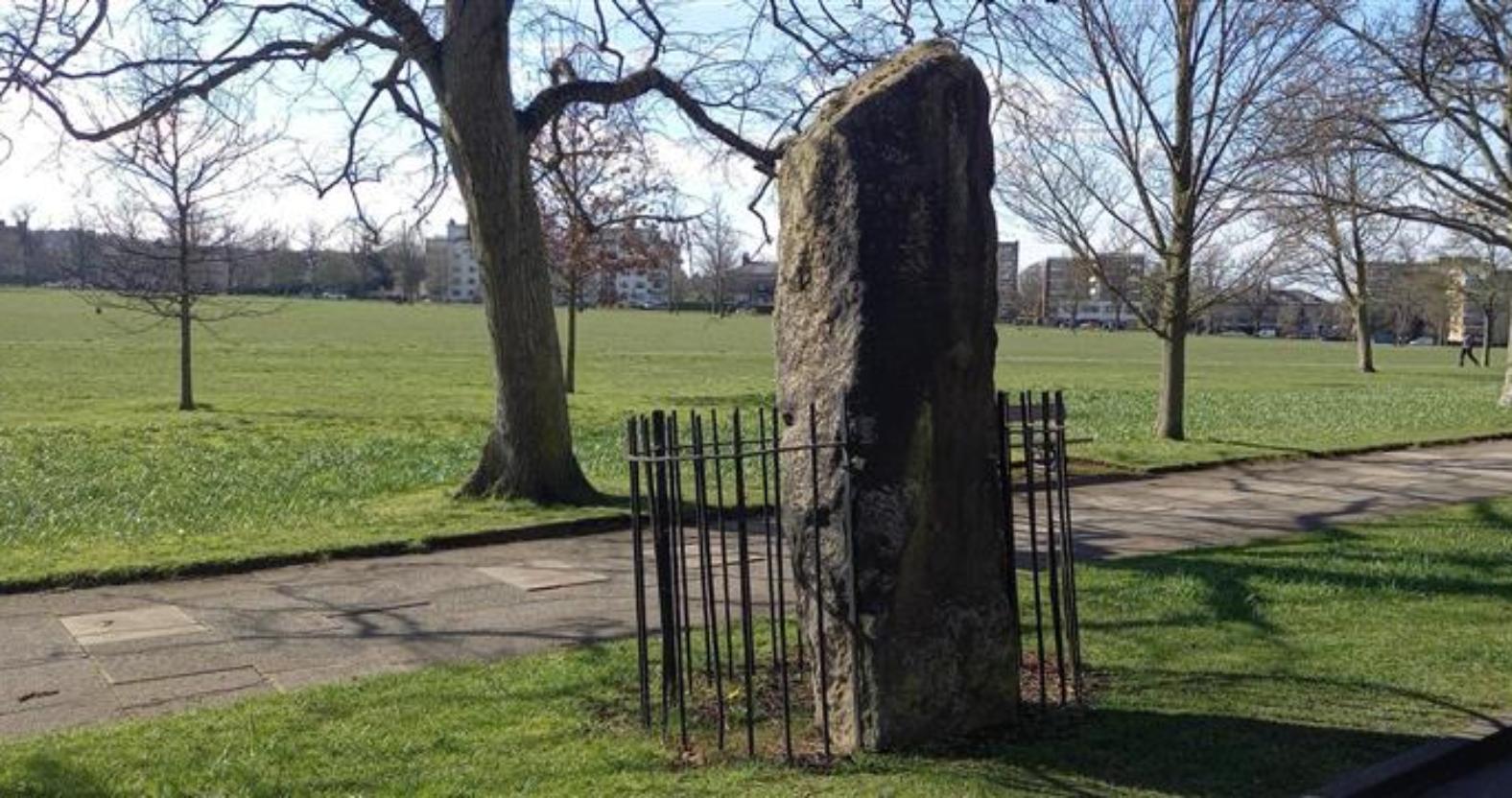
4. Turnpike boundary stone, Harrogate
This huge stone pillar looks almost like a neolithic monument – a junior version of the Devil's Arrows at Boroughbridge.
But it was actually placed on West Park in 1778 and marks the junction of the Leeds and Ripon turnpike roads.
Turnpikes, which were common in the 17th, 18th and19th centuries, were operated by trusts, which collected road tolls used for the maintenance of the road.
Too easy or too difficult? Let us know what you think of our quiz by contacting us at letters@thestrayferret.co.uk.
Please do send us tricky pics of the area that we can include – and we'll credit your contribution. Thank you!
0