Thank you for your interest in this story
To continue reading this article, subscribe to the Stray Ferret for as little as £1 a week
Already a subscriber? Log in here.
22
Feb 2025
Sunday Picture Quiz Answers: February 22
Here are the answers to this week's Sunday Picture Quiz. How well did you do?
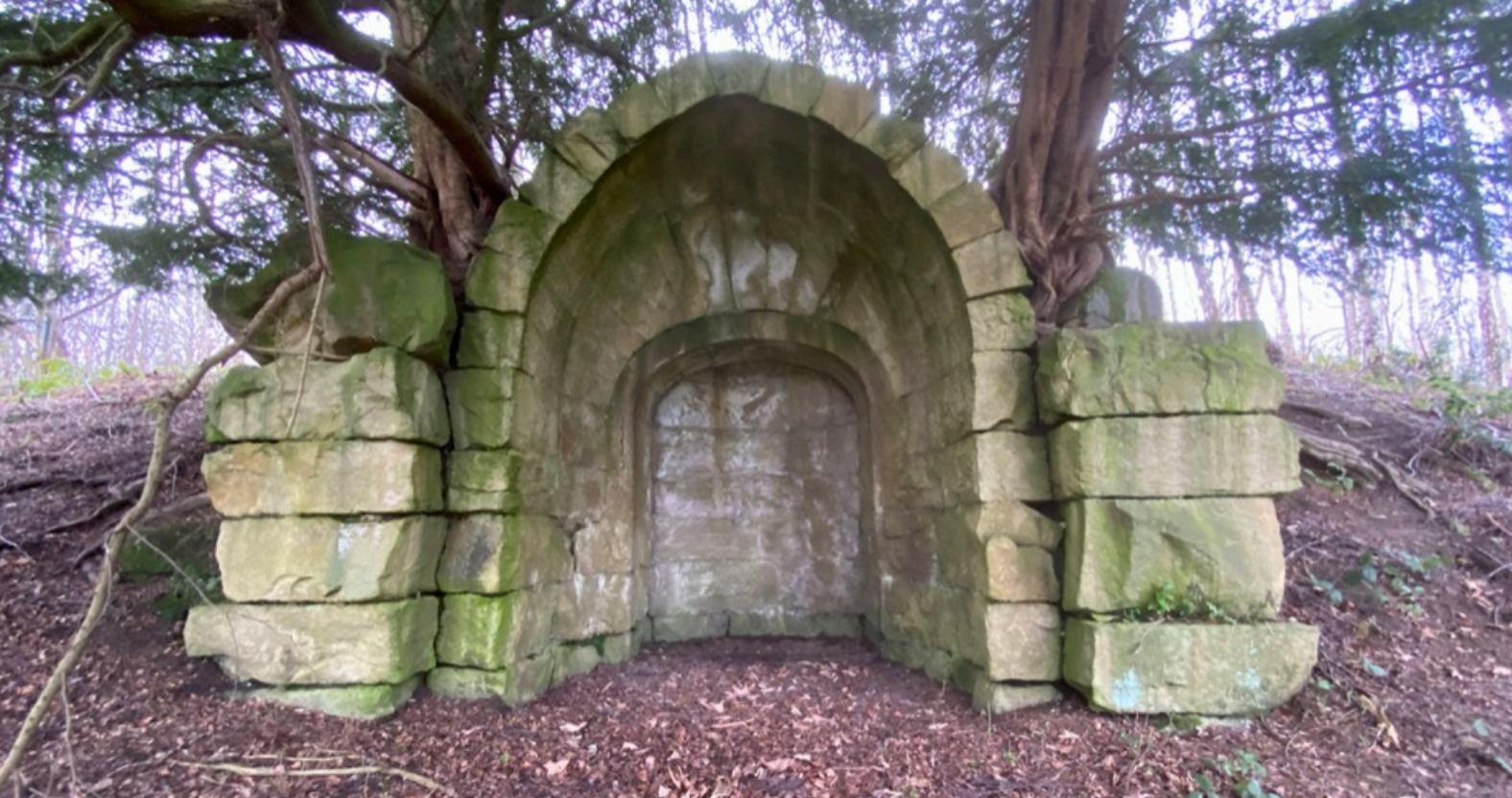
1. Grotto, Swinton Park
The grotto at Swinton Park, near Masham, was built in the early 1800s by William Danby, who rebuilt his family home, Swinton Park, in its current Gothick style following his grand tour of Europe in the 1790s.
Gothick (with a 'k') was a short-lived style of architecture in the 1700s that drew on medieval style and often fabricated antiquity. At Swinton, it gave rise to the mock-ancient folly of Druid's Temple, a set of standing stones designed to look similar to Stonehenge, as well as to this grotto.
Now in disrepair, there are plans underway to restore the grotto to its former glory.
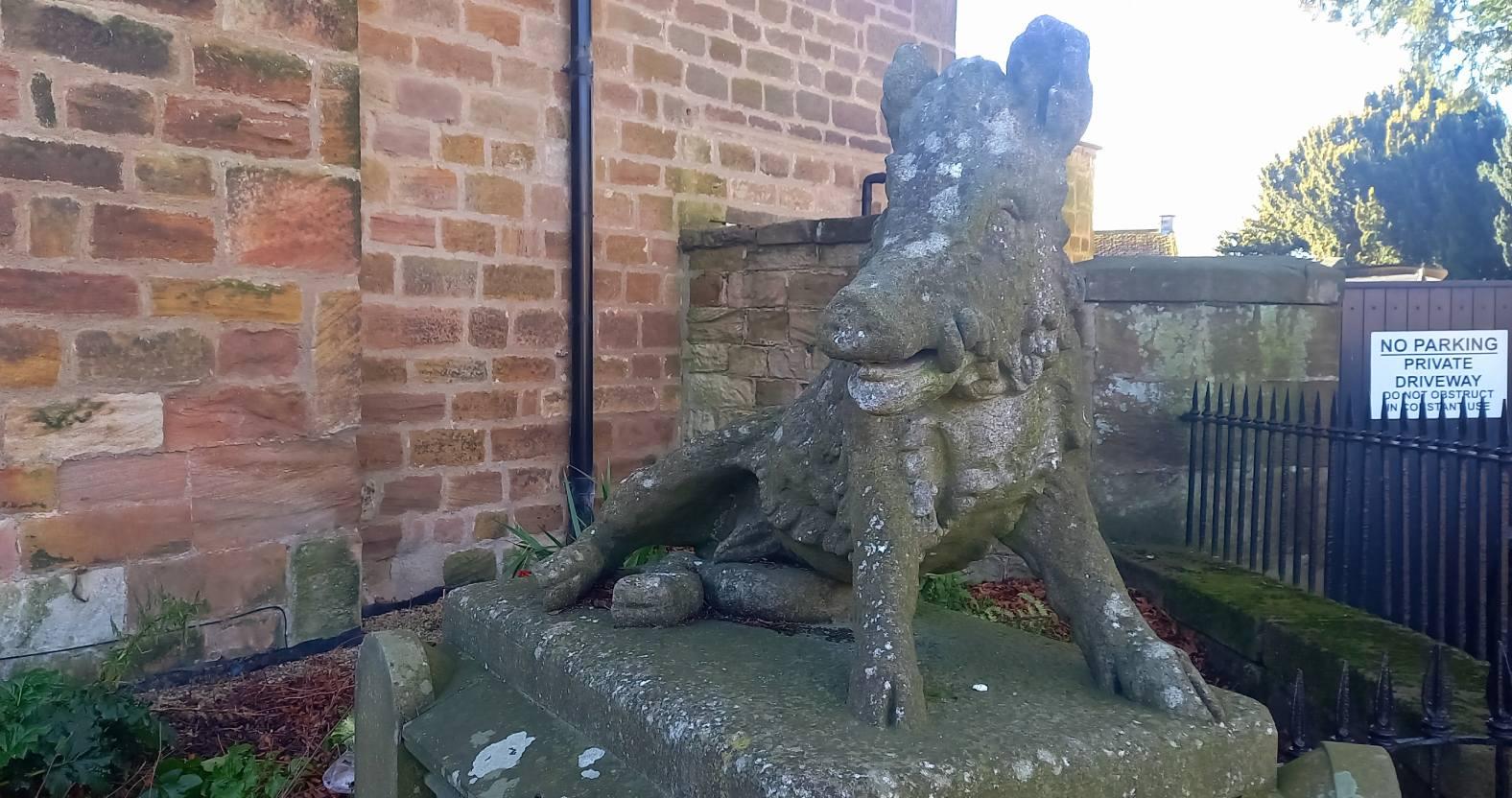
2. Boar statue, Ripley
The boar has been connected with Ripley since 1357, when Sir Thomas Ingilby (not the current one!) saved the king's life by killing a boar that was about to gore him.
The grateful king knighted him and the boar became the Ingilby family's heraldic symbol.
The statue sits on a drinking fountain, and they are grade II listed. According to the listing, the statue itself probably dates from the 18th century, but they were placed there as a gift to the village from the Hon Alicia Margaret, Dame Ingilby, in 1907.
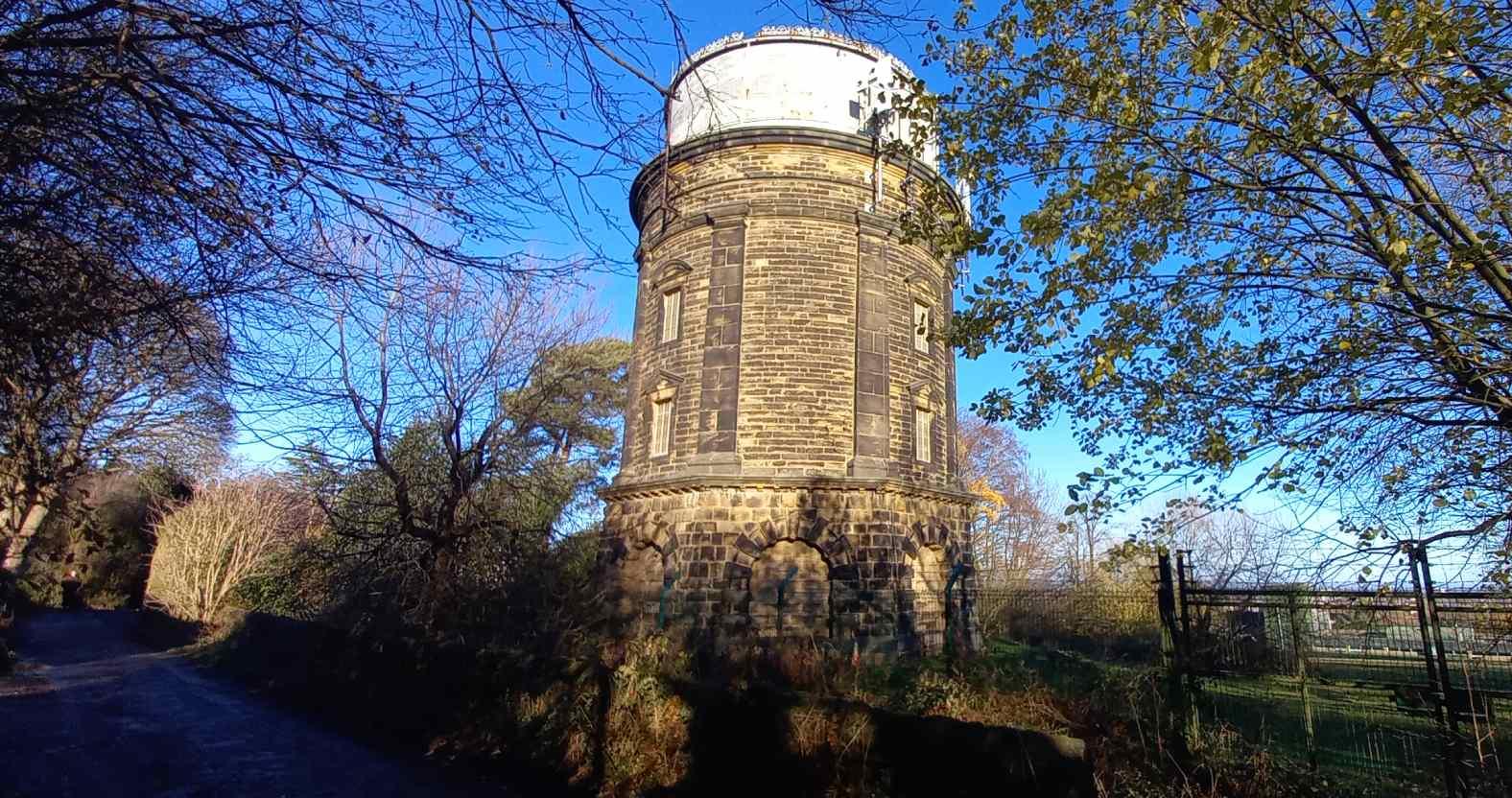
3. Harlow Hill water tower
This feature will be familiar to anyone who passes along Otley Road in Harrogate with any frequency. It was built in 1902 by Harrogate Corporation Waterworks' chief engineer Edward Wilson Dixon.
Now grade II listed, it is no longer in active use for its original purpose, but does serve as a platform for modern telecoms equipment.
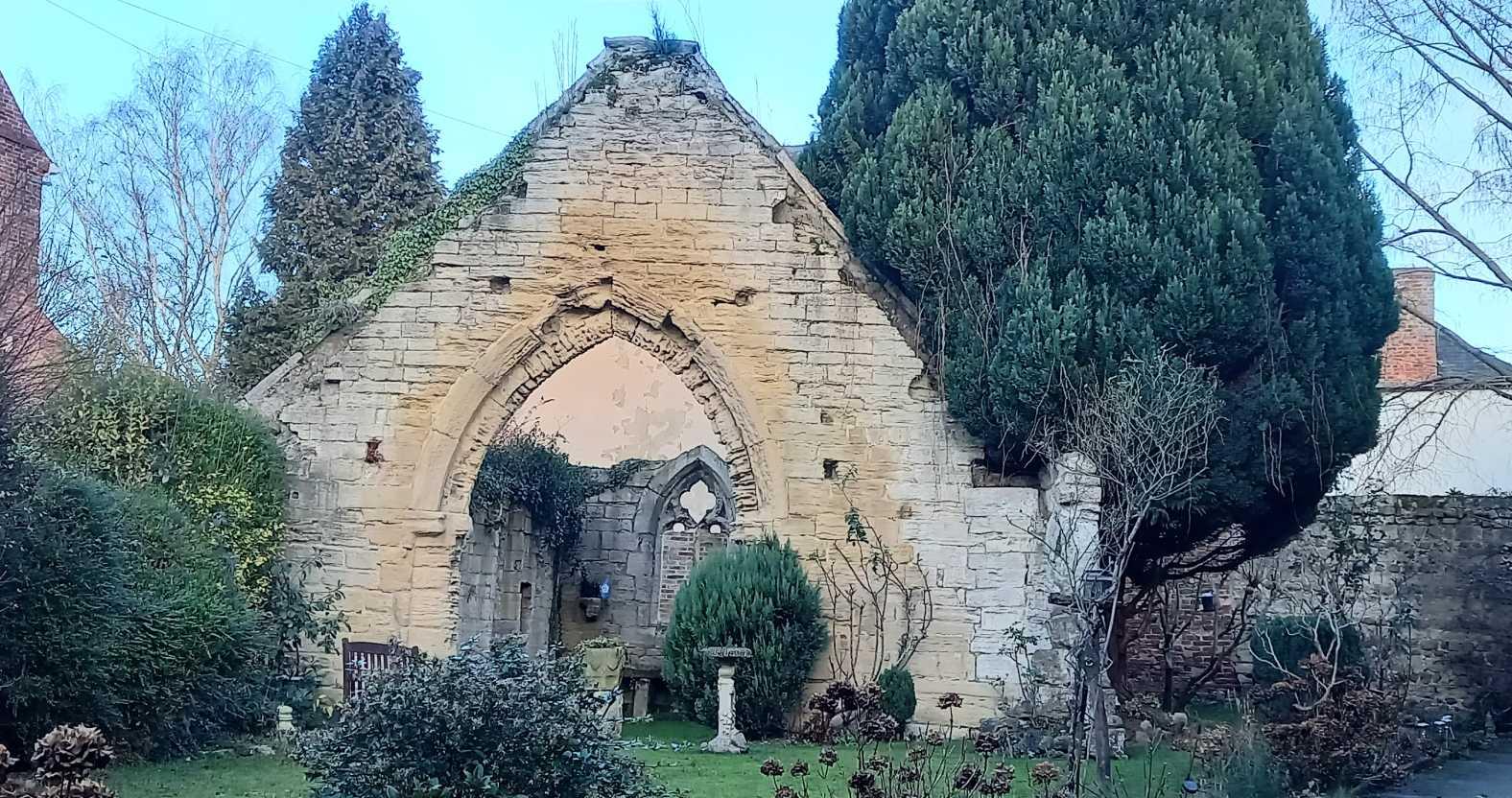
4. Chapel of St Anne's Hospital, Ripon
St Anne's Hospital was first mentioned in surviving documents in 1438, but it was probably built in the previous century.
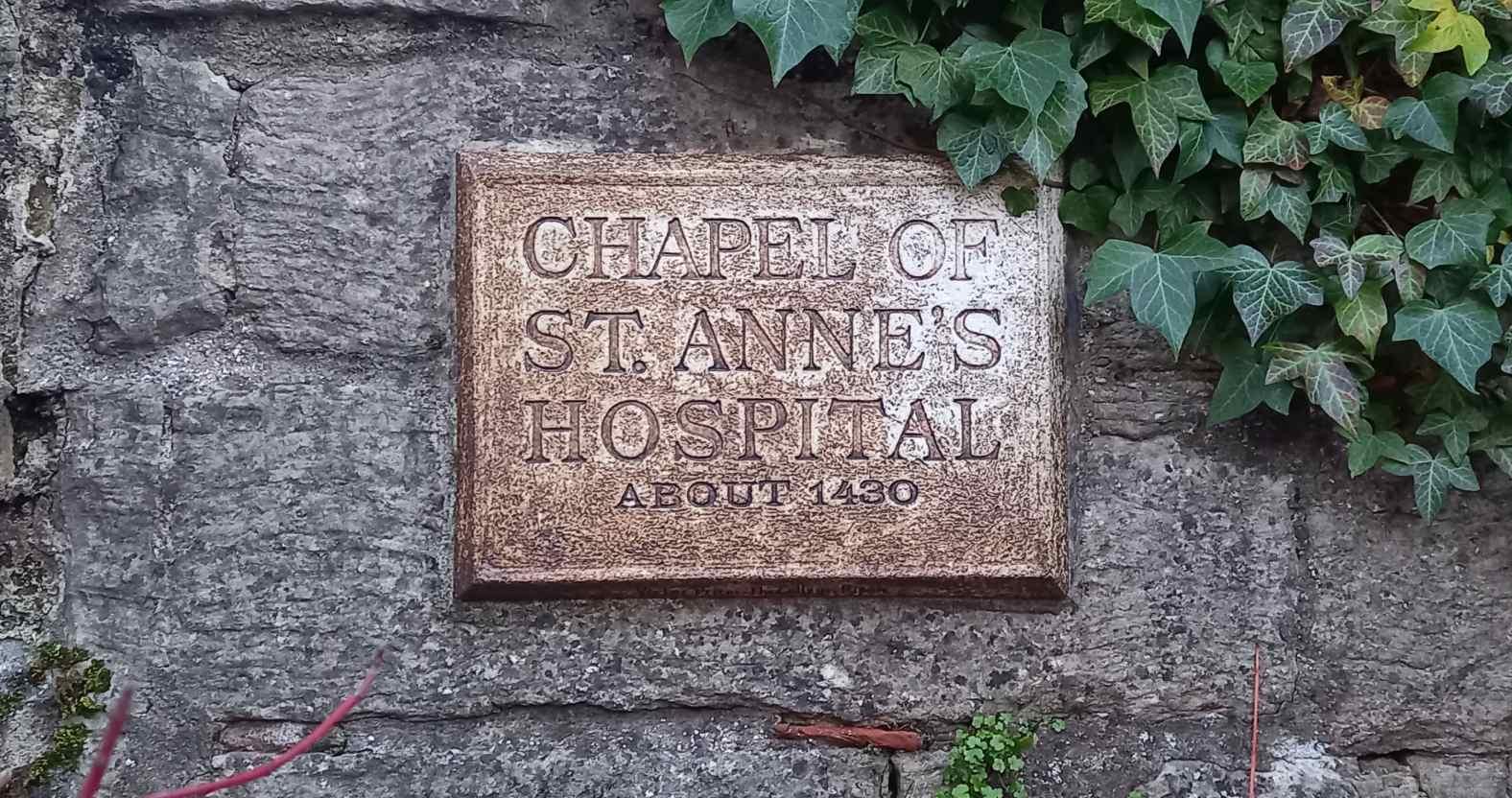
The plaque on the ruin's wall.
It was actually effectively an almshouse, and provided accommodation for four men, four women, and two casual residents, with a priest in change.
The almshouse was demolished and replaced in 1869. The chapel was left as a ruin and is now grade II* listed.
Too easy or too difficult? Let us know what you think of our quiz by contacting us at letters@thestrayferret.co.uk.
Please do send us tricky pics of the area that we can include – and we'll credit your contribution. Thank you!
0