Thank you for your interest in this story
To continue reading this article, subscribe to the Stray Ferret for as little as £1 a week
Already a subscriber? Log in here.
11
Jan 2025
Sunday Picture Quiz Answers: January 11
Here are the answers to this week's Sunday Picture Quiz. How well did you do?
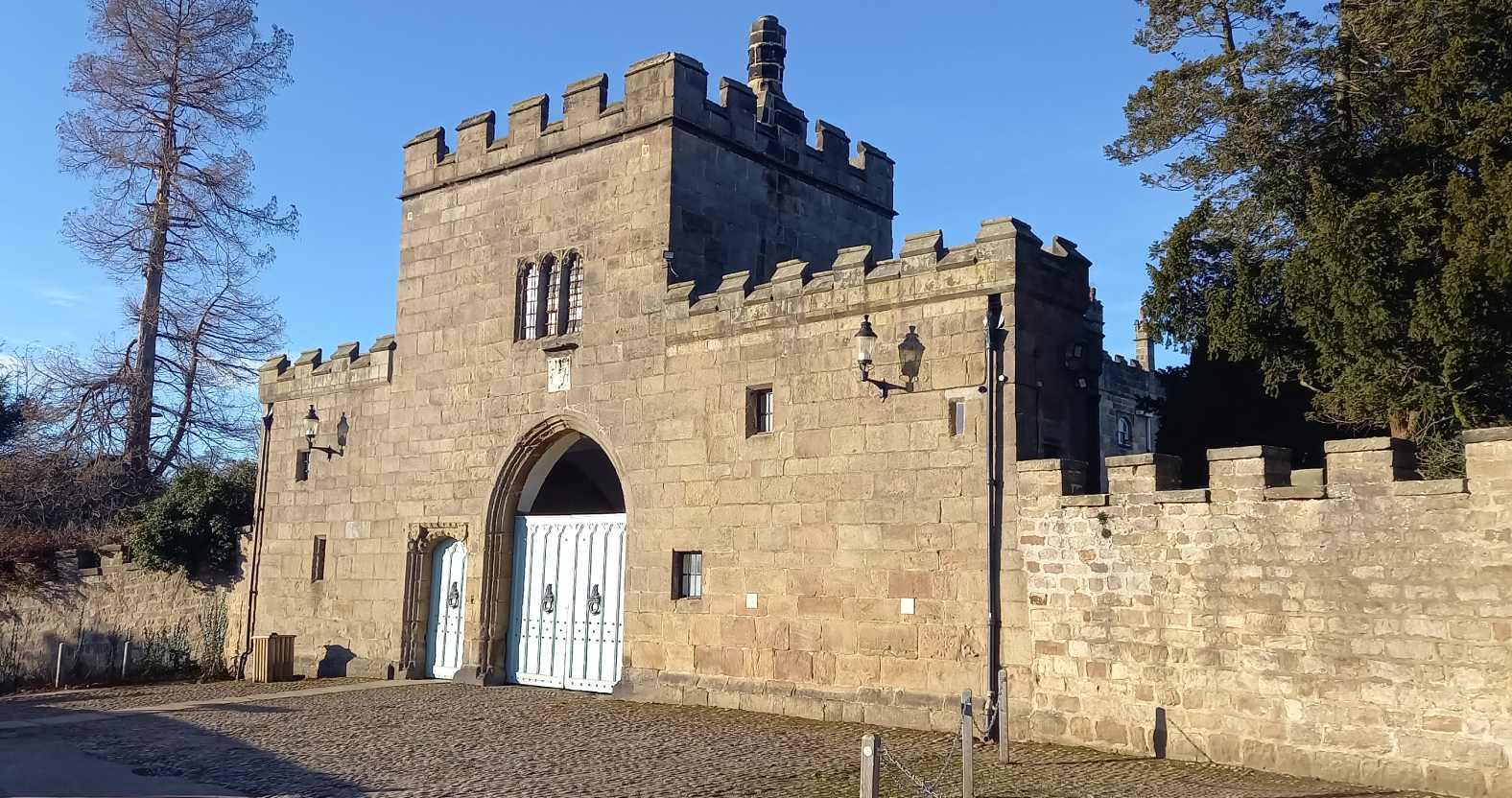
1. The gatehouse, Ripley Castle
When this fine-looking defensive feature was built in the 1450s, the printing press was new to Europe, the Hundred Years' War with France was finally coming to an end, and Columbus was yet to stumble across America.
Formerly used as the guard room and keeper's lodge, it still bears scars of musketballs from the Civil War, but now houses a one-bedroom apartment with store rooms.
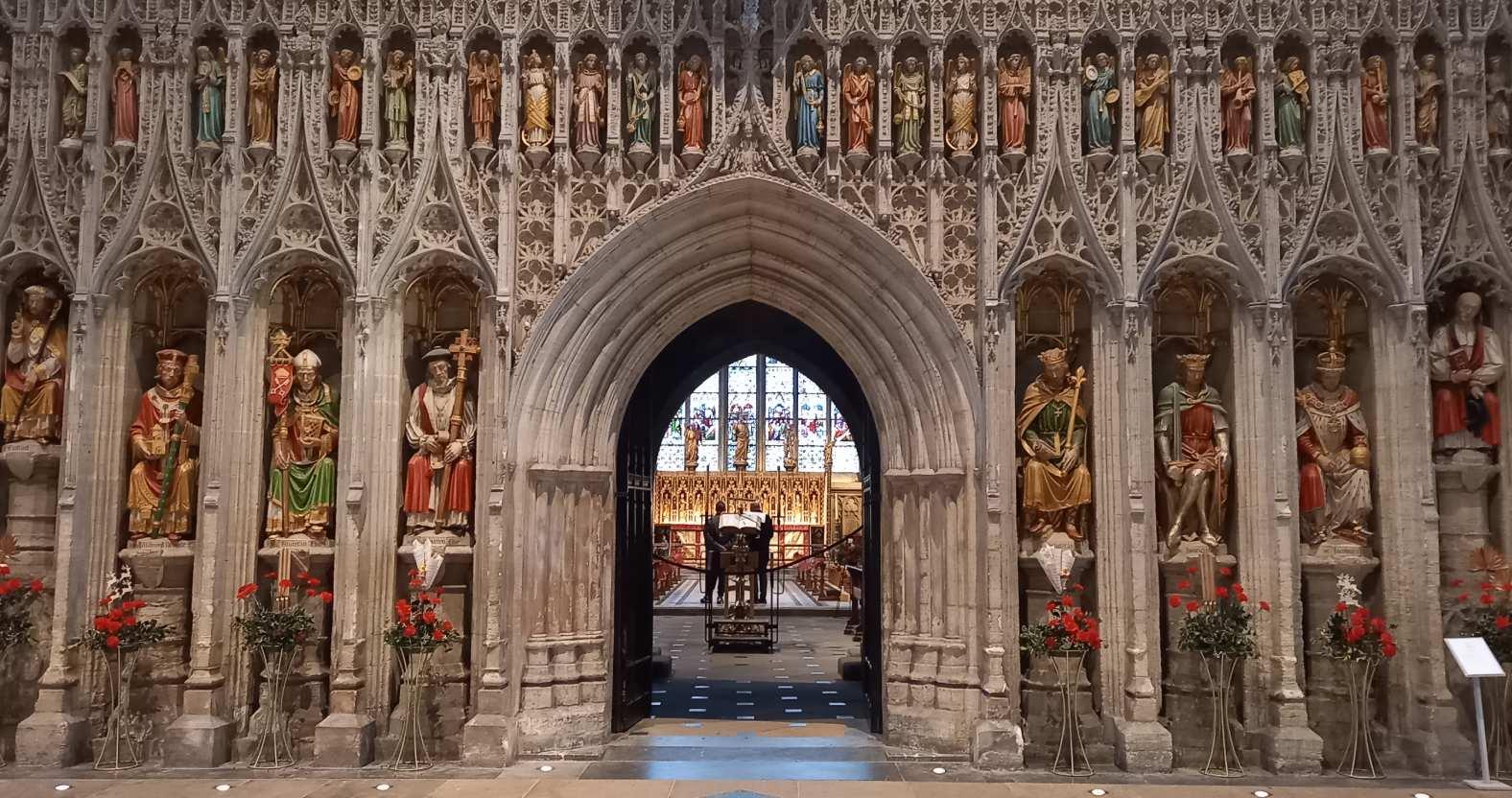
2. Pulpitum, Ripon Cathedral
This feast for the eyes was carved around 1470 – just a few years after Ripley's gatehouse was built – although the figures were unveiled in 1947. According to the cathedral's website, the faces of "kings, archbishops, a saint and at least 24 musical and singing angels" are visible, as well as "more than a hundred tiny faces of medieval people".
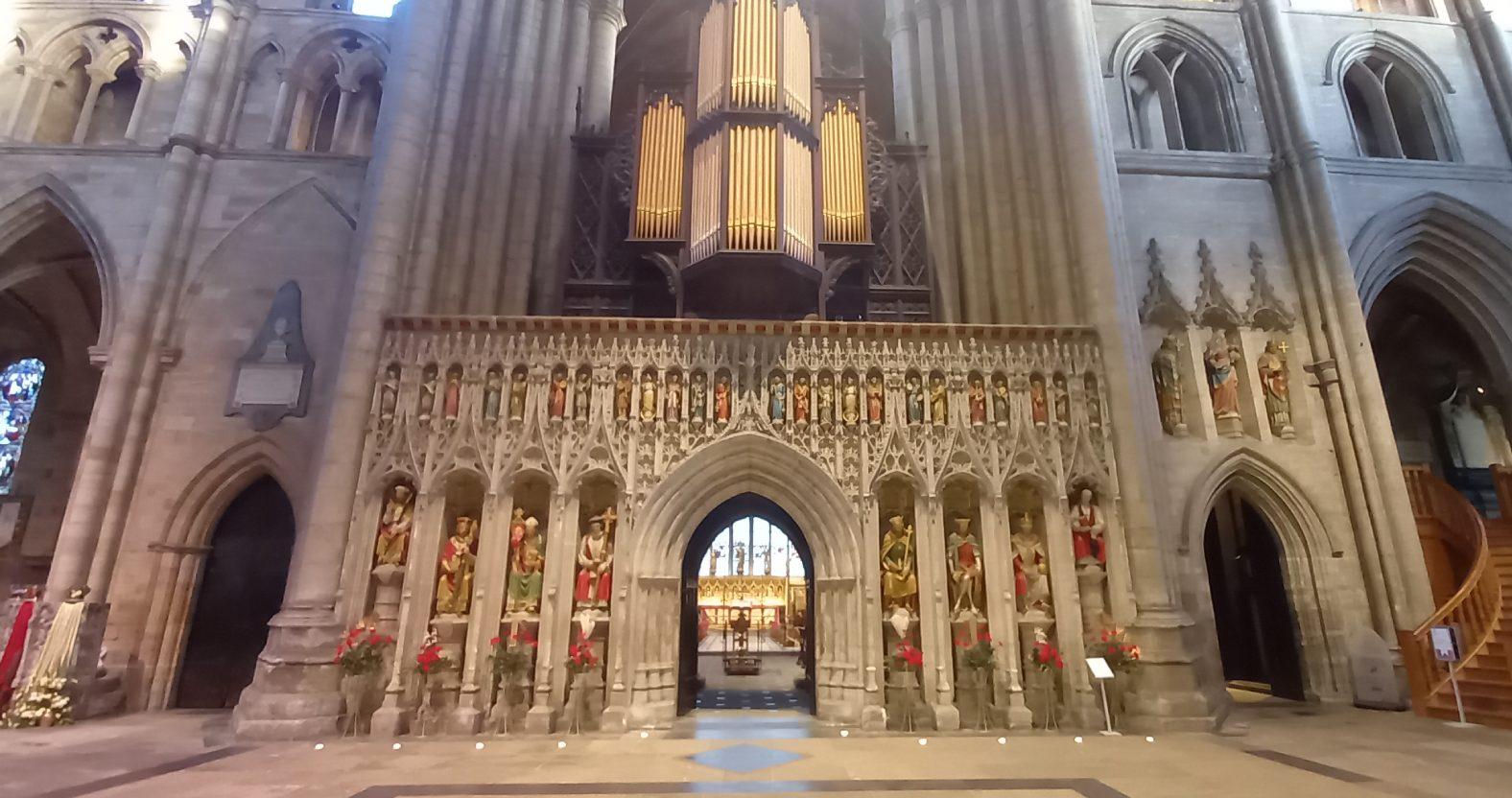
The pulpitum screen at Ripon Cathedral.
A common feature in medieval architecture in Europe, the pulpitum is a screen that divides the choir stalls and high altar from the nave, or main body, of the cathedral.
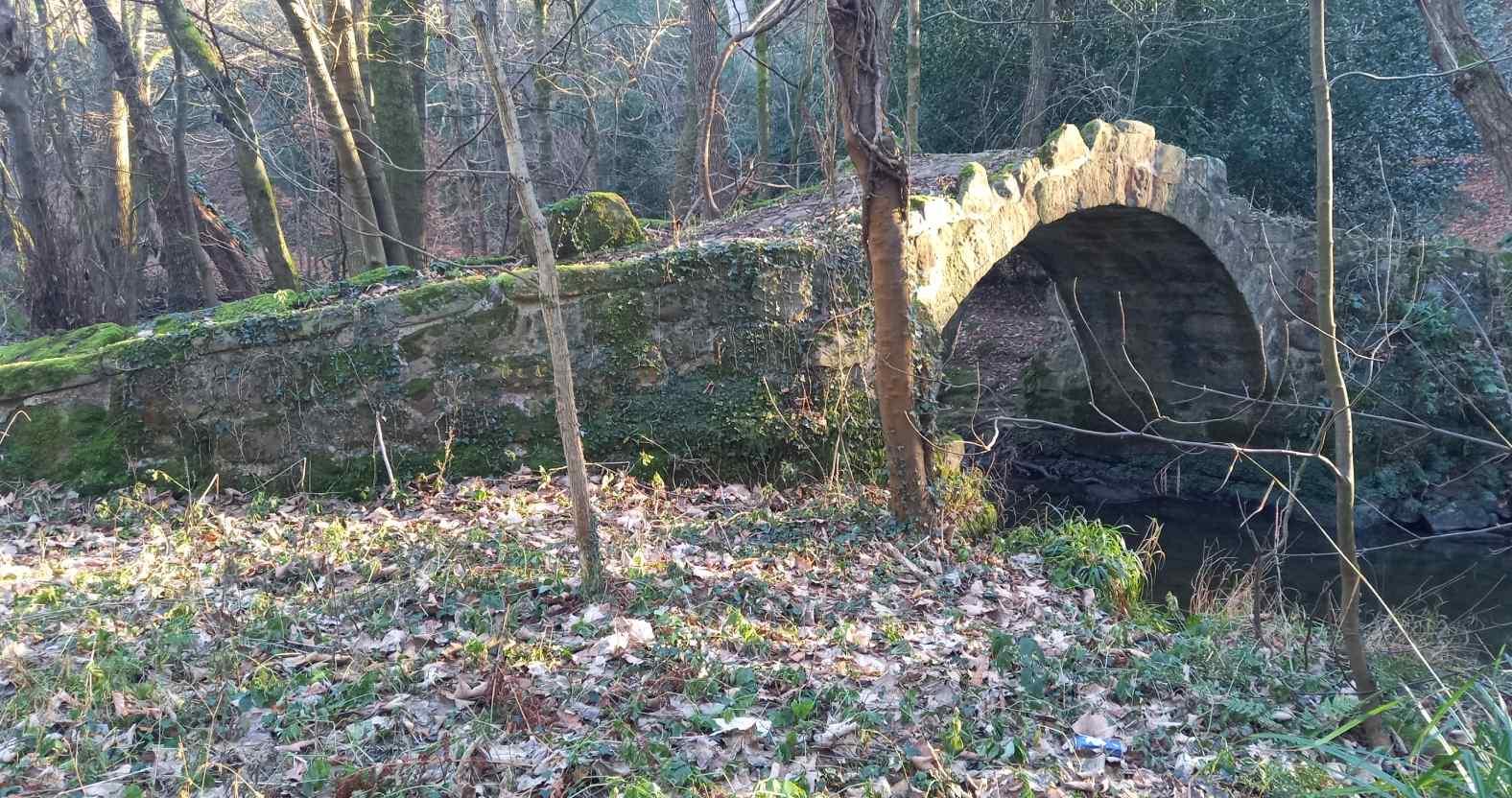
3. Irongate Bridge, Harrogate
This unusually slimline packhorse bridge over Oak Beck dates from the 1700s and is now grade II listed.
Now surrounded by woodland and leading to nowhere in particular, it's difficult nowadays to see why it would have been built at all. But its name comes from the days when iron ore was mined in the Forest of Knaresborough and carried by packhorse for smelting.
That's why it has no parapet walls, as panniers containing ore might have scuffed or snagged on the sides as horses crossed over.
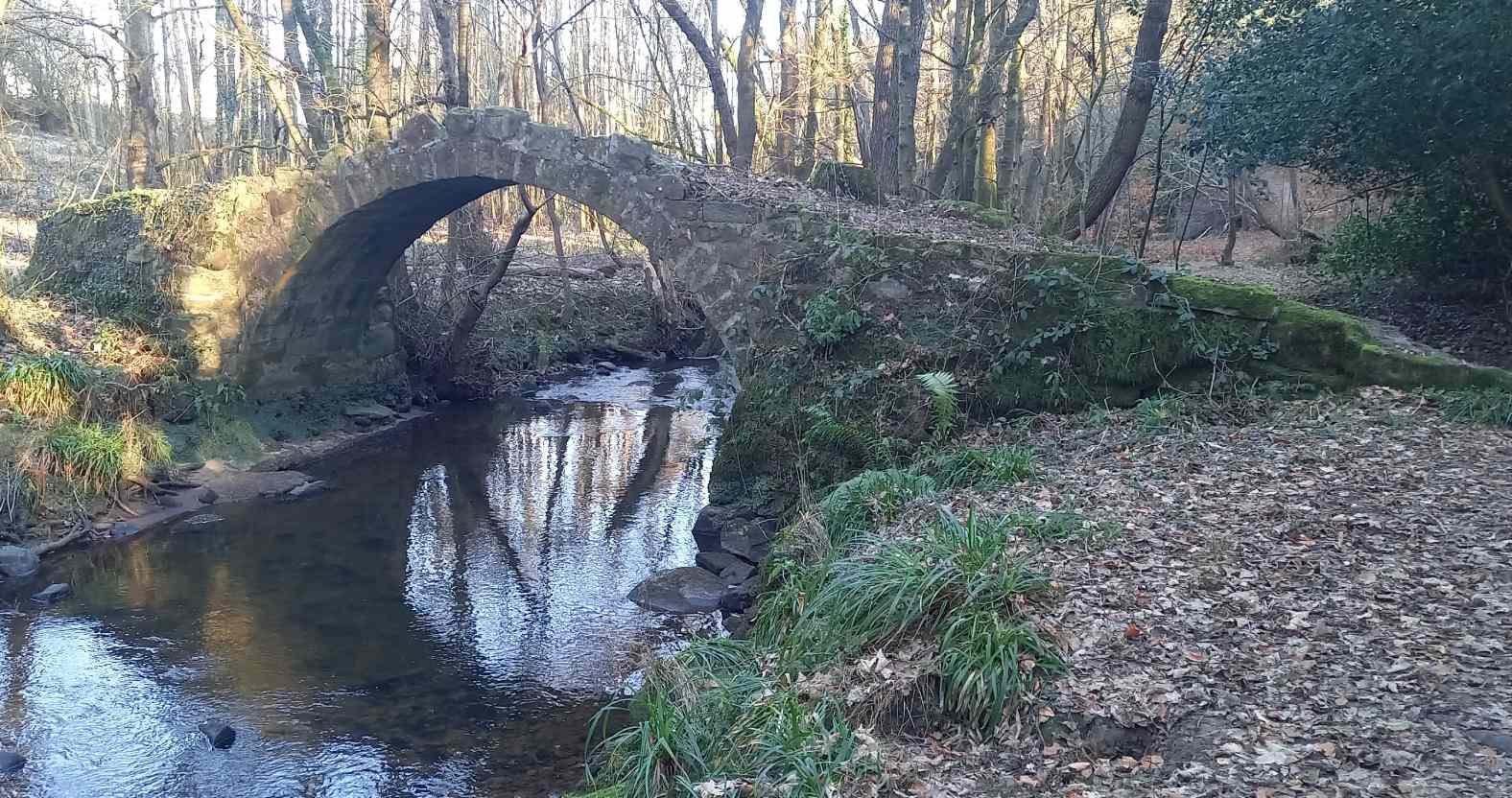
Irongate Bridge over Oak Beck.
The road that led to this bridge was called Irongate Lane (probably originally just 'Irongate', since 'gate' means road), but we know it today as Cornwall Road.
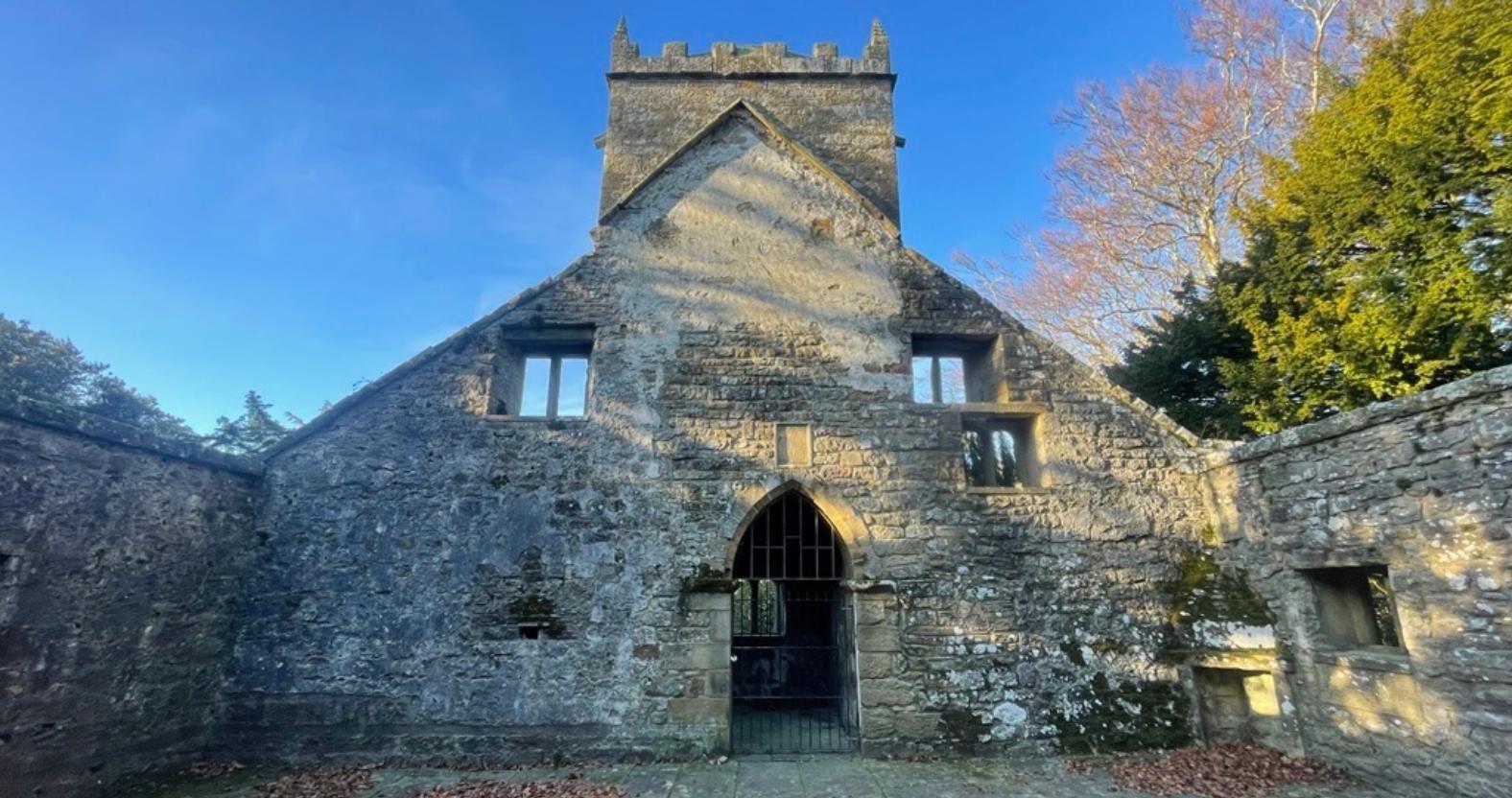
4. St Mary's Church, Pateley Bridge
The old church of St Mary the Virgin was first mentioned in 1320, and probably dates back to the time of Edward I, who reigned from 1272 to 1307.
In the late 18th century the building became too small for the congregation and in need of repair. It finally closed in 1826 and a larger church, Saint Cuthbert's, was built the following year.
The roof materials were sold, but a small area remained roofed and formed a burial chapel until 1880, when it was demolished.
Too easy or too difficult? Let us know what you think of our quiz by contacting us at letters@thestrayferret.co.uk.
Please do send us tricky pics of the area that we can include – and we'll credit your contribution. Thank you!
0