Thank you for your interest in this story
To continue reading this article, subscribe to the Stray Ferret for as little as £1 a week
Already a subscriber? Log in here.
18
Jan 2025
Sunday Picture Quiz Answers: January 18

Here are the answers to this week's Sunday Picture Quiz. How well did you do?
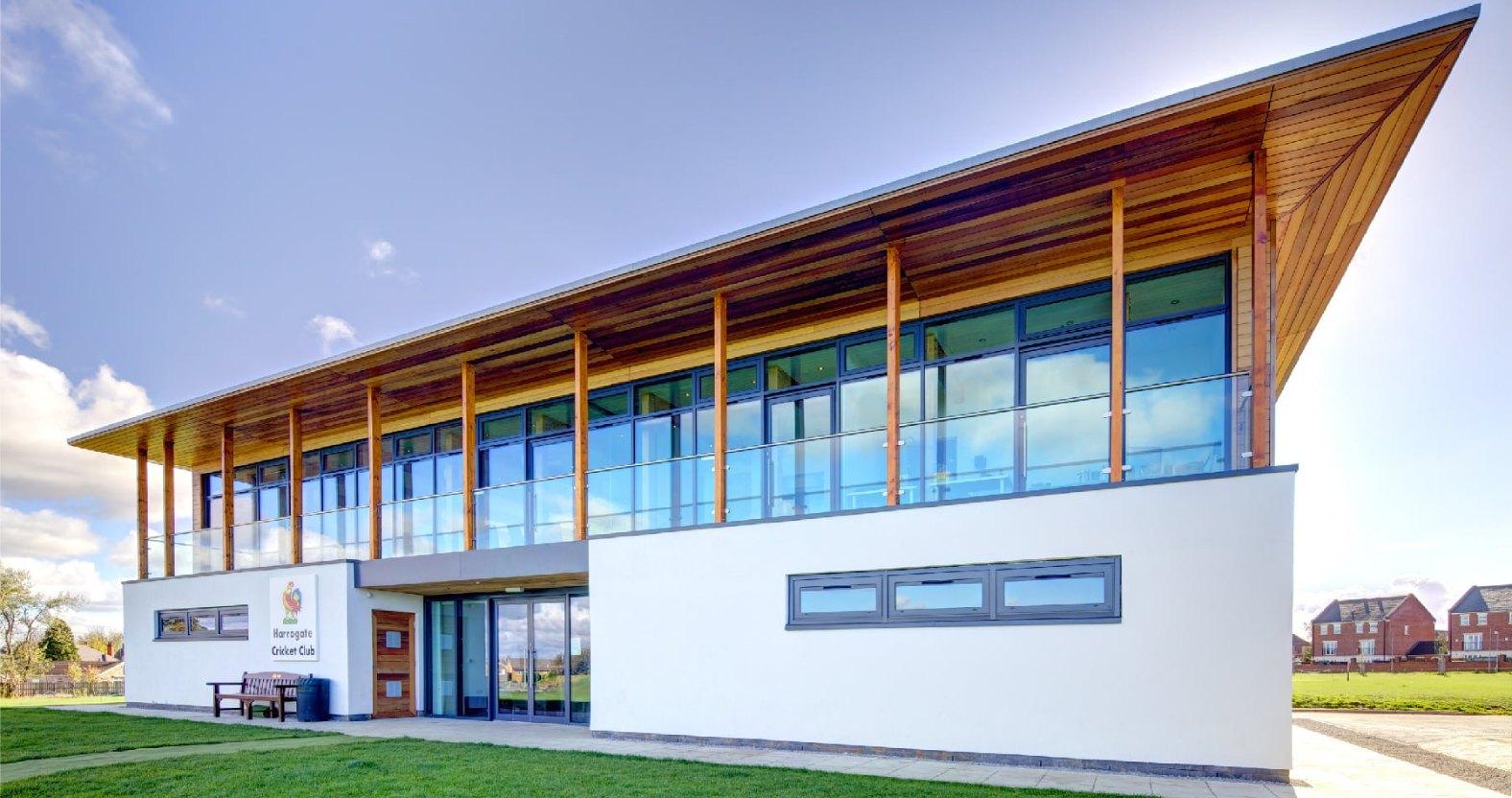
Photo: Seven Architecture.
1. Harrogate Cricket Club pavilion
This pavilion at Harrogate CC's St George's Road ground is apparently so good that it's considered one to emulate by the England and Wales Cricket Board.
The £825,000 building replaced the original club, built in 1896, which was destroyed in a fire in 2008. It was designed by Harrogate-based Seven Architecture and opened in 2011 by England and Yorkshire bowler Tim Bresnan.
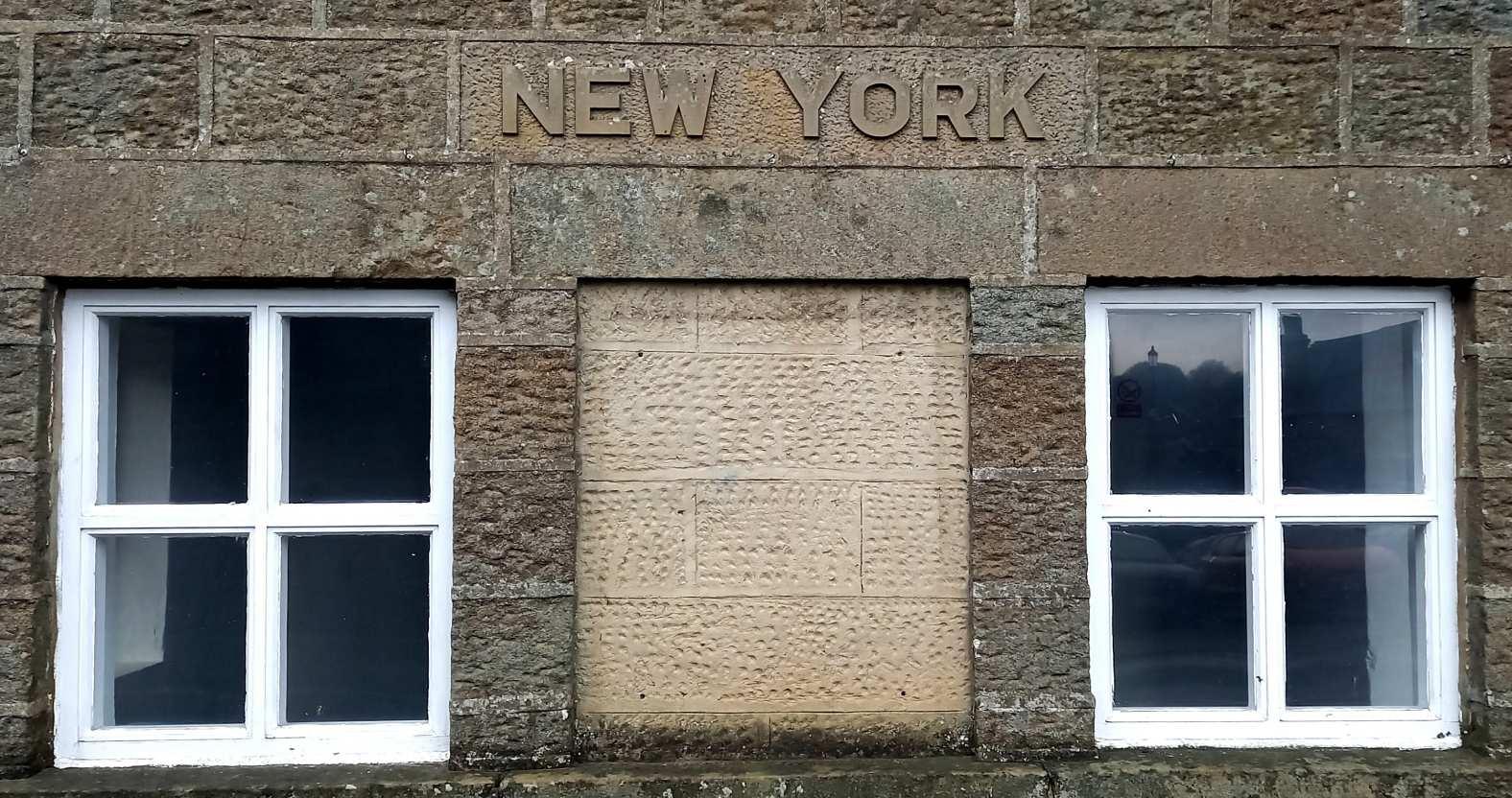
2. New York bus-stop, Summerbridge
The name of the United States' greatest city is carved in stone on a bus-stop in Nidderdale – but why?
Well, in 1834 a Knaresborough man called Francis Thorpe bought the flax mill that stood just west of Summerbridge and renamed it New York Mill, presumably because much of its output was exported to that city.
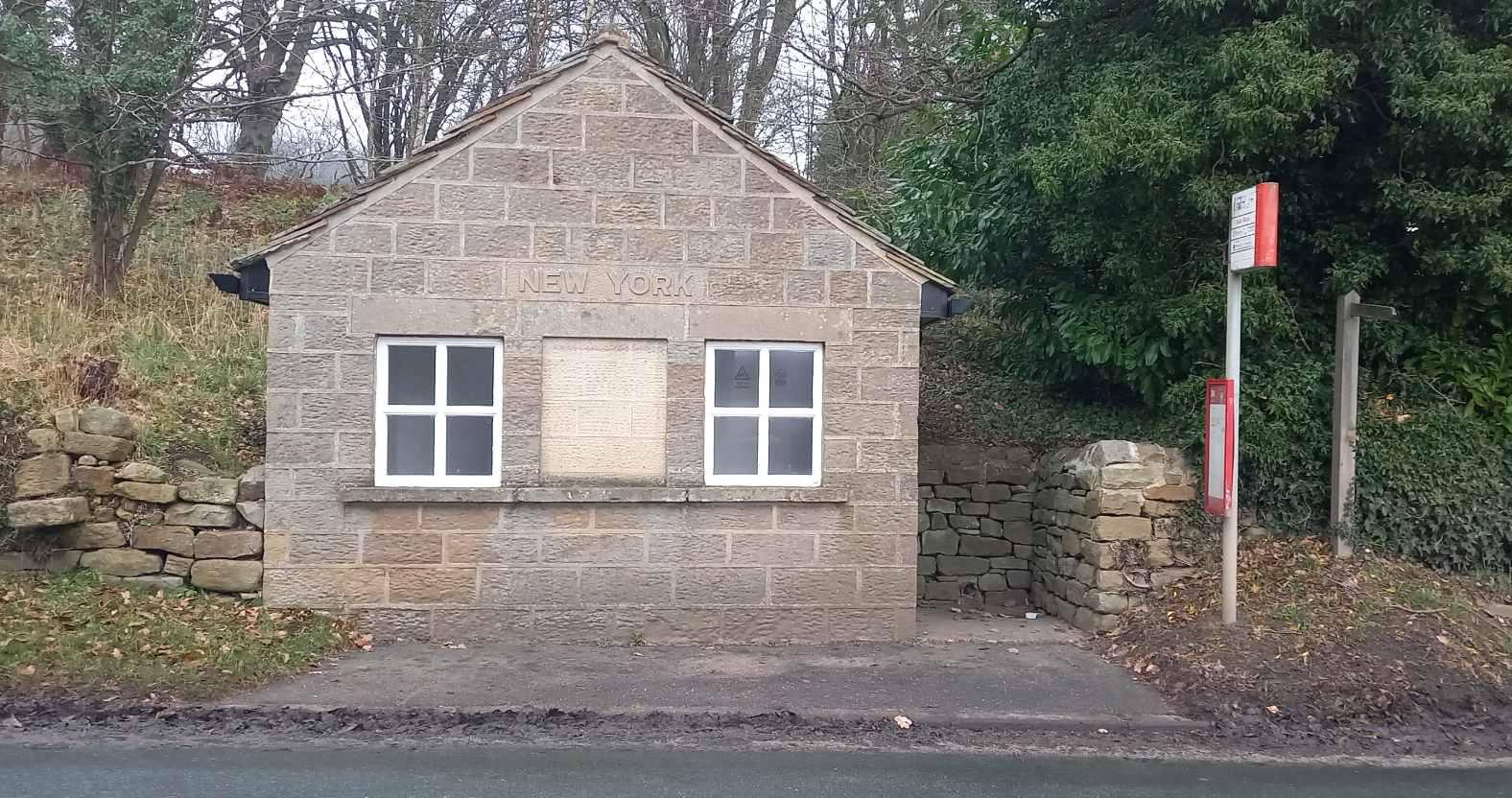
The bus stop opposite New York Mill in Summerbridge.
The mill at that time employed about 150 people and formed the hub of a community slightly separate from Summerbridge.
Flax is no longer spun there – the mill was closed in 1980 – but it remains the only mill in the dale to still provide jobs, albeit in small industrial units.

Photo: The Northern Antiquarian.
3. Cup-and-ring markings, Almscliffe Crag
There are thousands of cup-and-ring markings across Western Europe, and in Britain there are particular concentrations in northern England (mainly Yorkshire and Northumberland) and Scotland.
The carvings, consisting of a hollowed out 'cup' in the rock face surrounded by an indented ring, date from the late Neolithic to early Bronze Age, between 3,000 and 5,000 years old, but their meaning or function is not known.
The cup and ring in the photo above can be spotted in the middle of the picture, towards the bottom.
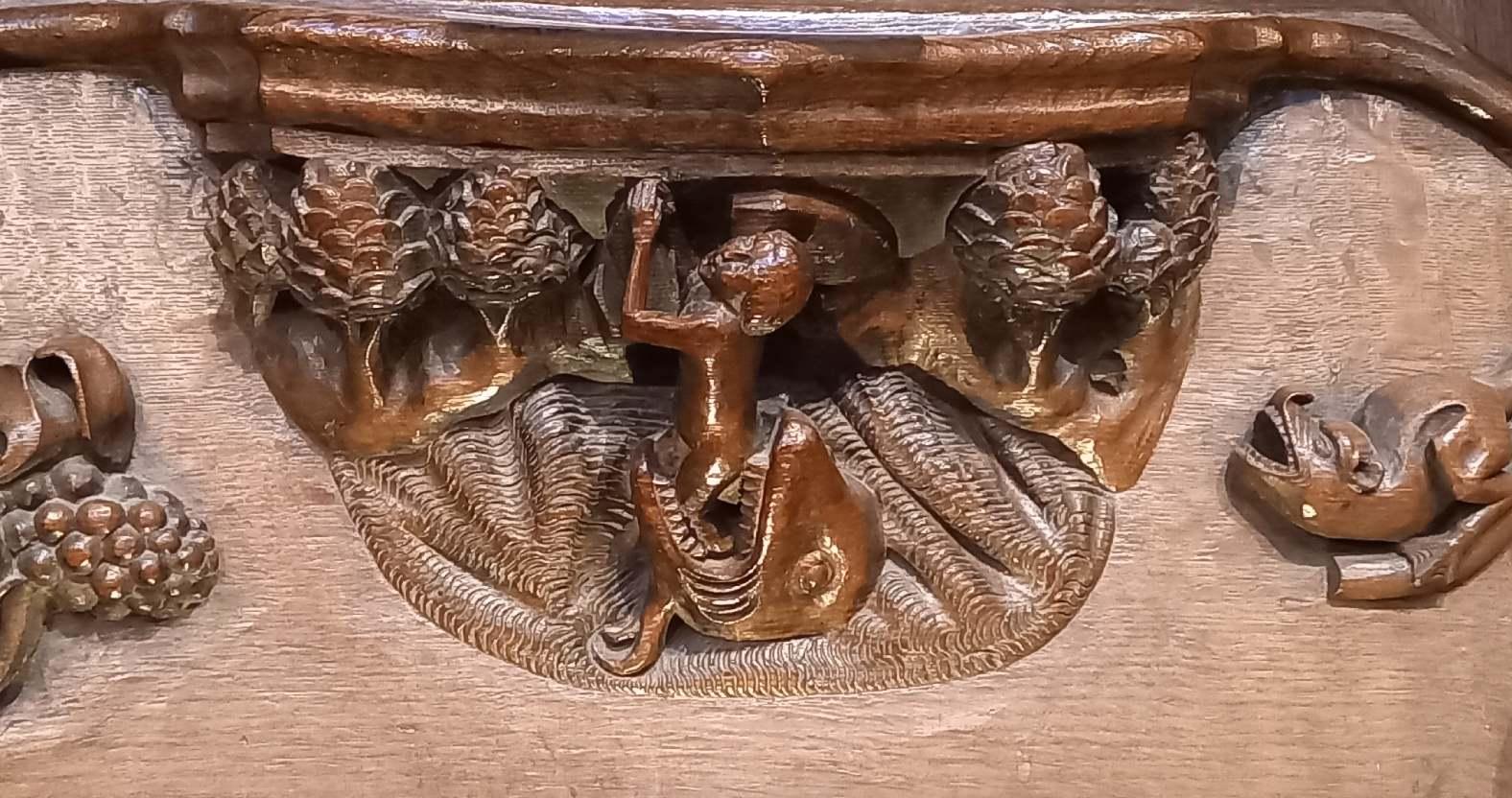
4. Misericord carving, Ripon Cathedral
This wonderful carving is one of 34 misericords in Ripon Cathedral, that were created between 1489 and 1494.
It shows a man being swallowed by a fish, which suggests the biblical tale of Jonah. He was the prophet who, after disobeying God's command to preach in Nineveh, was thrown overboard a ship during a storm and swallowed by a "great fish", often interpreted as a whale.
He supposedly survived inside the fish for three days and nights, praying for forgiveness before it vomited him onto dry land – at which point he obediently made his way to Nineveh.
But there is a problem with this interpretation of the carving, and it has to do with the purpose of the misericord.
In pre-Reformation England, when all churches were still Catholic, churches observed the daily divine offices – prayers at set times throughout the day – and the clergy were expected to remain standing throughout.
Misericords – literally 'pity of the heart' – are little perches that allowed clergymen to take the weight of their feet without fully sitting. Because they come into contact with backsides, it was not considered appropriate for them to feature sculptures portraying religious motifs, so instead you get figures and scenes from secular life.
This suggests that, since Jonah is a biblical figure, the carving does not depict him. But who else it might represent is open to interpretation.
Too easy or too difficult? Let us know what you think of our quiz by contacting us at letters@thestrayferret.co.uk.
Please do send us tricky pics of the area that we can include – and we'll credit your contribution. Thank you!
0