Thank you for your interest in this story
To continue reading this article, subscribe to the Stray Ferret for as little as £1 a week
Already a subscriber? Log in here.
22
Mar 2025
Sunday Picture Quiz Answers: March 22
Here are the answers to this week's Sunday Picture Quiz. How well did you do?
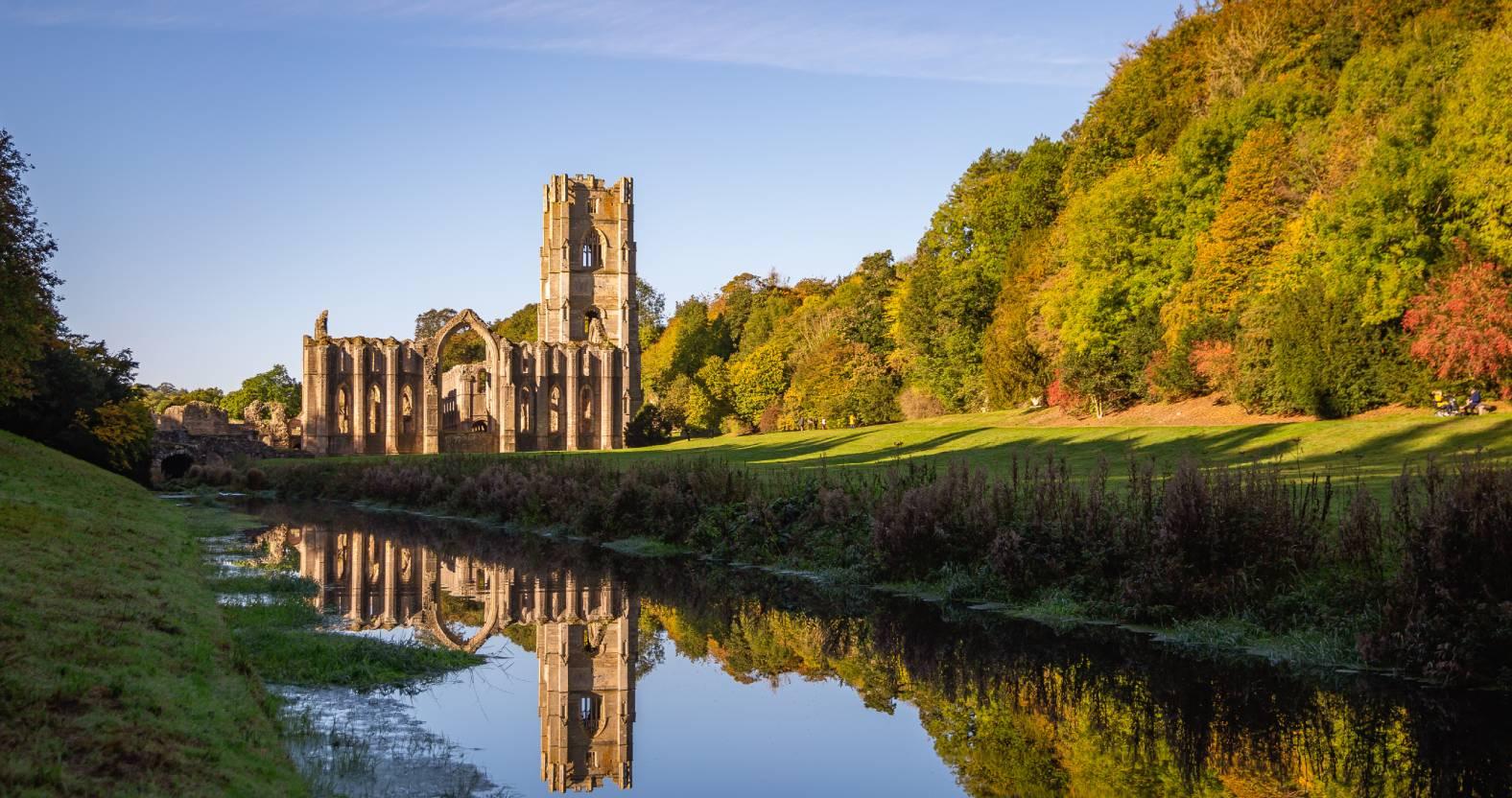
Photo: J Shepherd.
1. Fountains Abbey
An easy one to start off with. Fountains Abbey was built in an enclosed wooded valley three miles south-west of Ripon in the 1100s, when England was a Roman Catholic country.
At its height, about 100 years after its founding, it was home to about 400 Cistercian monks and 800 lay brothers.
Its commercial activities embraced farming, the wool trade, mining, quarrying, iron-smelting, fishing and milling, and it had vast lands across Nidderdale and Craven, as well as urban properties as far afield as Boston in Lincolnshire.
It was weakened in the 14th century, first by the invading Scots and then by the Black Death, which killed many of the lay brothers, whose manpower was essential to its economy.
Nevertheless, by the time of the Dissolution of the Abbeys under Henry VIII in 1539, it was the richest Cistercian monastery in England.
Now owned by the National Trust, it has for the last 40 years been designated a World Heritage Site by UNESCO.
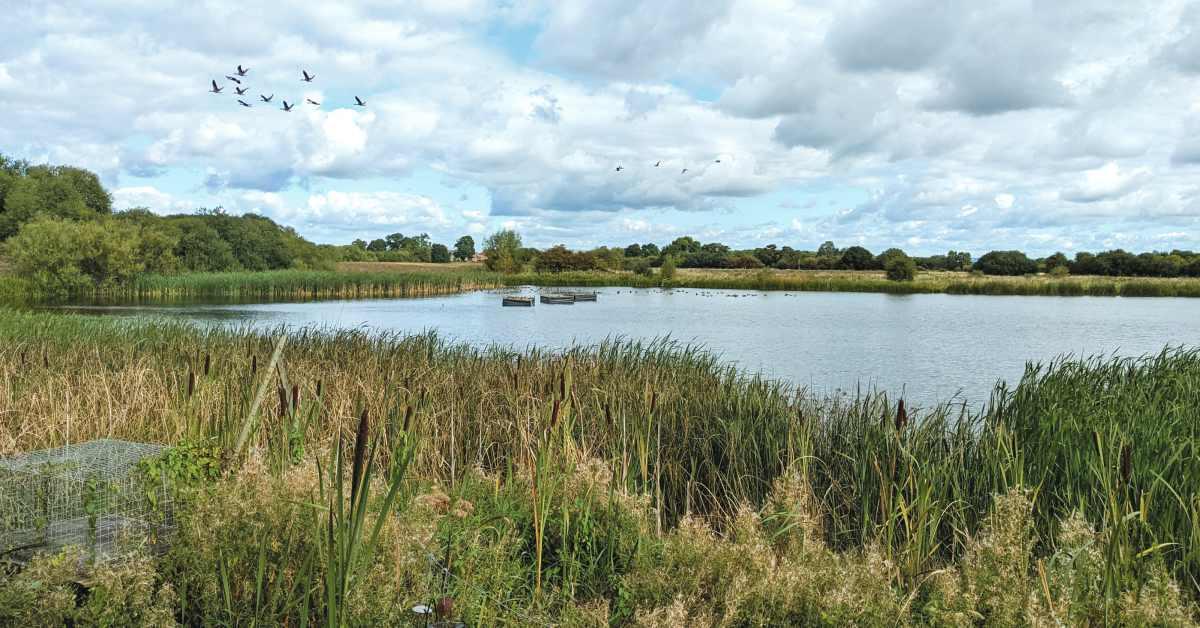
2. Staveley Nature Reserve
This lovely spot three miles north of Knaresborough shows how much can be done with an unpromising site. Originally a gravel quarry, these 79 hectares have been brought back to life under the auspices of the Yorkshire Wildlife Trust, and there have been recorded sightings of 19 species of dragonfly and a staggering 212 species of bird.
There are mammals too – Hebridean sheep and Highland cattle graze the land throughout the year, and otters have also been spotted.
Access is free, but dogs must be kept on a lead.
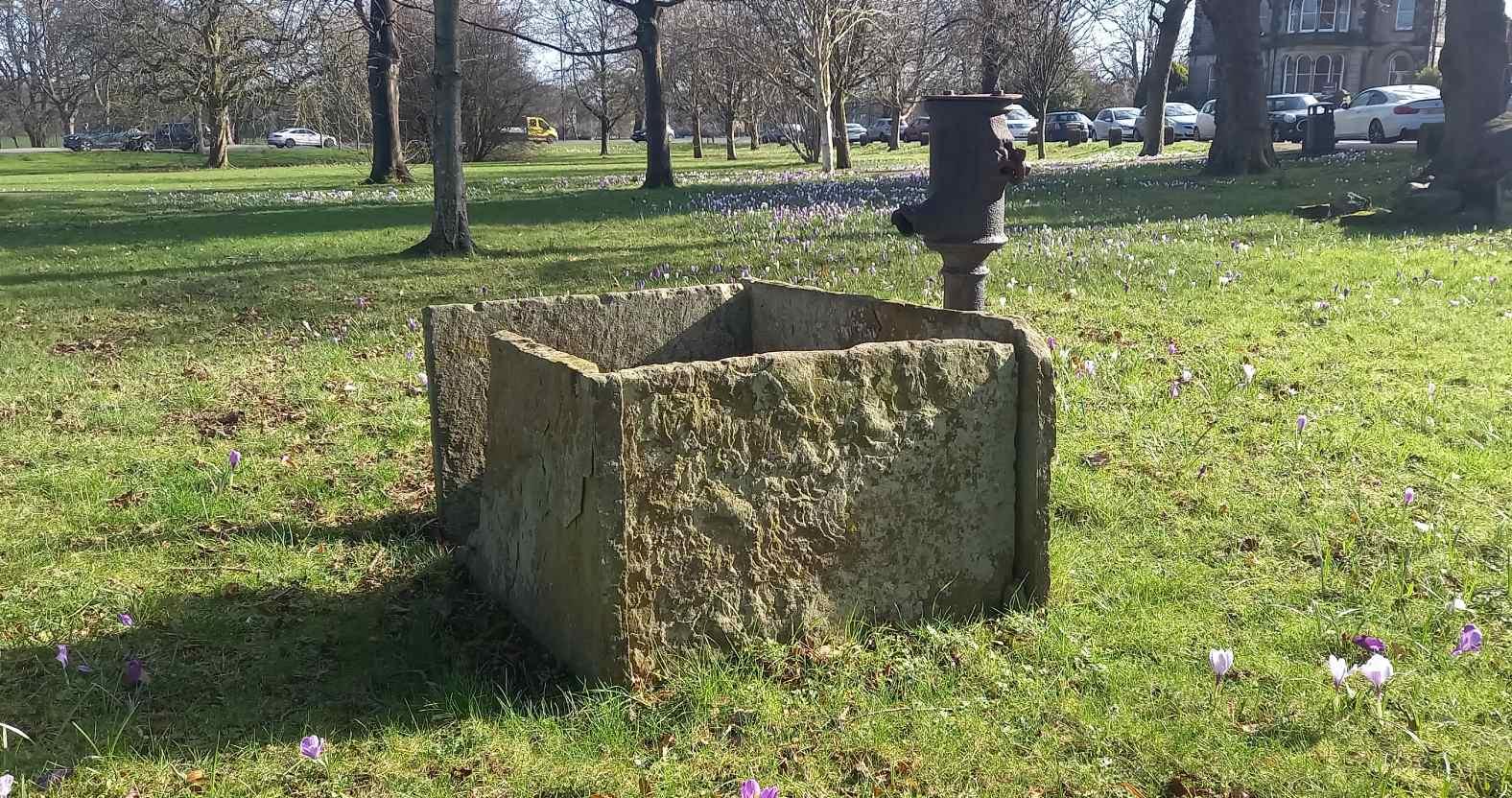
3. Old pump on the Stray, Harrogate
This old pump and trough are almost all that remains of Harrogate's first railway station.
Brunswick railway station was built on the site of Trinity Methodist Church, in 1848 by the York and North Midland Railway.
It didn't last long. Once a station was built between High and Low Harrogate – what is now Harrogate town centre – Brunswick became obsolete, and it closed in 1862. Trinity church was built on the site 14 years later.
Incidentally, the station was named after the nearby Brunswick Hotel, which was itself was named after the Duke of Brunswick. Brunswick, though, is not a place in England – it's the historical English name for Braunschweig, a city in northern Germany.
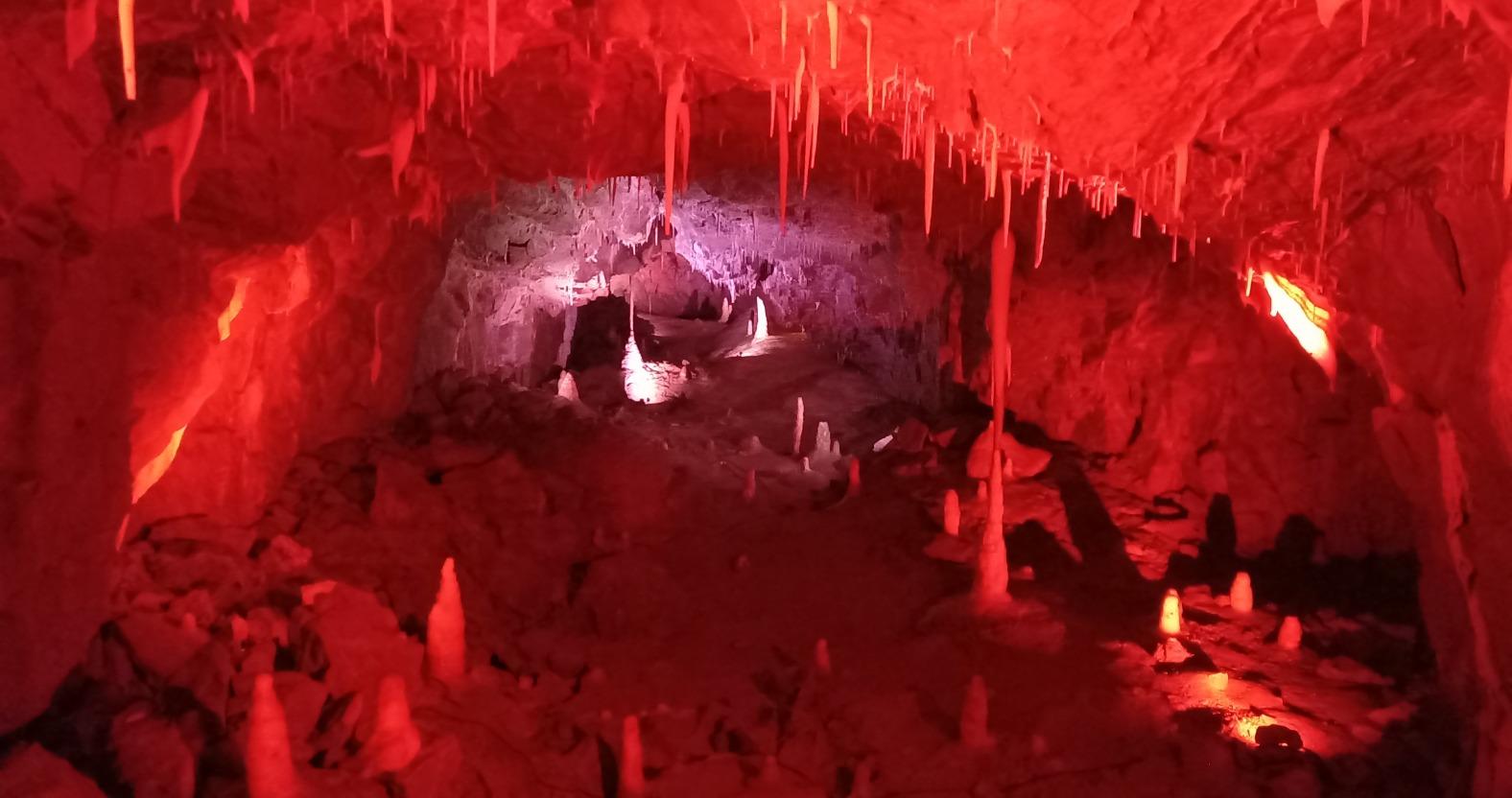
4. Stump Cross Caverns
First discovered by lead miners in about 1860, this limestone cave system lies beneath Craven Moor, on the saddle of land between Nidderdale and Wharfedale.
The caverns, many of them filled with impressive stalactites and stalagmites, are thought to have been formed half a million years ago and are now considered a Site of Special Scientific Interest.
Bones found in the caves give a glimpse of life in Ice Age Britain, and include reindeer, wolverine and bison. You can read more about what Yorkshire looked like when these animals lived in the area here.
Too easy or too difficult? Let us know what you think of our quiz by contacting us at letters@thestrayferret.co.uk.
Please do send us tricky pics of the area that we can include – and we'll credit your contribution. Thank you!
0