Thank you for your interest in this story
To continue reading this article, subscribe to the Stray Ferret for as little as £1 a week
Already a subscriber? Log in here.
17
May 2025
Sunday Picture Quiz Answers: May 17
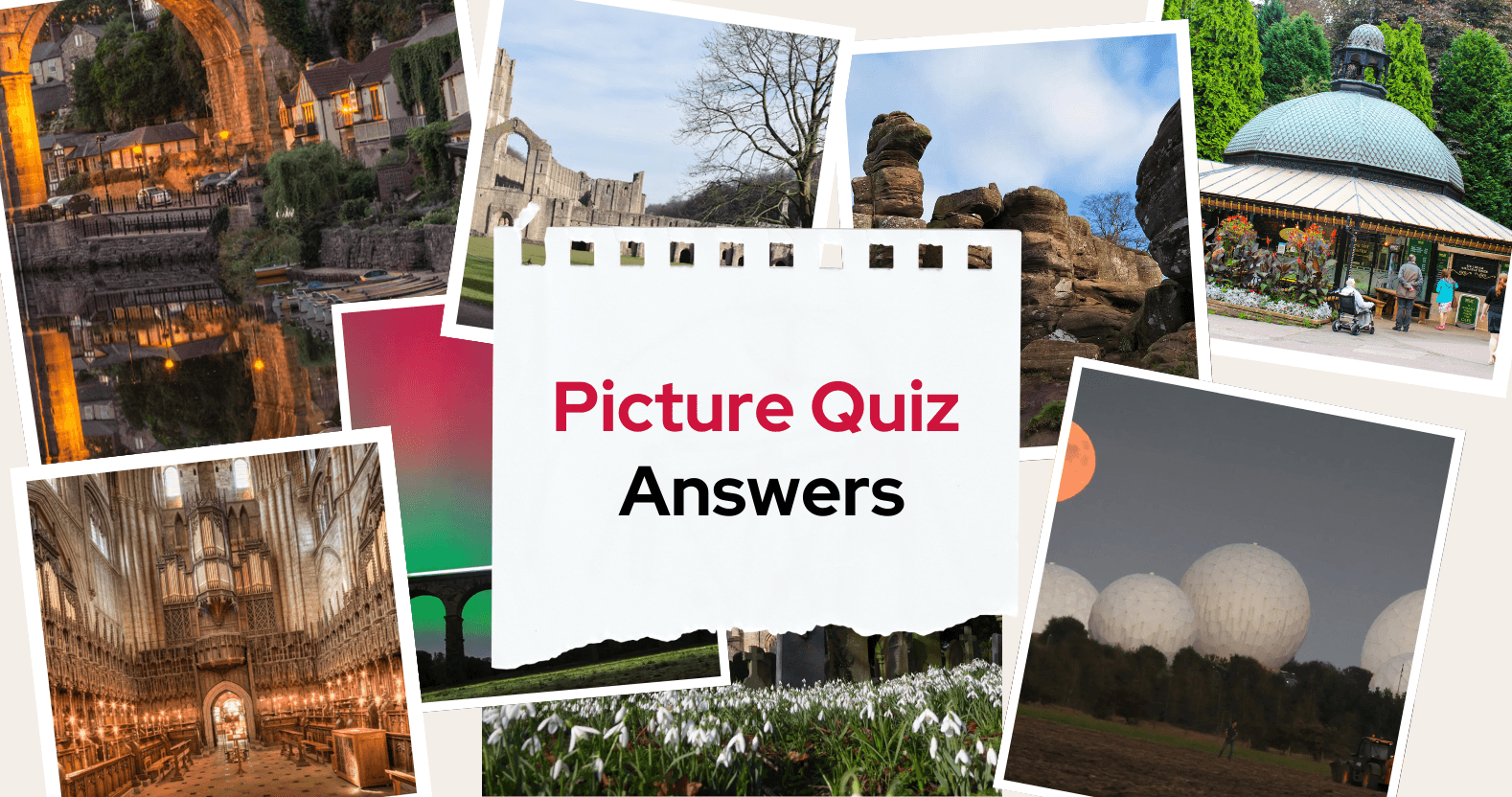
Here are the answers to this week's Sunday Picture Quiz. How well did you do?
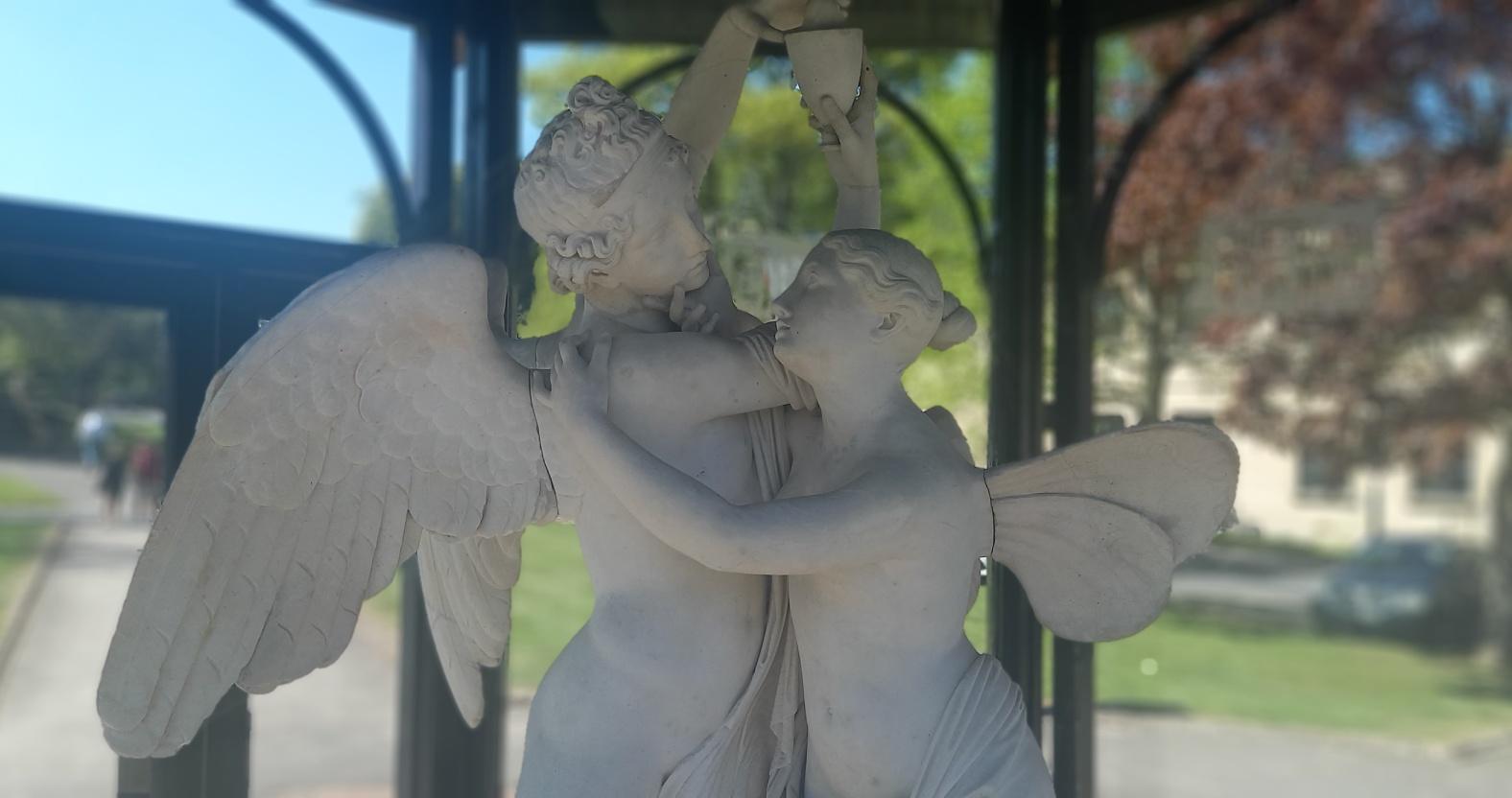
1. The statue of Cupid and Psyche, Crescent Gardens, Harrogate
This statue, by Italian sculptor Giovanni Benzoni, was bought in 1862 by a syndicate of Harrogate businessmen and displayed in the gardens of the Spa Room Estate, where the Convention Centre now stands.
When the gardens closed in 1958 for the development of the exhibition halls, the sculpture was put into storage. In 1989 it was rediscovered, restored and put on display in this glass pavilion in 1992.
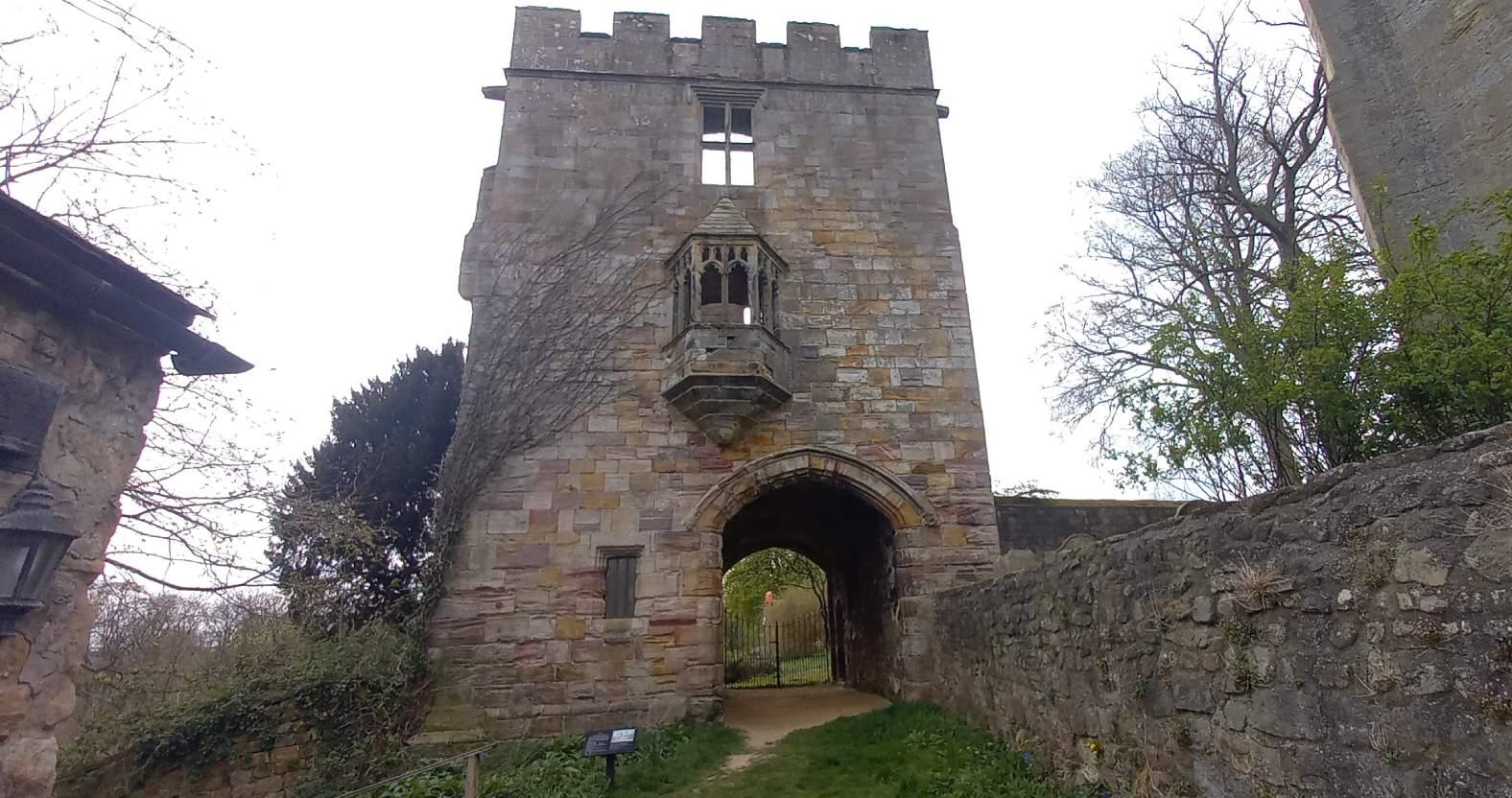
2. The Marmion Tower, West Tanfield
This imposing 15th-century structure near Masham was originally the gatehouse for a now-vanished manor house in West Tanfield. The mini-castle wasowned by the knight John Marmion. He received a royal licence to crenellate, or fortify, his house in 1314, but this gatehouse was probably built at least a century later.
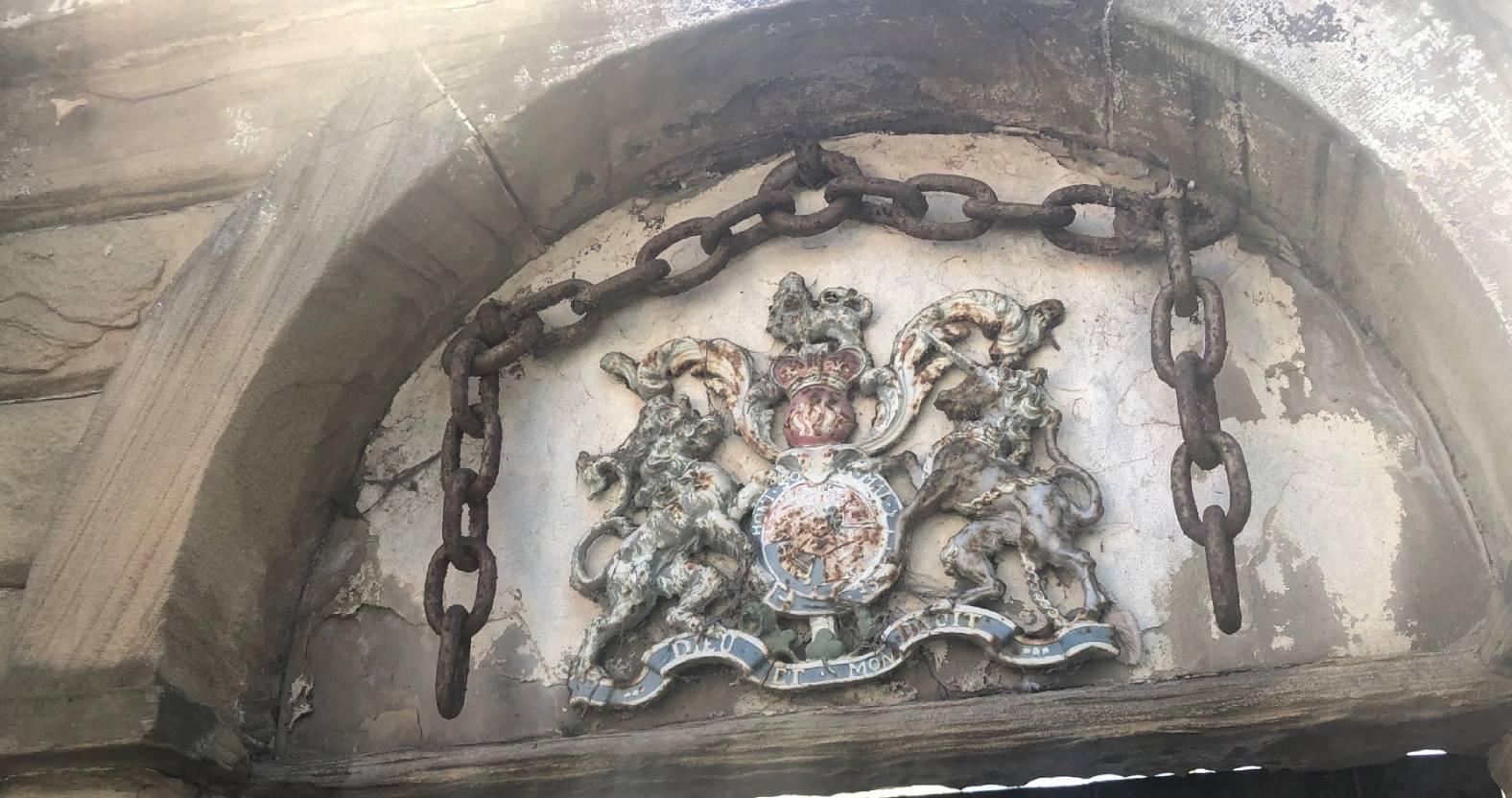
3. The crest above the gate to the former House of Correction, Ripon
After the passing of the Poor Law in 1601, Houses of Correction were established to punish and reform people convicted of minor offences, such as petty theft, vagrancy, prostitution, and disorderly conduct.
The original House of Correction in Ripon was established in 1684, but in 1816, it was incorporated into the newly built Ripon Liberty Prison, which is now the Ripon Prison & Police Museum.
The nine ground-floor cells held up to 18 prisoners, who would be sentenced to hard labour, whilst the cells on the first floor were used to hold debtors.
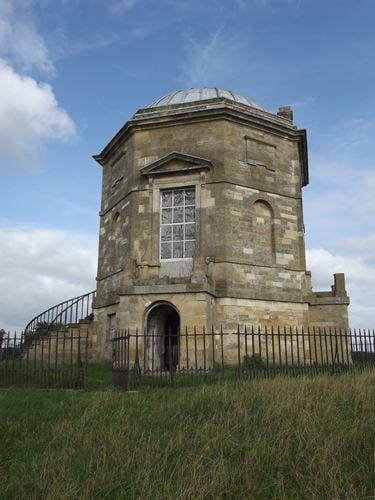
Photo: Historic England.
4. The Temple of Victory at Allerton Park
This octagonal Grade II* listed building east of Knaresborough was built in the Palladian style in around 1760-70. The estate was once owned by Frederick, Duke of York, and tradition has it that the hill the temple stands on is the one referred to in the nursery rhyme The Grand Old Duke of York, who had 10,000 men and "marched them up to the top of the hill and he marched them down again".
Too easy or too difficult? Let us know what you think of our quiz by contacting us at letters@thestrayferret.co.uk.
Please do send us tricky pics of the area that we can include – and we'll credit your contribution. Thank you!
0