Thank you for your interest in this story
To continue reading this article, subscribe to the Stray Ferret for as little as £1 a week
Already a subscriber? Log in here.
31
May 2025
Sunday Picture Quiz Answers: May 31
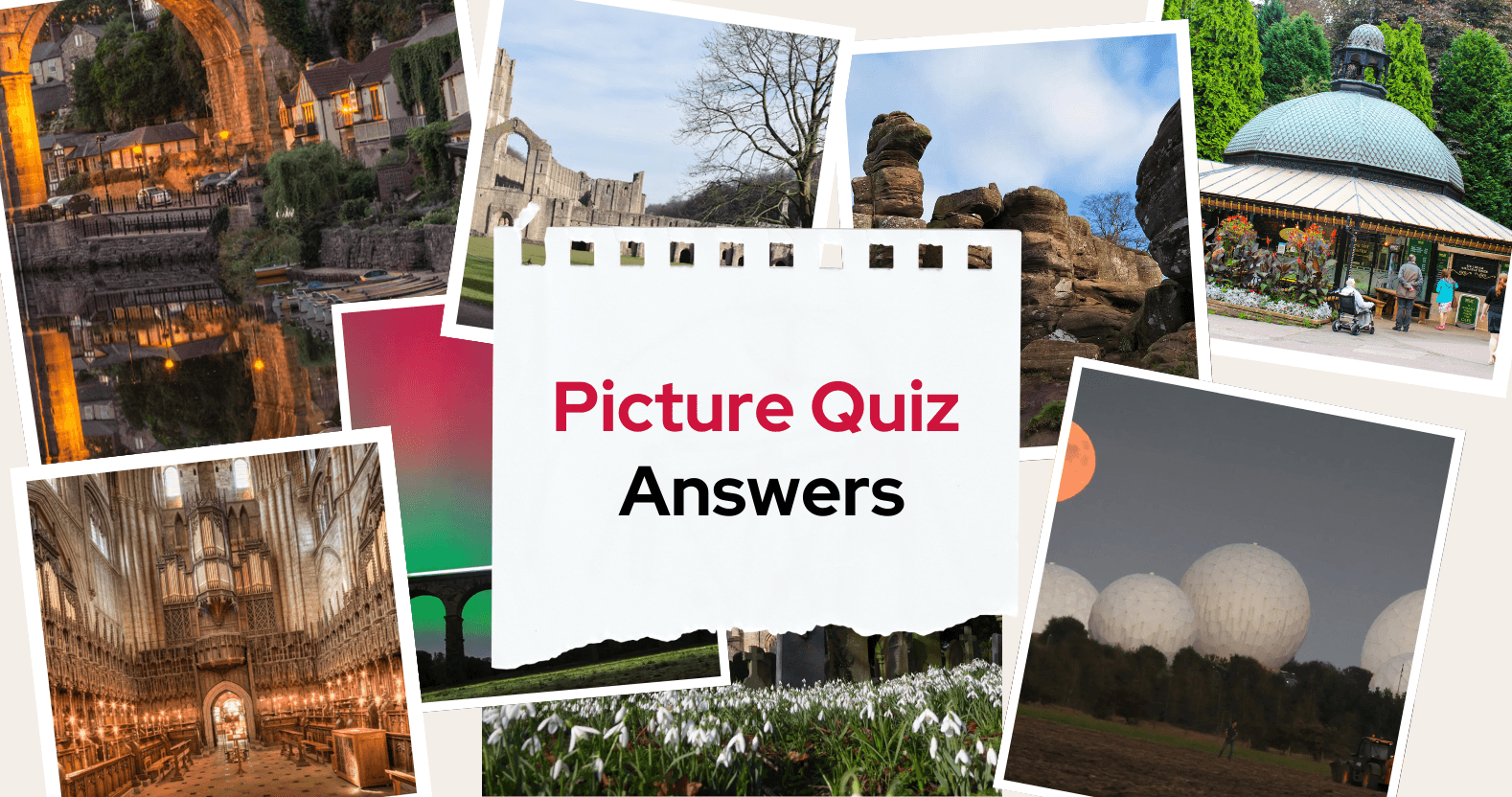
Here are the answers to this week's Sunday Picture Quiz. How well did you do?
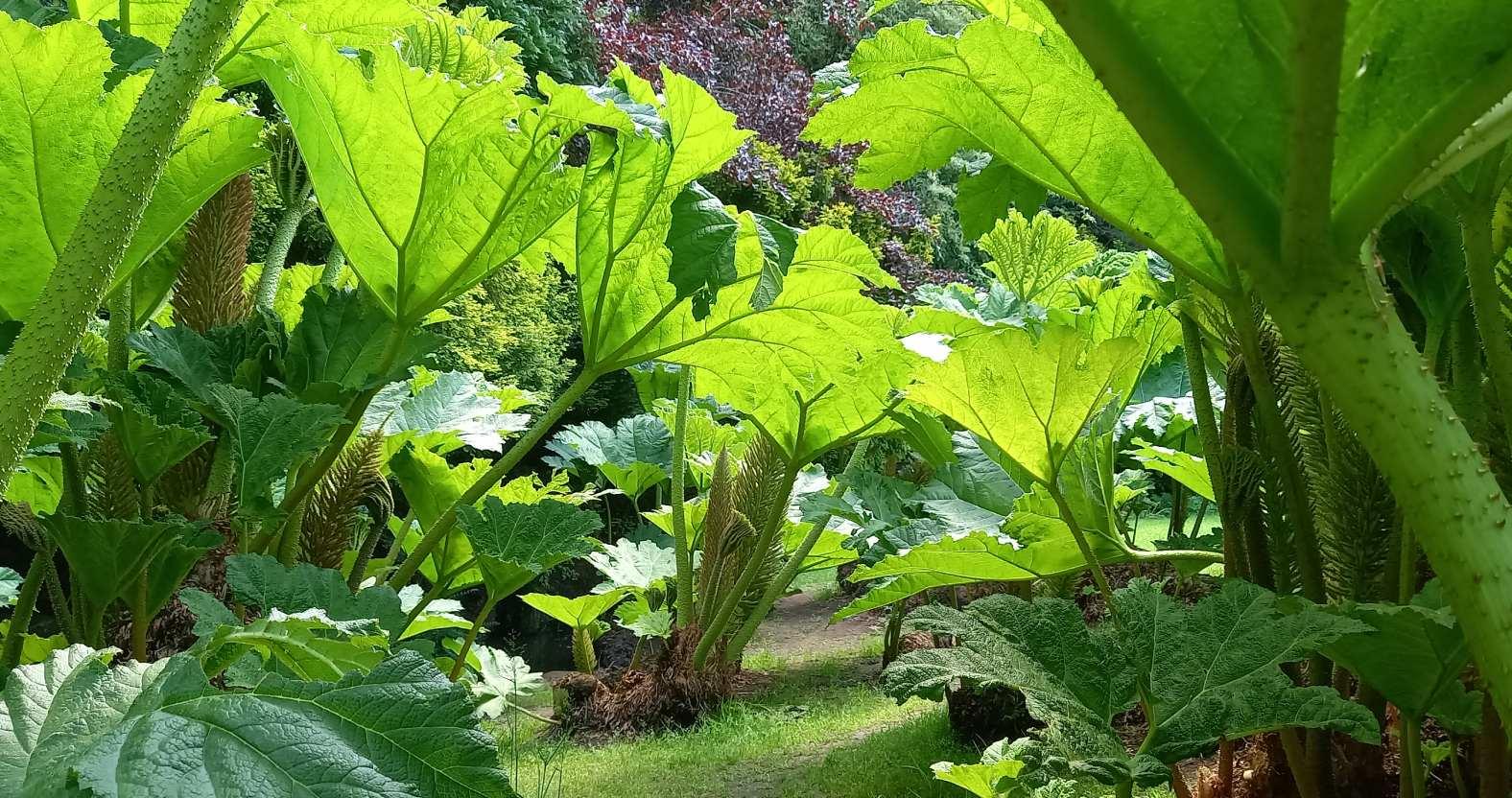
1. Gunnera, the Valley Gardens, Harrogate
For any child growing up in Harrogate, the massive leaves and thorny stems of the Gunnera manicata are one of the best things about the Valley Gardens.
It looks rather primeval – it's sometimes even called 'dinosaur food' – and with leaves growing as tall as 10 feet high, it's big enough to make anyone, child or adult, feel like T-rex prey.
The plant, which is native to Brazil, thrives in damp places, and its shady spot by the beck is ideal. Amazingly, it grows this big from scratch every summer, and dies right back when the weather turns cold.
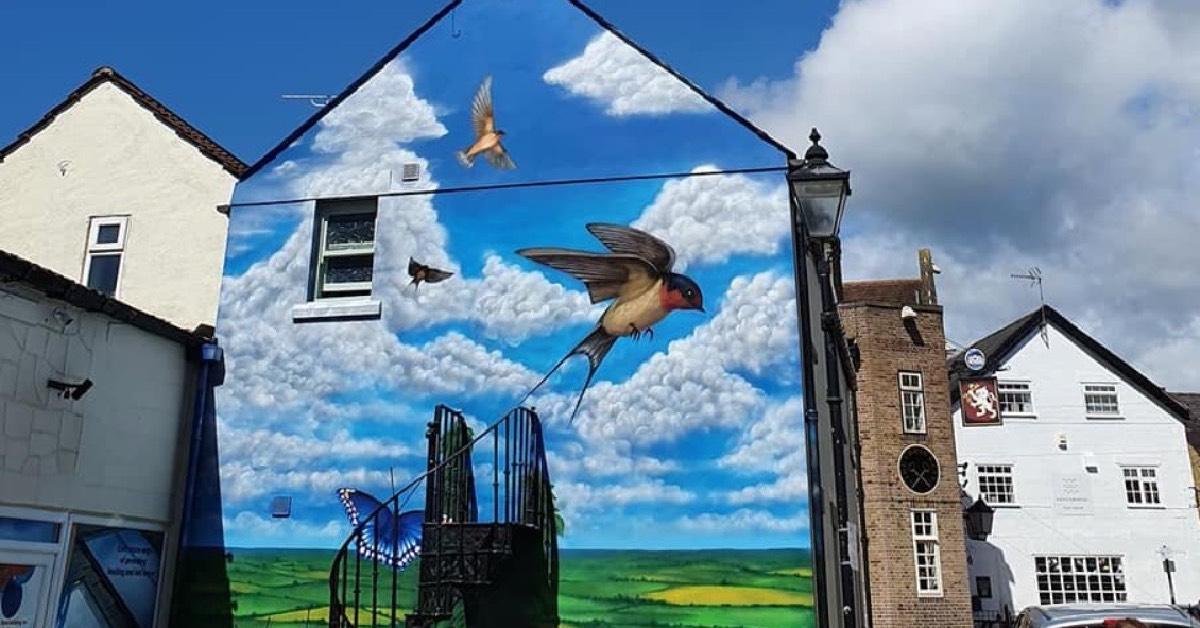
Image: Sam Porter/Mural Minded
2. Mural, Cheapside, Knaresborough
This stunning painting is one of many around the district painted by Starbeck-based artist Sam Porter of Mural Minded.
He's also the creative talent behind the murals on Cross James Street in Harrogate and on the side of the Half Moon pub in Knaresborough, as well as many others.
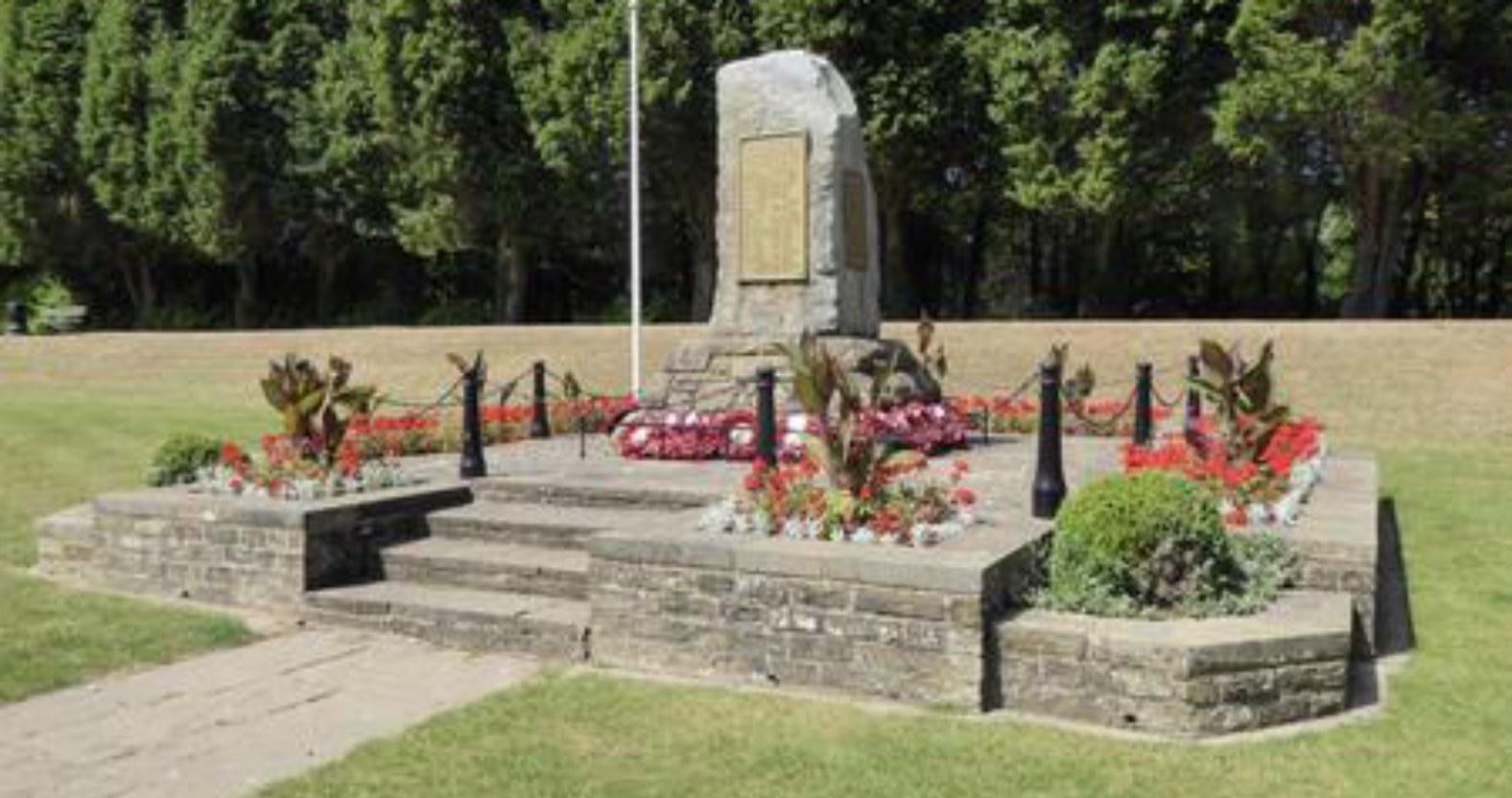
3. War memorial, Pateley Bridge
This rough-hewn stone of remembrance stands on Pateley's recreation ground and bears four brass plaques embossed with the names of hundreds of local men who served in the First and Second World Wars.
They include 50 who were killed in the Great War and 12 who lost their lives in the last world war.
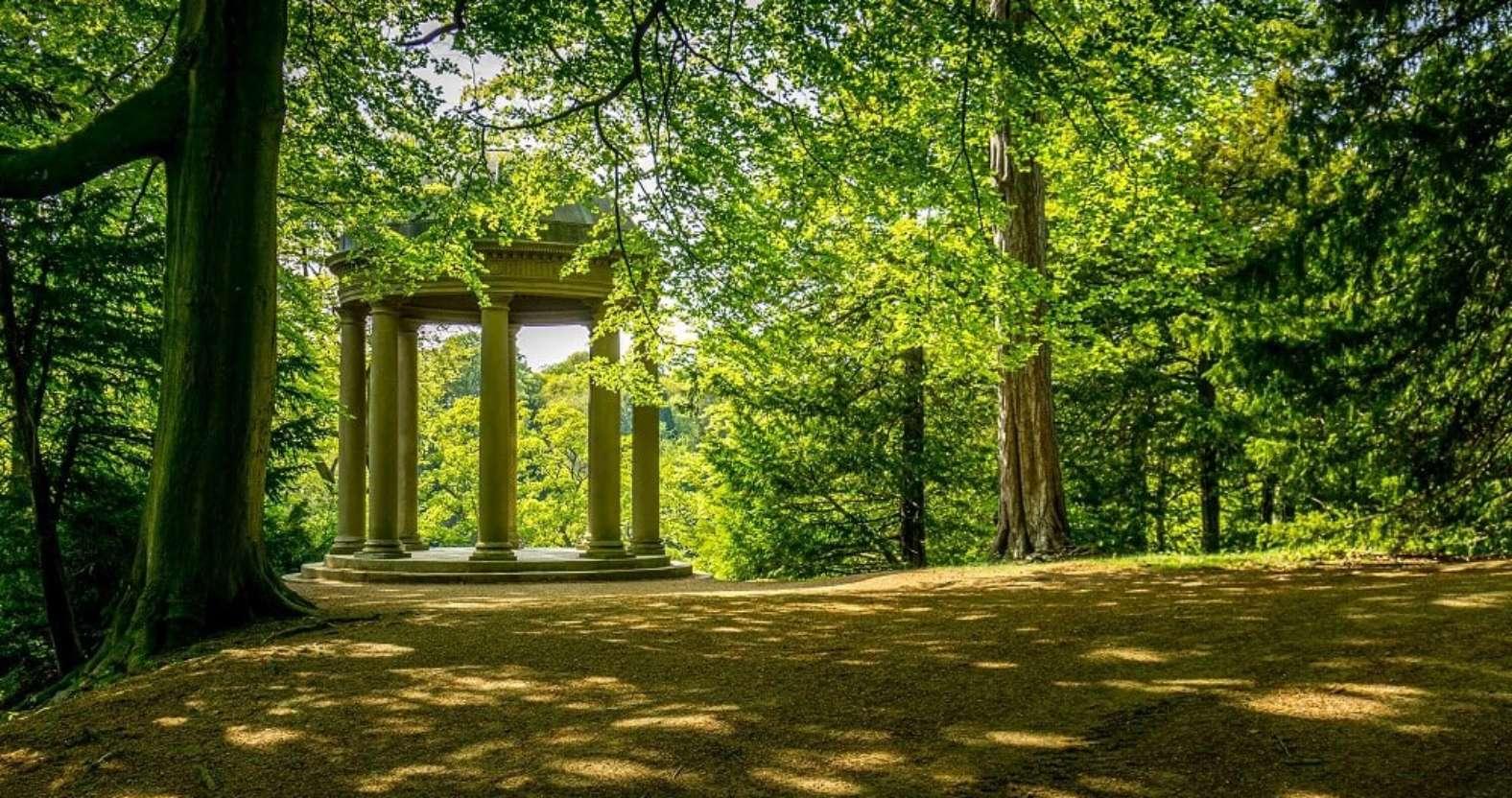
4. Temple of Fame, Fountains Abbey
The grade II listed Temple of Fame is a rotunda first built in 1729 near the Banqueting House, and relocated to its current spot on the High Ride some decades later, with some design changes, such as a switch from ionic to doric columns. Speaking of which, those Classical-looking columns are not actually made of stone, but of painted wood.
Such follies became wildly fashionable in the 1700s, and there were no greater fans of them than Sir John Aislabie (a Chancellor of the Exchequer under George I) and his son William, who between them were responsible for Studley Royal's pleasure gardens.
Too easy or too difficult? Let us know what you think of our quiz by contacting us at letters@thestrayferret.co.uk.
Please do send us tricky pics of the area that we can include – and we'll credit your contribution. Thank you!
0