Thank you for your interest in this story
To continue reading this article, subscribe to the Stray Ferret for as little as £1 a week
Already a subscriber? Log in here.
01
Nov 2025
Sunday Picture Quiz Answers: November 1
Here are the answers to this week's Sunday Picture Quiz. How well did you do?
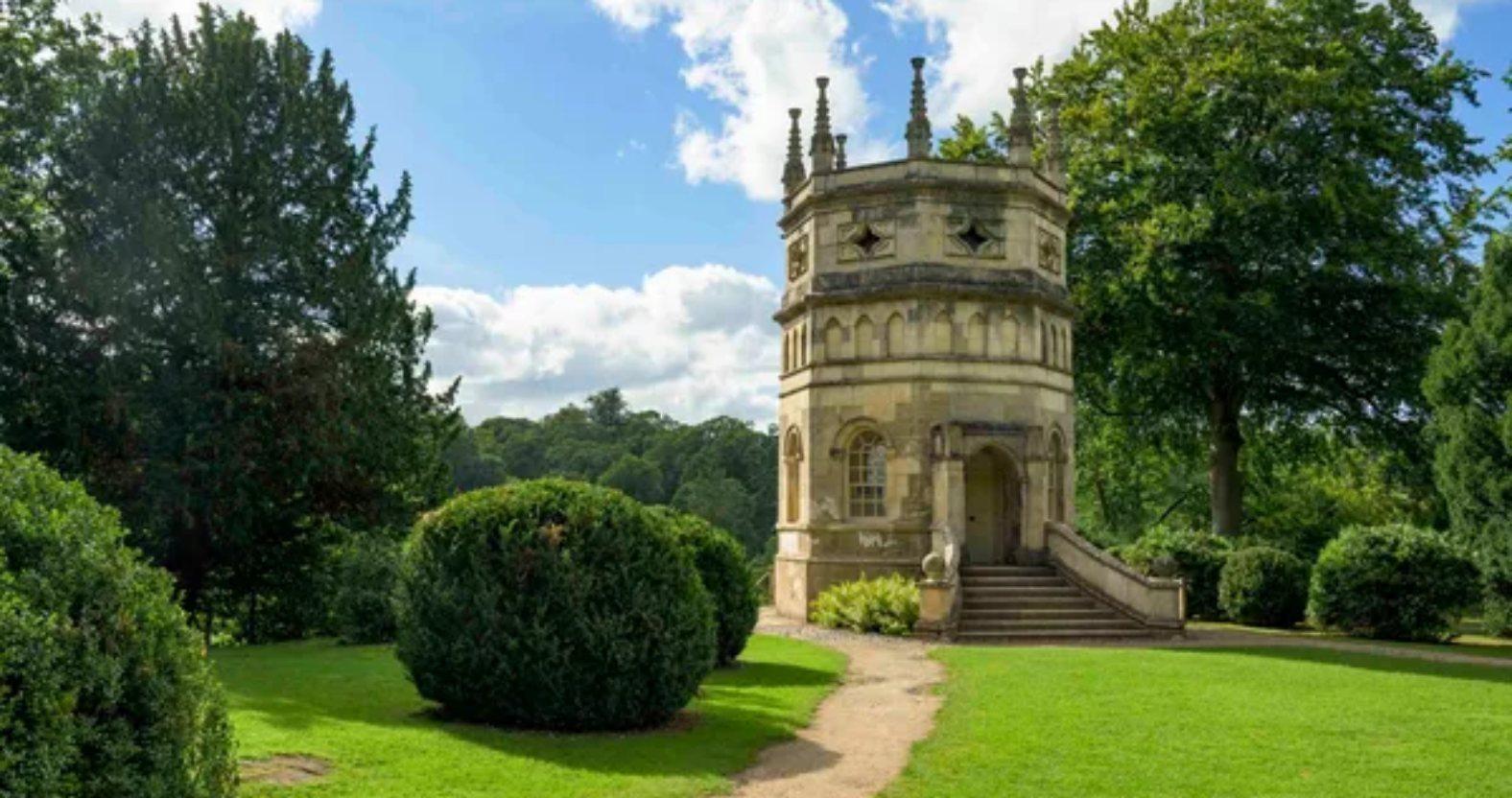
Photo: Visit North Yorkshire.
1. Octagon Tower, Fountains Abbey and Studley Royal
This two-storey Gothic tower stands on the western edge of Constitution Hill and was built in the mid-1730s.
It originally provided several vistas in different directions, and so was axial in providing an overview of the pleasure grounds that landowner John Aislabie created three centuries ago, but most of these views are now obscured by trees.
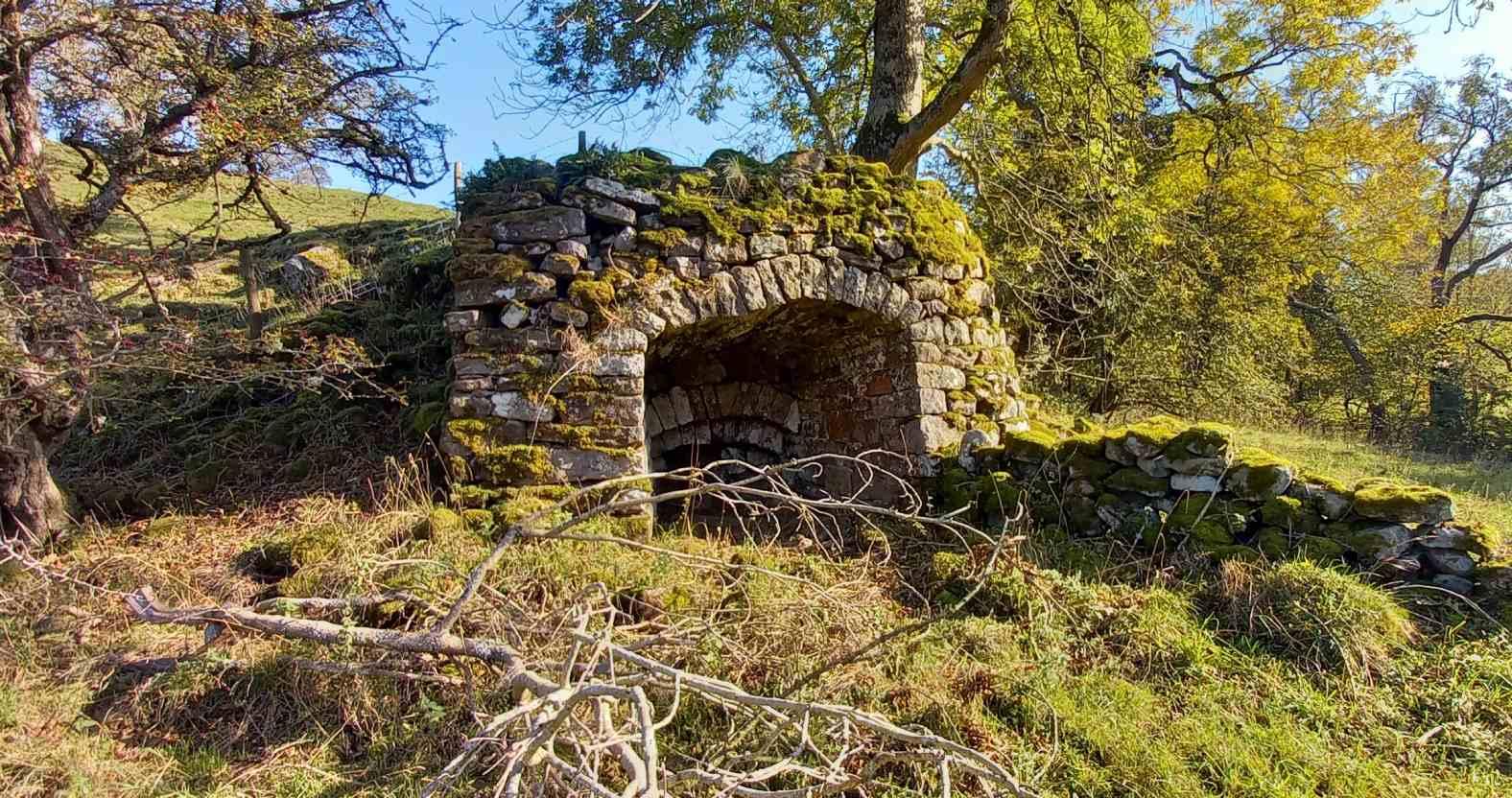
2. Abandoned lead mine, Nidderdale
This is a particularly fine example of an old lead mine entrance, just down the hill from Middlesmoor in upper Nidderdale.
Nidderdale's lead mining history dates back at least to the second century CE. Roman lead ingots were found here with imperial stamps dating from the reign of Emperor Trajan.
Demand for lead grew through the Middle Ages, and in the 15th century lead from Nidderdale was being exported as far afield as France, the Netherlands and Poland.
Lead production reached a peak in the 18th and 19th centuries, when Britain became the world's biggest producer. But by the turn of the 20th century the mines of the Yorkshire Dales could no longer compete with cheaper imports, and one by one they all closed.
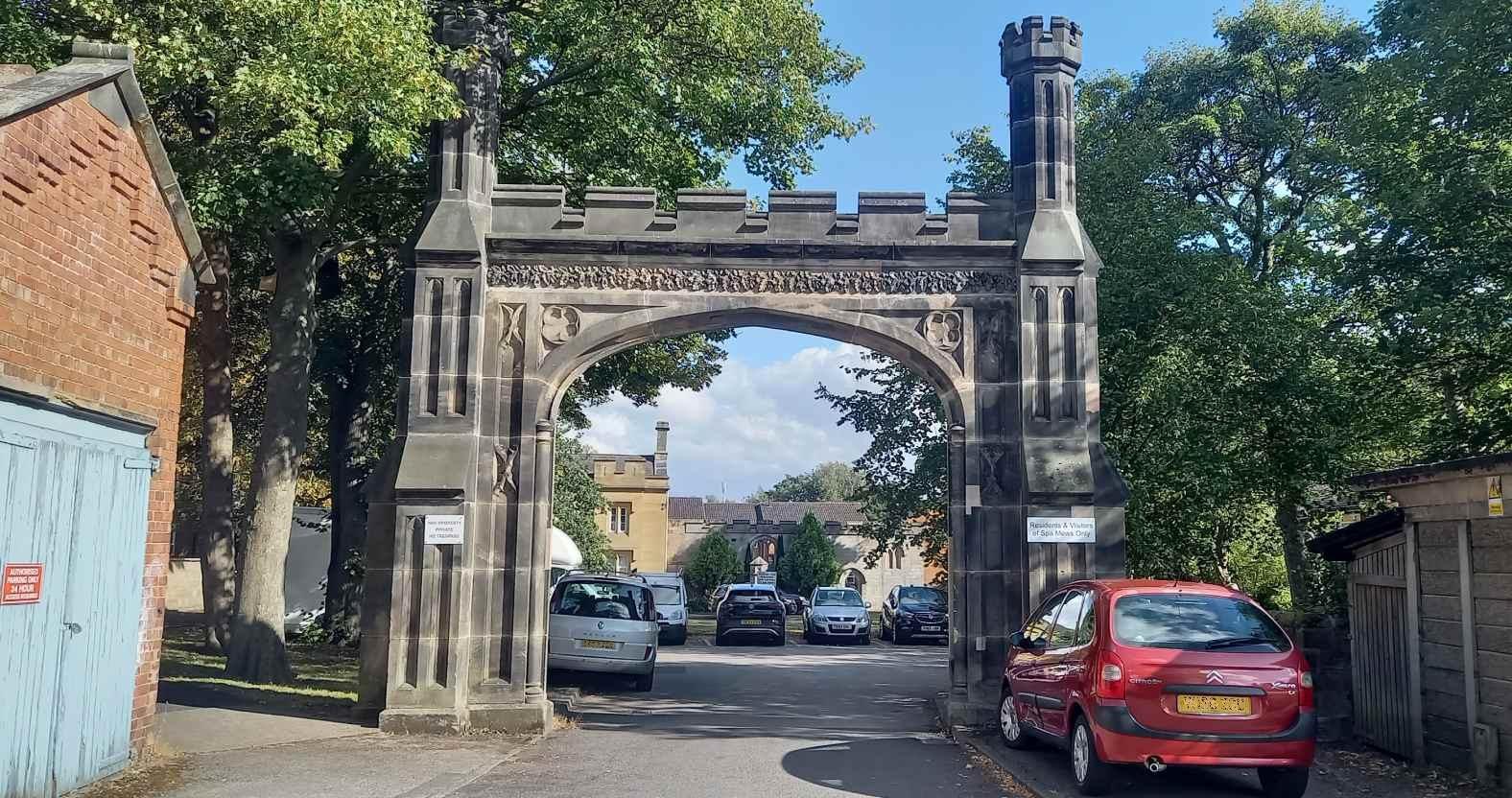
3. Gateway to Spa Mews, Starbeck
This imposing Grade II listed entrance to Spa Mews looks very Victorian, but its official listing describes it as early 19th-century, making it Georgian.
Whatever the truth of it, it is a very grand gateway, and that's because Spa Mews played an important role in Starbeck's development.
Built in 1824, it was originally home to the area's first public baths, Knaresborough Spa Baths, and was fed by two springs, one of mild sulphur water and the other, chalybeate (iron).
But in 1868 another sulphur spring was discovered nearby, and the Prince of Wales Baths was built around it in 1870. As a result, Knaresborough Spa Baths closed in 1890. The Prince of Wales Baths, on the other hand, is still going strong, but is now better known as Starbeck Swimming Pool.
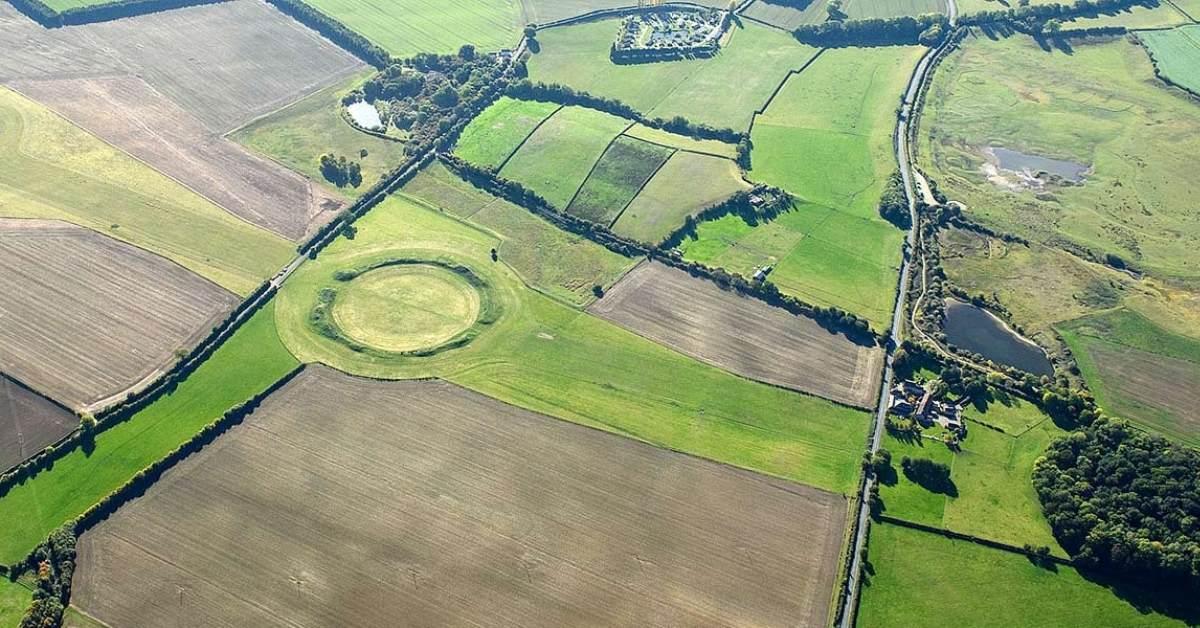
Photo: English Heritage.
4. Thornborough Henges
Situated north of Ripon, these three henges – ring-shaped banks and ditches – date from between 3500 and 2500 BC and have been called the 'Stonehenge of the North'.
They are connected by a 'cursus', or trackway, and are roughly aligned south-east to north-west – very similar to the alignment of the Devil's Arrows standing stones, 10 miles away to the south east.
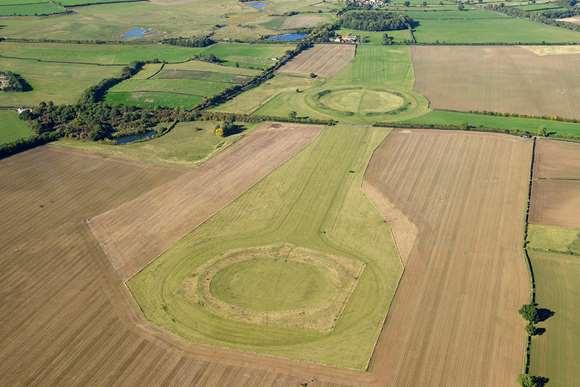
Photo: English Heritage.
English Heritage considers this ancient landscape to be the most important prehistoric site between Wiltshire and the Orkney Islands, and in 2024 acquired the final part of it so the site could be reunited under one owner for the first time in at least 1,500 years.
Too easy or too difficult? Let us know what you think of our quiz by contacting us at letters@thestrayferret.co.uk.
Please do send us tricky pics of the area that we can include – and we'll credit your contribution. Thank you!
0