Thank you for your interest in this story
To continue reading this article, subscribe to the Stray Ferret for as little as £1 a week
Already a subscriber? Log in here.
18
Oct 2025
Sunday Picture Quiz Answers: October 18

Here are the answers to this week's Sunday Picture Quiz. How well did you do?
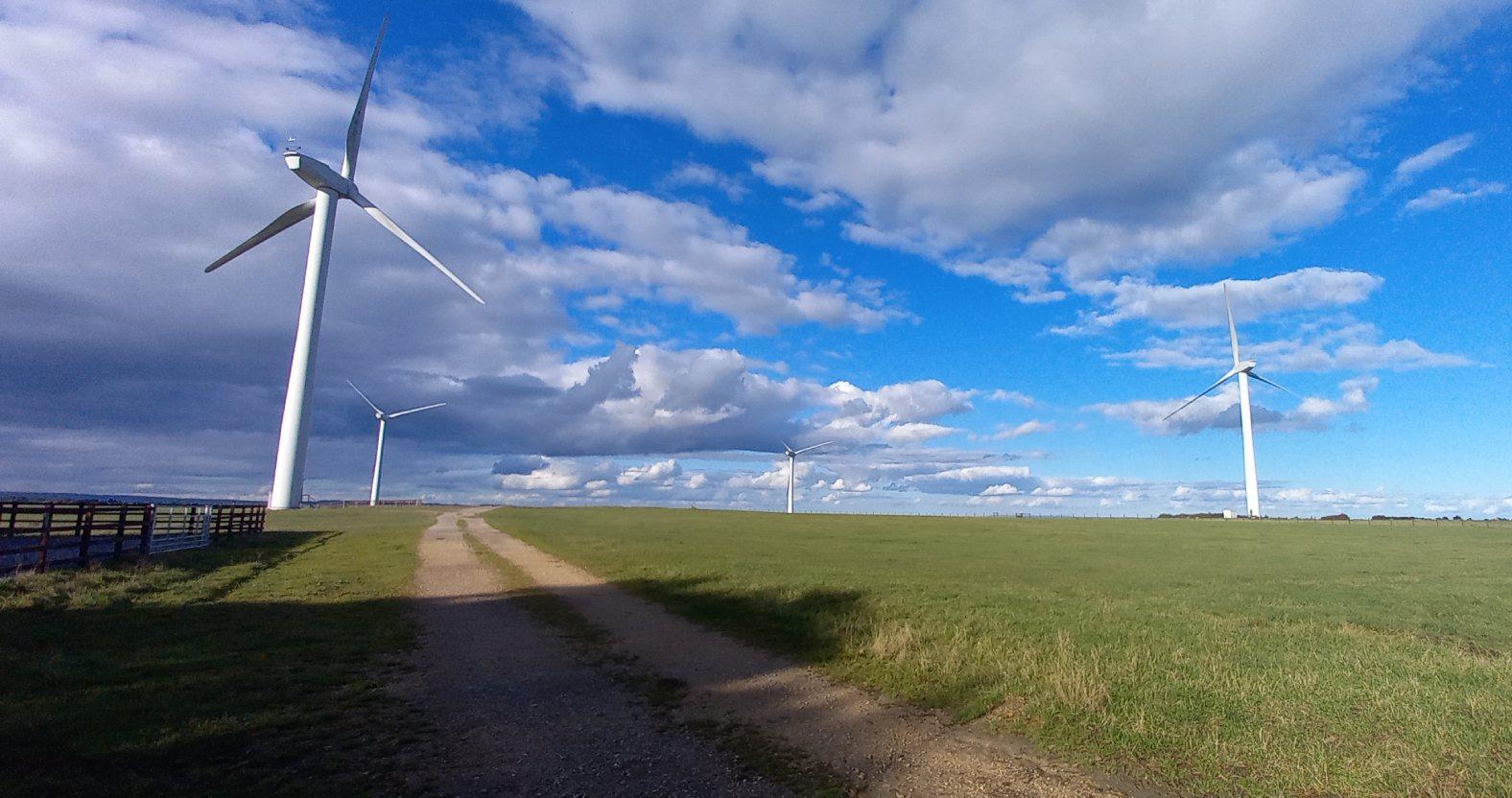
1. Knabs Ridge wind turbines, Harrogate
These eight turbines, installed in 2007-08, stand 93 metres (305 feet) high on a windswept plot near the Army Foundation College.
Each blade is 30-35 metres (98-114 feet) long and had to be carried to the site very long flatbed lorries.
The wind farm generates 16MW of power – enough to power 7,000 homes.
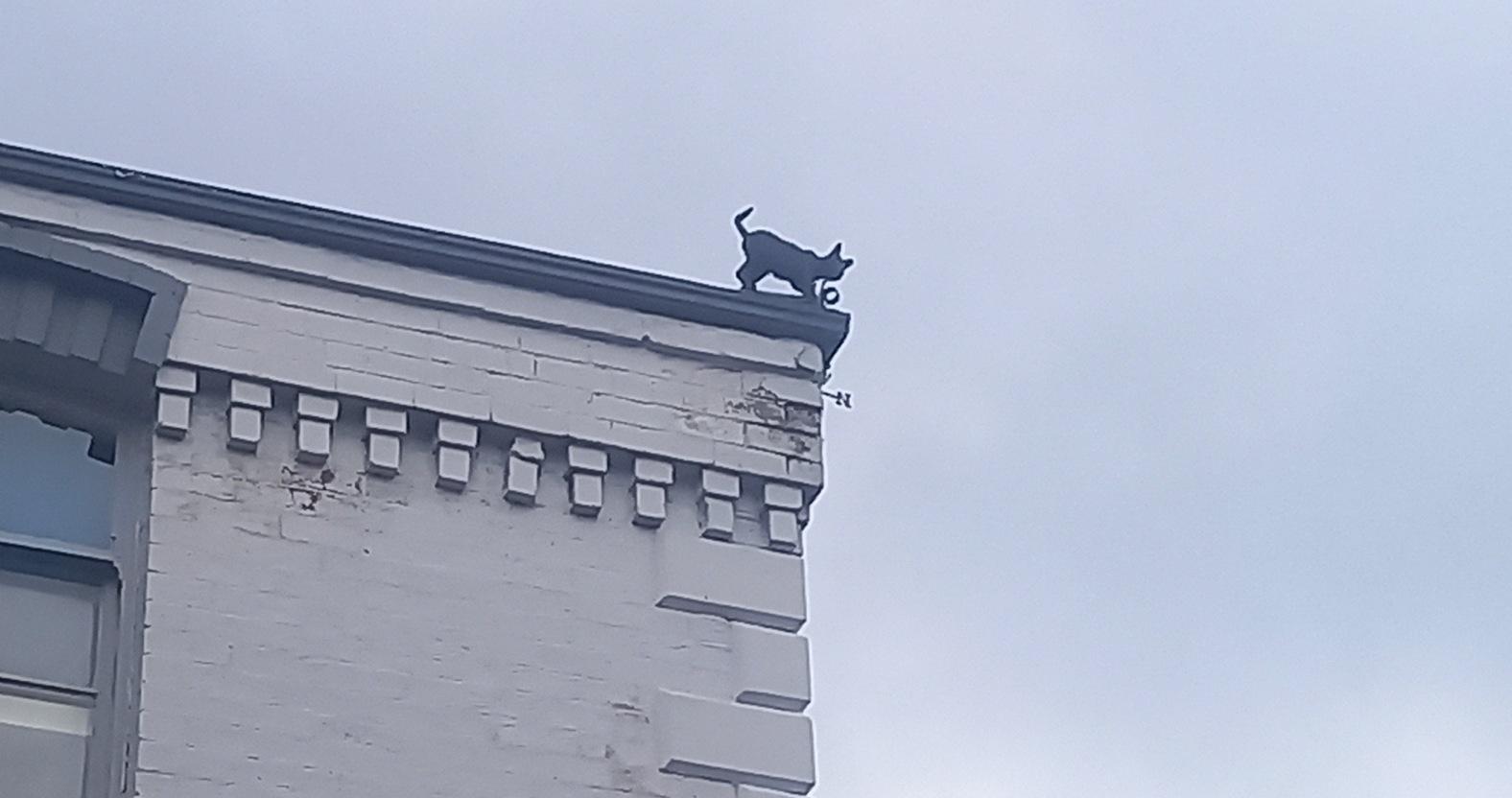
2. Black cat on the roof of the Market Tavern, Knaresborough
This cat perched on the roof of the Market Tavern on Castlegate is typical Knaresborough: cool, quirky and interesting.
We don't know much about it, though, so if any readers have the low-down on the high cat, please do get in touch and let us know!
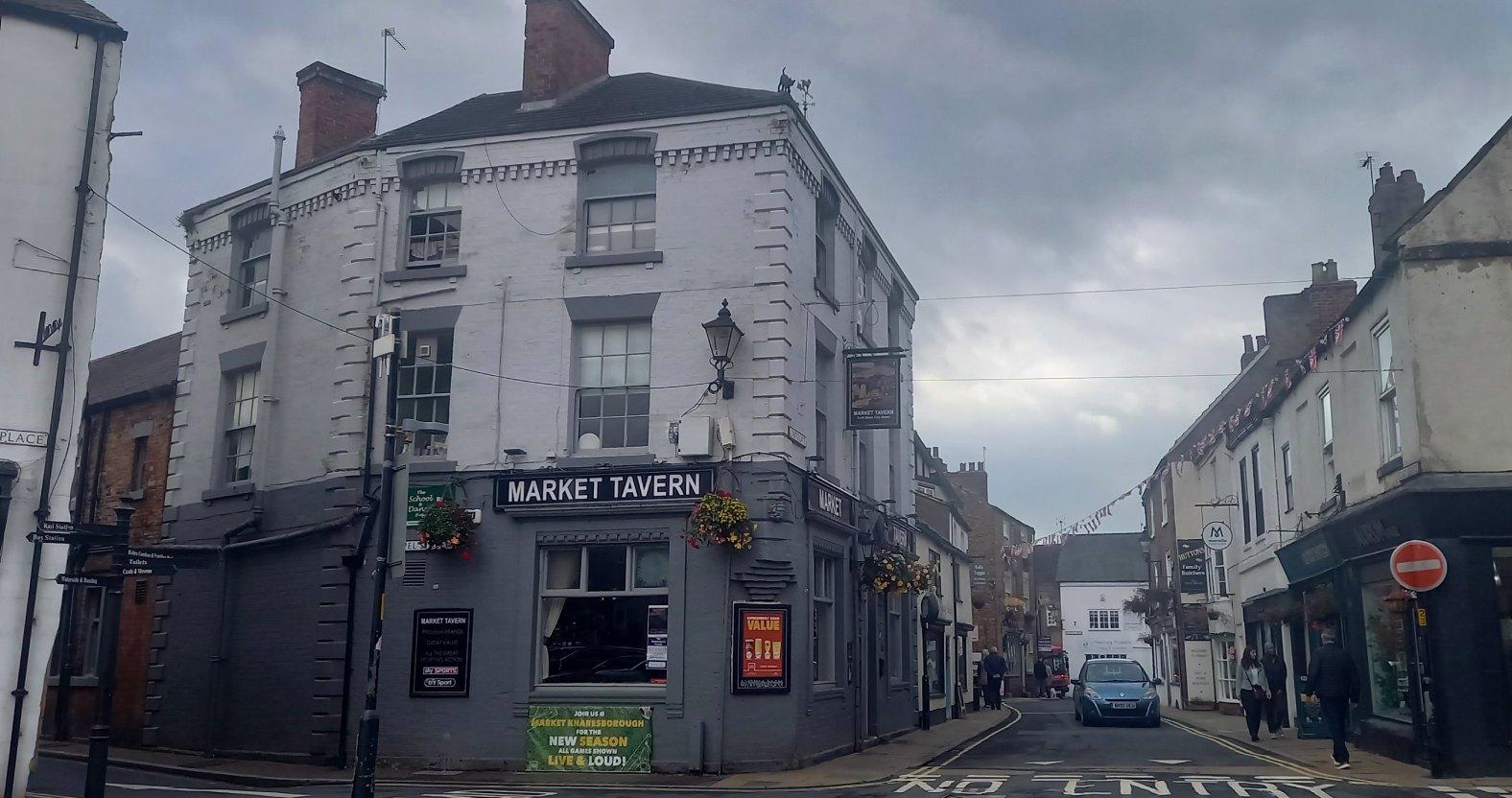
The Market Tavern in Knaresborough.
You can just about make out the cat on the pub roof in the photo above.
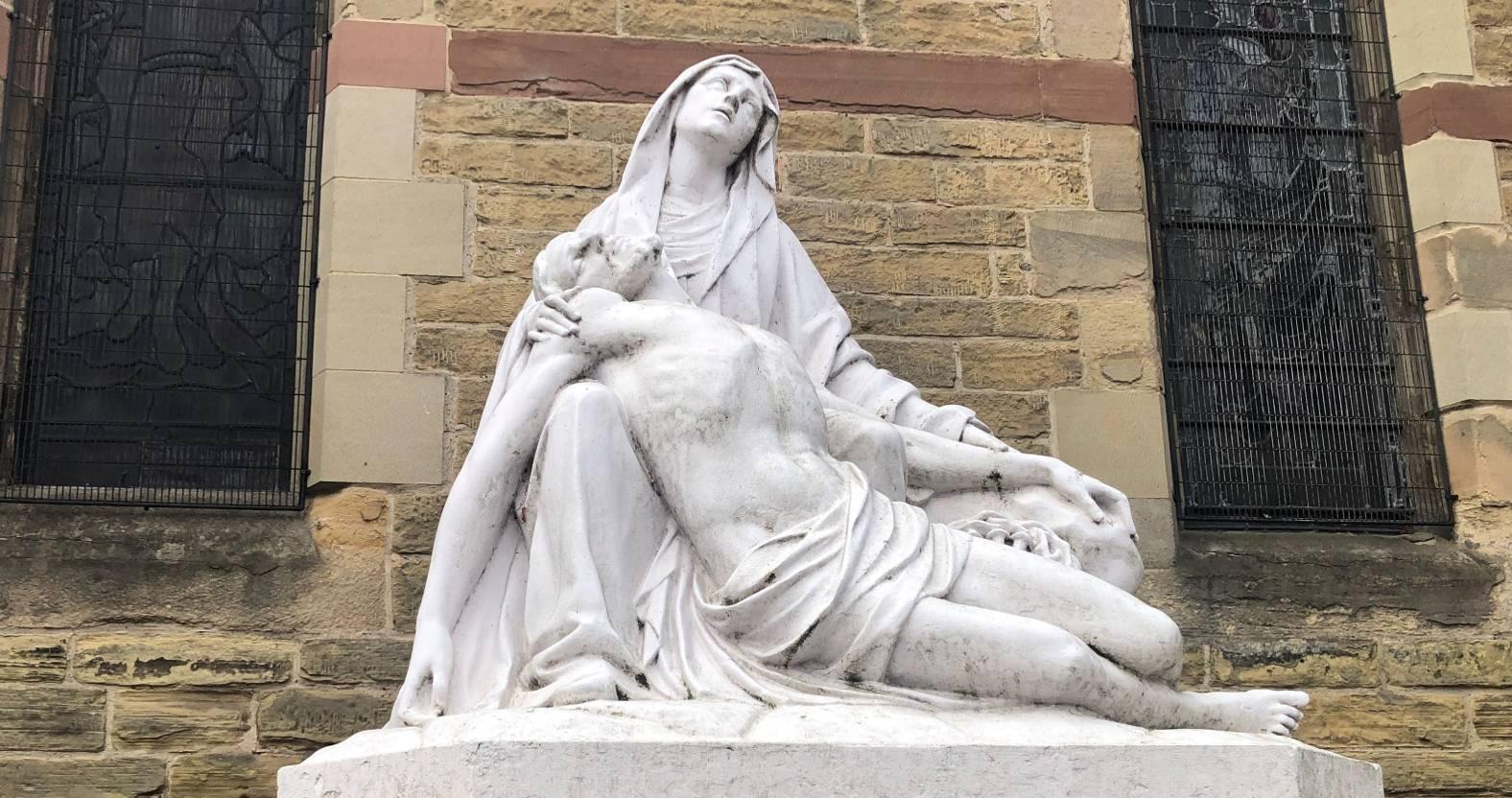
3. The Pietà war memorial statue, Ripon
This beautiful sculpture stands outside St Wilfrid's Roman Catholic Church in Ripon, and commemorates all the men of the parish who were killed during the First World War.
Pietà refers to a theme in Christian art depicting the Virgin Mary holding the dead body of her son, Jesus Christ, after his crucifixion. The image represents the sacrifice made by the dead, and the deep grief of the mothers and others who loved them.
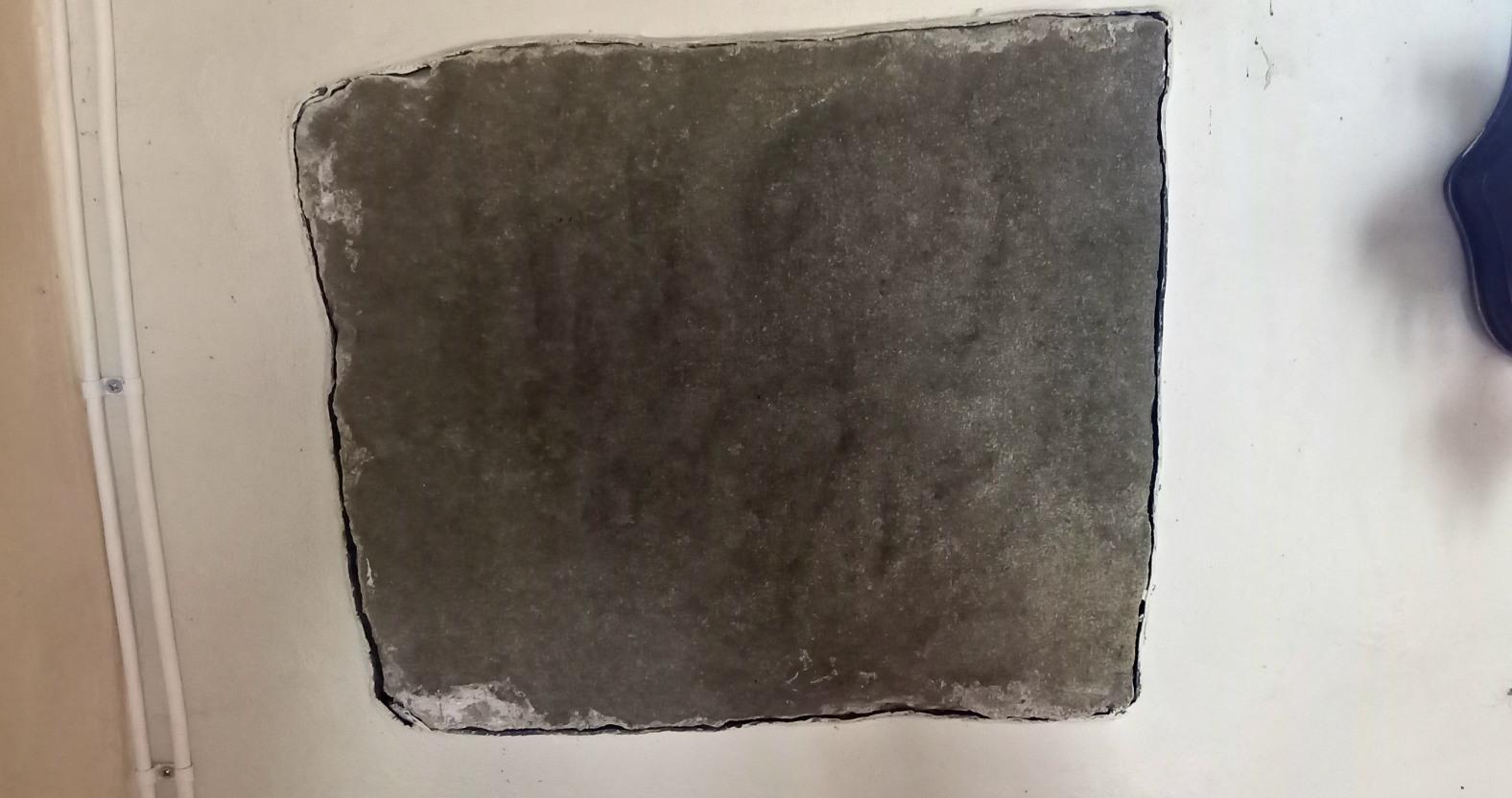
4. Devil's Stone, Copgrove
The stone is so weathered that it's hard to make out its features, especially in the gloom of the 11th-century St Michael's Church, and you really have to look for it.
It was apparently given its ominous-sounding name by Christian locals in bygone centuries, who evidently regarded it as evil either because it appeared to be pagan or because it appeared to be obsene. In fact, it may well be both.
Its age is not known with certainty, but it has often been described as being of Romano-British origin. It consists of a stick-like figure with a large head holding a circle in one hand – variously interpreted as a ladle or a mirror – and next to it is a 'T' shape which has been interpreted as both an axe or a tau cross.
You can see the outlines better in this photo, taken before the stone was moved indoors. (It had been located inside the church, but was moved outside by the Victorians, then back indoors more recently, to protect it from the elements.)
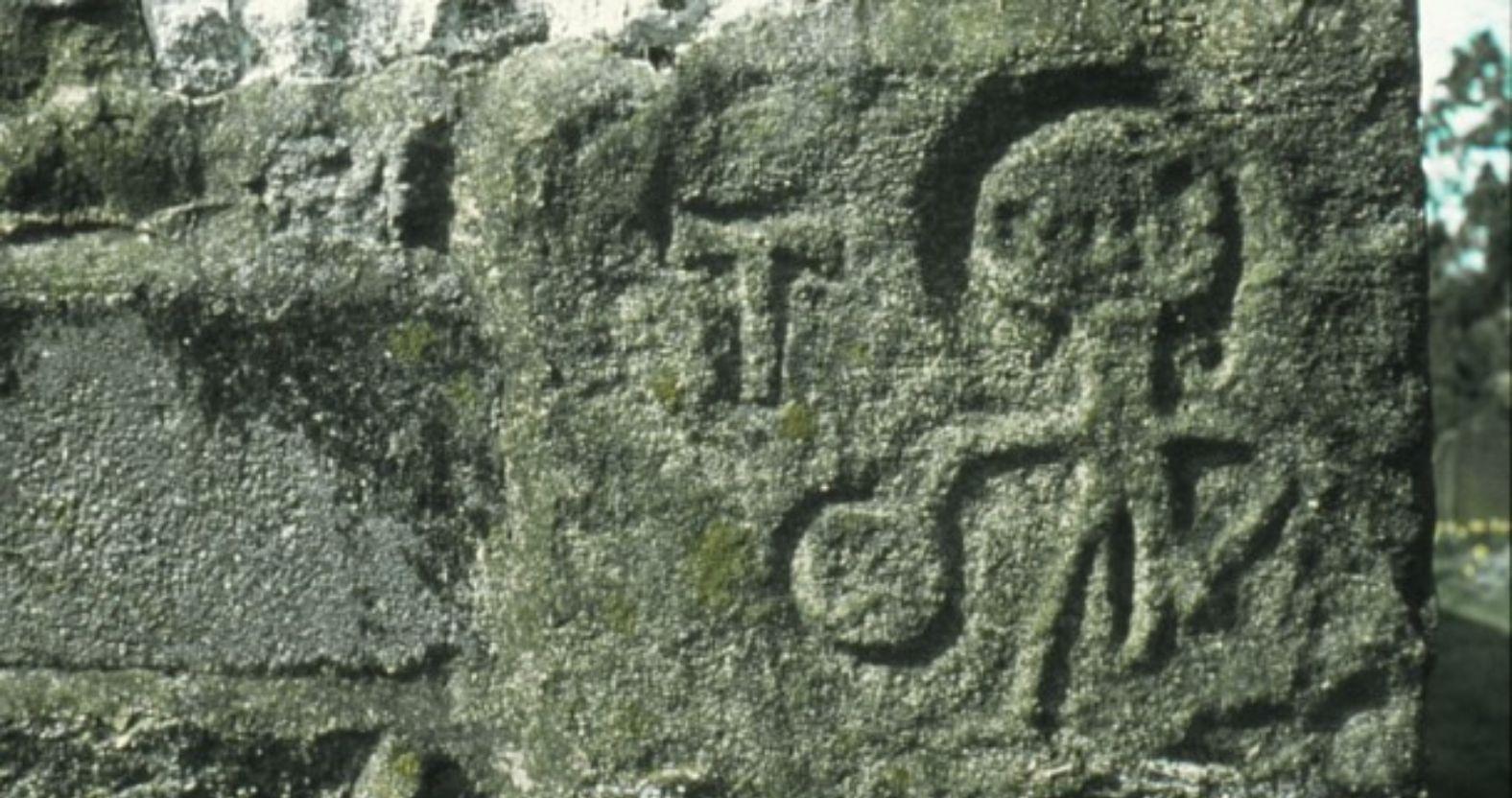
The Devil's Stone when it was still set into an outside wall of the church. Photo: Anthony Weir.
But what makes the stone so unusual is what is between the figure's legs. It appears to be a slit – hence the charge of obsenity – which makes it likely that this figure is a sheela-na-gig.
A sheela-na-gig is a stone carving of a female figure, usually squatting and pulling apart her vulva. There are hundreds of them across the UK, France, Spain, and especially in Ireland, where the term sheela-na-gig comes from.
The carvings are old and very often do not seem to be part of the church, but have been taken from a previous older building. They are particularly common in Norman churches, such as the grade II* listed St Michael's.
Their purpose is not known, but various ideas have been floated, including the suggestions that they were meant to ward off evil, or warn against lust and sin, or help with fertility and childbirth.
Another idea, supported by their geographical distribution, is that they are a relic of pre-Christian Celtic culture and represent female-centered power – but we may never know for sure.
Too easy or too difficult? Let us know what you think of our quiz by contacting us at letters@thestrayferret.co.uk.
Please do send us tricky pics of the area that we can include – and we'll credit your contribution. Thank you!
0