Thank you for your interest in this story
To continue reading this article, subscribe to the Stray Ferret for as little as £1 a week
Already a subscriber? Log in here.
20
Sept 2025
Sunday Picture Quiz Answers: September 20
Here are the answers to this week's Sunday Picture Quiz. How well did you do?
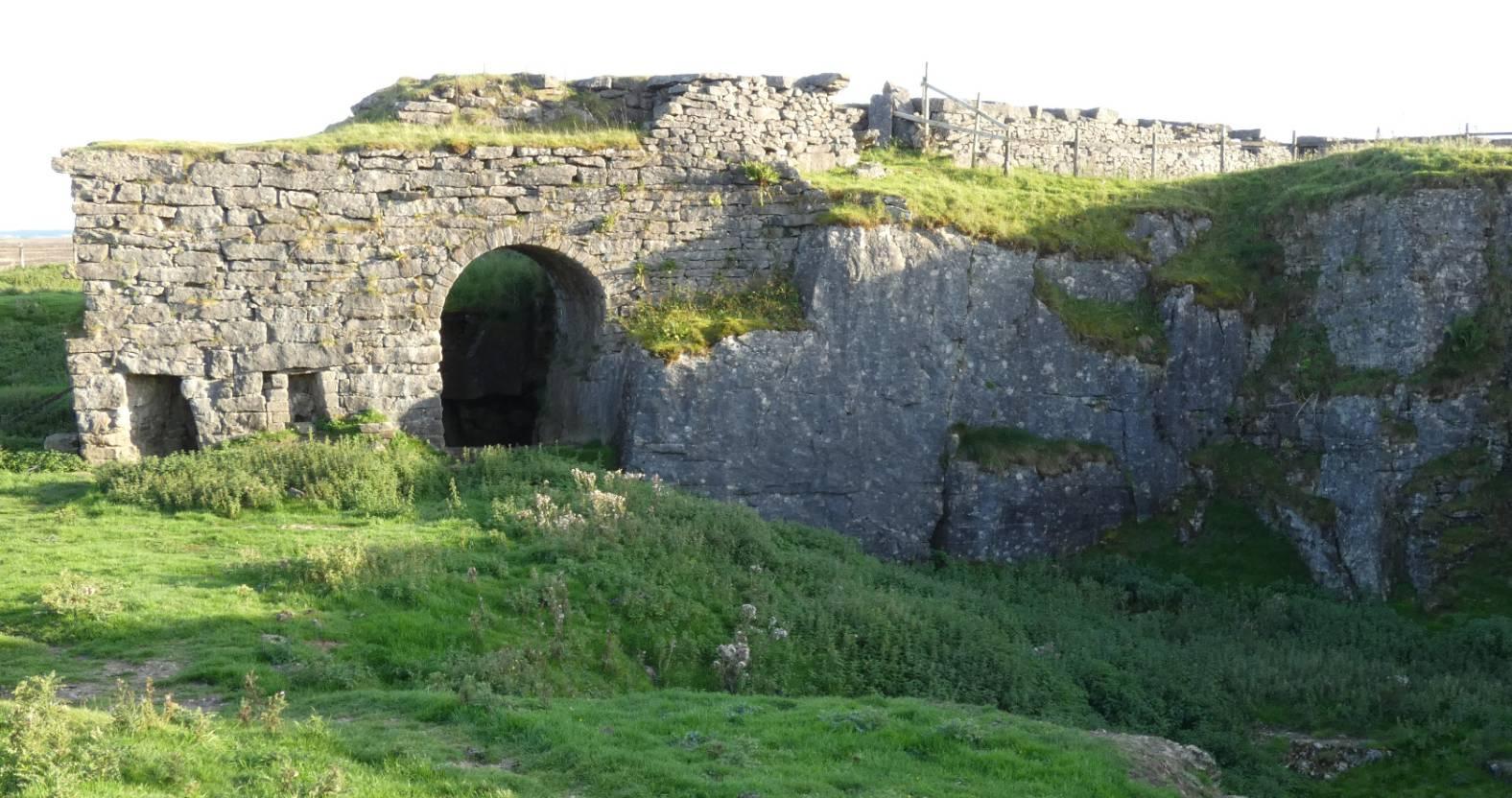
1. Toft Gate Lime Kiln, Greenhow Hill
This unusually intact piece of Nidderdale’s industrial heritage lies near the top of Greenhow Hill, above Pateley Bridge.
It was built in the 1860s to produce quicklime for use in agriculture and construction. Limestone quarried from the hill was heated by fires in the kiln, and the noxious smoke billowed out of the flue stack some distance away (near the present-day carpark).
It was used throughout the later 19th century, but the industry developed larger works, eclipsing and ultimately outperforming small ventures like this one.
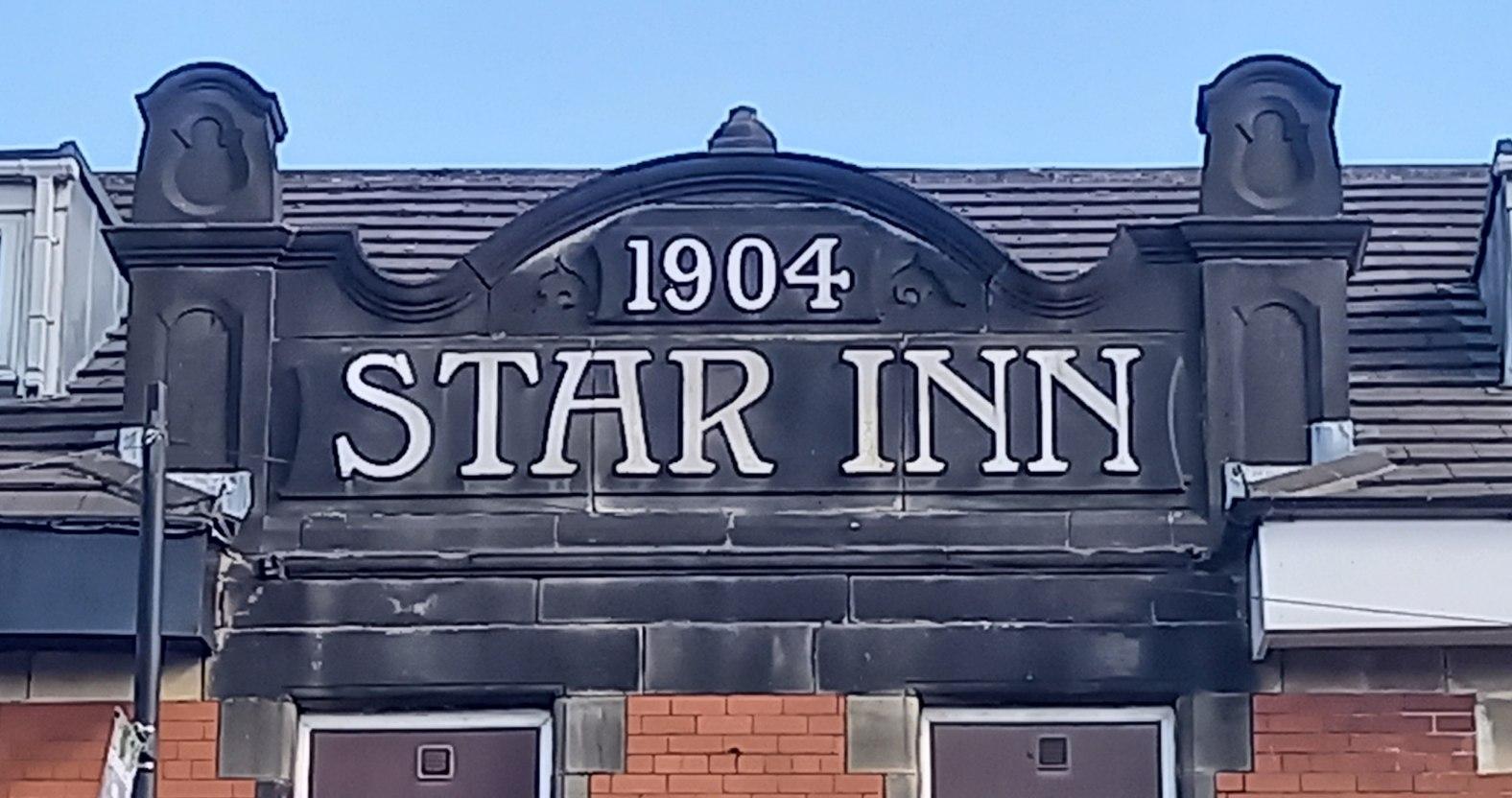
2. The Star Inn, Starbeck
The Star Inn has long since ceased to be, but its presence on Starbeck High Street is forever commemorated in stone, high above today's ground-level shop frontages.
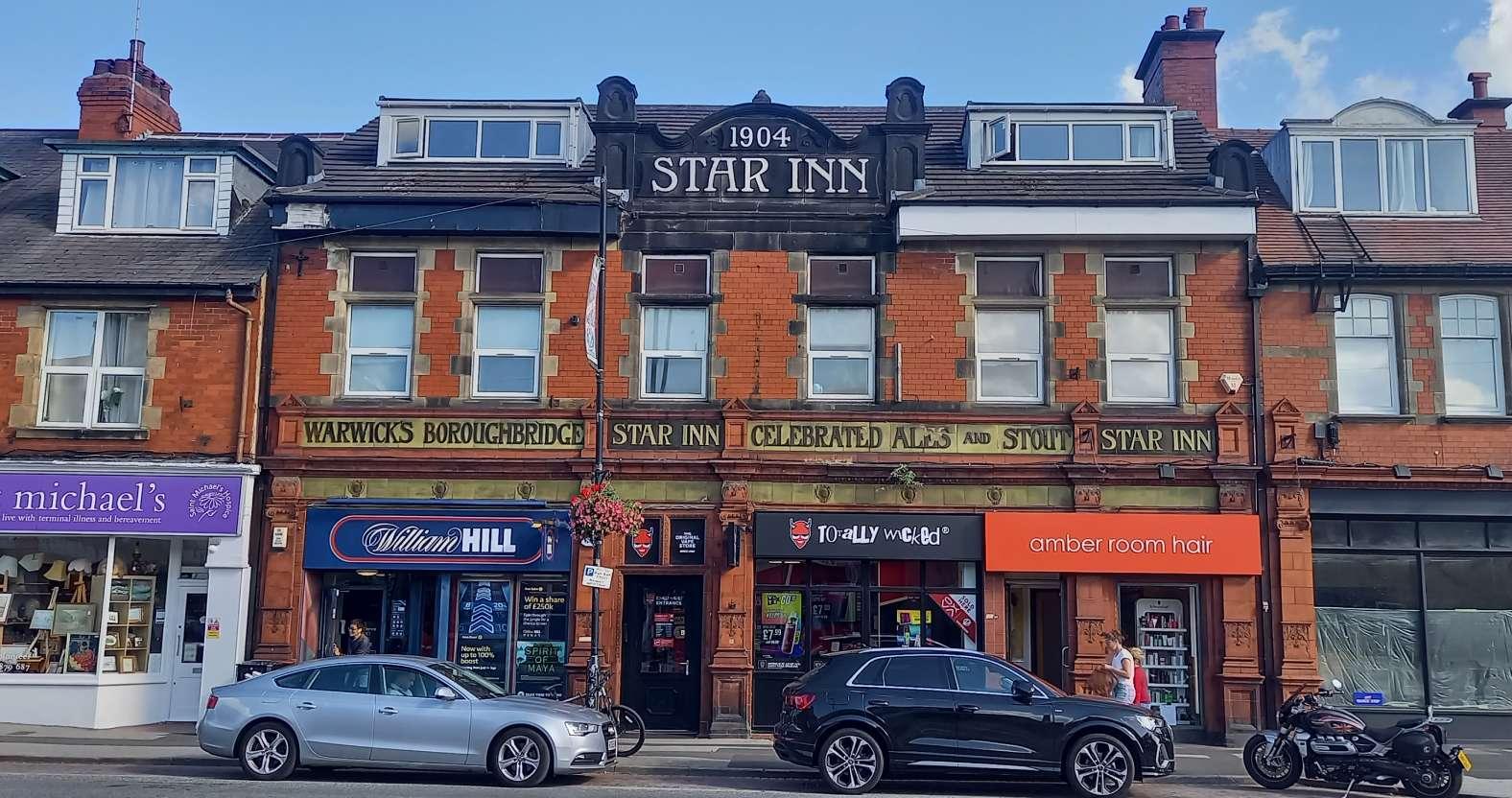
The former Star Inn on Starbeck High Street.
The inn presumably took its name from Starbeck, but the village's name has nothing to do with stars. It probably come from a Norse name meaning 'sedge beck".
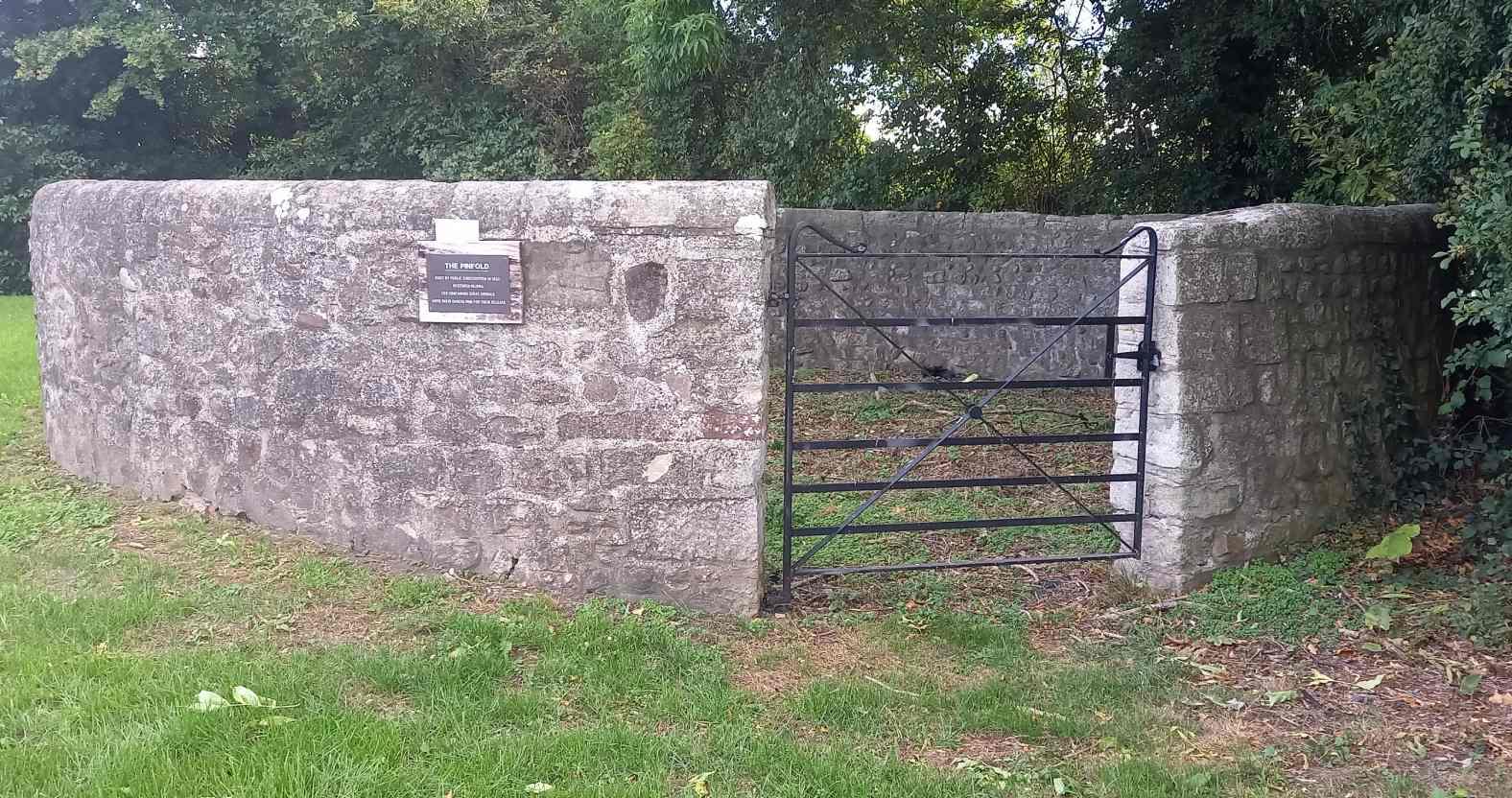
3. Pinfold, Staveley
A pinfold is a structure built to confine stray stock or any animal found grazing on land for which their owner did not have permission.
This fine example, which stands on land owned by Staveley and Copgrove Parish Council, was built by public subscription in 1832 and restored in 1986.
Incidentally, the surname Penfold was originally given to someone who lived near a pinfold, or perhaps was responsible for one. That person would, though, usually be called a pinder, pounder or haywarden, all of which give rise to other surnames.
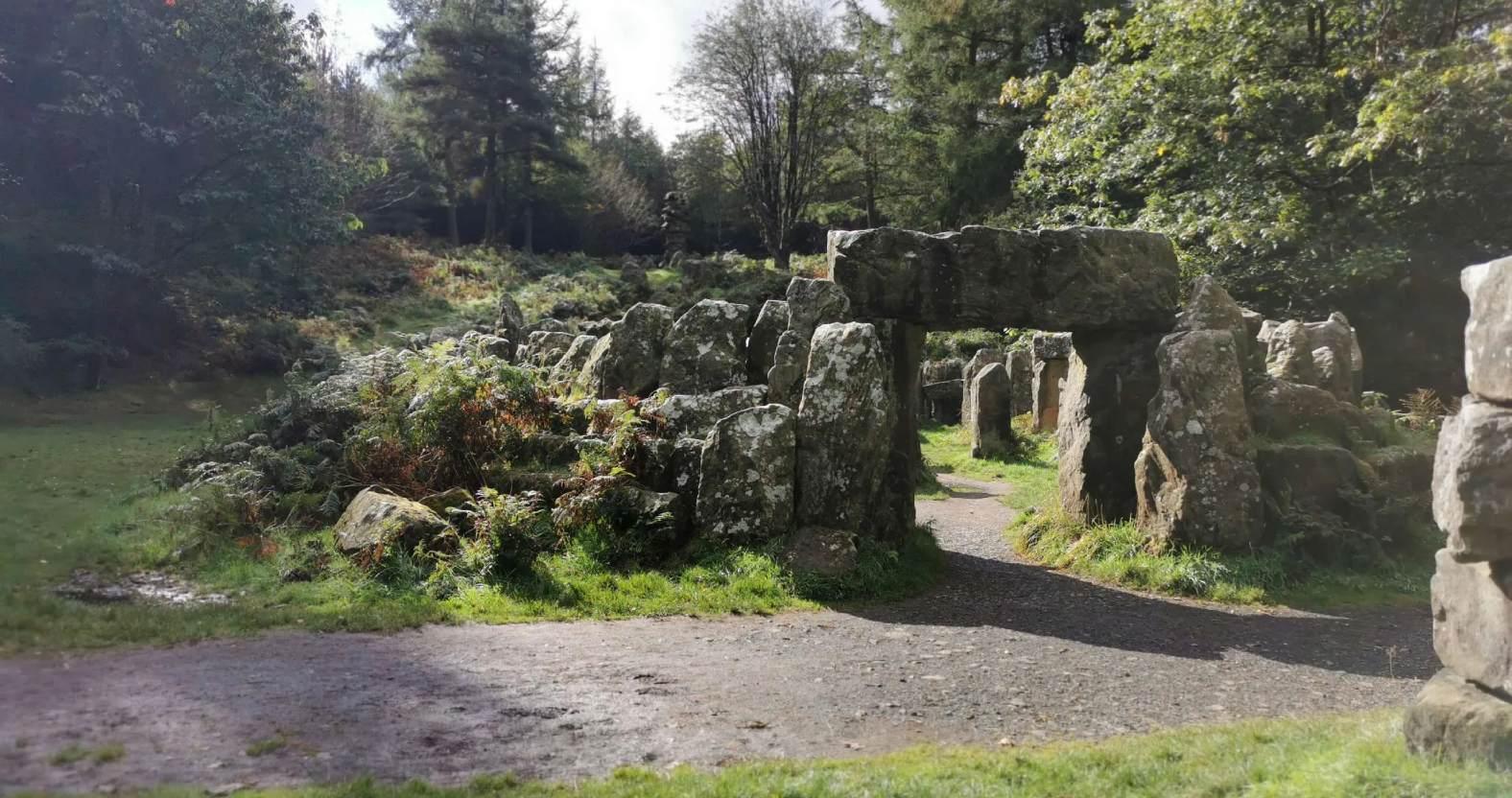
4. Druid's Temple, Ilton nr Masham
It would be rather exciting if this arrangement of standing stones on the 20,000-acre Swinton Estate were a genuine neolithic relic, but it's not – it's a folly built by Swinton Park owner William Danby in the late 1700s.
Danby, who was also responsible for rebuilding the house at Swinton Park in neo-gothic style, is believed to have built the folly to create work for the unemployed, or possibly for estate workers returning from the Napoleonic Wars. He even paid a "hermit" to be at one with nature, living in solitude at the temple.
Although not genuinely neolithic, Druid's Temple is nevertheless a popular spot for picnickers and mountain bikers.
Swinton Park has been owned by the Cunliffe-Lister family since the 1880s, and it is now run as a hotel.
Too easy or too difficult? Let us know what you think of our quiz by contacting us at letters@thestrayferret.co.uk.
Please do send us tricky pics of the area that we can include – and we'll credit your contribution. Thank you!
0